Physical Address
304 North Cardinal St.
Dorchester Center, MA 02124
Physical Address
304 North Cardinal St.
Dorchester Center, MA 02124

Shape a wooden pair of chopsticks in a one-hour Shinjuku workshop, with English-speaking help, natural oil, and optional name engraving.
Making chopsticks by hand turns an everyday object into a small piece of Tokyo you can use at home. I like the choice of wood and length, and I like that you do the shaping yourself before sanding and applying natural oil. Koji, Mimi, and Masa are among the English-speaking instructors who help beginners through the process.
One consideration: this is a short, hands-on workshop, not a broad lesson in Japanese woodworking. Some wood choices may cost extra, and the Shinjuku West Square Building entrance can be tricky to spot, so allow a little time to find the 10th-floor venue.
This workshop is a welcome change of pace from Tokyo’s busy streets. You sit down, work with your hands, and leave with a practical souvenir rather than another object that will spend its life in a suitcase.
The process is approachable for beginners. Staff explain each step and stay available as you work, so you do not need woodworking experience or a steady hand born of years at a bench. The point is not to produce factory-perfect chopsticks. It is to shape a pair that feels like yours.
The session lasts about one hour, though the pace can vary. Some people work quickly and finish early; others take longer over the shape or sanding. The instructor may let you continue if your work needs more time, but do not count on a fixed amount of extra time.
You might also be interested in these Tokyo experiences
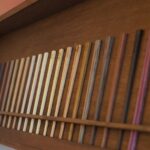
The first decision is the wood. You can look over different colors and grains, then choose a type that appeals to you. The workshop information describes a range of options, and one participant counted seven types, with some carrying an extra charge. Ask which choices are included in the base price before settling on a piece.
This choice matters because the grain and color become part of the finished object. A lighter wood may show an engraving more clearly, while a darker or more unusual tone can make the pair feel distinctive. One visitor particularly liked a purple wood option, but found that it came at an additional cost. If you have a favorite, check the price before the session rather than assuming every wood is covered by the advertised rate.
You also choose the length. Short or long chopsticks can be made to fit your hand, which gives this workshop a useful purpose beyond the souvenir. If you are unsure, ask the instructor for help before carving. Once material has been shaped, there is less room to change your mind.
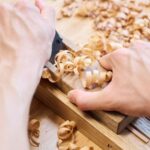
After choosing the wood and length, you place the pieces on a stand and use a hand plane to shape them. The tool removes material gradually, so you can see and feel the wood change under your hands. The task is simple to follow, but it rewards a steady pace.
This is the heart of the workshop. You are not just watching a craft demonstration; you take part in making the pair. The instructor shows you what to do and can step in with guidance when needed. Several instructors are named by participants, including Koji, Mimi, Masa, Shu, Jen, and Lucy. The staff speak English and are described as patient and encouraging, a real help if you have never used a hand plane.
The activity is suitable for beginners and has worked well for families, couples, groups, and solo visitors. A nine-year-old was able to follow the steps, and people of different ages have taken part. Still, children should be comfortable listening to instructions and handling a simple tool under staff guidance.
Do not rush to make both chopsticks look identical at every moment. You can shape and adjust them as you go, then use sanding to refine the feel. If one piece goes wrong, ask the instructor what can be done. In one case, a participant was allowed to start another piece after a mistake, but that should be treated as a kind gesture rather than a guaranteed extra.
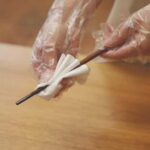
Once the chopsticks have been shaped, you sand their surfaces and edges. This step smooths the wood and helps make the finished pair comfortable to hold. It is also where small adjustments can improve the look and feel, so take your time rather than treating sanding as a chore to get through.
The final listed step is applying natural oil. The oil protects the wood and brings out its color and grain, leaving a soft finish. Together, sanding and oiling give you a clear sense of the full process: rough material becomes a shaped, finished object through a few careful stages.
Some people may be tempted to add decorative carving or patterns. The workshop’s standard process focuses on shaping, sanding, and oiling, and the available equipment for extra decoration may be limited. One participant who wanted to make patterns found there was no carving knife for that purpose, though other tools and a laser engraver were available. If you have a specific design in mind, ask staff what is possible before you begin.
More Great Tours NearbyName engraving is an optional way to make the chopsticks more personal. You can request your name in Japanese or your native language. The engraving may be especially visible on lighter wood, and the workshop also has a laser engraver that can handle images on suitable wood, according to one participant.
The engraving option is not part of the listed included items, so confirm whether it carries a separate charge and what designs are available. It is a nice finishing touch, but the pair has value without it: you have still selected the wood and shaped it yourself.
If you want the simplest keepsake, choose a wood you like and focus on a smooth finish. If the personal mark matters more, ask about spelling and character choices before the engraving is done.
At $6 per person, the listed price is modest for a guided activity that includes wood selection, shaping, sanding, and natural oil. You also take home something practical. The cost is especially attractive if you want a short activity that does not occupy half a day or require a long trip outside central Tokyo.
Treat the advertised price as a starting point, not necessarily the final price. Some wood options may cost extra, and engraving is optional. Before you choose upgrades, check the total so you can decide if a special color or name mark is worth the additional spend.
Value here is not measured only by the chopsticks. You get a calm hour of hands-on work, a chance to learn a small craft process, and an object connected to your time in Japan. If you prefer a polished, high-end souvenir, this may not replace a fine shop purchase. If you like keepsakes with a personal story, making the item yourself is the draw.
The meeting point is Shinjuku West Square Building 10F, at coordinates 35.6959774, 139.6984349. The location puts the workshop in Shinjuku, but transportation to the venue is not included. Plan your own route and leave enough time to locate the building entrance. It can be hard to find, so do not leave arrival until the last minute.
The workshop is wheelchair accessible. English is the listed language, and staff are available to guide you through the activity. Meals are not included, which is no surprise for a one-hour craft session, but plan lunch or dinner separately if you are building the workshop into a longer day.
Available start times depend on the date, so check availability when planning. You can reserve without paying immediately, and cancellation up to 24 hours in advance is eligible for a full refund. Those terms are helpful if your Tokyo plans are still shifting.
This is a good fit if you want an easy, low-cost activity with a tangible result. It suits couples and friends who like making something together, families looking for a manageable hands-on session, and solo visitors who want a quiet break between sightseeing stops. The beginner-friendly format makes it accessible even if your only experience with woodworking is assembling a flat-pack shelf.
It is also a useful choice for visitors who feel overloaded by Tokyo’s pace. The work is focused and calm, and you get a different kind of contact with Japanese daily life through an object used at the table. It is not a full cultural lecture or an advanced craft course, so choose it for the making and the keepsake, not for a long technical lesson.
If you are traveling with someone who does not enjoy crafts, the hour may feel slow. And if your main aim is to buy a refined pair of chopsticks, a shop offers a wider choice without asking you to sand them yourself. The workshop makes most sense when you value the process as much as the finished pair.
I would book this workshop if you want a short, affordable activity that puts your hands to work and gives you a useful souvenir. The best reasons are the wood and length choices, the simple shaping process, and the patient English-speaking guidance from instructors such as Koji, Mimi, and Masa.
Go in expecting a friendly beginner session, not an intensive woodworking class. Check the cost of premium wood and engraving, and allow extra time to find the building entrance. If those details suit your plans, this is an appealing way to make a personal keepsake in Shinjuku.
“The chopstick making was so good, I would highly recommend if you are in Tokyo, Masa our instructor was very informative and interactive, 5 stars”
The activity lasts about one hour. You may need to allow a little extra time if you take longer shaping or sanding your chopsticks.
The listed price is $6 per person. Some wood options may cost extra, and engraving is optional, so check the cost of any additions before choosing them.
The workshop meets at Shinjuku West Square Building 10F. The coordinates are 35.6959774, 139.6984349.
Yes. No prior woodworking experience is needed, and English-speaking staff are available to help you through the steps.
The included items are a selection of wood for the chopsticks, carving and shaping, sanding and smoothing, and application of natural oil.
Engraving is described as an optional extra, not one of the listed included items. You can ask about engraving your name in Japanese or your native language.
Yes, the activity is listed as wheelchair accessible.
You can check availability for your dates here: