Physical Address
304 North Cardinal St.
Dorchester Center, MA 02124
Physical Address
304 North Cardinal St.
Dorchester Center, MA 02124

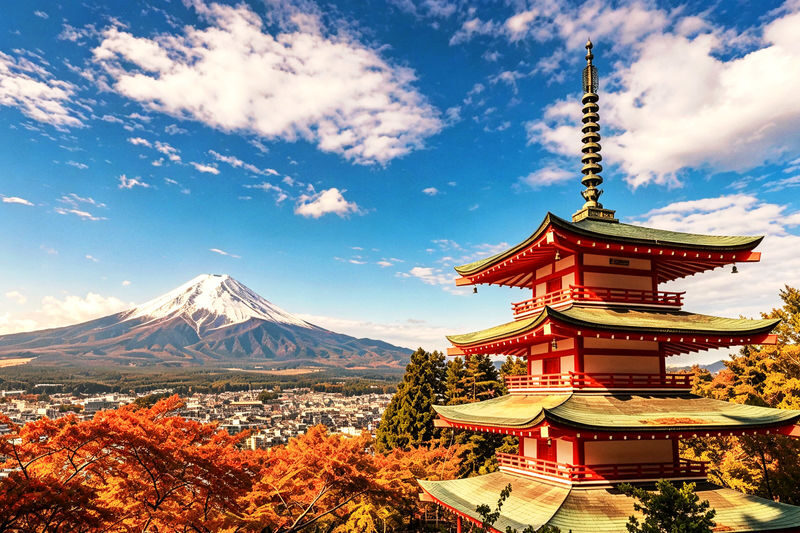
Visit six Mount Fuji photo stops from Tokyo in one day, from Chureito Pagoda to Oshino Hakkai, with transport and a multilingual guide.
Mount Fuji is the star, but this day is really a fast-moving sampler of the places that frame it: a pagoda above Fujiyoshida, a quiet spring-fed village, lakeside gardens and a street where the mountain seems to sit at the far end. You get six well-known photo stops without having to piece together regional buses or train connections.
I like the mix of varied scenery and door-to-door pickup: you move from lakes and ponds to town streets, and the Tokyo transfer makes a tricky day trip simpler. One caveat matters, though: Fuji can vanish behind cloud, especially in summer, and the schedule cannot make the mountain appear.
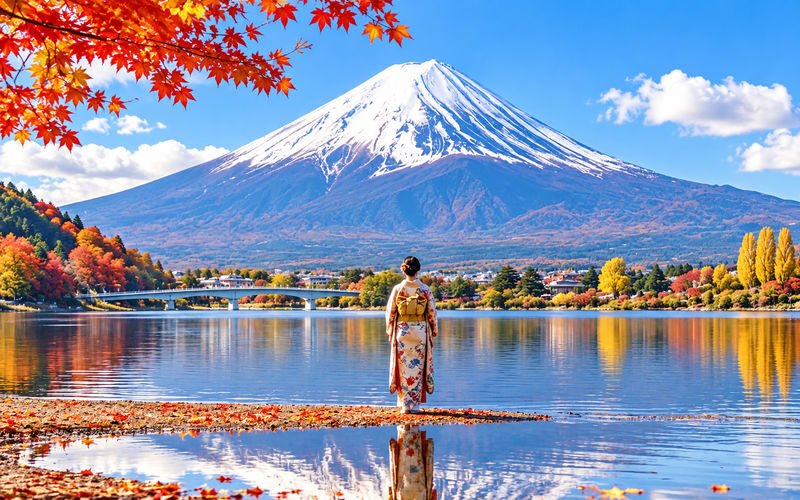
This is a photo-focused tour, but it is not six versions of the same view. The route combines water, village scenery, a flower garden and two distinctly Japanese street-and-temple compositions. That variety gives the day more substance than a simple hunt for the classic Fuji postcard.
The trade-off is time. You have just 20 minutes at some stops and 40 to 70 minutes at others, so this is a highlights tour, not a slow visit to the Fuji Five Lakes area. You can take photos, stretch your legs and get a brief feel for each place, but you will need to keep an eye on the clock.
The main practical gain is transport. Reaching these spots independently means coordinating connections and local travel. A shared pickup and return from Tokyo takes that planning off your plate, which is especially useful if you have only one day to spare.
Looking for more options in Minamitsuru? Here are some other experiences worth considering.
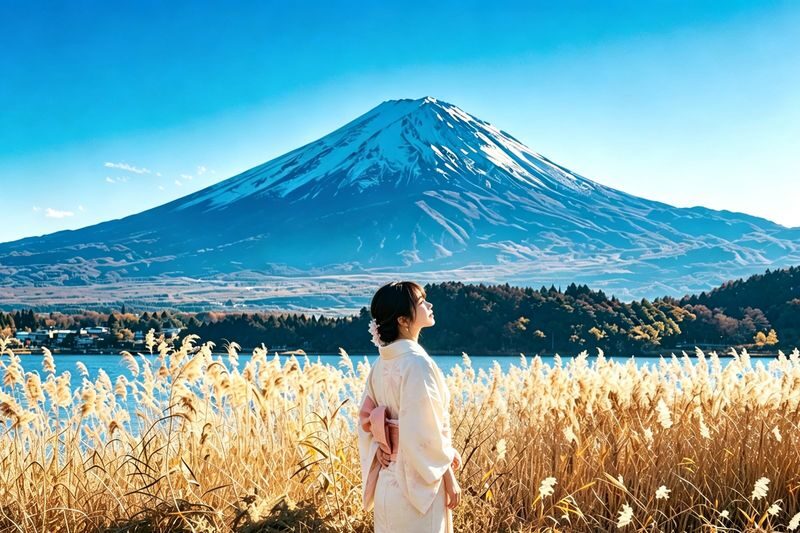
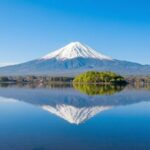
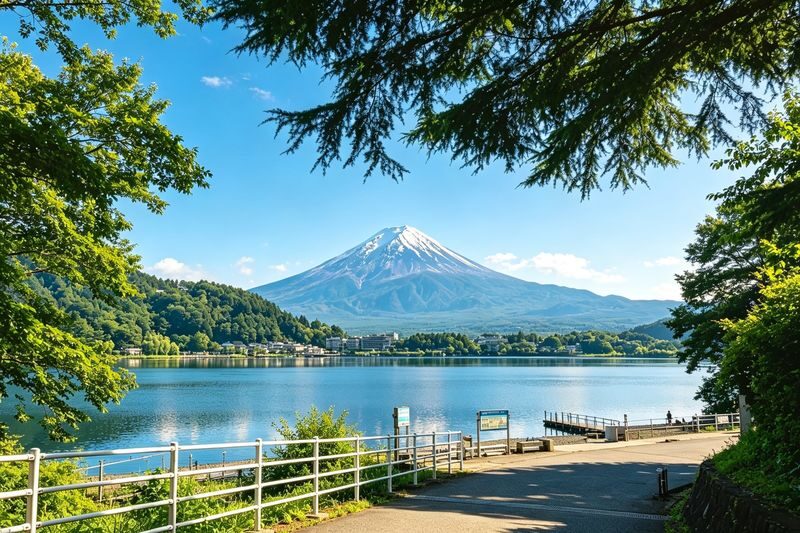
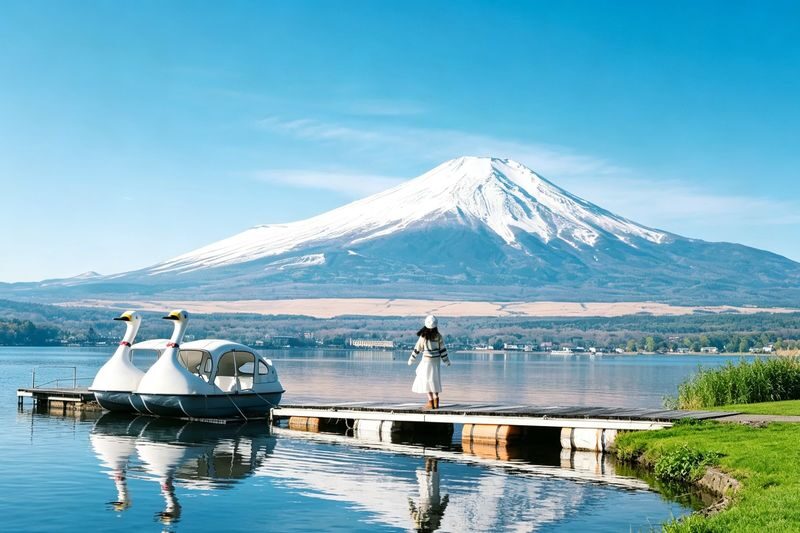
The first listed sightseeing stop is Lake Yamanaka, one of the closest lakes to Mount Fuji. The wide water gives you a different frame from the tight street scenes later in the day. On a clear day, you may see Fuji reflected in the lake; swans are also part of the scene, though their presence is not guaranteed.
You have 40 minutes to explore on your own. That is enough for a lakeside stroll and photos, but not a long outing around the shore. The most dramatic light is often at sunrise or sunset, while this tour reaches the lake around 10:00, so treat it as a scenic introduction rather than a plan built around golden-hour photography.
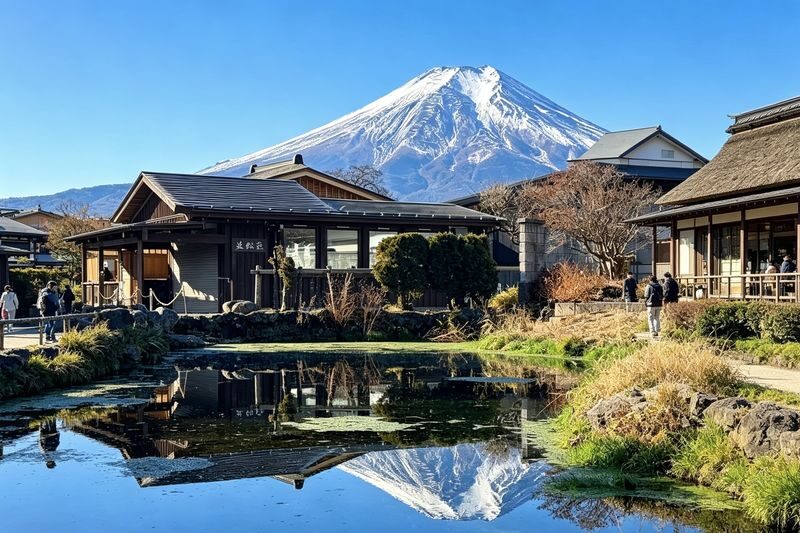
Oshino Hakkai offers a change of pace. Its eight spring-fed ponds are supplied by water from Mount Fuji’s melting snow, and the setting includes small bridges, streams and traditional village features. If the mountain is clouded over, the ponds and water remain a worthwhile reason to stop.
The tour allows 70 minutes here, the longest visit of the day. You can wander between the ponds, take photos and find a snack or souvenir, but this is still a brief visit to a popular place. Stay aware of the meeting time, especially if you stop to browse.
This is one of the stops where I would put the camera down for a few minutes. The appeal is not only the Fuji backdrop; it is the sound and movement of the water through the village. On busy days, the narrow walking areas may feel less peaceful than the description suggests.
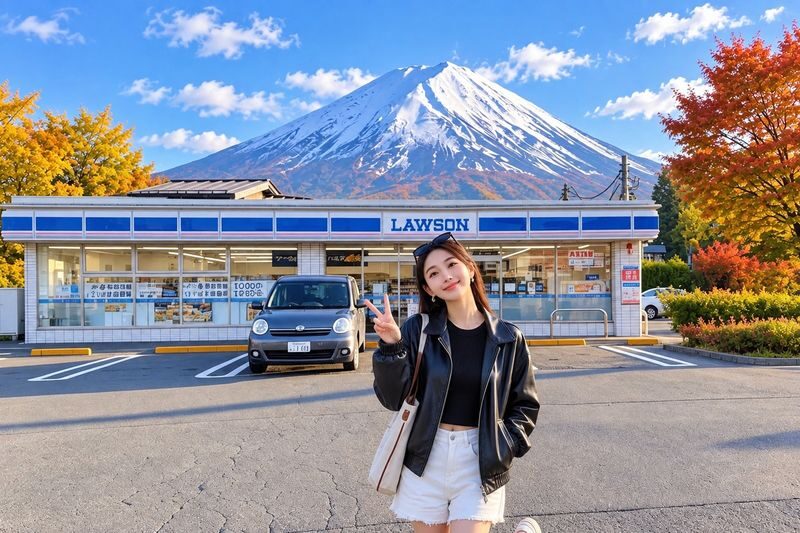
At Fujikawaguchiko Town Hall, the attraction is the familiar convenience-store view with Fuji rising behind a blue-and-white storefront. It is an easy photo to recognize and a simple way to get the Japanese street scene many visitors have in mind.
The stop is only 20 minutes, so think of it as a photo break, not a shopping visit. You can buy a drink if time allows, but the main point is the composition. Be considerate of people going about their day, and follow any local instructions about where you may stand or take pictures.
Oishi Park pairs a lakeside setting with seasonal planting. Cherry blossoms, lavender, autumn color and winter snow can each change the view, with Fuji in the distance when visibility allows. The tour gives you 40 minutes, which makes this a pleasant stop to walk, take in the lake and get a few garden photos.
The seasonal promise needs a little caution. Flowering and foliage dates shift with weather, and the mountain may be hidden even when the garden is attractive. The tour runs year-round, but it cannot guarantee a particular bloom or a clear Fuji view.
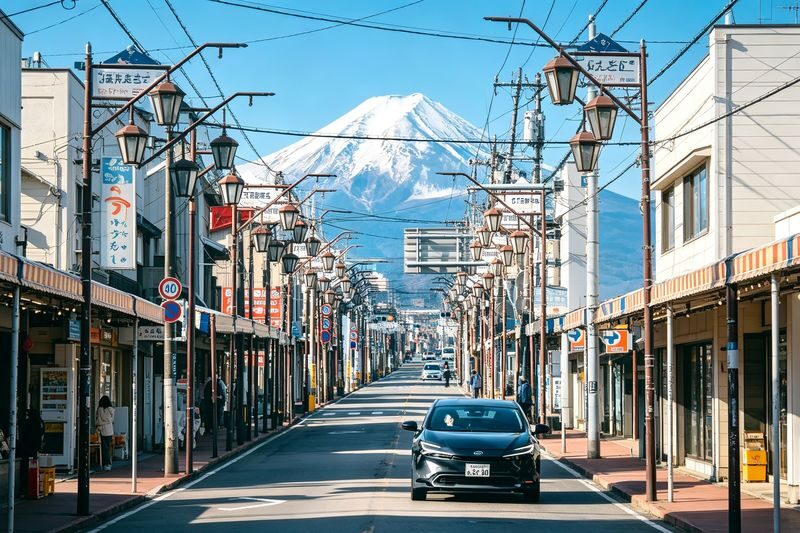
At Hikawa Clock Shop, the street itself does the work. Power lines, streetlights and the shop create a compact town scene, with Mount Fuji appearing at the far end of the road when the sky cooperates. It is a striking contrast with the open lakes and park earlier in the day.
You have 20 minutes here, so the visit is brief and focused. The best use of the stop is to take a few careful photos and notice the everyday street around the famous view. This is a working town, not a purpose-built viewing deck, so keep clear of traffic and respect local space.
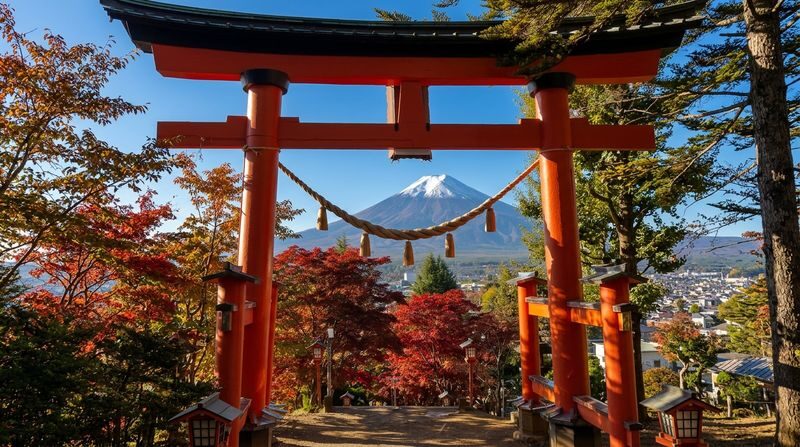
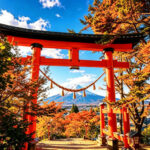
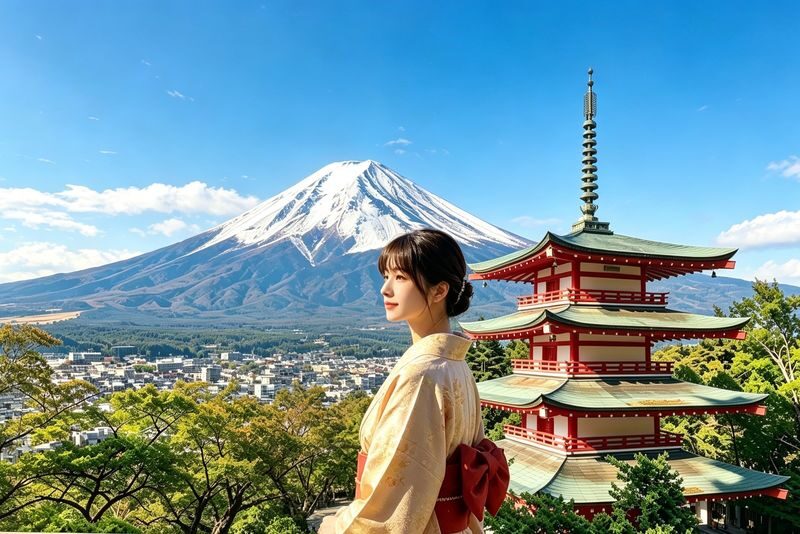
The final listed stop is Arakurayama Sengen Park, home to the classic composition of Chureito Pagoda and Mount Fuji in one frame. In spring, cherry blossoms can add a soft border; autumn leaves bring stronger color. The view is iconic for good reason, but the climb to the viewing area includes a long flight of steps.
The schedule gives you one hour. That sounds generous, but allow time for the ascent, photos and return to the vehicle. If you have limited stamina or prefer not to climb, take the steps at your own pace and do not feel obliged to reach the top quickly. The activity has no age limit, but the climb is a real physical consideration.
Cloud can also change the point of this stop. A guide may adjust the order of visits around weather and traffic, and some departures have seen Fuji appear late in the day. Flexibility helps, but there is no promise that the mountain will clear.
The tour lists English-speaking professional driver-guide service, while package choices include English and Chinese guiding and a small-group option for fewer than nine people. Confirm the exact package and language when booking. Guide names mentioned on different trips include Sakuragi, Virginia, Ohashi, Yaya and Matt, but assignments change.
A strong guide can make a long day easier. Names in the tour information are associated with practical help such as clear meeting instructions, photo tips, explanations at stops and keeping the group informed when weather or traffic changes the plan. The level of commentary can vary; for smaller groups, the driver may also act as attendant, with briefer explanations.
The small-group option can mean a more personal feel than a large coach, but it is still a shared tour. Seats are allocated first come, vehicle type depends on group size, and special seating requests are not guaranteed. If you need to bring luggage, notify the operator in advance; unannounced luggage may be refused.
At a starting price of $49.25, the main value is not an admission ticket or a meal. It is the convenience of reaching six dispersed stops in one day, with Tokyo pickup and return and a guide option. If you would otherwise spend time and money arranging several transfers, this can be a sensible way to see the region.
Meals, drinks, personal expenses and insurance are not included. Bring money for food and anything you want to buy, plus a light snack for the ride. The day can stretch toward 19:00 in Tokyo, and weekend or holiday traffic may make the return slower, so avoid booking a same-evening train, flight or dinner that depends on a strict arrival time.
The itinerary is ambitious. At the shorter stops, you will be taking a quick look rather than settling in. If you want long walks, unhurried meals or time to explore one town in depth, an overnight stay or a more focused day trip may suit you better.
Fuji visibility is the biggest uncertainty. Summer can bring lower visibility, and rain or cloud can obscure the summit in any season. Even on a sunny day, cloud may gather around the mountain. Check the forecast before booking, but treat it as a guide rather than a guarantee.
The route may change because of traffic, weather, facility closures or other conditions. Marathon events on certain dates may also lead to a different order of stops. This flexibility can help the guide make the best of the day, but it means the listed sequence and visit lengths are not fixed promises.
Wear comfortable shoes and light clothing, with warm layers in winter or for mountain conditions. Take a power bank and water, and keep a rain layer handy if the forecast is unsettled. The tour does not include personal travel or accident insurance, so arrange your own coverage if you want it.
This tour fits you if you are staying in Tokyo, want several familiar Fuji photo spots in one day and would rather leave the transport puzzle to someone else. It is also useful for families and first-time visitors who value a clear schedule and a guide to coordinate stops. The six locations give you a broad first look at the area without requiring an overnight stay.
It is less suitable if your main goal is a guaranteed, uninterrupted view of Fuji, a slow visit to each site or a climb-free day. The pagoda steps may be tiring, the schedule is brisk and the mountain can be hidden. Book for the range of places and the ease of transport, with the Fuji view as a hoped-for bonus.
My call: For a first Fuji-area day from Tokyo, the combination of transport, varied stops and photo opportunities offers good value at the starting price. Choose it if you are happy with a full schedule and flexible scenery. If Fuji visibility is your only reason for going, consider staying overnight in the region instead, so you have more than one chance to catch a clear sky.
“I was hesitant about whether to rent a car, and since it coincided with a Japanese holiday, I booked this trip on short notice. However, the driver…”
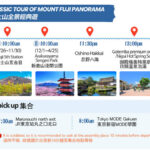
The tour is listed as 11 hours, with departure activity between 06:40 and 17:30. Tokyo pickup can run from 06:40 to 08:00, and the return is estimated between 17:30 and 19:00 depending on traffic.
The six listed stops are Lake Yamanaka, Oshino Hakkai, Fujikawaguchiko Town Hall for the Lawson photo spot, Oishi Park, Hikawa Clock Shop and Arakurayama Sengen Park.
The small-group package specifies hotel pickup and drop-off. Pickup is available in four Tokyo districts, and the operator confirms the location and time in advance. Enter your hotel name and address when booking.
The package options include English and Chinese guides. Guide language and the assigned guide depend on the option and departure.
No. It is a shared tour. The small-group option is for fewer than nine people, and the vehicle is selected according to the number of participants.
No. Meals and beverages are not included, and you should budget separately for food and drinks.
Reaching the Chureito Pagoda viewing area involves a long flight of steps. The tour recommends comfortable shoes, and you should allow time to climb at a pace that suits you.
The tour still proceeds if seasonal scenery or Fuji visibility does not match expectations. Weather can affect visibility, and no refund is provided for that reason.