Physical Address
304 North Cardinal St.
Dorchester Center, MA 02124
Physical Address
304 North Cardinal St.
Dorchester Center, MA 02124

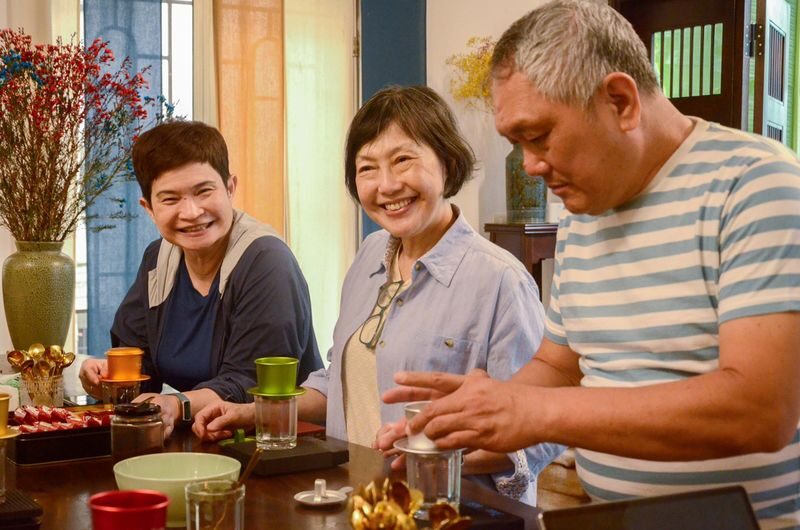
Make six Vietnamese coffee recipes, taste local brews and fruit liquor, and learn the story behind Hanoi’s coffee culture at Su Quán Roastery.
Vietnamese coffee is more than a strong brew poured over condensed milk. At Su Quán Roastery, you’ll compare beans, learn the phin drip method, and make coffee drinks yourself, including Hanoi favorites such as egg coffee. It’s a hands-on way to understand a daily ritual, not just order another cup.
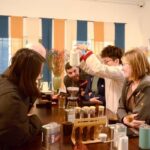
I like two things in particular: you get to make six coffee recipes, and the class links each drink to the beans and brewing traditions behind it. You also get tastings, local snacks, and, when included in the session, homemade fruit liquor pairings. Instructors named by participants include Pa, Mark, Kim, and Piey, though your teacher may differ.
One practical note: the advertised duration varies between two hours and two and a half, and the tasting count is described as both nine and ten. The no-transfer option is the lower-cost choice, but the roastery is outside the Old Quarter, so plan your own ride and check the confirmed schedule.
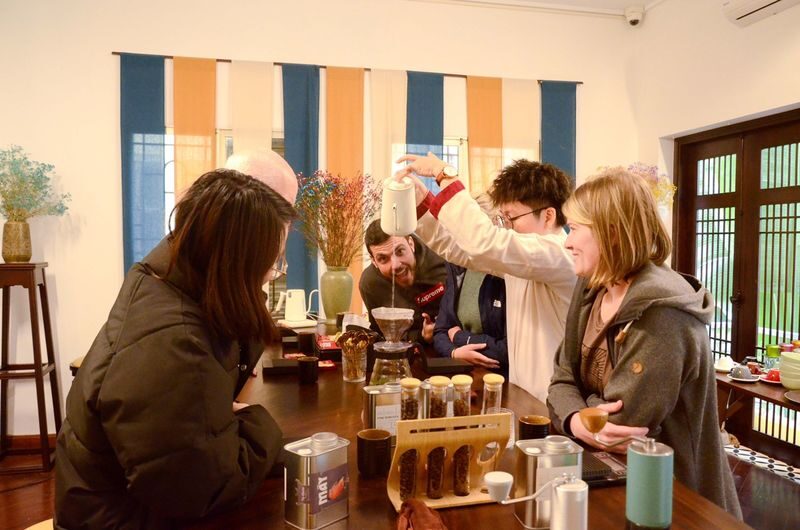
Vietnam is one of the world’s largest coffee exporters, and this class gives you a compact introduction to how coffee became part of the country’s identity. You’ll hear about its history and the World Coffee Belt, then get an overview of how coffee trees are grown. That background helps make the tasting more than a lineup of sweet drinks: you can start noticing what comes from the bean and what comes from the preparation.
The class compares Robusta, Arabica, and a mix of the two. You don’t need to arrive with a trained palate. The point is to try the differences and ask questions, not to pass a coffee exam. Instructors such as Pa, Mark, Kim, and Piey are frequently singled out for patient explanations, clear English, and a lively teaching style. Your teacher is not guaranteed to be one of those four, but the format leaves room for questions and group participation.
The introduction also gives you a local perspective on coffee choices. One class discussion has covered why civet coffee, sometimes sold as weasel or musk coffee, raises environmental concerns. That’s a helpful reminder that coffee culture includes choices about how beans are produced, not only how they taste.
You might also be interested in these Hanoi experiences
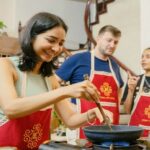
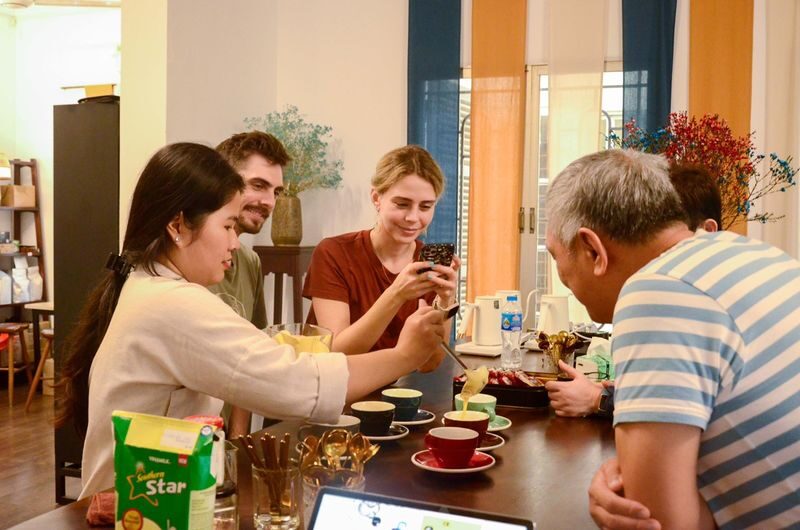
After the introduction, the class turns to the brewing. You’ll make six coffee recipes under guidance, using the ingredients and equipment provided. The phin, Vietnam’s small metal drip filter, is central to the experience. Its slow drip is part of the pleasure, and learning how it works gives you a practical skill to take home.
The named drinks include condensed milk coffee, egg coffee, coconut coffee, salt coffee, and cocktail coffee. The exact selection can vary: the package description says that some signature coffee options are chosen from egg, coconut, and salt coffee, while participants have also described making cocktail coffee. Check the package wording when you book if one particular recipe matters to you.
Egg coffee is a good example of why hands-on instruction is worthwhile. You see how the drink is assembled and get to make your own, rather than simply ordering it at a café and wondering what gives it its creamy top. The same goes for coconut and salt coffee: the class lets you connect the finished cup with the ingredients and method.
This isn’t a professional barista course, and the available details don’t promise advanced espresso skills. Think of it as a cultural cooking workshop with a coffee focus. You’ll have time to follow each step, taste the results, and talk with the instructor and other participants. Several people describe the pace as easy to follow, though a slower class may feel less brisk if you’re hoping for a tightly timed demonstration.
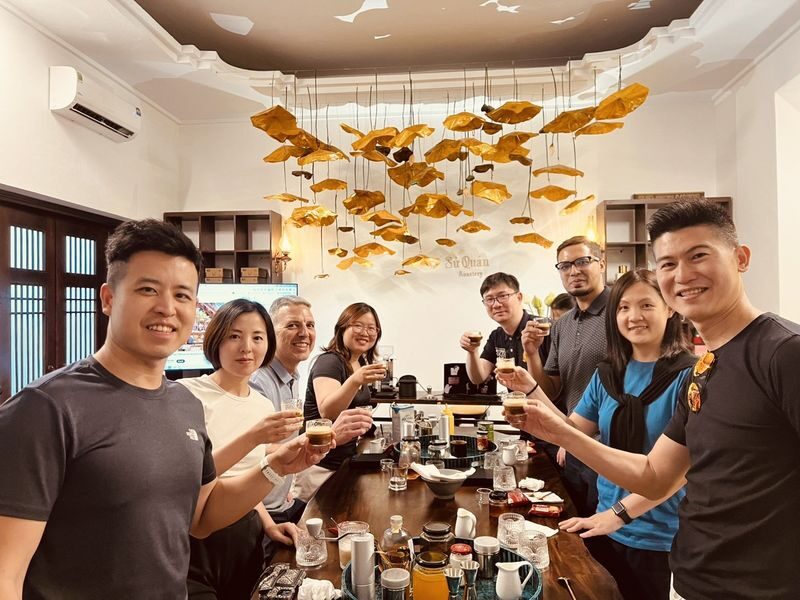
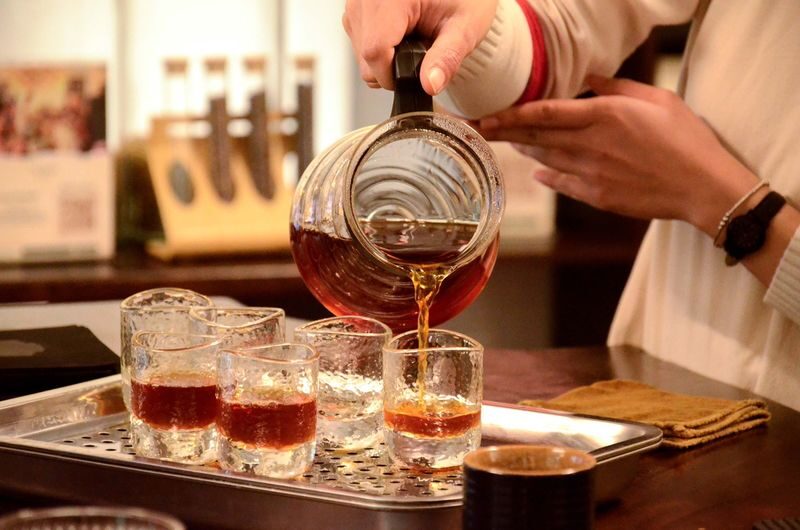
The experience is designed around trying as well as making. The overview describes up to nine tastings, while the detailed schedule describes ten guided tastings. It’s safest to think of the number as approximate rather than expect a fixed count. You’ll sample coffee styles and may also try traditional homemade fruit liquors, which bring another local flavor into the session.
A complimentary herbal welcome drink and local snacks are included. Since the tasting can add up, the operator recommends having breakfast or a light meal beforehand. That’s sensible advice, especially if you’re sensitive to caffeine or don’t usually drink several coffees in one sitting. If you have dietary needs, allergies, or vegetarian preferences, share them in advance so the team can prepare.
The liquor tasting is part of the cultural experience, but you don’t need to arrive expecting a full meal or a drinking session. Personal expenses and tips are not included. If you prefer not to try a particular drink, tell your instructor; the available information doesn’t specify whether every tasting can be substituted.
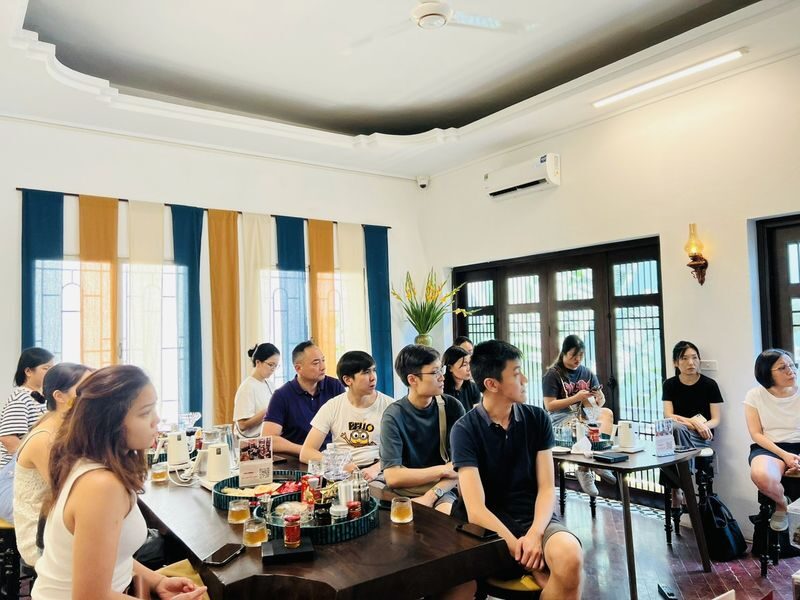
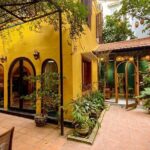
The workshop takes place at Su Quán Roastery, No. 75, Lane 173, Hoàng Hoa Thám Street, Ba Đình. The lane and address are worth saving before you leave. The route from the Old Quarter offers a glimpse of a residential part of Hanoi, but don’t count on finding the entrance by luck alone. Use the operator’s directions and contact number, +84 345 508 508, if you need help.
You can book the experience without transport or choose a transfer package. The no-transfer option is the cheaper one, with a listed starting price of US$19.35; the transfer package starts at US$25.39. A separate summary gives a starting figure of $18.09, so the final price may depend on date, package, and booking conditions. Check the total at checkout rather than relying on a headline starting price.
Hotel pickup and drop-off are available for hotels in the Old Quarter, and the operator is meant to confirm pickup time in advance. If you choose it, provide your hotel name and address and be in the lobby ten minutes early. Some pickup participants have had delays or waited without an update, so keep the contact number handy and ask the operator to confirm the pickup time before class day.
Without a transfer, you arrange your own way to and from the roastery. The meeting address is listed as 75/173 Hoàng Hoa Thám, and the booking information asks you to arrive ten minutes before your selected start time. Available starts are 09:00 and 14:00. Return times are shown as 12:00 and 17:00, though the schedule can vary with the selected start and itinerary.
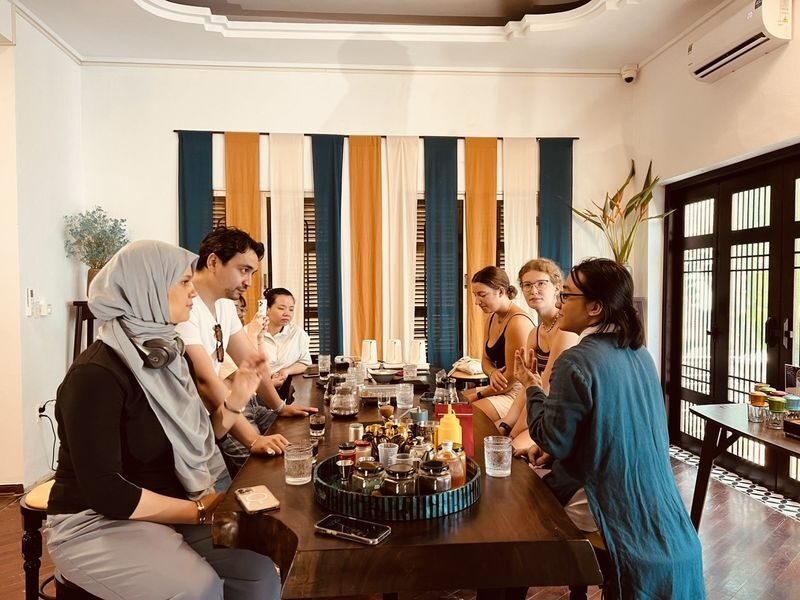
The price is modest for a two-hour-plus activity that includes an English-speaking guide, ingredients, equipment, tastings, snacks, and a workshop venue. You’re paying for more than a few cups of coffee: the class combines cultural context with repeated practice. A digital recipe book and certificate are available on request, which helps if you want to recreate the drinks at home.
There is one timing detail to settle before you book. The main details call the activity two hours, while the guided roastery portion is listed as two hours and thirty minutes. Treat it as a substantial part of your morning or afternoon, and avoid scheduling a tight appointment immediately afterward. Weather and traffic can affect the schedule.
The experience also says that each booking supports children’s education at the operator’s Da Lat farm. That gives the purchase a community benefit beyond the class, though the activity details don’t explain the funding amount or how it is allocated.
You might also be interested in these Hanoi experiences
This workshop suits coffee fans who want to understand Vietnamese brewing, but you don’t need to be an enthusiast. If you’re curious about why Robusta is so prominent, want to learn the phin method, or would like to make egg coffee at home, the mix of talk and practice earns its place in a Hanoi itinerary.
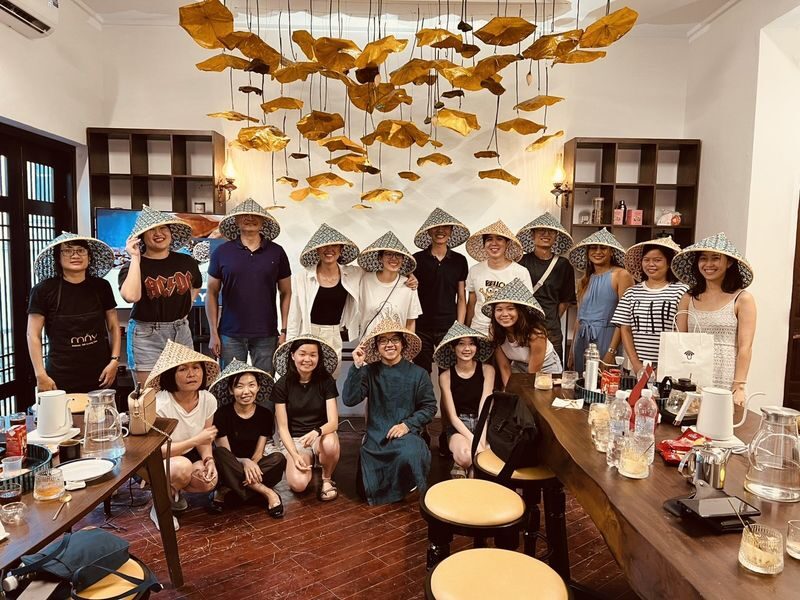
It can also work well for solo visitors. The class encourages questions and interaction, and the group setting gives you an easy way to talk with people who share an interest in food and drink. It’s a good change of pace from sightseeing, especially on a rainy day or when you want an indoor activity that still connects you to local culture.
Families can book, but note the age terms: children aged zero to three are free, children aged four to eleven qualify for a special rate, and those aged twelve or older pay the adult rate. Infants and children must still be included in the passenger headcount. Because the workshop involves light cooking activities and several tastings, comfortable clothes and shoes are the practical choice.
This is a tasting class, not a sit-down meal. Eat beforehand, and tell the operator about allergies or dietary needs in advance. There are also reports of limited restroom availability at the venue, so use facilities before you arrive if that matters to you.
Late arrivals and no-shows are not refundable, so leave enough time to find the lane. If you’ve booked a transfer and the pickup seems late, contact the operator rather than waiting without an update. The venue is air-conditioned, and luggage storage is available for up to three days, a useful extra if you’re between hotels or heading onward.
For bookings made directly under the stated terms, you can cancel at least 24 hours before the activity date for a full refund. Changes are allowed until 24 hours before the start, with some booking types excluded. Your voucher is valid only on the date and time booked, and you present it on your phone.
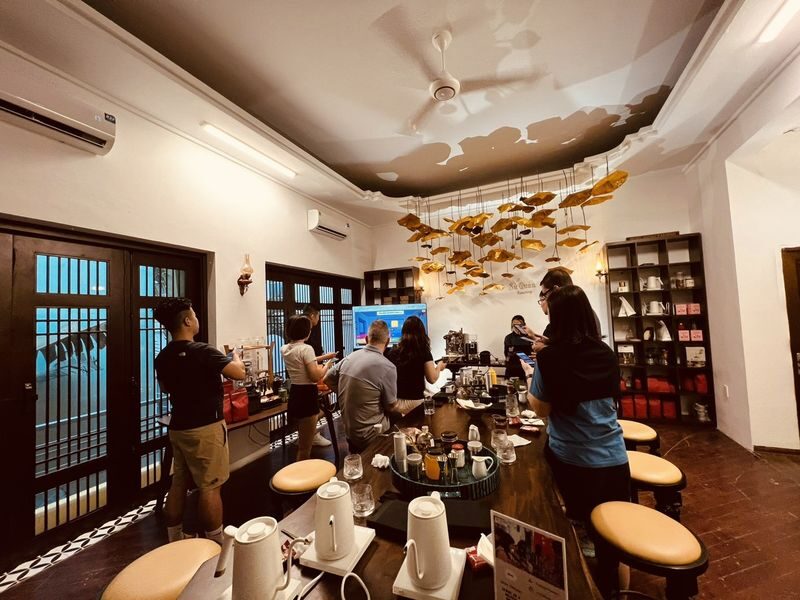
I’d book this if you want a practical, social introduction to Vietnamese coffee rather than another tasting counter. The strongest reasons are the chance to make six drinks yourself, the comparison of Robusta and Arabica, and the clear cultural thread from coffee history to the phin filter. The instructors named by participants, including Pa, Mark, Kim, and Piey, are often praised for making the class warm and easy to follow.
Choose the transfer option if you’re staying in the Old Quarter and want to avoid arranging the ride. Choose no transfer if you’re comfortable navigating to Ba Đình and want to keep the cost down. Before paying, confirm the exact duration, tasting count, and recipes offered for your selected package. If those details suit your schedule, this is a good-value way to learn a few Hanoi coffee tricks and leave with recipes you can try at home.
“It was a fun and informative experience”
The activity is described as two hours in the summary and two hours and thirty minutes in the guided itinerary. Allow up to two and a half hours, and check your confirmed schedule.
It takes place at Su Quán Roastery, No. 75, Lane 173, Hoàng Hoa Thám Street, Ba Đình, Hanoi.
The class includes six coffee recipes. Drinks named in the package information include condensed milk, egg, coconut, salt, and cocktail coffee. The exact selection can vary.
The activity description says up to nine tastings, while the detailed schedule says ten. Homemade fruit liquor tastings may also be included.
Yes. Pickup and drop-off are available for hotels in Hanoi’s Old Quarter with the transfer package. You can also book without transport and make your own way to the roastery.
Yes. Children aged zero to three are free, children aged four to eleven may qualify for a special rate, and children aged twelve or older pay the adult rate. Include all children in the passenger headcount.
Present your mobile voucher and wear comfortable clothing and footwear suitable for light cooking activities. Tell the operator in advance about dietary requirements, allergies, vegetarian preferences, or other food-related needs.