Physical Address
304 North Cardinal St.
Dorchester Center, MA 02124
Physical Address
304 North Cardinal St.
Dorchester Center, MA 02124

See Tokyo from the 60th floor at Sunshine 60 Observatory, with seven themed zones, virtual flights, sunset views and a relaxed indoor setting.
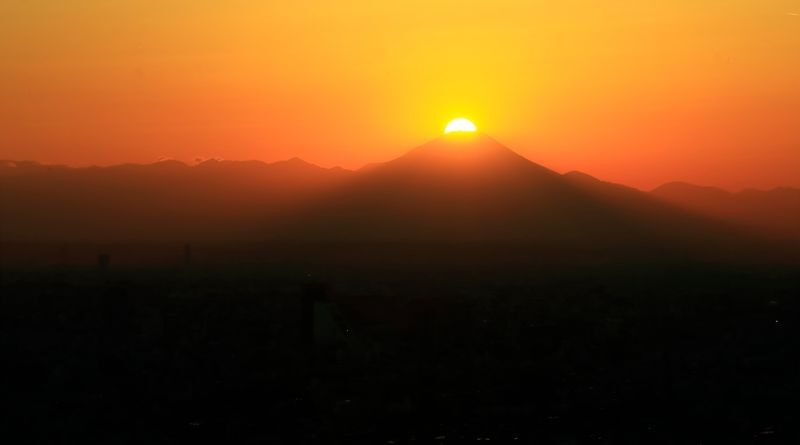
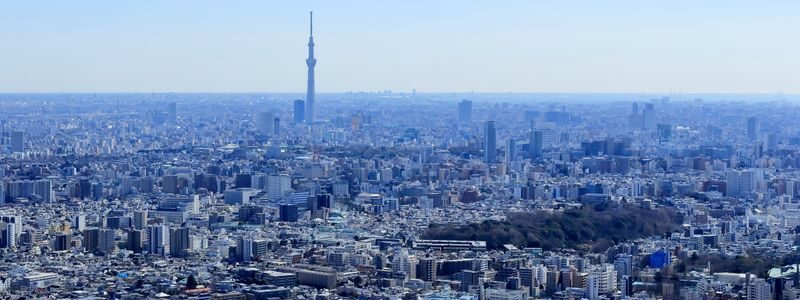
Tokyo’s skyline looks different from the 60th floor of Sunshine 60: the city spreads out in every direction, with landmarks such as Tokyo Skytree and, on a clear day, Mount Fuji in the distance. This is not just a glass-walled viewing deck. The observatory has seven themed zones, including virtual reality experiences that turn sightseeing into a playful ride.
I like two things in particular: you can make this a leisurely stop, with places to sit and a cafe, and the admission price is low compared with some of Tokyo’s better-known observation spots. The indoor setting also makes it a comfortable option for families or a rainy-day plan.
The main consideration is the weather and the timing. Haze and clouds can hide distant views, and a visit just after sunset may mean waiting for the night lights to come on. Check the forecast and allow time to enjoy the change from day to night.
Sunshine 60 Observatory Tenbou Park, also called Sky Circus Sunshine 60 Observatory, occupies the 60th floor of the Sunshine 60 Building in Ikebukuro. It gives you a high, indoor vantage point over Tokyo, but its appeal is not limited to the view. Seven zones add interactive and themed elements, including virtual reality activities designed to simulate flights around the city.
That mix suits a visit when you want a break from Tokyo’s streets without giving up the sense of being in the city. You can look out across the buildings and landmarks, then slow down inside with a drink or a seat. It is a gentler outing than a full day of sightseeing, and the listed visit length is about one to two hours.
The observatory is in Sunshine City, a large complex in Ikebukuro. That makes it practical to pair with other plans in the area, or to use as a stand-alone stop when you want a view without a long walk or outdoor climb. The experience is indoors, so you can enjoy it in comfort, though the view itself still depends on the weather.
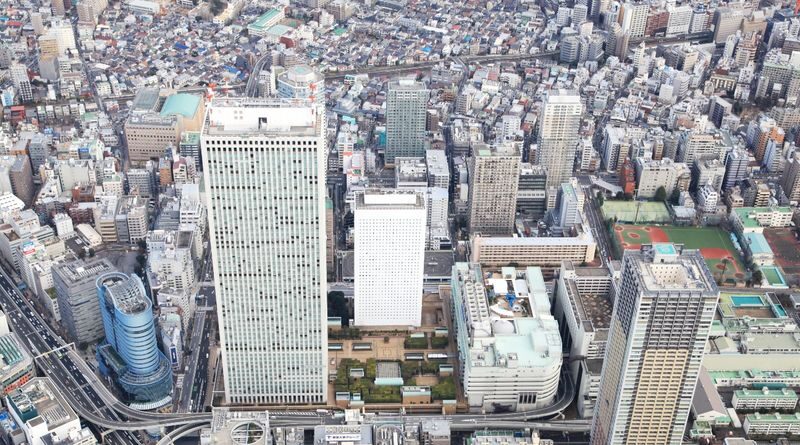
The address is Sunshine 60 Building 60F, 3-1-1 Higashi-Ikebukuro, Toshima-ku, Tokyo. From Higashi-ikebukuro Station on the Yurakucho Line, take Exit 6 and walk about five minutes. Once inside Sunshine City, follow the signs for the observatory. The route to the upper floors can feel a little indirect in a large complex, so give yourself time to find the correct elevator.
Admission is for the Sky Circus Sunshine 60 Observatory. The ticket does not include personal expenses, so plan to pay separately for anything you buy at the cafe or elsewhere. Children aged 0 to 5 enter free, while children aged 15 and over pay the adult rate.
Your Klook ticket is an online voucher, not a paper ticket. Open Klook’s app or website, go to My bookings, and display the voucher on your phone for staff to process. You need internet access to open it, so check that your phone can connect before you reach the entrance. Don’t try to validate the ticket yourself: facility staff must operate it, and a voucher marked used can no longer be used to enter.
Looking for more options in Tokyo? Here are some other experiences worth considering.
The heart of the visit is the view. From the 60th floor, you can look out across Tokyo in several directions and pick out familiar landmarks from above. On a clear day, you may be able to see Mount Fuji as well as the city’s more distant buildings. The chance of a Fuji view is a bonus, not a promise: clouds, haze and other weather conditions can obscure it.
The observatory’s seven zones give the visit a more varied rhythm than a simple lap around a viewing floor. Some are designed for photos or playful interaction, while virtual reality activities add a more animated take on the skyline. The named rides include Swing Coaster and Tokyo Bullet Flight, which simulate imaginary but realistic flights around the city. They are an extra attraction, not a substitute for the real view outside.
This combination is useful if you are visiting with children or with someone who might tire of a conventional observation deck. The themed areas give you things to look at and do between views, while the open skyline remains the main event. Some areas may be unavailable during events, so the full range of zones is not guaranteed on every visit.
There is no fixed route or guided itinerary described for the admission ticket. You can take your time among the zones, pause at the windows, and choose how long to spend on the interactive parts. That freedom is part of the appeal: a quick visit can fit into a busy day, while a slower one gives you time to sit and watch the city change.
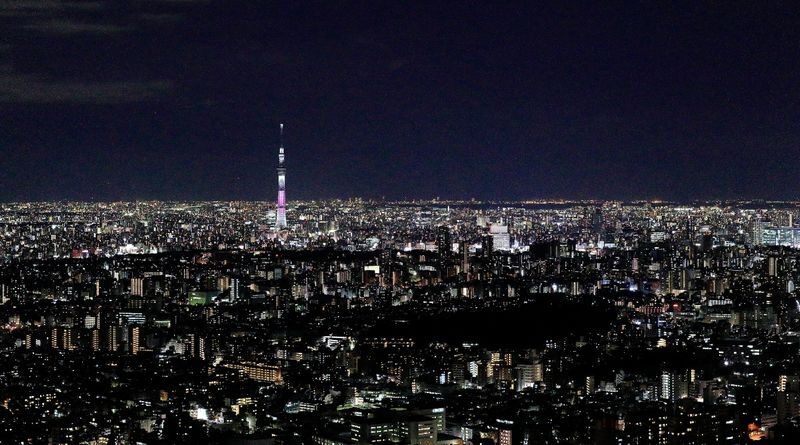
Timing shapes the experience. A daytime visit gives you a clearer sense of Tokyo’s scale and layout, especially if visibility is good. It is also the best time to try to identify distant sights, including Mount Fuji when conditions cooperate.
Late afternoon is a strong choice if you want more than one kind of view. Arrive while there is still daylight, then stay as the sun goes down and the city lights begin to appear. Sunset over Mount Fuji is a particular possibility on a clear day, but cloud cover can turn it into a regular city view. Treat the mountain as a lucky extra, rather than the whole reason to book.
The night view is a major draw. Tokyo’s lights give the skyline a different character, and the indoor setting means you can enjoy them while sitting or taking a break. If you arrive early in the evening, you may have to wait for full darkness. Build that time into your visit instead of expecting a night scene the moment you enter.
Opening hours are listed as Monday to Friday, 11:00 a.m. to 9:00 p.m., with last admission at 8:00 p.m. Hours can change, and special business hours may affect entry, so check the official website before setting out. Your voucher is valid only on its selected date, and re-entry is not allowed after you leave.
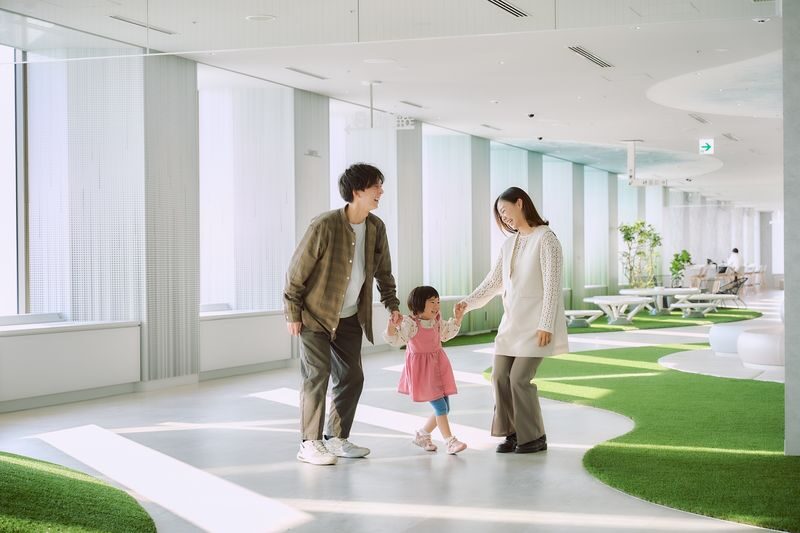
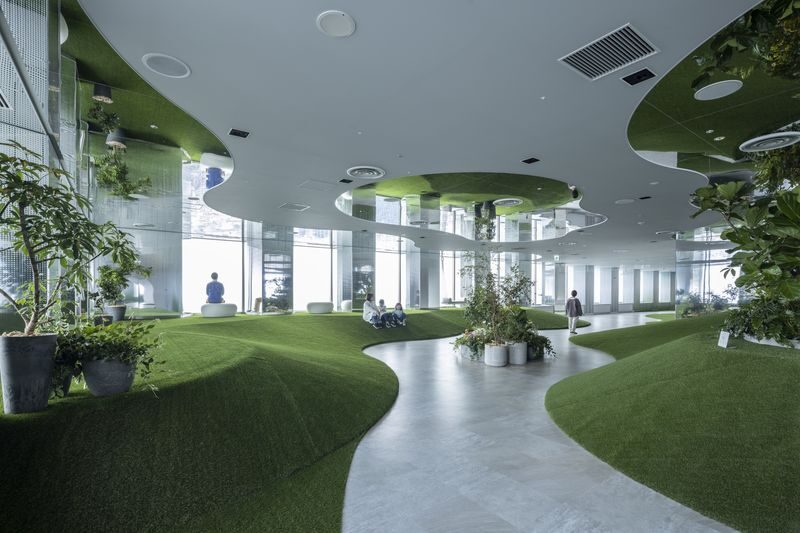
This is a place where you can take a breath rather than race from one feature to the next. There are places to sit, and a cafe offers the option of making the view part of a longer break. That matters in Tokyo, where sightseeing can involve plenty of walking and crowded transport. A seat and a drink can make the observatory feel like a pause in the day, not just another attraction to tick off.
The atmosphere can vary. Some visits feel quiet and comfortable, while the observatory can also draw families and children. The indoor environment is air-conditioned, which can be welcome after a warm day outside. If you are hoping for a quiet room all to yourself, keep expectations flexible, particularly when events are taking place.
A map inside points out the locations of attractions visible from the observatory. It can help you match the view with places you have visited or hope to see next. Even without knowing every landmark, you can use the skyline to get a sense of how Tokyo’s districts fit together.
Admission starts at $4.45, making this a relatively inexpensive way to get a high view of Tokyo. The exact price you see at booking may vary, so check the total before paying. At the starting price, the observatory is especially good value if you plan to spend time among the zones, enjoy the view at different times of day, or take a cafe break.
The value is less about reaching the highest possible viewpoint and more about what the visit includes for the cost. You get city views, several themed areas and virtual reality attractions in one indoor stop. It also offers a different choice if a more famous observation deck is too costly, too crowded or difficult to book at the time you want.
Do not choose it solely for a guaranteed Mount Fuji photo. Distant views rely on clear conditions, and weather can change what you see. Nor should you expect every virtual activity to be available: event closures can affect some areas. But if you want an affordable, flexible visit with plenty to look at, the price is easy to justify.
I would put this observatory high on the list for families, first-time visitors who want a broad view of Tokyo, and anyone looking for a comfortable indoor activity. The seven zones and VR rides give children more variety than a viewing floor alone, while adults can enjoy the skyline, sit down and take their time.
It also suits you if you are staying or spending time in Ikebukuro, since the observatory is inside Sunshine City and the nearest listed station is a short walk away. If you have only a brief window in Tokyo, its one-to-two-hour duration makes it easier to fit between other plans than a full-day outing.
For photographers, the best case is a clear late afternoon that continues into the evening. You get a chance at distant views in daylight and city lights after dark, without having to choose only one. If the forecast is poor, consider saving the visit for another day, especially if a distant view of Mount Fuji is your main goal.
Book Sunshine 60 Observatory Tenbou Park if you want a good-value indoor view of Tokyo, enjoy interactive attractions, or need a relaxed stop with places to sit. Plan for sunset and the night lights if your schedule allows, but check the weather and current hours first. If clear distant views are essential, wait for a promising forecast; if you simply want an easy, affordable look across the city, this is a practical choice.
“Wonderful experience and a breathtaking view!”
Plan on about one to two hours. You can make a shorter visit for the views or stay longer to explore the zones and take a break at the cafe.
It is on the 60th floor of the Sunshine 60 Building, 3-1-1 Higashi-Ikebukuro, Toshima-ku, Tokyo.
Take the Yurakucho Line to Higashi-ikebukuro Station. The walk from Exit 6 is about five minutes.
The listed hours are Monday to Friday, 11:00 a.m. to 9:00 p.m., with last admission at 8:00 p.m. Hours can change, so check the official website before your visit.
You may see Mount Fuji on a clear day, particularly around sunset. Clouds and haze can block the view, so it is not guaranteed.
The ticket includes admission to Sky Circus Sunshine 60 Observatory. Personal expenses, such as cafe purchases, are not included.
Yes. Open the voucher in the Klook app or website on your phone, with internet access, and show it to facility staff. Staff must process the ticket.
No. Re-entry is not allowed after you leave the venue.