Physical Address
304 North Cardinal St.
Dorchester Center, MA 02124
Physical Address
304 North Cardinal St.
Dorchester Center, MA 02124

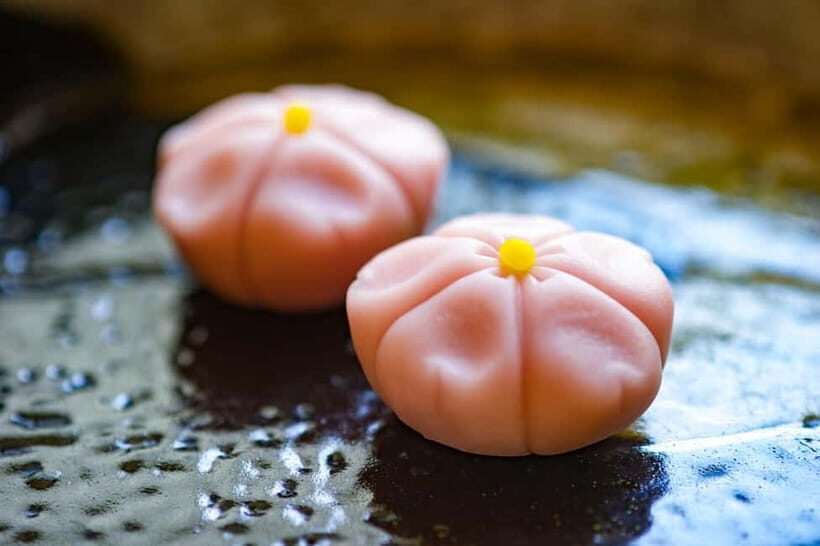
Make matcha by hand in Asakusa, learn its customs in English, and enjoy Japanese sweets in this relaxed one-hour class for $22.
Asakusa’s matcha class turns a familiar green drink into something you can make for yourself. You get a brief introduction to matcha and its customs, then whisk your own tea and enjoy it with Japanese sweets. I like the balance of explanation and practice: you leave with a better sense of what goes into the cup, not just a quick taste.
I also like that the session is in English, seated, and just one hour long. Instructors including Ken, Mana, Hayato, Honoka, and Midori have made the class lively and easy to follow, and solo visitors can share the table with other participants. The main consideration is its short length: this is a friendly introduction, not an extended tea ceremony or a deep course in Japanese tea.
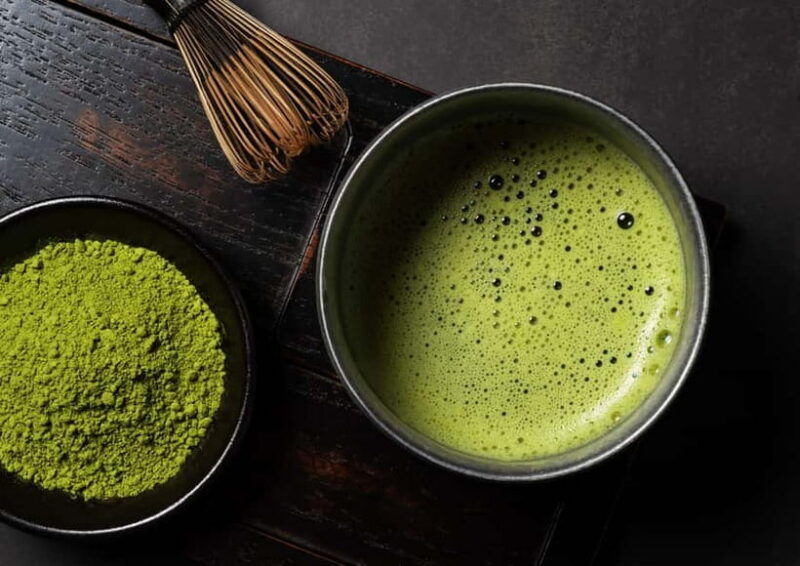
This is a small, focused activity that fits neatly between other plans in Tokyo. For about an hour, you learn a little about matcha, watch how it is prepared, make your own, and enjoy it with Japanese sweets. The emphasis is practical: you get to handle the tools and try the method yourself.
The location gives the class a useful setting. Asakusa is one of Tokyo’s best-known traditional districts, and the activity is close to Tokyo Skytree. You can pair the class with time in the area, though the class itself is indoors at Relink KAMINARIMON building, 6F, rather than a walking tour of Asakusa.
The experience is offered by Sushi Making Japan | Cooking Class in Japan, and the activity is described as a top-rated cooking class by Food Activity Japan. No cooking or matcha experience is needed. English-speaking local instructors guide the session, and solo participants and groups are welcome.
You might also be interested in these Tokyo experiences
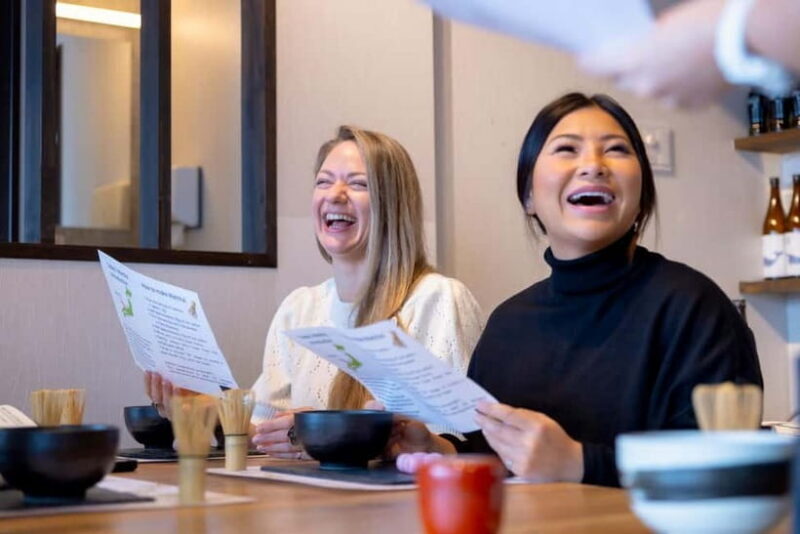
The class begins with an introduction to matcha history and culture, presented in an interactive, lighthearted way. A short quiz gives you a reason to pay attention and makes the background easier to remember. It is a good format if you enjoy learning, but would rather not sit through a long talk before getting to the hands-on part.
The background matters because matcha is more than powdered tea stirred into hot water. Instructors explain its origins and customs, and some sessions also cover tea etiquette. That context helps you understand why preparation matters, while keeping the lesson accessible to someone who has never made matcha before.
The class is concise, so set your expectations accordingly. You will get an introduction, not a full account of Japanese tea culture. If your main goal is to learn a few basics and make a cup yourself, that short format is a strength. If you want a long, formal tea ceremony, this is not presented as one.
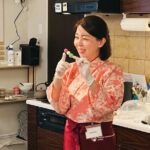
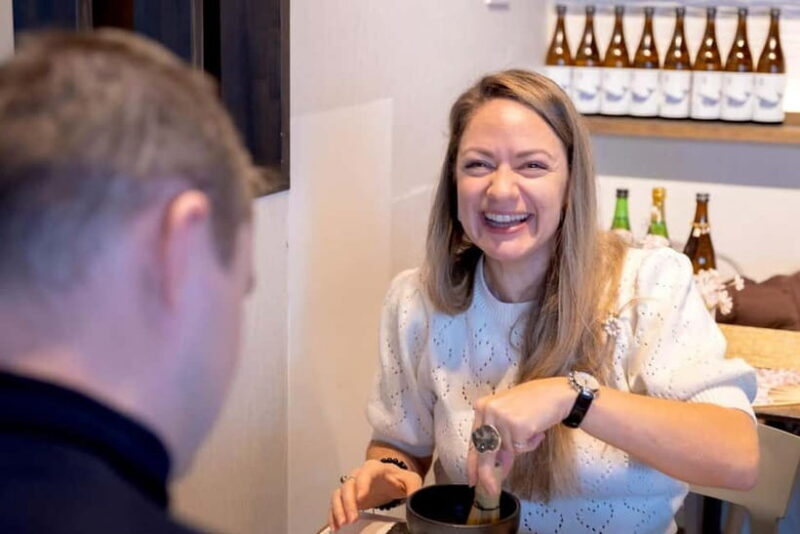
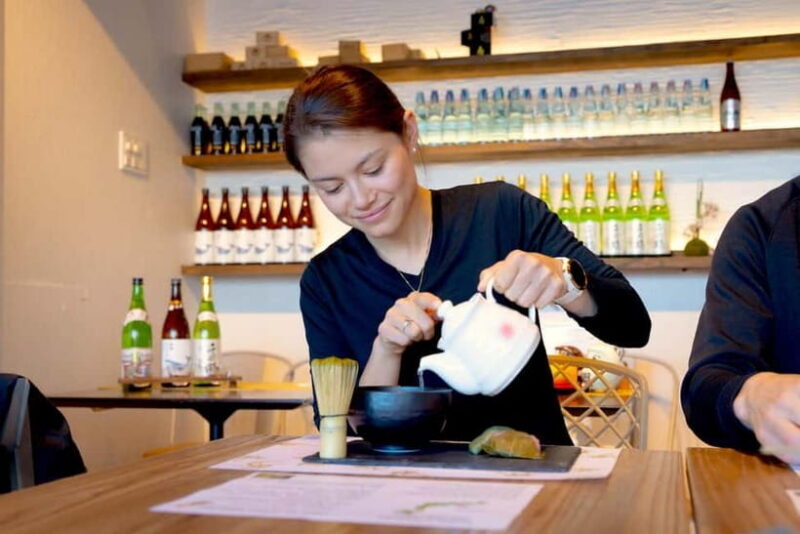
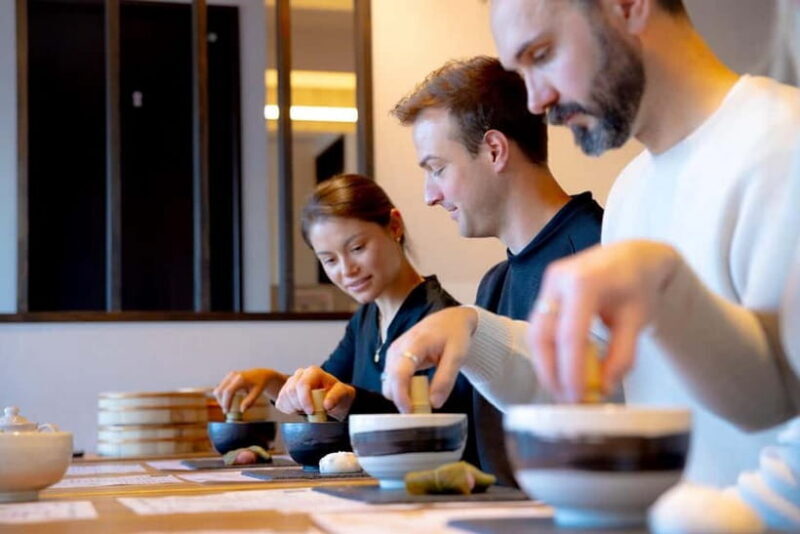
After the introduction, the instructor demonstrates how to prepare matcha. You then follow along and make your own. Traditional tools are part of the activity, and the session is designed for beginners, so you do not need to arrive knowing the correct movements or technique.
The hands-on portion is the heart of the class. It gives you a chance to notice the difference between watching someone prepare matcha and doing it yourself. Instructors such as Mana, Ken, Hayato, and Rino have been praised for keeping explanations clear and sessions relaxed. The named instructors vary, so you should not book expecting a particular person unless the provider confirms who is teaching your time slot.
The class also gives you a practical starting point for making matcha at home. You learn how to prepare it, and some participants have found the tips useful enough to repeat the process later. Equipment may be available to buy after the class, but it is not listed as part of the $22 price.
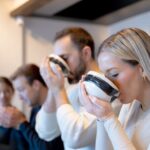
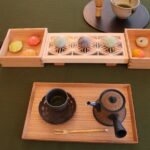
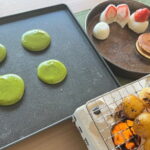
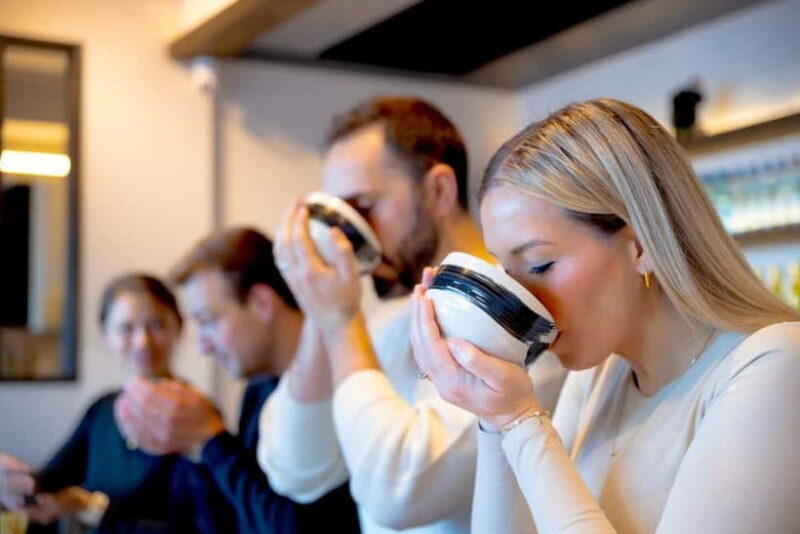
Once you have prepared your tea, you drink it with Japanese sweets. This is a simple but important finish: you get to taste the result of your own work and see how the sweet pairs with matcha’s distinctive flavor. The ingredients and instructor are included in the activity price.
The tea is served without sugar, according to one detailed account of the class. If you are used to sweetened matcha drinks, expect a different taste. That unsweetened cup is a useful introduction to matcha as tea, rather than as a flavored latte.
The sweets are part of the experience, not a full meal. The class description promises Japanese sweets with the matcha, but does not specify their type or quantity. If you are hungry, plan to eat separately before or after the session.
More Great Tours Nearby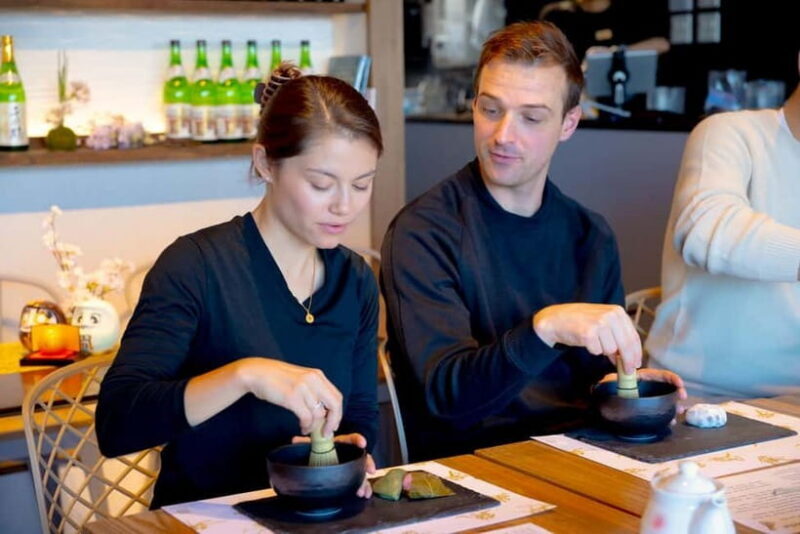
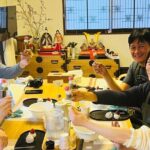
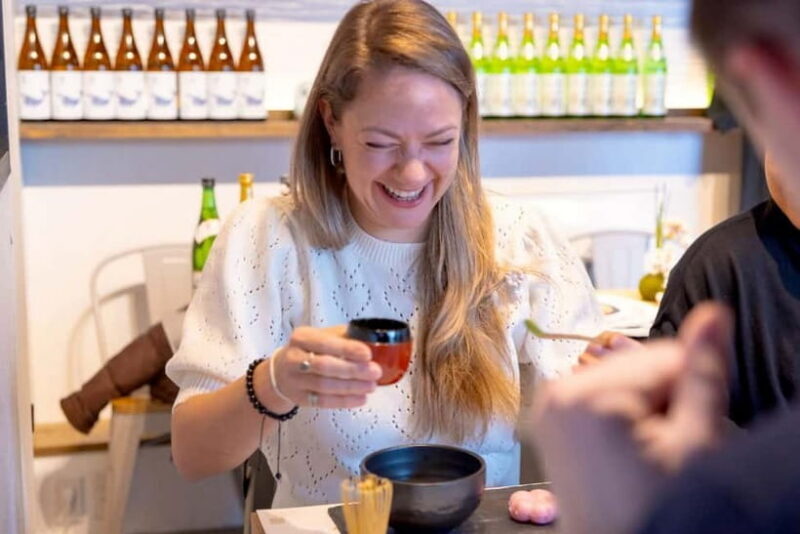
The instructors are a major part of the appeal. Names that come up across sessions include Ken, Mana, Midori, Hayato, Honoka, Yui, Moe, Miyu, and Rino. Participants have singled out the hosts’ humor, patience, and clear English explanations. The atmosphere is described as interactive and relaxed, which helps if you are unsure about joining a group on your own.
Solo visitors can meet people from other places while taking part in a shared activity. Families have also enjoyed the class, and one family with a 74-year-old mother and a 23-year-old son found it worked for both generations. Children have enjoyed it too, though no minimum age or child-specific details are provided.
The seated format is another practical plus. You do not need to kneel, and the activity is a welcome chance to sit down between sightseeing stops. The class is still a group activity, so if you prefer a private lesson or a quiet, formal setting, check the format before booking.
At $22 per person, this is a reasonably priced cultural activity with a clear beginning, middle, and end. The class, ingredients, and instructor are included. You get a short lesson, a demonstration, the chance to make matcha yourself, and a tasting with Japanese sweets.
The value is less about the quantity of food or the length of the session, and more about learning a skill in a local setting. You can get a cup of matcha at many places in Tokyo. Here, you also learn a little about its background and how to prepare it, which makes the tasting more meaningful.
One hour is easy to fit into a busy day, but it limits how much detail the instructor can cover. Treat this as an accessible first lesson, not a specialist workshop. Hotel pickup and drop-off are not included, though the meeting point is about a minute from Asakusa Station.
The meeting point is Relink KAMINARIMON building, 6F, at coordinates 35.710774, 139.7956532. It is listed as one minute from Asakusa Station. An advance message with directions has helped participants find the building, but give yourself time to locate the entrance and get upstairs.
The address makes the class easy to combine with a day in Asakusa or a visit to nearby Tokyo Skytree. The activity does not include transport or a hotel transfer, so you will need to make your own way there. Check the available start times when booking and leave room for your other plans.
The listed cancellation terms allow a full refund if you cancel at least 24 hours in advance. You can also reserve now and pay later, which may help if your Tokyo schedule is still taking shape.
Book this if you want a friendly, affordable introduction to matcha that includes both cultural context and hands-on practice. It suits first-timers, matcha fans curious about preparation, solo visitors, and families looking for a seated activity in Asakusa. The English instruction and one-hour length make it easy to add to a day of sightseeing.
Skip it if you are looking for a long, formal tea ceremony, an in-depth course, or a substantial meal. The format is brief and beginner-friendly by design. For $22, though, you get more than a tasting: you learn a few basics, make your own tea, and enjoy it with Japanese sweets in a convenient part of Tokyo.
“Nothing could be improved. The instructors were knowledgeable, and knew what they were doing. They were also very personable and funny and made the…”
The class lasts one hour. Check the available starting times when you book.
The listed price is $22 per person. The cooking class, ingredients, and instructor are included.
Yes. English-speaking instructors lead the activity.
Meet at Relink KAMINARIMON building, 6F. The address is about one minute from Asakusa Station.
No. The instructor demonstrates the preparation and guides you through making your own matcha with traditional tools.
Yes. You drink your matcha with Japanese sweets as part of the activity.
You can check availability for your dates here: