Physical Address
304 North Cardinal St.
Dorchester Center, MA 02124
Physical Address
304 North Cardinal St.
Dorchester Center, MA 02124

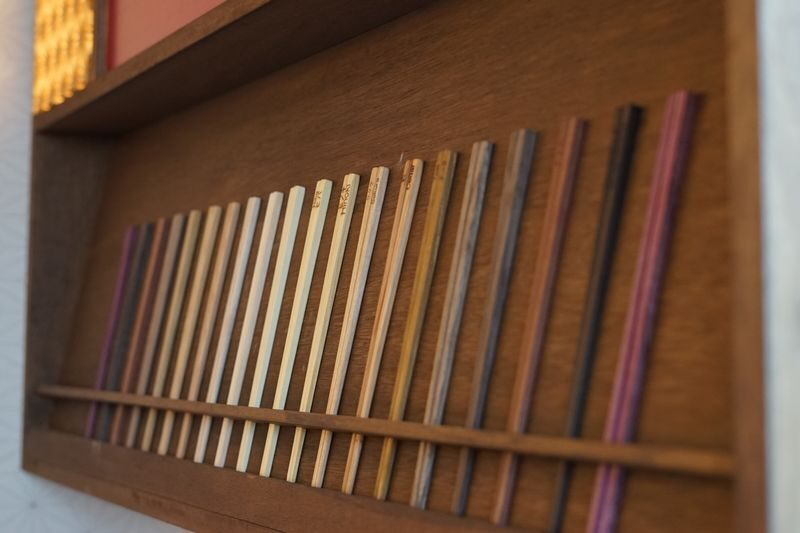
Make wooden chopsticks by hand in a one-hour Asakusa workshop, with English-speaking guidance and a useful souvenir to take home.
Making chopsticks by hand is a fine way to notice the care that goes into an everyday Japanese object. At Zen Craft Chopsticks Workshop in Asakusa, you spend an hour shaping and smoothing wood with traditional tools, then take home the pair you made yourself.
I like the hands-on craft and the chance to leave with a useful souvenir rather than another trinket. I also like that the workshop is set up for beginners, with English-speaking staff and patient guidance. One thing to plan for: the studio is on the 10th floor, and there is only one elevator, so arrive early.
Asakusa is known for temples and busy shopping streets, but this class offers a quieter change of pace. You step into a workshop, focus on a piece of wood, and spend an hour making something you can use at home. The activity is modest in scale, which is part of its appeal: it does not try to fill half a day or turn a simple craft into a grand production.
The workshop is at 禅 Zen Craft Chopsticks Workshop, on the 10th floor of Asakusa Tosei Building at 1-chome-27-2 Asakusa, Taito City. The listed meeting time is 15:00, with the activity ending at 16:00. That fixed hour makes it easy to fit around a visit to Senso-ji or a walk through the district, though you will want to allow time to find the building and get upstairs.
The location detail is worth taking seriously. One elevator serves the building, and it can be busy. I would arrive a little before the meeting time rather than count on a last-minute lift. The late-arrival rule is strict: if you are more than 15 minutes late, you may be asked to reschedule, since the next booking could be affected.
You might also be interested in these Tokyo experiences
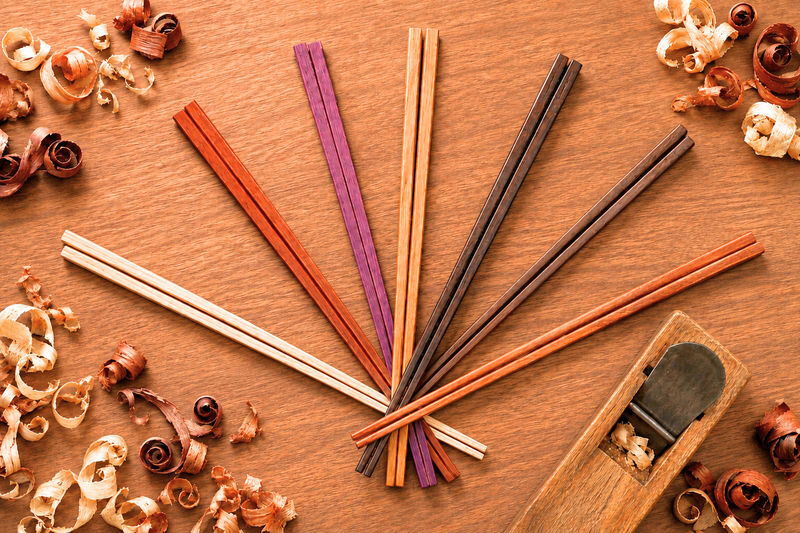
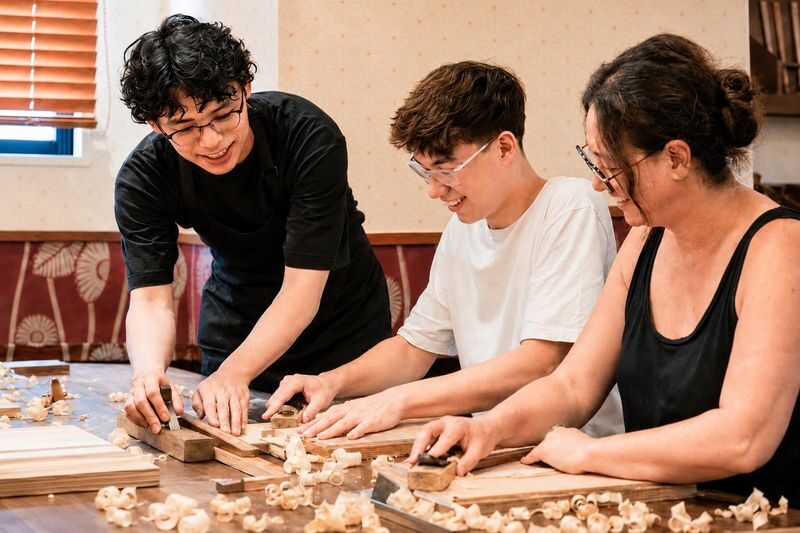
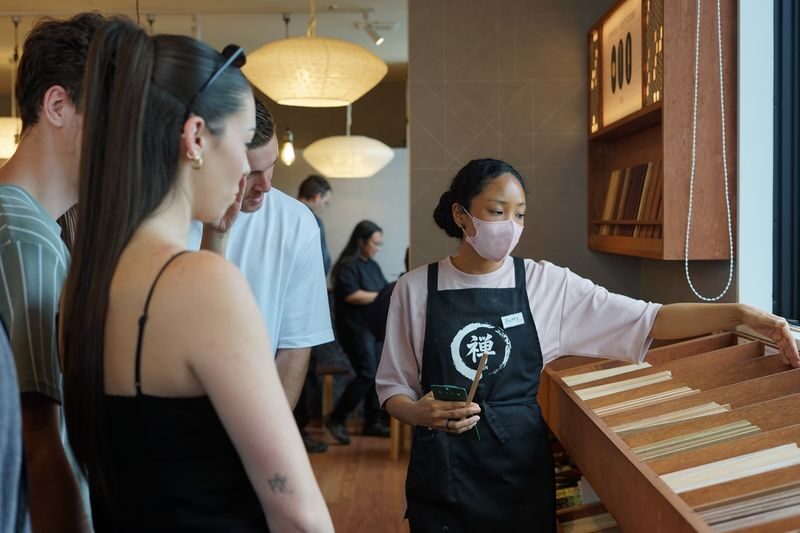
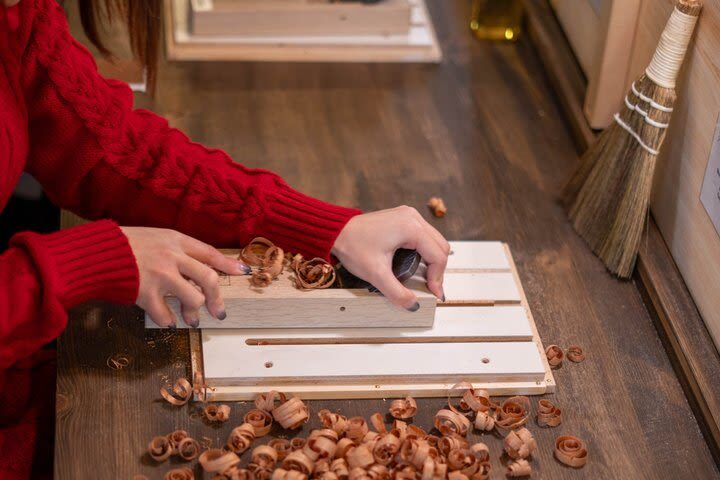
The class centers on making one pair of wooden chopsticks. A local instructor guides you through shaping, smoothing, and finishing the wood, using traditional tools and techniques. The point is not to arrive with craft skills. The process is intended for beginners, and the guidance keeps each step manageable.
Expect to pay attention to the small changes in the wood as you work. Shaping takes patience, and a little care matters when you want the pair to feel balanced and usable. The workshop description says you will learn how to shape, smooth, and finish the wood; accounts of the activity also describe choosing a type of wood and oiling the finished piece. Exact choices and finishing details may depend on the session, so check what is included when you book if a particular option matters to you.
English-speaking staff are included, and the instructor is there to demonstrate and guide rather than leave you to puzzle out the tools alone. Instructors named by people who have taken the class include Mai, Lika, Satoru, Hana, Erika, and Shirin. The staff member leading your session can vary, but the repeated praise for patient explanations is encouraging, particularly if you are making chopsticks with a child or are nervous about working with tools.
The finished pair is wrapped in a special cover, making it easy to bring home as a souvenir or give as a small present. That practical ending is a strong part of the experience. You are not just watching a demonstration; you leave with something you shaped yourself and can use at meals.
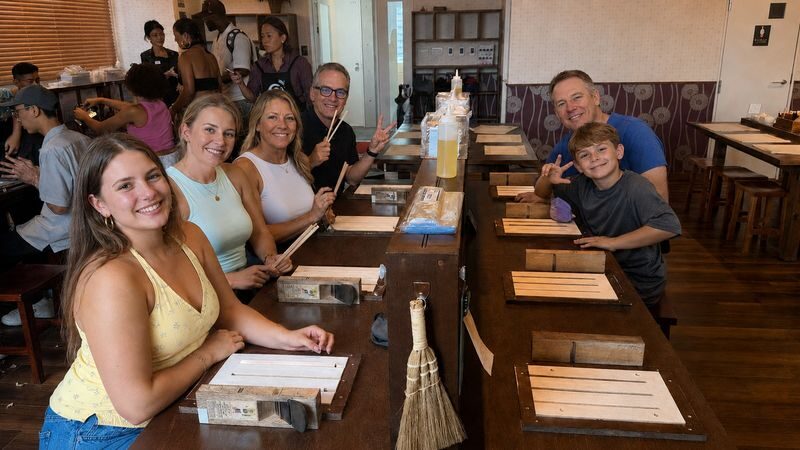
There is no age limit, and children aged 0 to 2 are free. Families may find this a welcome change from a day spent walking through crowded streets or looking at exhibits. The task is hands-on, and the instructor can help children follow each step. One eight-year-old was described as enjoying the activity, and another parent noted that their child could complete it with clear guidance.
Still, use your judgment about your own child. The session involves shaping wood with tools, so children need to listen to the instructor and work carefully. The provided information does not give a minimum age for participating independently or spell out a specific child supervision policy. If you are unsure, contact the provider before booking.
Couples, friends, and small groups can enjoy the shared task too. You can compare the finished pairs and have a tangible reminder of a day in Asakusa. The format also works for solo visitors: the instructor-led process gives you something to concentrate on without needing a companion to make the hour worthwhile.
The advertised starting price is $6.35, a low entry point for a guided activity that produces a handmade keepsake. The included items are admission to the chopstick workshop and English-speaking staff. Tips and gratuities are not included.
Treat the starting price as a guide, not a guarantee of your final cost. The supplied details do not explain whether every wood type, finish, or optional customization is included at that price. If you are comparing workshop options, check the exact package price and what it covers before confirming. The value here is less about the amount of time you spend and more about getting instruction, a focused activity, and a useful object to take home in one hour.
The activity is cashless. Visa, Mastercard, American Express, JCB, Diners Club, and Discover are accepted; cash is not. That is easy enough if you carry a card, but it is a detail worth knowing before you arrive.
The session is listed as a one-hour guided activity, with the 15:00 departure and 16:00 return time for the available option described here. It is a meet-up experience, not a transport tour. You make your own way to the workshop at Asakusa Tosei Building and meet on the 10th floor.
Because the workshop sits in a historic sightseeing district, it can fit neatly between other Asakusa stops. You might visit Senso-ji before the class, then take the hour as a calmer pause from the crowds. The studio is also a useful choice if you want an activity with a clear start and finish rather than a long excursion across Tokyo.
Keep the schedule in mind when planning the rest of your day. The booking is valid only on the selected date and time, and late arrivals of more than 15 minutes may be asked to reschedule. The activity information notes that schedules can change due to traffic and weather, although this is a meet-up workshop rather than a drive-based tour. Check your confirmed time and meeting details before setting off.

This is a short, focused workshop, not an in-depth course in Japanese woodworking. If you want a long lesson on the history of chopsticks or a broad tour of traditional craft, this hour may feel limited. The stated emphasis is on making your own pair, with context about craftsmanship woven into the process.
The activity also takes place indoors and follows a set time slot. You will not be wandering through Asakusa as part of the class, and you should not expect a full neighborhood tour. Its location gives you the option to explore nearby before or after, but that part is up to you.
Finally, customization details are not fully specified. Some participants have described personal touches such as engraving, but the package information does not list engraving as a guaranteed inclusion. Ask the workshop directly if that feature is important, and do not assume it is part of the base price.
Book the date and time that work for you, and make sure you attend the selected slot. Confirmation is normally sent within minutes; if it does not arrive, contact customer support. Free cancellation is available if you cancel at least 24 hours before the activity date, using local destination time.
Meet at 禅 ZEN Japanese Craft Workshop, Asakusa, in the Asakusa Tosei Building at 1-chome-27-2 Asakusa, Taito City, Tokyo 111-0032. The meeting point is on the 10th floor. Plan a little extra time for the elevator, and keep your payment card handy.
“Really nice and professional service”
The guided workshop lasts one hour. The listed 15:00 session ends at 16:00.
Meet on the 10th floor of Asakusa Tosei Building, 1-chome-27-2 Asakusa, Taito City, Tokyo 111-0032.
English-speaking staff are included. The activity information does not promise a specific instructor for each session.
No prior experience is stated as a requirement. The instructor guides you through shaping, smoothing, and finishing the wood.
There is no age limit. Children aged 0 to 2 can join free.
No. The workshop is cashless and accepts Visa, Mastercard, American Express, JCB, Diners Club, and Discover.
You may be asked to reschedule, because late arrivals can affect later reservations. Arrive early, especially since the building has only one elevator.
You can receive a full refund if you cancel at least 24 hours before the activity date, using local destination time.
Book it if you want a low-key, hands-on Asakusa activity and like the idea of bringing home a useful souvenir you made yourself. The one-hour format, English-speaking guidance, and beginner-friendly approach suit families, couples, and curious solo visitors. Skip it if you want a long craft course or a detailed neighborhood tour. For most people with a free hour nearby, it is a pleasant way to trade a little sightseeing time for a small piece of Japanese craft.