Physical Address
304 North Cardinal St.
Dorchester Center, MA 02124
Physical Address
304 North Cardinal St.
Dorchester Center, MA 02124

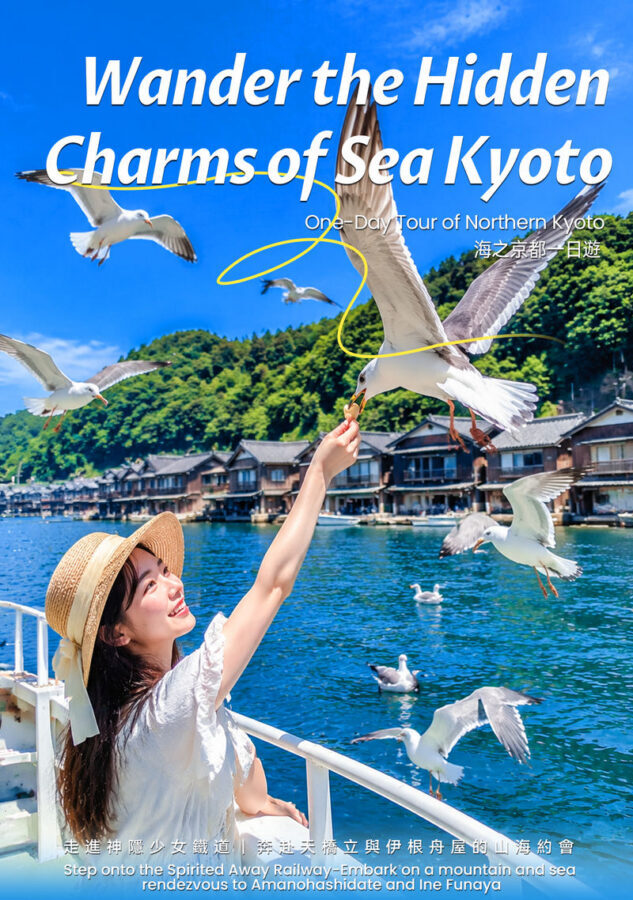
Ride Kyoto’s coastal train, see Amanohashidate from above, and explore Ine’s boathouses on an 11-hour trip from Osaka.
The appeal starts with a train ride over the Yura River Bridge, where the tracks appear to skim the water. From there, the day links Amanohashidate’s pine-lined sandbar with Ine’s working waterfront, a striking mix of famous scenery and everyday coastal life.
I like two things here: you get a high view of Amanohashidate from ViewLand, then see the sandbar at ground level, and you get time in Ine to wander among the boathouses or sit by the bay. Guides including Hu, Vivi, Joanna, and Harry have been praised for clear explanations and practical help, though the guide on your date may differ.
The trade-off is a long day with a tight schedule. The train can be crowded, and some departures have had little room to enjoy the view. Cable car and cruise tickets are not included in the lowest-priced option, so check your package before you book.
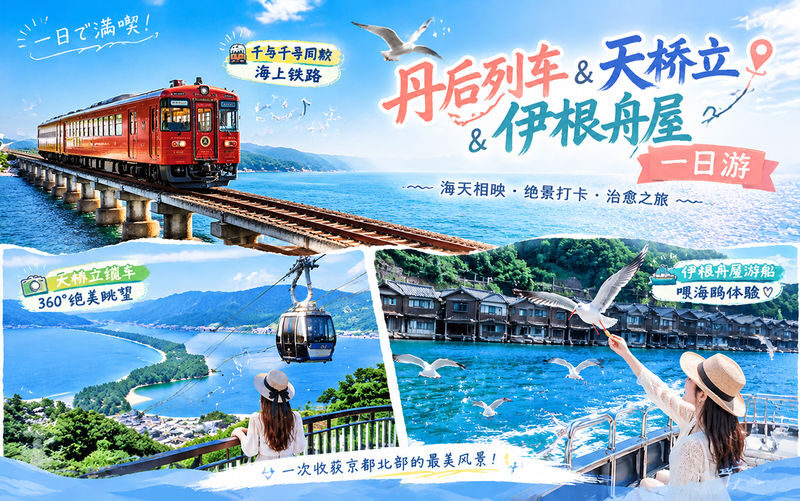
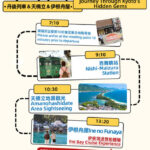
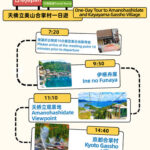
This is a full-day outing from Osaka, not a quick side trip. The departure is scheduled for 7:10 a.m., with the return to Osaka Kintetsu Nipponbashi estimated between 6:00 and 6:40 p.m. The drive north takes you away from the city and into northern Kyoto, where the day’s main attractions are spread across the coast.
The tour combines vehicle transfers with a train segment from Nishi-Maizuru Station toward Amanohashidate. That mix is part of its appeal: you get the convenience of a bus for the long distance and a short taste of the local rail line rather than spending the entire day in a vehicle.
Arrive at the meeting point at least 10 minutes early and look for the GOGODAY flag. The operator sends guide and vehicle details by email between 8:00 and 9:00 p.m. the night before. Check your spam folder, and rely on the latest message if more than one arrives. The tour is shared, and late arrivals cannot join for a refund.
The vehicle type depends on the group size, and you may share it with people using other languages. The guide is listed as English- and Chinese-speaking, but the quality of spoken explanations can vary by guide and group. Many visitors have appreciated guides such as Hu and Vivi for clear route advice, history, and food suggestions; a few have found briefings or translation less clear. If you need an explanation repeated, ask directly rather than assuming you heard the whole briefing.
Looking for more options in Miyazu? Here are some other experiences worth considering.
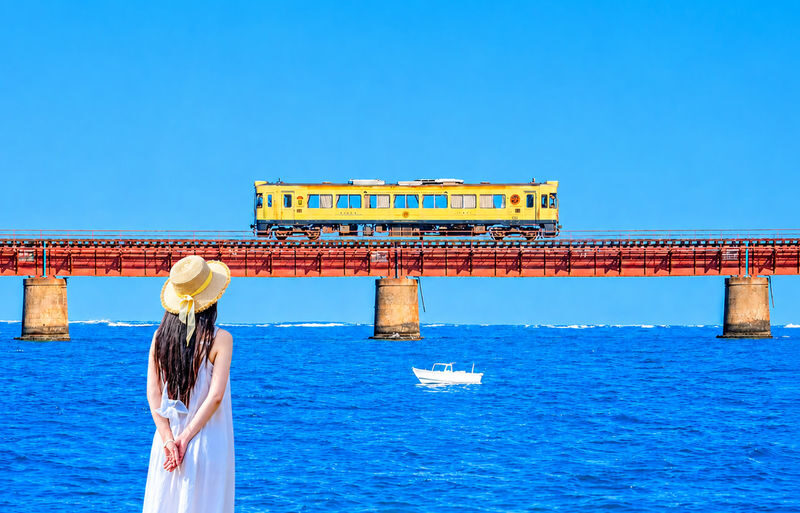
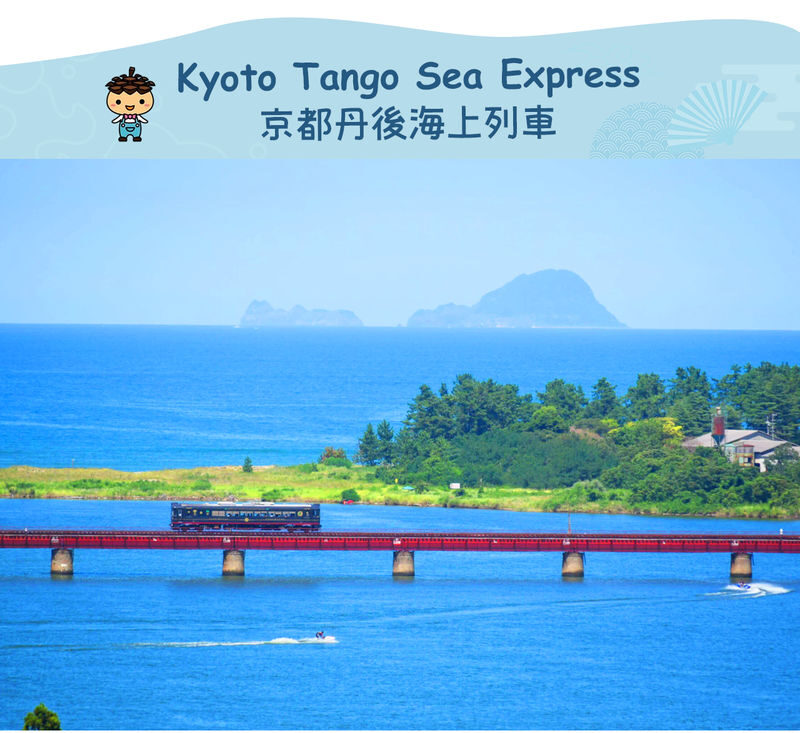
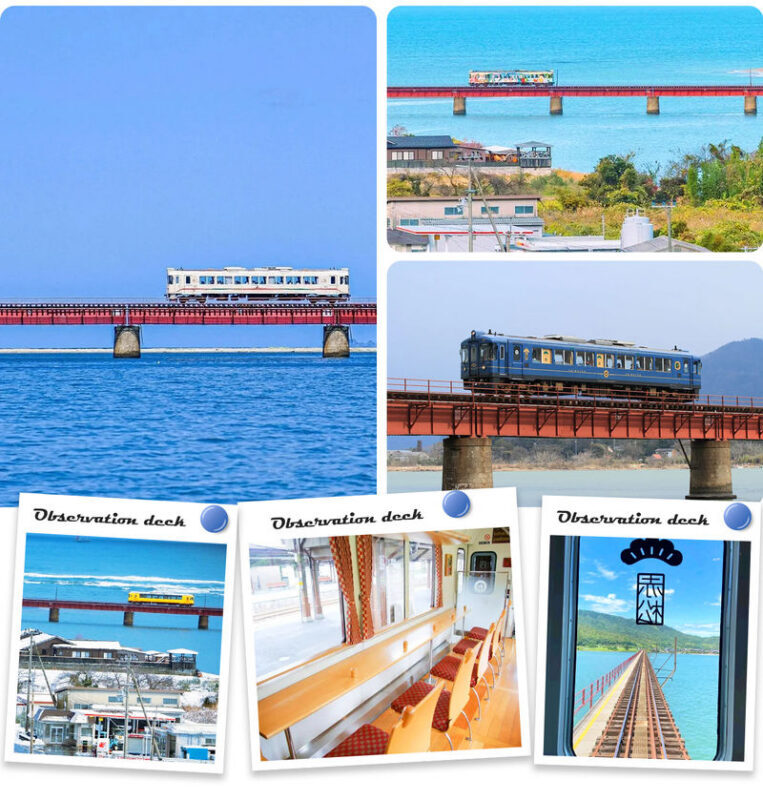
The rail section is a memorable idea, but it is best approached with realistic expectations. The train crosses the Yura River Bridge, where the rails seem to hang above the water and the coast opens around you. It is a fine moment for a window view, and the quieter scenery en route can be a welcome change from Osaka’s streets.
But this is not a guaranteed private carriage with a reserved seat and clear window for every person. The train may be shared with local passengers and other tour groups. Some people have found it crowded enough that standing room and photo opportunities were limited. If this rail crossing is your main reason for booking, know that the experience depends partly on the day’s passenger load.
The train ticket is included. The advertised rail service is a sightseeing train, but don’t assume that means a spacious, exclusive ride. Keep your expectations modest and enjoy the crossing for what it is: a short, unusual way to approach Amanohashidate. The schedule allows about 1 hour and 10 minutes for the rail segment, so follow the guide’s instructions about boarding and where to meet afterward.
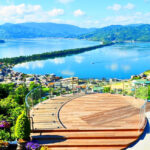
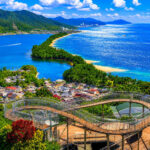
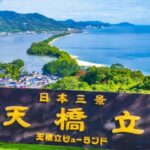
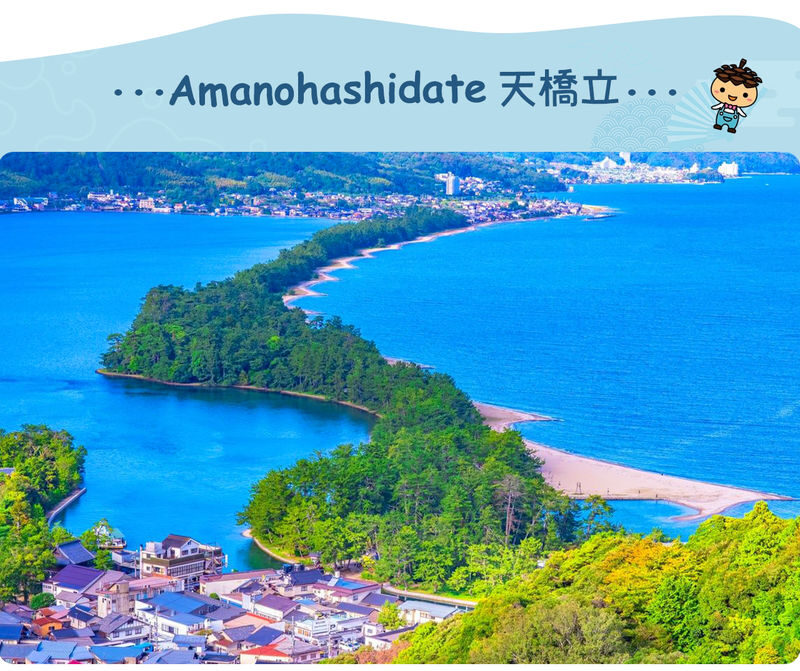
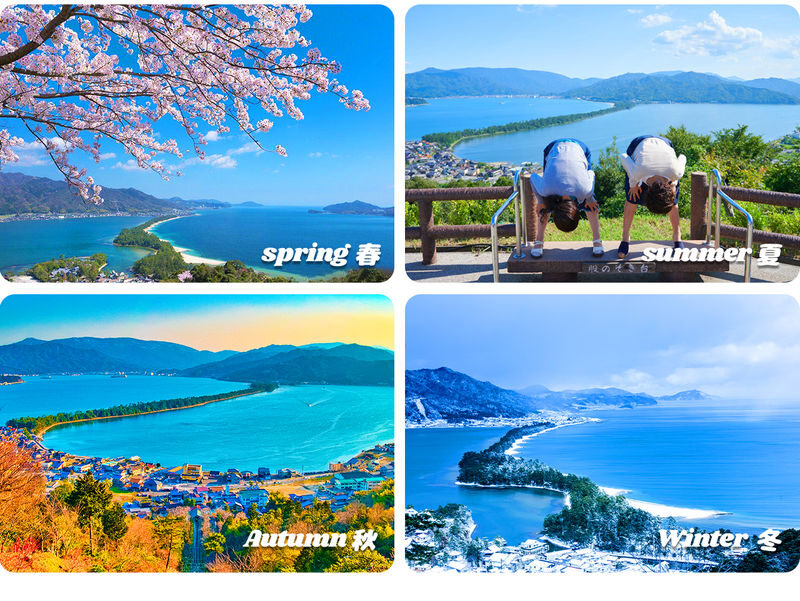
Amanohashidate is the day’s headline stop. This long sandbar, edged by white sand and covered with pines, divides the sea and is counted among Japan’s Three Scenic Views. From the ground, the scale and shape are hard to take in at once. From ViewLand, high above Miyazu Bay, the sandbar’s line becomes clear.
The viewpoint is known for a playful local way of looking: bend forward and view the sandbar between your legs. From that angle, it can resemble a dragon rising toward the sky. It is a simple bit of fun, but it also gives you a different perspective on the narrow strip of land connecting the views across the bay.
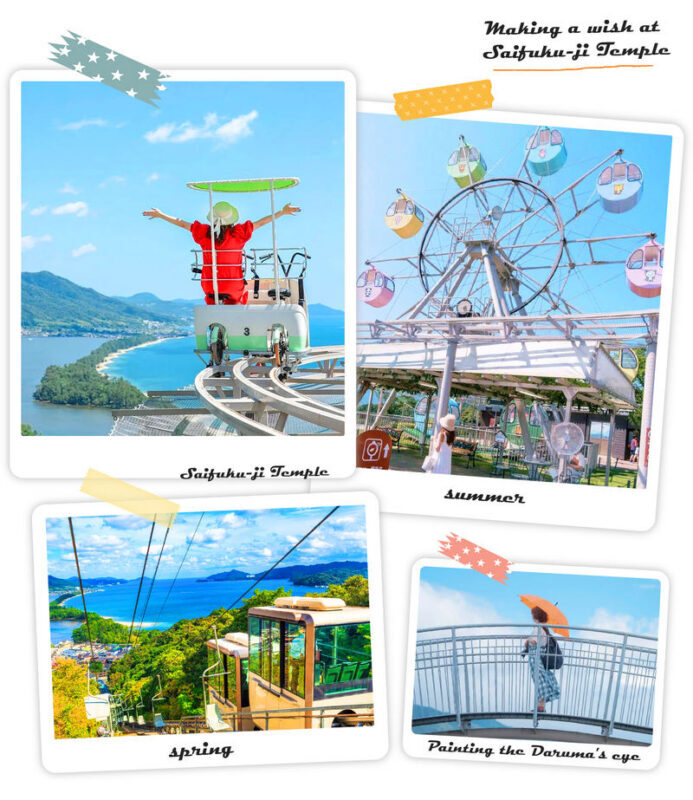
The cable car is an extra in the lowest-priced package. A second option includes both the cable car and the Ine sightseeing cruise, which can make planning easier and may spare you from buying tickets on site. If you choose the package without it, budget for the ticket separately. The tour’s free time here is about 2 hours and 20 minutes, and that has to cover your preferred combination of viewpoint, temple, lunch, and time near the sandbar. You may need to choose rather than linger everywhere.
At ground level, stroll along the sandbar entrance or spend time by the beach. The pine forest and pale shore give the place a quieter character than the viewpoint’s big panorama. If you want to walk farther along the sandbar, keep an eye on the clock; the group has another coastal village to reach.
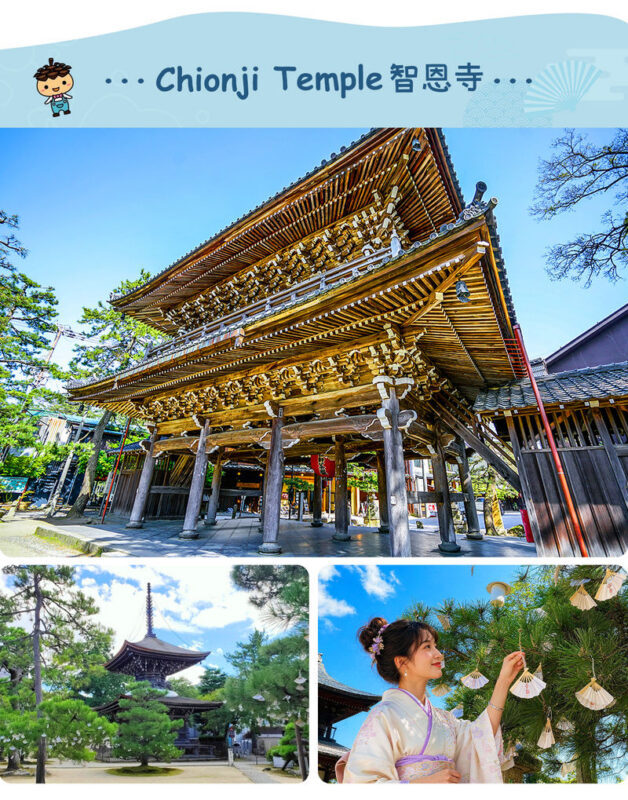
Chion-ji Temple sits near the entrance and makes a worthwhile pause for a different kind of perspective. It is associated with prayers for wisdom and good fortune. The temple’s Circle Stone Lantern of Wisdom and the nearby Wisdom Mochi are small details that give this stop a local focus beyond the famous view. The revolving Kaisen Bridge is another good reason to slow down briefly and watch. Since time is limited, ask your guide where and when to regroup before you wander.
After Amanohashidate, the tour moves to Ine, a fishing village whose funaya line the water’s edge. These distinctive boathouses have boat storage at water level, with living space above. Seen from shore, they form a close row along the bay, backed by green hills. The setting feels more intimate than the open view at Amanohashidate, and the village’s daily connection to the sea is the main attraction.
You have about two hours here. That is enough for a short walk, a look from Ineura Park, a stop at Ine Cafe or Funaya Biyori, and possibly a boat cruise, but not necessarily all at a leisurely pace. If your priority is a cafe break, allow time to find a seat and enjoy the view instead of trying to fit in every activity.
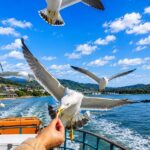
The Ine Bay sightseeing boat is not included in the basic package. You can buy a ticket on site, but availability depends on the day’s passenger numbers, so there is no guarantee you will get aboard. The package that includes the cruise is the safer choice if the boat ride matters to you. From the water, you can see the boathouses from close by and, when conditions and wildlife allow, feed seagulls. Keep the feed put away if eagles appear; they may swoop down, and the operator advises you to stop feeding the gulls immediately.
Ine is also where the tour’s pace can feel rushed. If you want a slow cafe visit, a cruise, and time to wander, decide in advance which matters most. The village is not a large set of ticketed sights to tick off; its pleasure is in looking along the bay, noticing the houses, and taking a quiet pause by the water.
Prices start at $51.19, but the lowest option includes the train, round-trip transfers from the Osaka meeting point, and a guide, not the ViewLand cable car or Ine cruise. Meals, drinks, and personal spending are also extra. The package that adds both the cable car and cruise costs more, so compare the total rather than judging value by the starting figure alone.
For a day trip covering places that take time to reach from Osaka, the transport and route planning are the main value. You do not have to coordinate the train, local transfers, and return journey yourself. A guide can also explain where to go and how to use your free time, with particularly strong praise for guides who give clear directions and recommend food stops.
The cost can rise once you add tickets and lunch, but booking the inclusions together may be worth it if you want to avoid arranging the cruise and cable car on the day. If you are content to see the coast from ground level and skip the boat, the lower-priced option keeps the basic outing more affordable.
This tour suits you if you want to see two very different coastal settings in one day without piecing together several transport connections. It is especially useful if you are staying in Osaka, value a guide’s practical help, and are happy to move at a group pace. The mix of rail, temple, viewpoint, village, and water gives the day variety without requiring you to plan each transfer.
It is less suited to anyone who wants a slow visit or plenty of time for long walks. Amanohashidate and Ine are both worth lingering over, but the schedule gives you a sample of each rather than a deep, unhurried visit. Families should note that children aged 3 and older pay the adult rate, infants aged 0 to 2 ride free only if they do not need a separate seat, and child seats are not available.
The tour accommodates groups of 1 to 48, so group size and the day’s vehicle can affect the feel of the outing. One piece of luggage per person is allowed, but you need to note it when booking. The tour also requires advance notice for infants without seats. These details matter on a long shared trip, so make sure your booking reflects everyone and everything coming along.
Book it if you want an efficient first look at Amanohashidate and Ine, and the thought of arranging the rail and road connections yourself sounds like more work than fun. Choose the package with the cable car and cruise if those are central to your day, since on-site boat tickets can sell out and the viewpoint ticket costs extra.
Skip it if your ideal day means unhurried walks, a guaranteed seat on the train, or a long cafe stop. The coastal sights are the reward, but the long drive and compact schedule are real parts of the bargain. Go in with a short wish list, listen closely to the guide’s meeting instructions, and leave your Osaka evening free in case traffic pushes the return later.
“Tour guide Vivi is very attentive, and the explanations in both Chinese and English are very clear!”
The tour runs for about 11 hours. Departure is scheduled for 7:10 a.m., and arrival at Osaka Kintetsu Nipponbashi is estimated between 6:00 and 6:40 p.m. Traffic and weather can affect the return time.
Not in the lowest-priced package. One package includes the train only, while another includes the train, cable car, and Ine Bay sightseeing cruise.
The cruise is not included in the basic package. You can buy a ticket on site, but availability depends on passenger numbers that day. A package that includes the cruise is also offered.
The tour includes round-trip transfers from the meeting point, an English- and Chinese-speaking guide, and admission to the Tango 233d sightseeing train. Meals, drinks, personal expenses, and, in the basic package, the cable car and cruise are extra.
The tour meets in Osaka at 7:10 a.m. The guide will hold a GOGODAY flag. Arrive at least 10 minutes early and check the email sent the evening before for the guide and vehicle details.
Yes. Children aged 3 and older are charged the adult rate. Children aged 0 to 2 can join free if they do not occupy a separate seat, but infants must still be included in the passenger count and noted when booking. Child seats are not available.