Physical Address
304 North Cardinal St.
Dorchester Center, MA 02124
Physical Address
304 North Cardinal St.
Dorchester Center, MA 02124

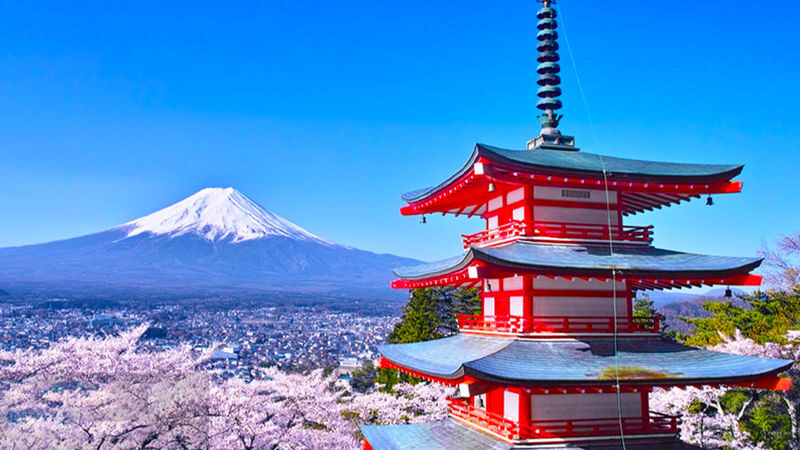
Compare views, stops, timing, costs, and practical details on this Mount Fuji day tour from Tokyo, including Kawaguchiko and Chureito Pagoda.
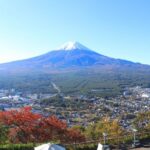
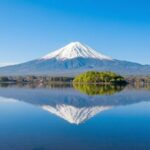
Mount Fuji is the star, but this day trip gives you several different ways to see it: from above Lake Kawaguchiko, beside the red Chureito Pagoda, and at the end of an ordinary Fujiyoshida street. I like that range of views, and I like that the Tenjozan cable car ticket is included, so the first big viewpoint is built into the price rather than left as a surprise expense.
The trade-off is a long, tightly timed day. Fuji can hide behind cloud, the park stairs take effort, and weekend traffic can push your return well past the estimated 6 p.m. arrival. Come for the variety and the convenience, not a promise of clear skies or a leisurely visit at every stop.
This tour makes sense if you want to see several well-known Fuji-area sights in one day without working out the train connections yourself. The stops are varied: a ropeway viewpoint, a lakeshore park, a shrine and pagoda, and two Fujiyoshida photo spots. That variety is the strongest reason to choose it over a trip built around just one town or viewpoint.
The other side of that convenience is pace. Most stops last between 20 and 90 minutes, and the schedule can be reordered or shortened if traffic, weather, or capacity gets in the way. Think of it as a guided sampler, with time to take photos and look around, rather than a day for lingering over lunch or wandering every side street.
The trip is listed at about 10.5 hours, with departure from Tokyo in the morning and an estimated return around 6 p.m. The actual drive can take longer, especially on weekends and public holidays. Keep your evening plans flexible rather than booking a timed activity back in Tokyo.
You might also be interested in these Minamitsuru experiences
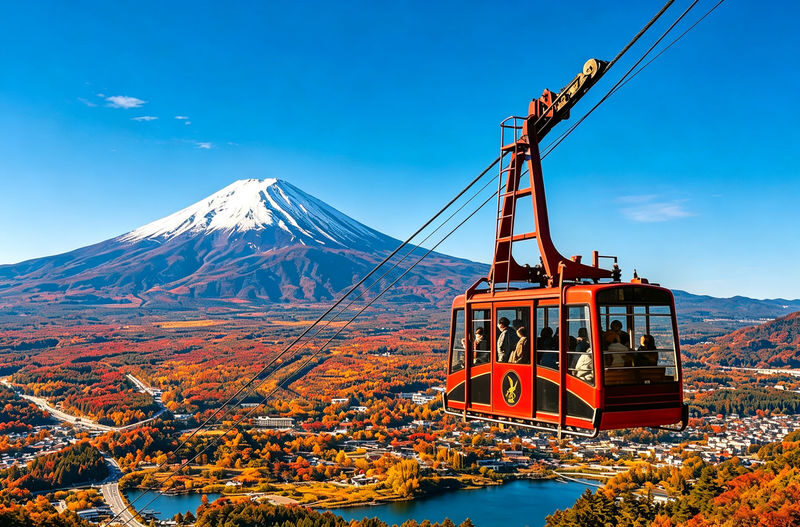
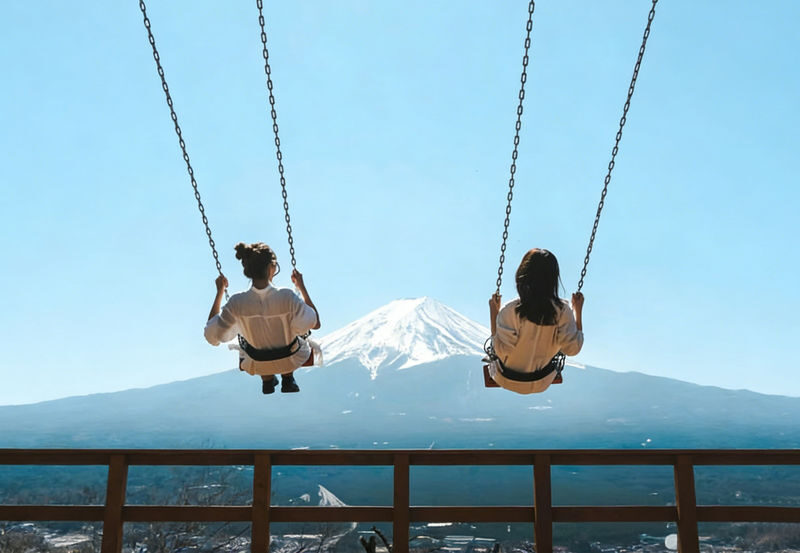
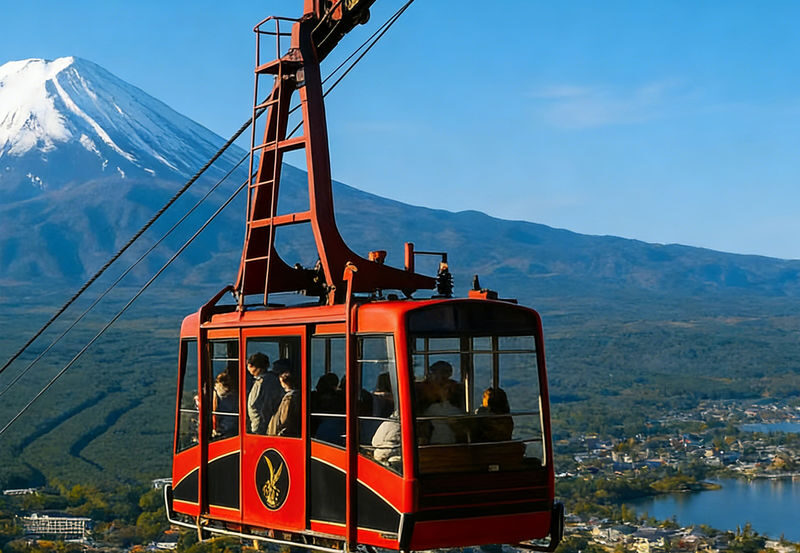
The first major stop is Kawaguchiko Tenjozan Park, reached by the Tenjozan ropeway. The ride takes you up to an observation area above Lake Kawaguchiko, where the view can bring together water, town, and Mount Fuji in one sweep. The included cable car ticket is a useful part of the package, and the elevated viewpoint gives you a different perspective from the lakeside stops later in the day.
Clear weather makes a major difference here. Fuji is often covered by cloud, and even a well-planned visit cannot control what the sky decides to do. If the mountain is obscured, the lake and surrounding scenery still give you something to look at, but the famous full panorama may not appear.
The visit is scheduled for about 90 minutes, which allows time for the ride and a look around, though queues or crowding can affect how much time you have at the top. The ropeway is scheduled to be closed from May 11 to July 15, 2026, and December 7 to December 18, 2026. If it is shut, the tour may substitute a Tenjo-san boat cruise or refund 600 yen per person for the cable car.
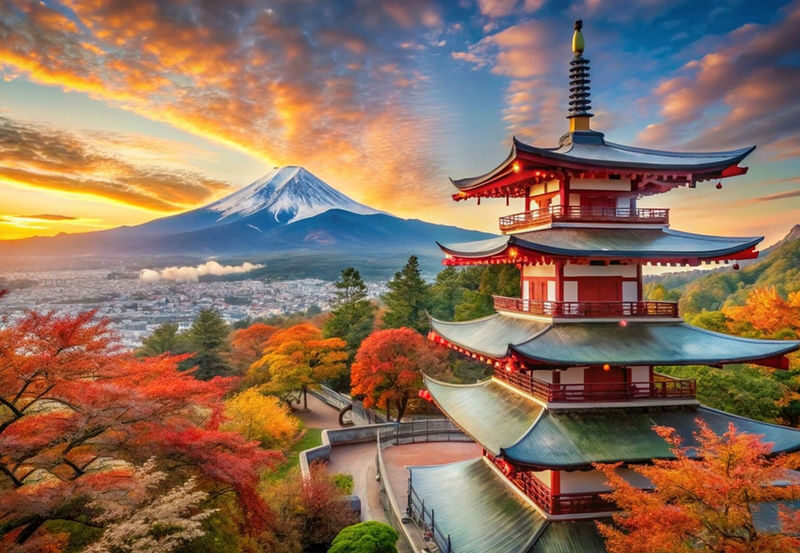
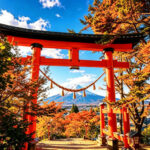
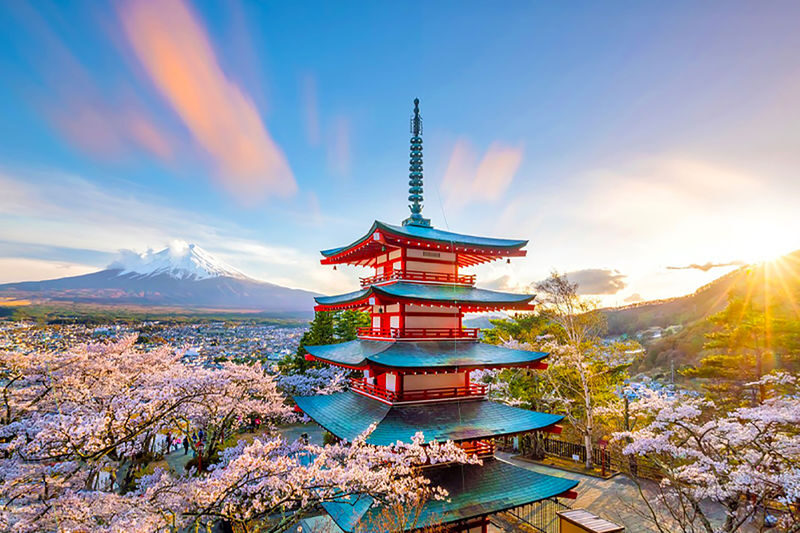
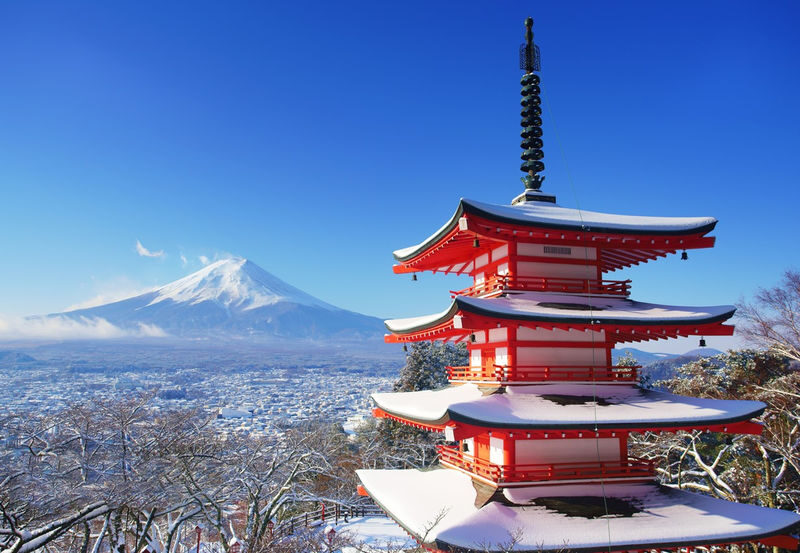
Arakurayama Sengen Park is the stop for the classic composition of Mount Fuji behind the red five-story Chureito Pagoda. The park also includes Arakura Fuji Sengen Shrine. In spring, cherry blossoms can frame the view; autumn brings changing leaves. The scenery depends on the season and the weather, but the pagoda and mountain make this a rewarding stop even when the flowers are not at their peak.
There is a practical catch: reaching the upper viewpoint requires climbing many stairs. The route can be tiring, and there is no lift facility noted for this location. If you have limited mobility, are travelling with a very young child, or simply do not fancy a steep climb, decide in advance how far you want to go. The stop is scheduled for about 90 minutes, but that time also has to cover the climb, photos, and the return to the vehicle.
The guide may switch the order of stops to make better use of the weather. One guide, Yuri, was praised for moving the pagoda visit to the morning and saving the ropeway for later, giving the group two chances at a clear Fuji view. That kind of flexibility is valuable, but the day still follows a shared schedule.
Lunch is not part of the price. The guide may suggest a restaurant, and the group can choose whether to eat there; convenience-store bento or food brought from home are also options. The meal stop and its timing may change, and it can be dropped if most people do not want to eat or traffic has disrupted the schedule.
I would bring a small snack and have a rough lunch budget ready. That gives you a fallback if the group’s preferred option does not suit you or the stop is shorter than expected. Sealed light snacks and unopened drinks may be carried on the bus, but eating inside the vehicle is prohibited.
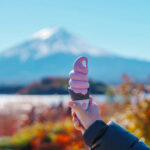
Some guides have helped visitors order meals and recommended local treats, including lavender or maple ice cream around Kawaguchiko. Those suggestions can make a quick break more enjoyable, but food and drinks remain your own expense.
The Hikawa Clock Shop stop is in Fujiyoshida’s old-town area, where a straight street, shopfronts, and utility poles line up toward Mount Fuji. It is a different kind of photo stop from a park or lookout: the mountain appears as part of the town’s daily setting, rather than as a distant wilderness view.
You have about 20 minutes here, enough for a few photos and a short look along the street. It is not a full old-town walking tour, so keep your expectations modest. The appeal is the contrast between the familiar streetscape and the scale of Fuji beyond it.
The Lawson convenience store beneath Mount Fuji is a popular photo location because it puts a recognisable modern storefront in the same frame as the mountain. The stop lasts about 20 minutes, so it is best treated as a quick snapshot rather than a shopping break.
Because this is a well-known photo spot, it may be busy. Follow the guide’s directions, watch the time, and be considerate around the store and street. The scene is striking when Fuji is visible, but cloud can remove the main feature of the composition. A convenience store can still sell you a drink or snack, though the stop is too short for a long browse.
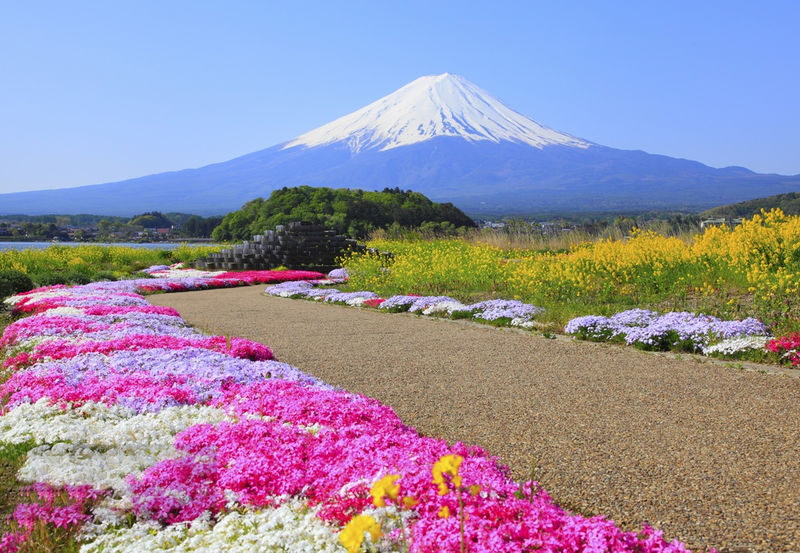
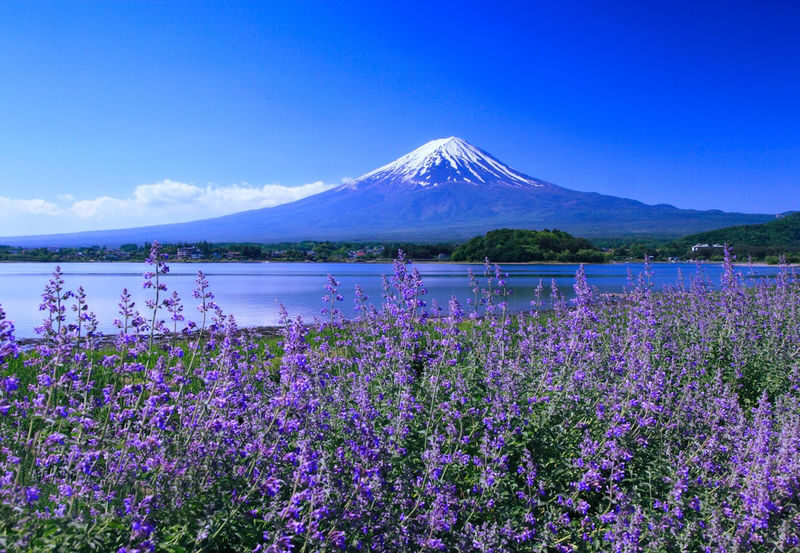
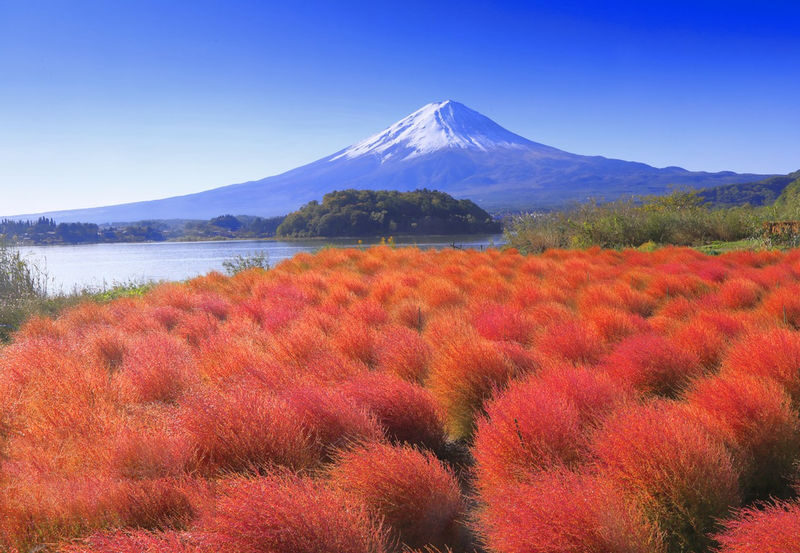
Oishi Park sits by Lake Kawaguchiko and offers another lakeside angle on Mount Fuji. Its flower displays change through the year, with cherry blossoms in spring, lavender in summer, autumn colour, and winter snow creating different moods. The scheduled visit is around 40 minutes, enough for a lakeside stroll and photos, but not a long park ramble.
The tour changes this stop during two seasonal periods. From March 28 to April 12, it goes to the Lake Kawaguchiko Cherry Blossom Festival instead. From October 20 to November 23, the Maple Corridor replaces Oishi Park. Flower and leaf timing varies with natural conditions, so the calendar dates do not guarantee peak colour.
Oishi Park is also one of several stops where Fuji visibility matters. If the mountain is hidden, the lake and seasonal plants still offer a pleasant pause, but the view will not match the postcard image. A guide may adjust the order to take advantage of a clearer spell.
The tour is a shared ride, with the vehicle assigned according to the number of people. Groups under 12 use a vehicle with fewer than 14 seats and may have a driver but no separate guide. For groups above 12, the arrangement is one driver and one guide. That distinction matters if you are counting on commentary or help coordinating each stop.
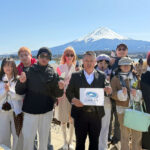
Guides named in feedback include Yuri, Serina, Tommy, Aoki, Ariel, and Yuki. The strongest praise centres on clear directions, upbeat explanations, practical help, and taking family or couple photos. Some visitors also describe tours in English and Mandarin. The language and style can vary with the guide, so do not assume a particular guide or language pairing unless confirmed for your date.
Good coordination is especially useful on a day with several short stops. Keep your phone available, listen for the meeting time and vehicle details, and be ready to return promptly. The guide waits no more than five minutes for late arrivals, after which you may have to make your own way to the next stop, with no refund for missed time.
At a starting price of $49.29, this is an economical way to connect several Fuji-area stops in one day, especially if you value not having to plan the transport between them. The cable car ticket is included, and the route covers viewpoints and photo locations that would take more effort to link by public transport on a tight schedule.
The fare does not include lunch, drinks, personal spending, tips, or travel insurance. Add those costs when comparing it with other day trips. The value also depends on what you want: it is strong for variety and transport convenience, less compelling if you want long visits, a guaranteed clear view, or a quiet trip away from popular photo stops.
The schedule’s flexibility can help the day work better, but it can also mean changes or reduced visits when traffic, weather, or crowd levels intervene. That is a fair trade-off for a shared trip covering this much ground, as long as you book with realistic expectations.
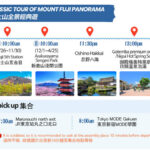
There are two Tokyo meeting options. The Tokyo Station meeting is at the Marunouchi North Exit at 7:20 a.m., with departure at 7:30. The Shinjuku meeting is at the entrance of Mitsui Sumitomo Bank, Shinjuku West Exit, at 7:50, with departure at 8:00. Arrive 10 minutes early; late arrivals and no-shows are not refunded.
The operator sends meeting and vehicle details, including the guide information, the day before. Check your email and spam folder, and keep your phone accessible. If you use LINE, the operator says it will email a group link for you to join.
Wear shoes suitable for walking and stairs, and carry any medication or personal items you need for the day. The activity is not recommended for people with high blood pressure, heart disease, acrophobia, asthma, epilepsy, or pregnancy. Seniors aged 65 and older must be healthy enough for the trip and accompanied by someone aged 22 or older.
Children count toward the passenger headcount. Children over two pay the adult fare; children under three may ride free without a seat, but the operator must be notified ahead of time. A child under two who needs a seat must have a paid ticket. Large luggage should be disclosed when booking.
Weather and road conditions can alter the route, reduce stop times, or delay the return. Weekend and holiday traffic may add two to five hours, so leave your evening open. The tour does not include travel or accident insurance.
Book it if you want a convenient, photo-focused day with several distinct Fuji views and a cable car ticket included. It is particularly useful if you are based in Tokyo, want transport handled for you, and are happy to move at a group pace. The guides’ practical help and willingness to adjust the order can make a crowded day easier to manage.
Think twice if stairs are a concern, you dislike fixed stop times, or a clear view of Fuji is essential to justify the cost. The mountain may be hidden, and the return time can slip. If you can accept those limits, this trip offers a good range of lakeside, town, and pagoda scenes for a modest starting fare.
“Got good photos from Guide Aoki! Recommended all for the trip!!!”
The tour lasts about 10.5 hours. The listed schedule runs from a morning departure to an estimated 6 p.m. return, but traffic and weather can delay arrival.
You can meet at Tokyo Station’s Marunouchi North Exit at 7:20 a.m. or at the entrance of Mitsui Sumitomo Bank, Shinjuku West Exit, at 7:50 a.m. Arrive 10 minutes before your departure time.
Yes. The package includes admission to the Tenjozan Park cable car.
The tour may substitute a Tenjo-san boat cruise or refund 600 yen per person for the cable car. The ropeway is scheduled to be closed from May 11 to July 15, 2026, and December 7 to December 18, 2026.
No. You can bring food, buy a convenience-store meal, or choose a restaurant recommended by the guide. Meal arrangements and timing may change.
Reaching the upper observation point involves climbing many stairs. The location has no lift facility noted, so consider your mobility and comfort with stairs before booking.
No. Weather can obscure the mountain. The guide may change the order of stops according to conditions, but a clear view cannot be guaranteed.
All children and infants must be included in the passenger headcount. Children over two pay the adult price; children under three may ride free without a seat if you notify the operator in advance. Seniors aged 65 and older must be fit for the trip and accompanied by someone aged 22 or older.