Physical Address
304 North Cardinal St.
Dorchester Center, MA 02124
Physical Address
304 North Cardinal St.
Dorchester Center, MA 02124

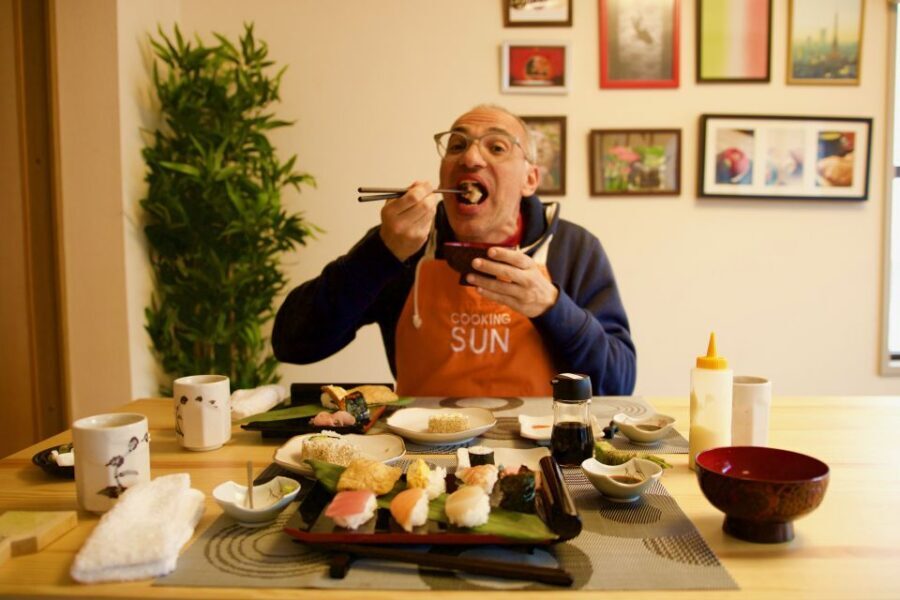
Make nigiri, inari and rolls in a small Tokyo sushi class, with English instruction, Japanese cooking tips and a generous meal to enjoy.
Tokyo sushi is more than rice wrapped around a filling. In this three-hour class, you learn how the rice is prepared, make several styles of sushi and sit down to eat your work with miso soup. It is a practical way to spend time with local instructors and come away with skills you can use at home.
I like two things in particular: the class gives you a small-group, hands-on lesson rather than a quick demonstration, and it folds in useful context about Japanese ingredients and cooking traditions. One point to know before booking: the fish is pre-sliced, so this is not a lesson in cutting raw fish.
The session begins with an introduction to Japanese ingredients and flavors. You get a closer look at basics such as dashi, the stock used in Japanese cooking, and traditional seasonings. This context gives you more than a set of instructions: it helps explain why the finished dishes taste the way they do.
Then comes miso soup. Making it alongside the sushi broadens the lesson beyond rolling and shaping, and gives you another recipe to take home. If you are new to Japanese cooking, this is a useful chance to ask what the ingredients do and how they fit together.
The instructors teach in English and break the work into clear steps. You do not need previous cooking or sushi-making experience. The format is designed for beginners, but it can still be worthwhile if you cook often and have made sushi before. The finer points of rice, assembly and technique leave room to learn at different levels.
You might also be interested in these Tokyo experiences
Next, you try tamagoyaki, a Japanese rolled omelet. Your instructor demonstrates the process, then guides you through making your own. It is a hands-on part of the class, not just an extra dish to watch someone else prepare.
The step-by-step approach matters here. Tamagoyaki can look deceptively simple, and breaking the task into manageable stages helps first-timers follow along. If you are cooking with children, the activity may be a welcome change of pace from working with sushi rice and fillings. Families have brought children, including young ones, and the instructors have been described as patient and helpful. Still, the class is a cooking lesson, so be ready to take part rather than simply observe.
Sushi rice gets special attention before you start shaping anything. You prepare it and set up toppings such as shrimp, with the instructors showing you what to do before you try it yourself. Good rice is central to the result, and learning how to handle it is among the most useful skills to take home.
The fish is already sliced. That keeps the session focused on preparing rice, assembling sushi and practicing different forms, but it also marks a clear boundary: you will not learn how to cut raw fish. If your main goal is knife technique for filleting or slicing fish, look for a different class.
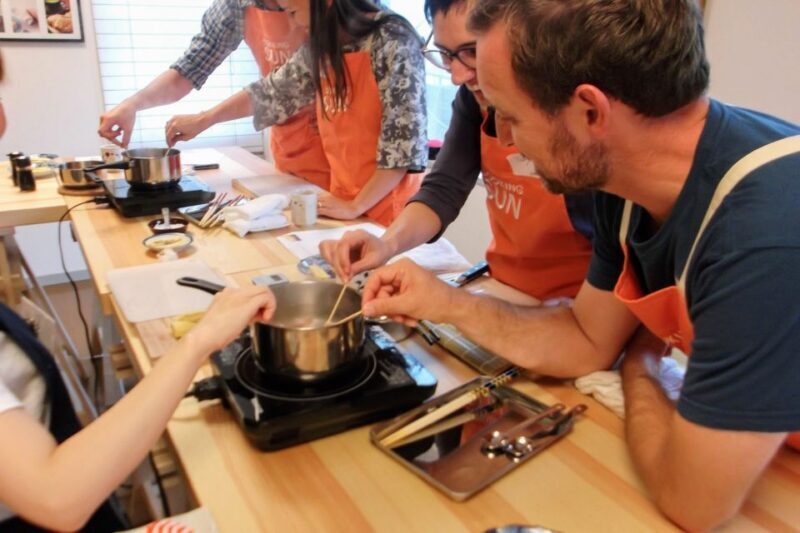
Instructors demonstrate each stage and offer help while you work. That combination of showing and doing is a strength of the format. You can see how a piece should come together, then try it yourself, with assistance if your rice is sticky, your roll is loose or your first attempt looks more rustic than the example.
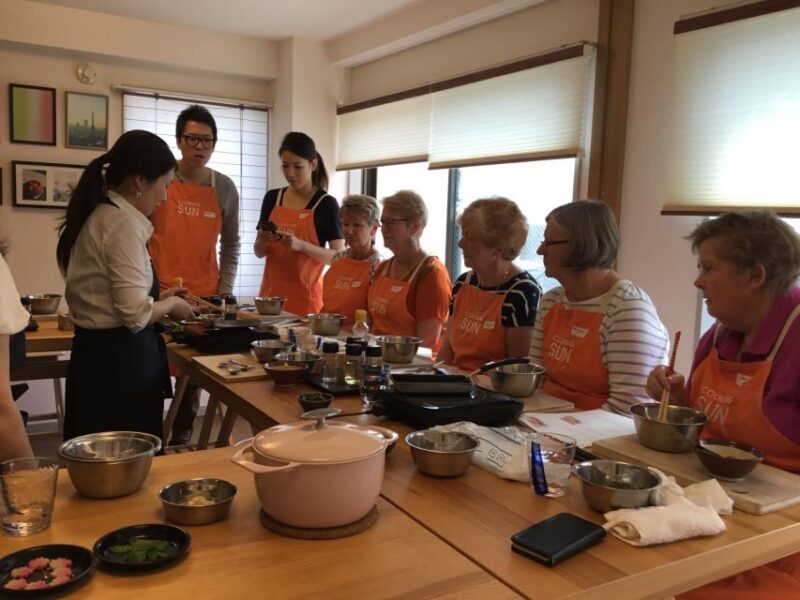
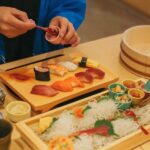
The sushi-making portion brings together several forms. You make nigiri, which is hand-pressed sushi; inari, rice tucked into a sweet tofu pouch; and hosomaki, a thin roll. California rolls round out the selection. You get to practice shaping and filling, rather than spending the whole class on one recipe.
That variety is a good reason to choose this experience over a short, single-dish demonstration. You see how sushi changes with its ingredients and form, and you have a chance to compare techniques as you go. Once you understand the basics, the class encourages you to think creatively about ingredients and possible combinations.
Do not expect a formal sushi-chef qualification in three hours. This is an introduction, with practical instruction and cultural details woven into the cooking. The aim is to make the techniques approachable and give you enough confidence to try them again, not to turn a beginner into a professional behind the counter.
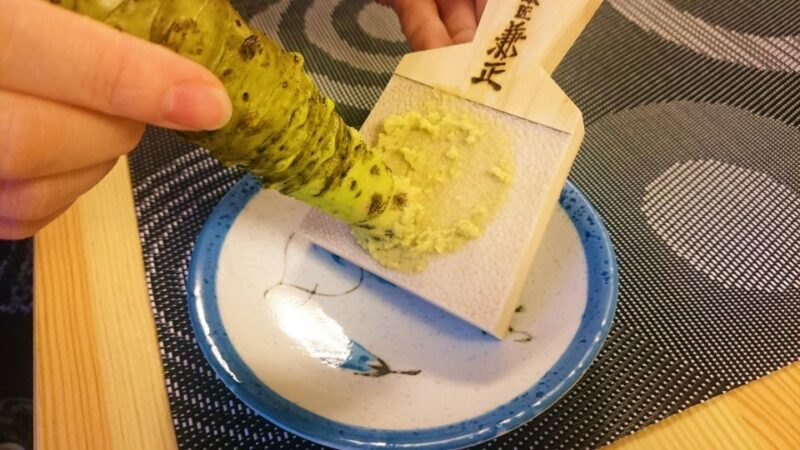
More Great Tours NearbyAfter the cooking comes the reward: a meal of the sushi you have made, served with miso soup, fresh wasabi and pickled ginger. The amount can be substantial. Eat a little beforehand if you need to, but do not plan on a large meal immediately afterward.
Sharing the food also gives the class a natural finish. You have cooked alongside the group, and now you can see how the different pieces turned out. The meal is included in the $67 price, along with ingredients, utensils, towel and apron rental, and recipes to take home.
Tea or sake is not listed among the inclusions, so do not count on either being served. If you are hoping for a drink with the meal, ask the provider before booking rather than assuming it is part of the class.
The class is limited to nine participants, a sensible size for a lesson with several stages and hands-on work. A smaller group gives the instructor a better chance to notice when you need help and makes it easier to ask questions. The actual group may be smaller than the maximum.
The English-language instruction is another practical advantage. The instructors explain the ingredients and techniques, and the cooking is paired with cultural, historical and language information. You are not just following a recipe without knowing what you are handling.
Different instructors may lead different sessions, so do not book expecting a particular person. Past classes have been led by instructors including Mika, Aya, Koyotama, Miki, Yuko and Yuki, but the named teachers are not guaranteed for your date. What you can expect is English instruction from local instructors.
At $67 per person, this is not simply a snack-making activity. You get a three-hour lesson, several kinds of sushi, tamagoyaki and miso soup, all the ingredients and equipment, and recipes to keep. You also eat the food you have made, so the class doubles as a filling meal.
The value is strongest if you want both a meal and a skill-building activity. You are paying for personal instruction and a varied cooking session, not just the finished plate. If you only want to taste excellent sushi, a restaurant is a more direct choice. If you want to understand some of the work behind it and try the techniques yourself, the class offers more lasting value.
The recipes help extend that value beyond the day. You can try the dishes again at home, though you will need to source the ingredients yourself. One participant had already remade the recipes at home after the class, a good sign that the take-home material is practical rather than decorative.
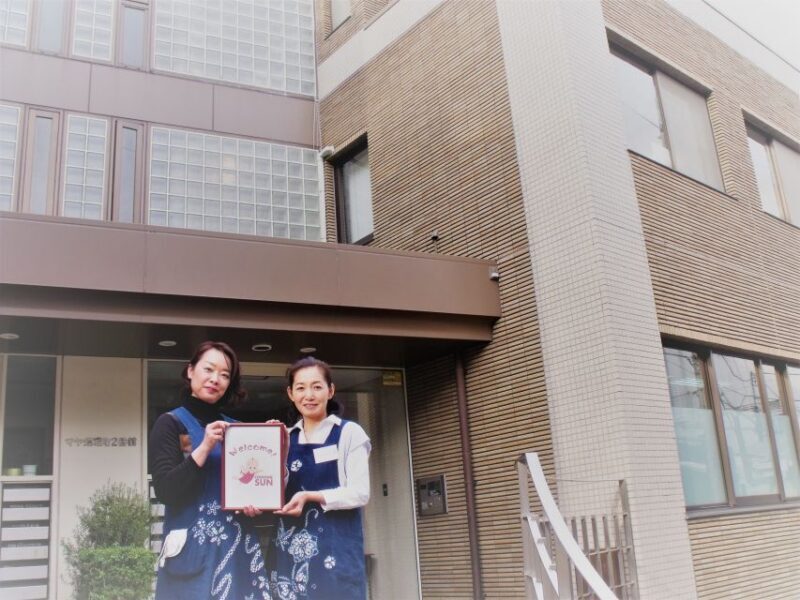
The studio is in a residential area, on the second floor of a beige building at Shinanomachi 18-39, Shinjuku-ku. It can be tricky to spot, so plan your route before you set out. With Wi-Fi, search Google Maps for Cooking Sun Tokyo.
At the entrance, there are two doors. Use the right-hand door, which leads to the studio, and press 314 on the intercom to call. If you will not have Wi-Fi, prepare directions in advance and check the provider’s detailed directions before leaving.
There is no hotel pickup or transport included. If you arrive by private vehicle, do not wait or stop in front of the building or nearby homes. The studio is in a quiet neighborhood, and drivers who need to wait should use a nearby coin-operated parking lot.
The provider can substitute ingredients for allergies, gluten-free diets, religious restrictions and vegetarian preferences. Tell them about your needs when booking, so the team can plan the substitutions and explain what is safe for you during the class. If you have a serious allergy or strict dietary requirement, be specific rather than relying on a last-minute conversation.
The listed duration is three hours, and you can check available starting times when choosing a date. Free cancellation is available up to 24 hours in advance for a full refund. You can also reserve now and pay later, which may help if your Tokyo plans are still shifting.
This class suits first-time sushi makers, curious home cooks and families looking for a shared activity. It is especially appealing if you want English-language instruction, cultural context and enough practice to make several kinds of sushi. You do not need to arrive with cooking experience.
It may be less suitable if you are looking specifically for raw-fish knife skills, a very short activity or a meal where everything is prepared for you. The work is part of the point, and the fish comes pre-sliced.
I would book it if you want a friendly, practical introduction to Japanese cooking and like the idea of eating a generous meal you helped make. At $67, the mix of instruction, recipes, ingredients and several dishes makes good sense for a three-hour experience. Just arrive with directions ready, share dietary requirements in advance and leave room for the sushi.
“The sushi class was an amazing experience and I can absolutely recommend it. The staff from Cooking Sun was friendly and very helpful. They explain…”
The class lasts three hours.
The listed price is $67 per person.
You will learn to make nigiri, inari, thin rolls called hosomaki and California rolls.
No. The fish is pre-sliced, and the class does not include instruction on cutting raw fish.
Ingredient substitutions are available for needs such as allergies, gluten-free diets, religious restrictions and vegetarian preferences. Tell the provider about your requirements when booking.
Recipes, ingredients, utensils, and towel and apron rental are included. Hotel pickup and transportation are not included.
You can check availability for your dates here: