Physical Address
304 North Cardinal St.
Dorchester Center, MA 02124
Physical Address
304 North Cardinal St.
Dorchester Center, MA 02124

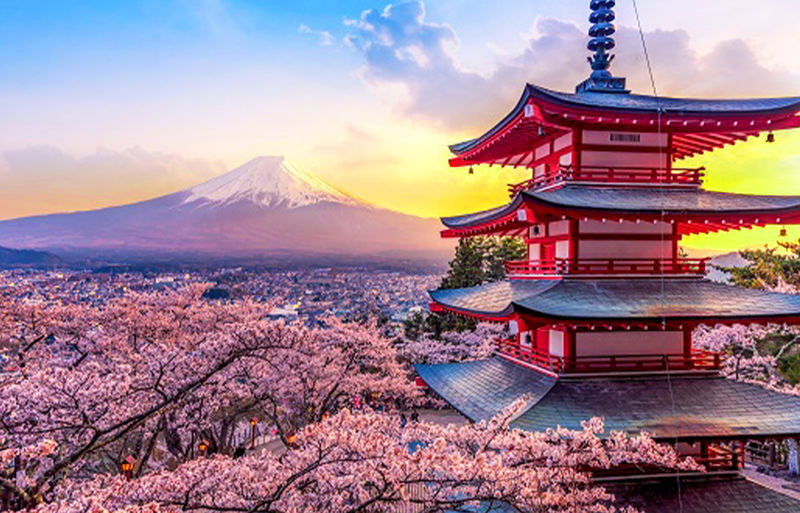
Visit Fuji’s classic photo spots on a Tokyo day tour, from Chureito Pagoda and Oshino Hakkai to Lake Kawaguchi, with transport included.
Mount Fuji takes the starring role on this full-day circuit, but the fun is in seeing how differently it appears: above Fujiyoshida from Chureito Pagoda, at the end of a quiet street, reflected in spring ponds, and beyond a lakeside flower garden. You get several of Japan’s best-known Fuji photo settings without having to plan the transport yourself.
I like the variety of views and the practical value: round-trip transport links five distinct stops, and the guides can help with directions and photos. The main trade-off is time. Most stops are brief and self-guided, so this suits you if you want a broad Fuji sampler, not an unhurried visit to every place.
This tour is designed to show Mount Fuji from several angles in one day. You start high above Fujiyoshida, shift to street scenes and mountain springs, then finish by Lake Kawaguchi. The stops are famous for photographs, but each gives you a different sense of the area: a city from above, a traditional-looking village setting, and a broad lakeside view.
That variety is the tour’s strongest point. If you are in Tokyo for a short stay, getting to all these places independently would take more planning and coordination. Here, transport is included, and the guide handles the route and timing. The cost starts at $49.29, which can be good value for a full day out, especially if you would otherwise need to arrange several connections.
The catch is built into the format. This is a busy itinerary with around 20 to 60 minutes at several stops, and some time is spent getting from place to place. You will need to keep an eye on the clock and be ready to move when asked. Think of it as a well-organized introduction to the Fuji area, rather than a slow day of wandering.
The listed departure times are 8 am at Tokyo Station and 8:30 am at Shinjuku’s Tokyo MODE Gakuen. Confirm which meeting point you booked and arrive at least 10 minutes early. The tour does not wait for late arrivals, and a missed departure is not refundable.
The guide is identified by a GOGODAY flag. Vehicle and guide details are sent by email between 8 and 9 pm the night before, so check your inbox and spam folder. The operator may use different vehicles depending on the day’s passenger count, and you cannot choose a vehicle type for the standard shared package.
Package options include English- or Chinese-speaking service, shared meeting-point tours, small-group tours with hotel pickup and drop-off, and private chartered cars. Group size can range from one to 48 for the activity, while the small-group option is described as four to nine people. Don’t assume the same group size, vehicle or pickup arrangement applies to every package. Confirm those details when you choose.
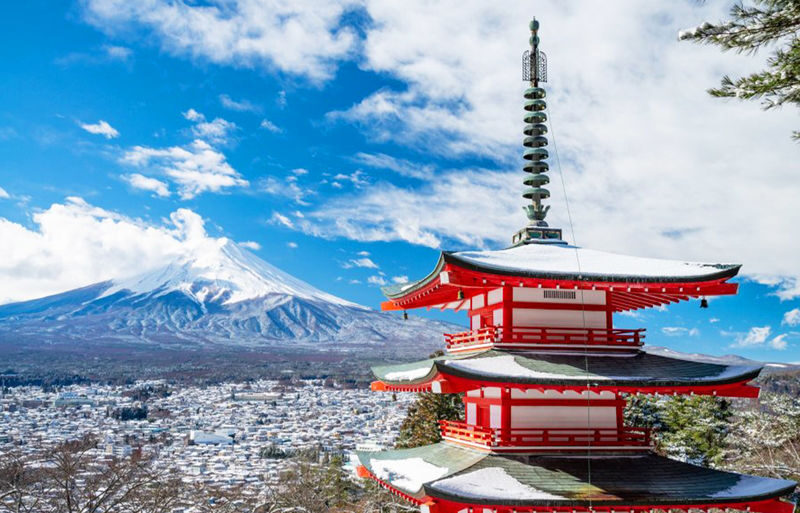
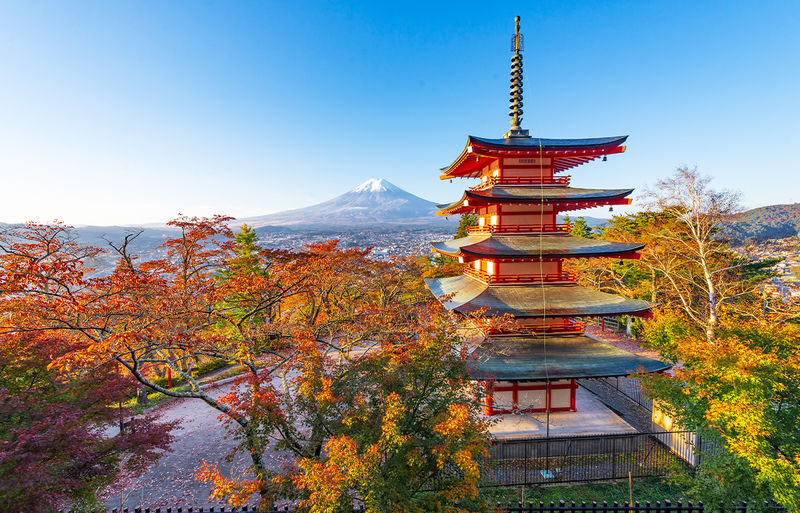
The first major stop is Arakurayama Sengen Park, where you have about an hour to explore independently. The classic view brings together Mount Fuji, Chureito Pagoda and Fujiyoshida below. It is an instantly recognizable composition, and the elevated outlook gives you a good sense of how the city sits beneath the mountain.
Reaching the main viewpoint means climbing 397 steps. That is worth factoring in if you have mobility or stamina concerns, especially since the visit is time-limited. This stop is for sightseeing and photography; the tour does not include religious activities. The guide provides route guidance, but does not accompany everyone throughout the park, so listen carefully before setting off and note where and when to meet again.
The view changes with the season. Cherry blossoms, green foliage, fall color and snow can all alter the scene, but the mountain itself is not guaranteed to appear. Cloud cover is a real risk, and visibility is generally lower in summer. If Fuji is hidden, the park still offers a view over the city, but the famous three-part frame may not come together.
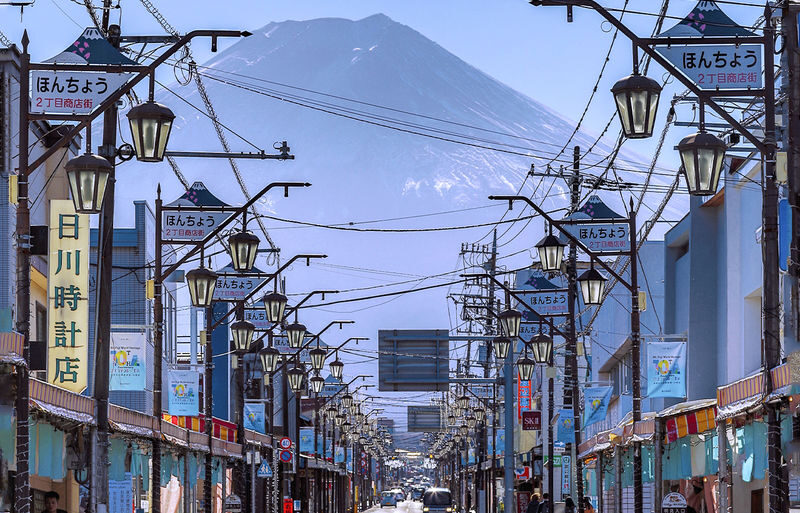
A short visit to Hikawa Clock Shop follows. The appeal is simple: the street draws your eye toward Mount Fuji, with ordinary Japanese shopfronts and daily life in the foreground. It is a useful counterpoint to the high viewpoint at the park, and one of the tour’s more distinctive photo stops.
You have about 20 minutes here, and the attraction is close to Arakurayama Sengen Park. The guide’s role is to explain the route, not escort the group throughout the visit. Keep to the directions and return on time. This is a quick photo stop, not an opportunity to browse the neighborhood at leisure.
Lunch is scheduled for about 30 minutes. The guide can recommend places, but the meal is optional and not included in the tour price. Suggested choices include fried chicken or a vegetarian meal for ¥1,500, wagyu beef or eel for ¥3,000, and an all-you-can-drink option for ¥500. These recommendations are cash-only. You can bring your own food or buy something at Oshino Hakkai instead.
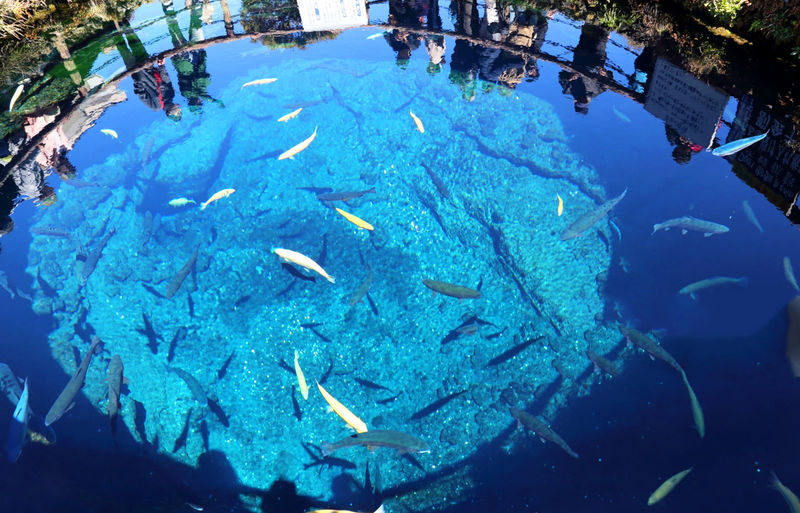
Next comes Oshino Hakkai, a group of eight spring-fed ponds at the foot of Mount Fuji. The clear water, small bridges, wooden buildings and mountain views make this stop feel quite different from the city and street scenes earlier in the day. It is a good place to slow down briefly and look beyond the camera screen.
You get about an hour to explore on your own. That is enough for a walk around the main sights and a few photos, but not for a long meal and an extensive visit. The setting can be busy, so patience helps when you want a clear shot. Since the tour schedule can change with traffic and weather, keep your return time in mind.
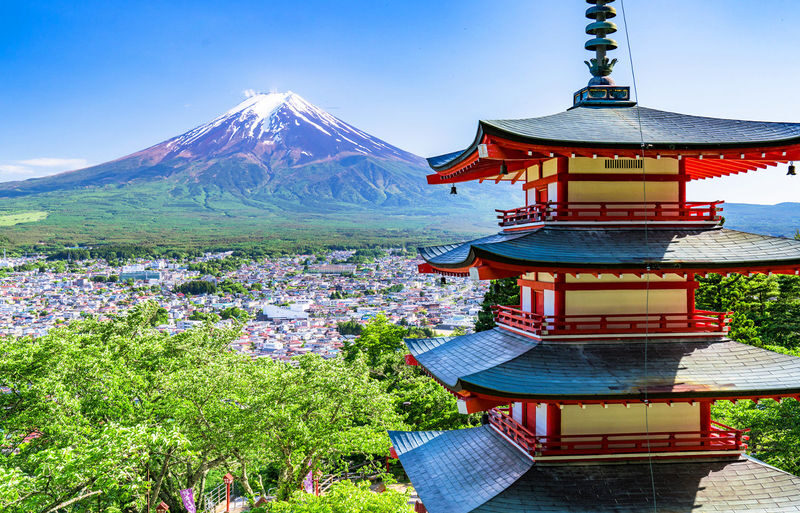
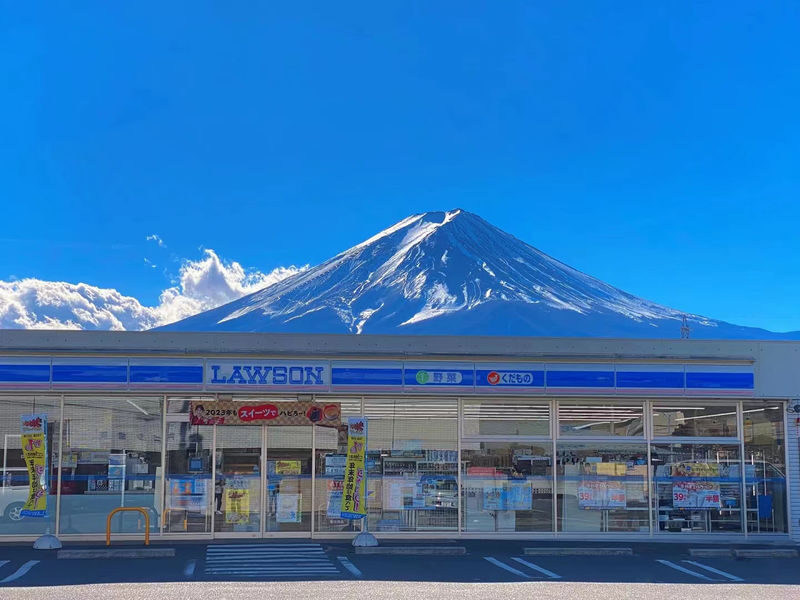
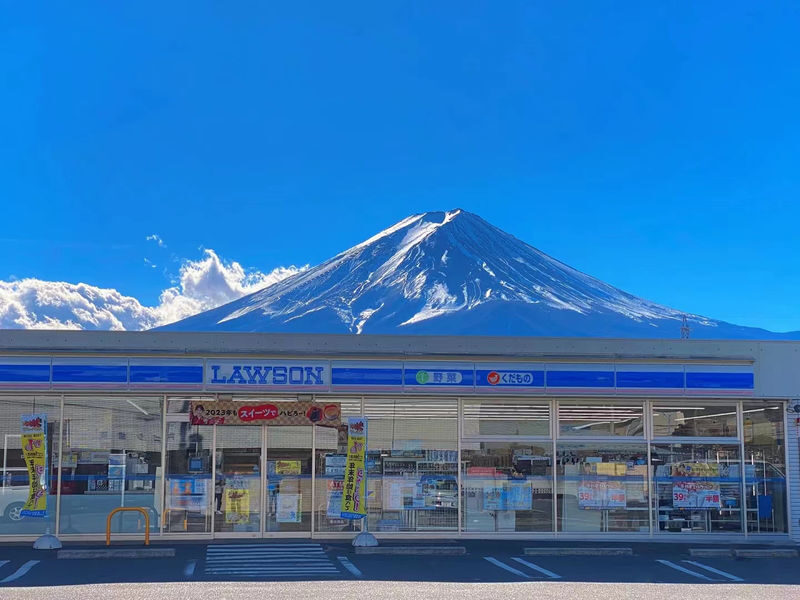
The Lawson stop lasts about 20 minutes. The familiar convenience store and Mount Fuji make an odd but unmistakable pairing: a piece of everyday Japanese life set against a famous mountain. It is one of the quickest stops, so arrive ready to take your picture and follow any directions about where you can stand.
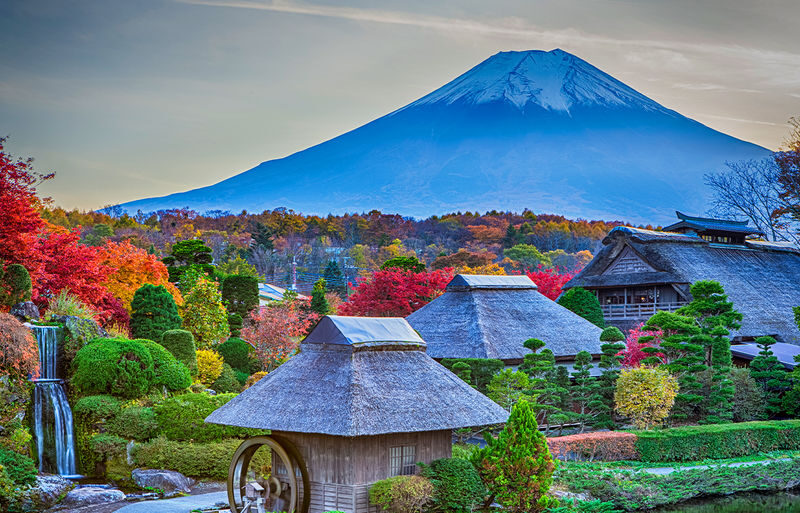
The final sightseeing stop is scheduled for around 50 minutes at Lake Kawaguchi. On ordinary dates, the tour visits Oishi Park, where seasonal flowers create a foreground for the mountain. Lavender is associated with summer, while red kochia adds color in autumn. In the listed seasonal windows, the itinerary switches to the Lake Kawaguchi Cherry Blossom Festival from March 28 to April 12, or the Maple Corridor from November 1 to 30, subject to official notices and conditions.
These seasonal visits are not a promise of peak bloom or fall color. Timing depends on weather and other conditions, and the operator does not offer a refund if the flowers or foliage are not at their best. Some attractions may also be skipped because of capacity or weather. If a specific seasonal scene is your main reason for booking, go in with flexible expectations.
At a starting price of $49.29, the main value is the amount of ground covered without arranging transport yourself. You get a day trip from Tokyo, a guide who coordinates the stops, and access to several classic Fuji viewpoints. Admission to the listed attractions and round-trip transfers from the meeting point are included. Meals, drinks and personal expenses are extra.
Guide quality can add a lot to a day with short independent visits. Guides named in customer feedback include Kousei, Sawaki, Peter, Uehara, Lee Han-san and Hou Jing, among others. Assignments vary, so do not book expecting a particular person. The most useful guide support described includes clear timing and route instructions, cultural explanations, and help taking group photos. When you have a short stop, that kind of practical assistance can make it easier to get your shot without wasting time.
The shared experience can include people speaking different languages in one vehicle. That may mean explanations are divided between languages or that the group feels less straightforward to coordinate. Some people also find the timetable rushed, particularly when weekend traffic eats into stop time. One report raised concerns about hard braking and fast driving, so it is fair to expect the operator to prioritize safe driving and to speak up if you feel uncomfortable.
Traffic is the other variable. The planned return begins around 5:30 pm, but the stated arrival window is 5:30 to 7 pm, and delays can push it later. Avoid booking dinner, a show or another fixed activity after the tour. The operator may adjust the stop order or omit a stop when conditions require it.
I’d choose this tour if you have one day for the Fuji region, want the classic photo locations, and prefer transport and timing handled for you. It is also a sensible option for solo visitors, since departures are offered daily and the tour is guaranteed to depart with one participant. Families and couples can use the same basic format, provided everyone is comfortable with a long day and the stairs at Arakurayama.
Pick a small-group or private-car package if hotel pickup, fewer passengers or more flexible arrangements matter to you, and check the extra cost and exact inclusions. Small vehicles have less room than large coaches, so avoid oversized luggage. The standard package allows one piece of luggage per person only if you tell the operator at least a day ahead; an unannounced bag may lead to refused boarding.
If you want long walks, a relaxed lunch or time to linger at each stop, this is not the best fit. The tour’s appeal is breadth: several memorable views in one day, at an accessible starting price. Go for the variety, keep your schedule open on the way back, and treat clear Fuji weather as a bonus rather than a guarantee.
“Such an amazing trip! Very lucky with the good weather and thanks to our guide Kim Ming Chik!”
The tour lasts about 9.5 hours, with a morning departure from Tokyo. The planned return is around 5:30 pm, but the estimated arrival window extends to 7 pm because traffic and weather can affect the drive.
The meeting points are Tokyo Station’s Marunouchi South Exit at 8 am and Tokyo MODE Gakuen in Shinjuku at 8:30 am. Check your booking and the email sent the night before for your exact meeting details.
No. Visibility depends heavily on the weather and is generally lower in summer. Check visibility conditions before booking, and be prepared for the possibility that clouds obscure the mountain.
No. Meals and drinks are not included. The guide can recommend restaurants, or you can bring lunch or purchase food at Oshino Hakkai. Suggested meal options are optional and cash-only.
The tour visits Oishi Park on most dates. From March 28 to April 12, it is scheduled to visit the Lake Kawaguchi Cherry Blossom Festival; from November 1 to 30, it is scheduled to visit the Maple Corridor, subject to official notices and conditions.
The tour includes an English- or Japanese-speaking guide, and English and Chinese package options are offered. Several stops are self-guided. At Arakurayama Sengen Park and Hikawa Clock Shop, the guide gives route guidance but does not accompany you throughout the visit.
The standard package allows one piece of luggage per person, but you must note it in your special requirements at least one day before departure. The operator may refuse boarding if you arrive with unannounced luggage. Small-group vehicles have limited space and are not suited to oversized bags.
You can receive a full refund if you cancel at least 24 hours before the activity date, in destination local time. Late arrivals and no-shows are not refundable. If severe weather or another force majeure event leads the operator to cancel, you can choose to reschedule or request a full refund.