Physical Address
304 North Cardinal St.
Dorchester Center, MA 02124
Physical Address
304 North Cardinal St.
Dorchester Center, MA 02124

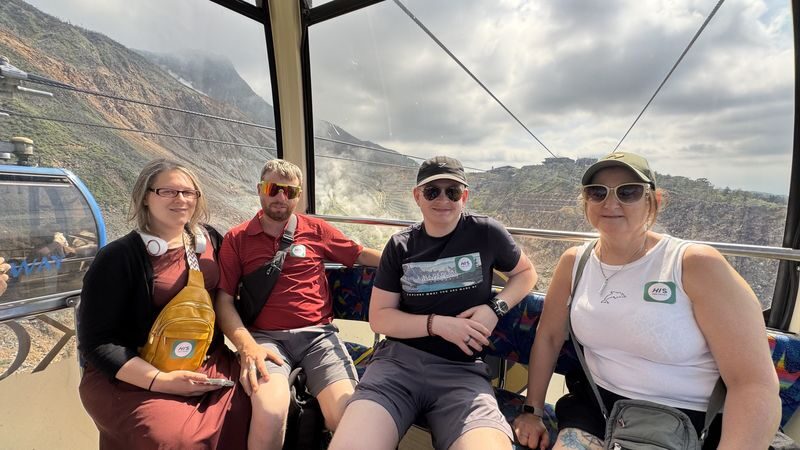
See Mount Fuji, Owakudani, and Lake Ashi on an 11-hour Tokyo day trip, with a traditional lunch and Shinkansen return available as options.
Mount Fuji’s high slopes, Hakone’s steaming volcanic valley, and a Lake Ashi cruise make for a big day out from Tokyo. The route is ambitious: you’ll ride a motorcoach between regions, then switch to the ropeway and boat for a change of pace.
I like the chance to reach Fuji’s 5th Station at 2,300 meters, the highest point on the mountain accessible by road, and the mix of transport in Hakone. I also like that you can choose a hot-pot lunch and, on some packages, take the Shinkansen back to Tokyo. The trade-off is time: traffic, weather, and queues can shrink sightseeing stops to around 15 or 20 minutes.
The tour starts around 8:30 a.m. and heads out from Tokyo by air-conditioned motorcoach. Depending on the package you book, your departure point is Shinjuku or Tokyo Station. The coach has WiFi, and an English-speaking guide accompanies the group. Group size can reach 40, so this is a shared, large-group day rather than a small, flexible outing.
The ride to the mountain is part of the day, but it can also take a large bite out of it. Traffic is the main wildcard. On a congested day, the journey to the first sightseeing stop can stretch for hours. That matters when the tour is trying to cover Fuji and Hakone in one outing.
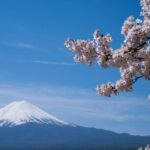
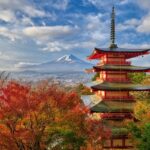
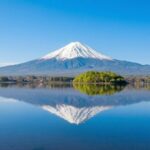
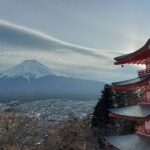
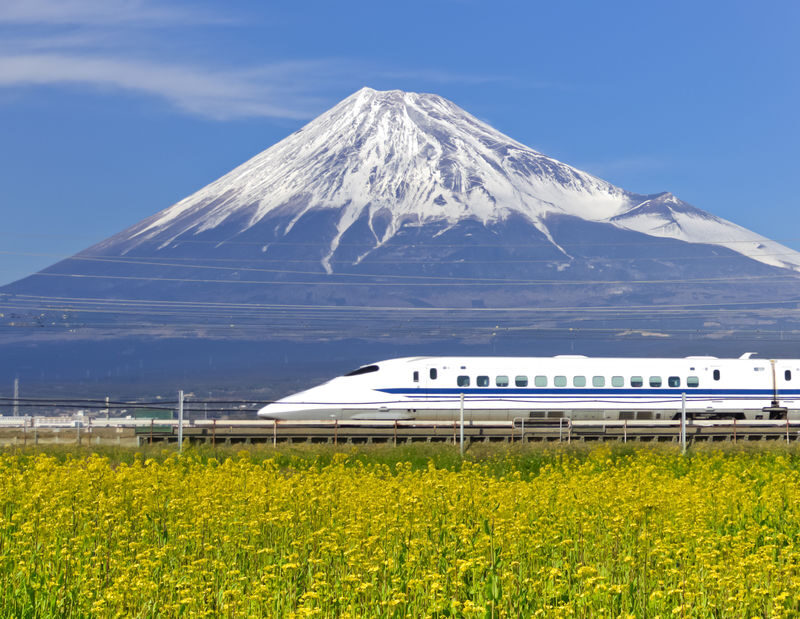
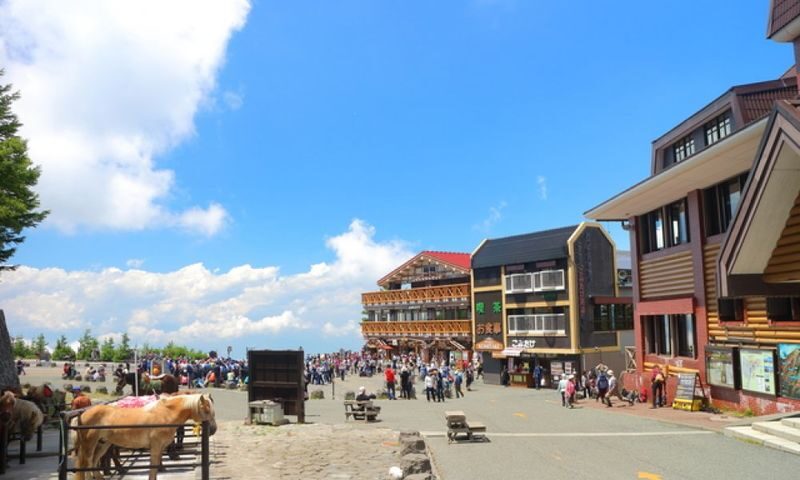
At Fuji’s 5th Station, you’ll be high above the foothills, at an elevation of 2,300 meters. The stop offers a chance to take in the mountain air and look out over the area. If the sky is clear, you may see Mount Fuji at close range; clouds can hide it, even when the bus has made the climb. Some people report only about 20 minutes at the station, so decide in advance whether you want photos, a quick look around, or time to browse.
The Subaru Line may close because of bad weather or road problems. If that happens, the tour may visit Oshino Hakkai Village, Arakura Sengen Shrine, or the Fujisan World Heritage Center instead. The operator may also choose the highest point reachable that day. These alternatives can still provide a worthwhile stop, but they are not the same experience as reaching the 5th Station. If that specific stop is your main reason for booking, understand that it is never guaranteed.
The mountain can be cold, even when Tokyo feels mild. Bring a warm layer, and keep it handy rather than buried in your bag. The road and stop order can change with weather and traffic, so stay close to the guide and be ready to board promptly.
Looking for more options in Fujiyoshida? Here are some other experiences worth considering.
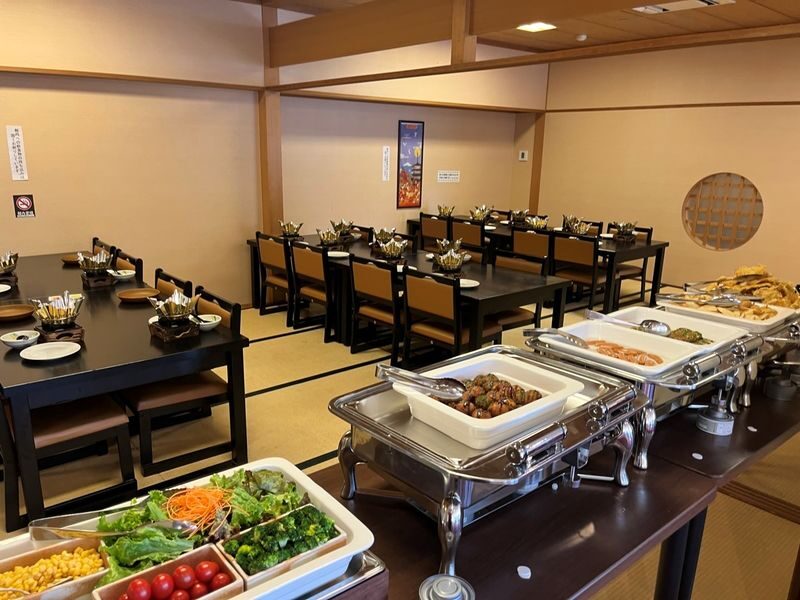
Some packages include a traditional Japanese lunch, described as hot pot with a half buffet. The menu can change with the season and available ingredients. For many people, the included meal is a useful break in a long day, and a chance to try a filling local-style lunch without finding a restaurant on your own.
Other package options do not include lunch. If you choose one of those, bring food or plan to buy it during the day. Don’t assume that every booking includes a meal just because lunch appears in the tour description. Check the exact package name before paying.
Tell the operator about dietary needs when you book. Most allergy requests can be accommodated, but gluten-free meals are not available. If you have a serious allergy, contact the operator in advance and confirm what they can safely provide.
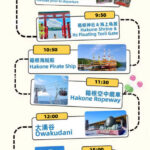
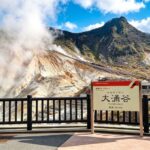
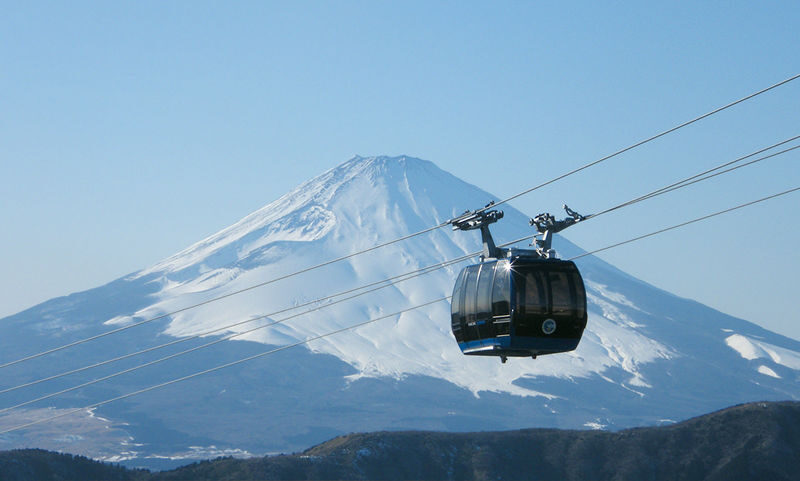
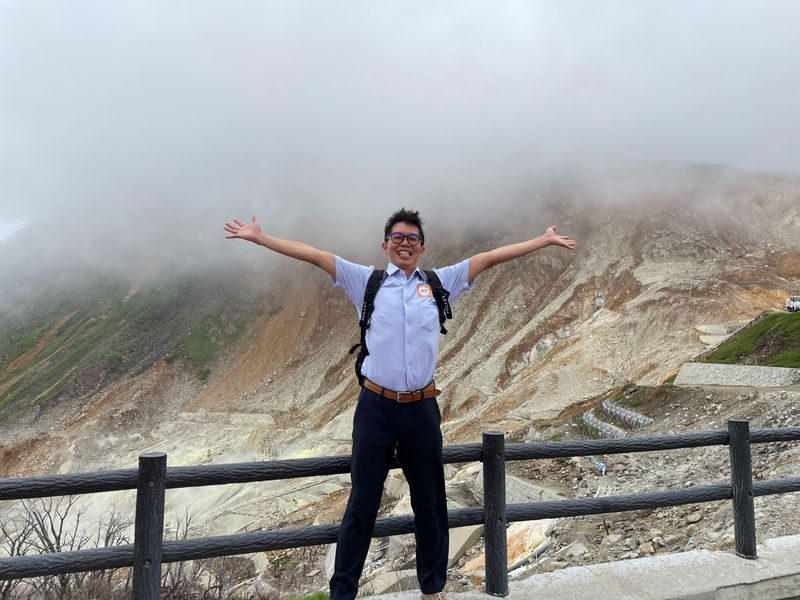
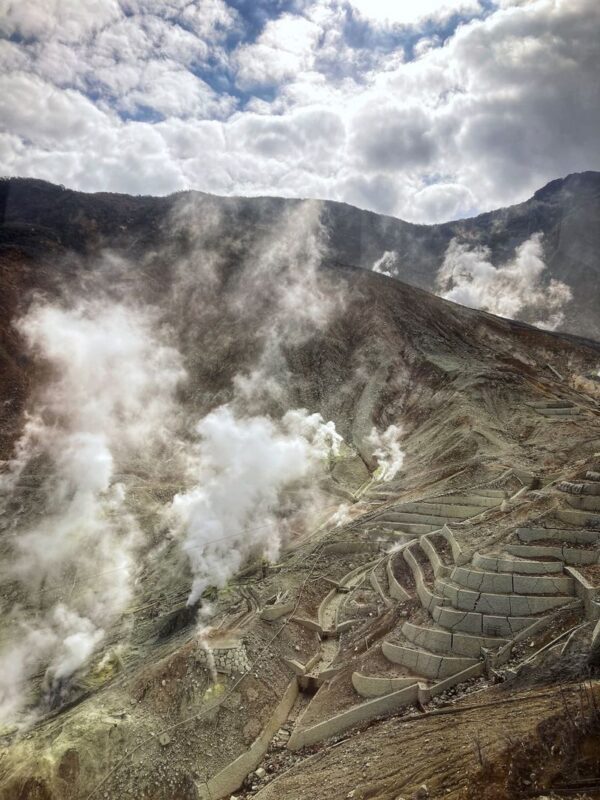
Owakudani is a volcanic valley in the Hakone area, known for its geothermal activity. It gives the day a different character from the mountain and lake: instead of wide mountain views, you’re in an active volcanic setting, with steaming ground and a cable-car route through the area.
The schedule is the catch. The ropeway ride is included, but the time available to walk around Owakudani can be very short. Some days, the group moves from one ropeway cabin to the next without a proper stop to explore. If you want to see the valley on foot, this fast-moving tour may not give you the time you hope for.
The Hakone Ropeway is also vulnerable to high winds, heavy rain, and sudden maintenance. If it is closed, the group may visit another site, such as Hakone Shrine, Hakone Checkpoint, Lake Kawaguchi, or a different ropeway or cruise option. The exact replacement depends on the day. The operator does not promise a refund for weather- or schedule-related changes, so book with flexibility rather than treating every listed stop as certain.
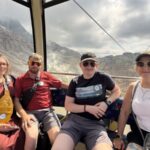
Even with those limits, the ropeway is a welcome change from the bus. It lets you see Hakone from above and connects the volcanic area with the next part of the tour. Just keep expectations realistic: this is a scenic ride within a packed day, not a leisurely visit with time to linger.
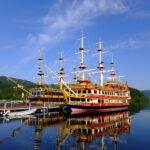
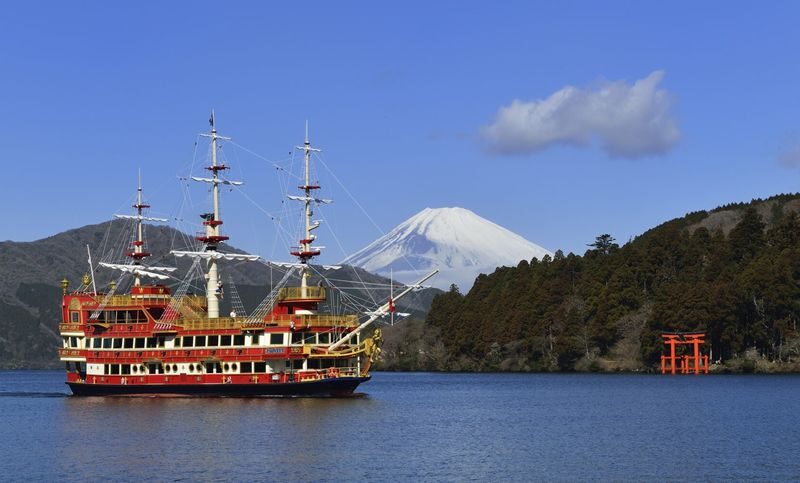
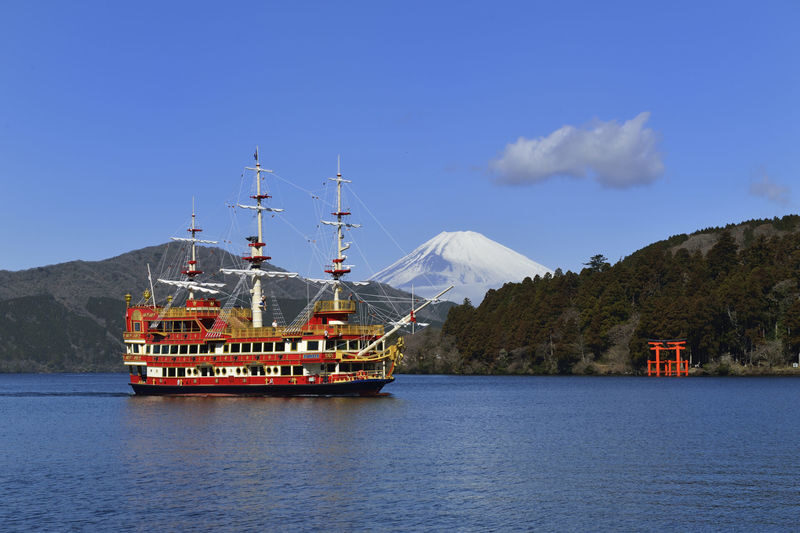
The Lake Ashi cruise is the final scheduled Hakone experience. The boat ride offers a calmer contrast to the road and cable car, and on a clear day the water and surrounding mountains make a fitting finish to the sightseeing portion. The boat is sometimes described as a pirate ship, though the main draw is the lake itself and the views from the water.
As with the ropeway, weather and operating conditions can affect the cruise. The order of stops may also change, and heavy traffic can shorten the time available at each place. If the day runs late, the guide may need to keep the group moving to meet the return plan.
The cruise is one of the tour’s included admissions, but don’t treat that as a guarantee that it will operate on your date. When conditions force a change, an alternative stop may take its place. These changes can be frustrating if you booked for a particular ride, especially after a long day of travel.
Your return choice can make a real difference after an already long day. The standard motorcoach option returns to Tokyo, with the listed end point in Shinjuku. That keeps the group together, but traffic can make the ride home slow. The published schedule runs roughly from 8:30 a.m. to 7:30 p.m.; actual arrival can shift with road conditions.
Some packages offer a Shinkansen return from Odawara to Tokyo. The fast train can save time and give you a more comfortable end to the day, but the ticket is for an unreserved seat. There are two trains an hour from Odawara to Tokyo, and the guide does not ride with you. Listen carefully to the instructions about where to board and which ticket to use. If you would rather end in Hakone Yumoto or Odawara, select a package that disbands there.
There are also package differences in whether the coach departs from Shinjuku or Tokyo Station. You can’t change your departure point on the day, and the return location may not match the departure point. Check your voucher before leaving your hotel, especially if you chose the Shinkansen or an early disband.
You might also be interested in these Fujiyoshida experiences
A good guide can make the long bus transfers feel more useful, sharing facts about Japan, local customs, and the places along the route. Guides such as May, Yuki, Mary, Happy, and Suzuki have led outings, though the person assigned to your date will vary. Some have used stories, origami, or traditional songs to keep the ride engaging. The guide’s style and English fluency can differ, too.
The strongest guiding is warm and organized, with clear reminders about when to return to the bus and what happens next. That is especially valuable when the schedule is tight. If you want time to wander on your own, though, a guide-led group day has less freedom than arranging the route independently.
A shared bus also means you’re spending the day with other people. Keep phone audio low so everyone can hear instructions, and be on time at every stop. The bus leaves on schedule, and latecomers can’t join midway or receive a refund.
Prices start at $88.45, but the final value depends on the package you choose. A plan with transport, ropeway and cruise admissions, guide, insurance, and lunch can be good value if you want the main arrangements handled for you. Add the Shinkansen return if saving the coach ride back matters more than staying with the group.
A no-meal plan may suit you if you prefer to bring your own food. Compare the actual package details rather than the starting price alone: lunch and return transport vary. Personal expenses and tips are not included.
The main cost is not just money. You exchange flexibility for convenience and try to see two major areas in a single day. On a clear, smooth-running day, that can be a satisfying way to sample Fuji and Hakone without arranging several transfers yourself. On a wet or congested day, the same packed schedule can feel rushed, and the mountain may be hidden.
I’d consider this tour if you have limited time in Tokyo, want to see both Mount Fuji and Hakone, and are comfortable with a long day and short stops. It is especially practical if you value a guide, included transport, and the option to combine coach travel with a bullet train ride home.
Think twice if you want hours to explore the 5th Station or Owakudani, dislike group schedules, or would be disappointed if Fuji is clouded over. A day trip cannot control the weather, and this operator does not offer a refund just because the mountain is not visible.
For the best chance of enjoying it, treat the tour as a broad introduction to the region, not a deep visit to each stop. Choose your lunch and return options with care, check the weather before booking if your dates are flexible, and bring warm clothes. If you can accept the uncertainty, the mix of mountain, volcano, ropeway, and lake makes for a varied day outside Tokyo.
“the guide May was amazing and funny would recommend!”
The scheduled day runs from about 8:30 a.m. to 7:30 p.m., or roughly 11 hours. Traffic and weather can change the schedule and arrival time.
No. The Subaru Line can close because of weather or road incidents, and poor visibility can hide the mountain. The tour may go to the highest reachable point or visit an alternative such as Oshino Hakkai, Arakura Sengen Shrine, or the Fujisan World Heritage Center.
Only with selected packages. Some include a Japanese hot-pot meal with a half buffet; no-meal packages require you to bring or buy your own food.
Some packages include a Shinkansen return from Odawara to Tokyo. The seats are unreserved, and the guide does not accompany you on the train.
Weather, strong winds, or maintenance can stop either service. The tour may substitute another attraction, and weather- or schedule-related changes do not qualify for a refund.
You can choose a Shinjuku or Tokyo Station departure, depending on the package. For a Shinjuku departure, the stated meeting point is the Shinjuku LOVE Object, about a five-minute walk from JR Shinjuku Station’s West Exit. Follow the time and location on your voucher.
Yes. Children aged 0 to 5 can join free if they do not occupy a separate seat. Infants and children must still be included in the passenger headcount.
The activity is listed as wheelchair-accessible and stroller-friendly. Participants using wheelchairs or mobility equipment must be accompanied.