Physical Address
304 North Cardinal St.
Dorchester Center, MA 02124
Physical Address
304 North Cardinal St.
Dorchester Center, MA 02124

Make maki and nigiri in a 100-minute English-language sushi class in Asakusa, with a sushi-history quiz and a meal you prepare yourself.
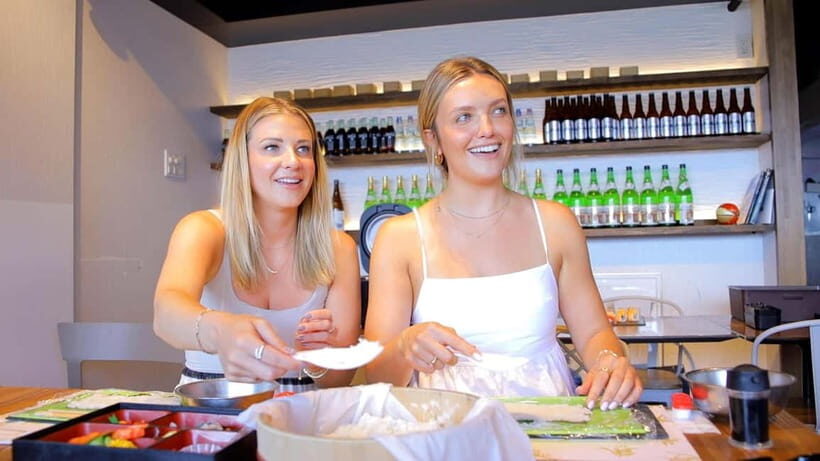
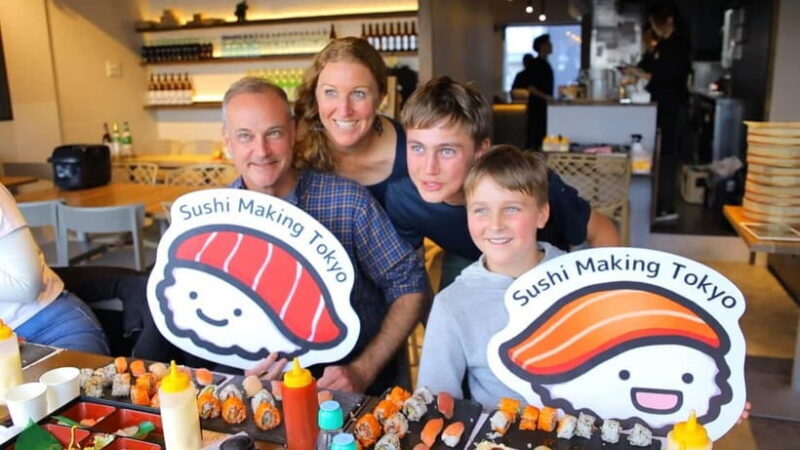
Sushi making is a fine way to turn a Tokyo meal into something you understand, not just something you order. In this 100-minute class in Asakusa, you learn a little sushi history, make maki rolls and nigiri, then eat your handiwork.
I like two things here: you get practical instruction in two distinct sushi styles, and the friendly English-speaking team makes the class approachable for first-timers, solo participants, and families. The main consideration is pace: 100 minutes goes quickly when you are learning, shaping, and eating, so expect a lively class rather than a long, leisurely cooking lesson.
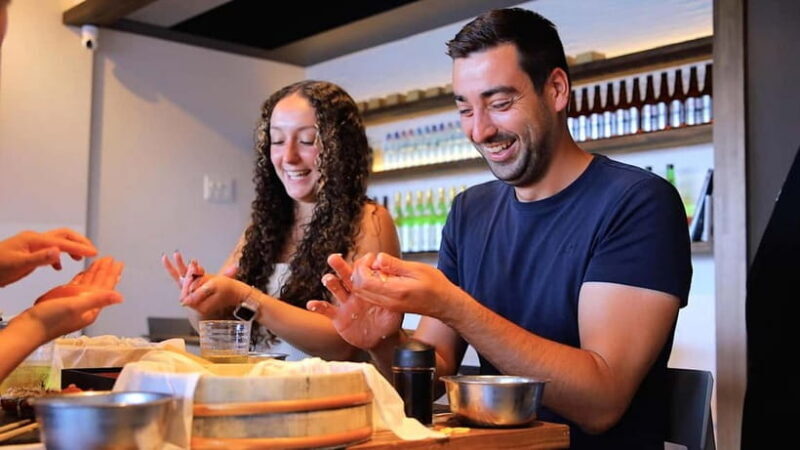
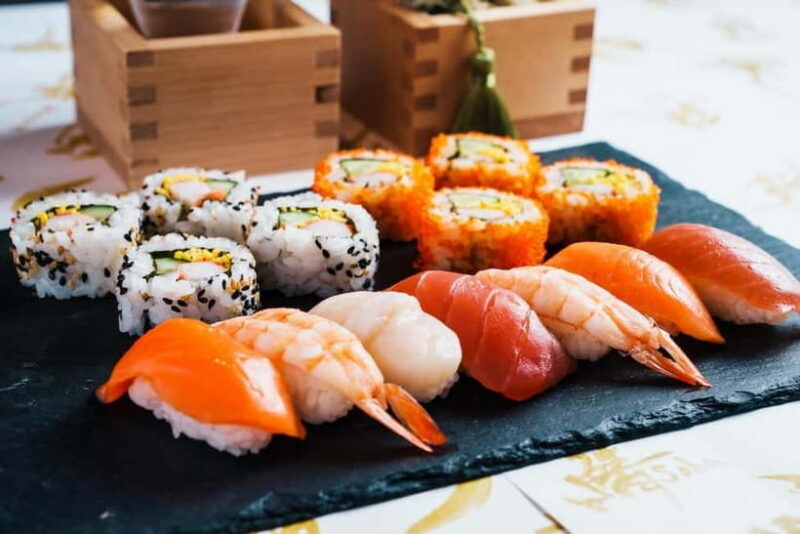
Asakusa makes a sensible setting for a food class. The neighborhood is known for its traditional Tokyo character, and the class is close to Sensoji Temple, so it can fit neatly into a day of exploring the area. Tokyo Skytree is nearby too, giving you an easy way to pair a hands-on activity with sightseeing.
The meeting point is about a three-minute walk from Asakusa Station. That short walk matters in a city where a small amount of route planning can save you from arriving flustered. Check your booking for the precise meeting instructions, then allow a little extra time to find the entrance and settle in.
This is a cooking class, not a guided neighborhood tour. You should not expect a sightseeing walk or hotel pickup. The value of the location is that you can build the class into an Asakusa day without crossing town between activities.
You might also be interested in these Tokyo experiences
The session begins with an interactive quiz about sushi history. It gives you some context before you start handling rice and ingredients, and the light tone helps keep the lesson from feeling like school after a long day of sightseeing.
That background makes the practical part more interesting. Sushi has changed over time, and the class introduces the difference between traditional forms and styles that have evolved. You will not leave with an exhaustive history of Japanese food, but you get enough context to look at the sushi you make, and the sushi you order later, with a sharper eye.
The instructors teach in English and aim to keep the activity accessible to beginners. Previous participants describe clear demonstrations, patient help, and an energetic teaching style. Names you may hear include Hitomi and Moe, who have both been singled out for creating a welcoming atmosphere, as well as Ken, Jun, Kaori, Hide, Kenshin, and Kazu. Staff assignments can change, so treat those names as examples, not a promise of a particular instructor.
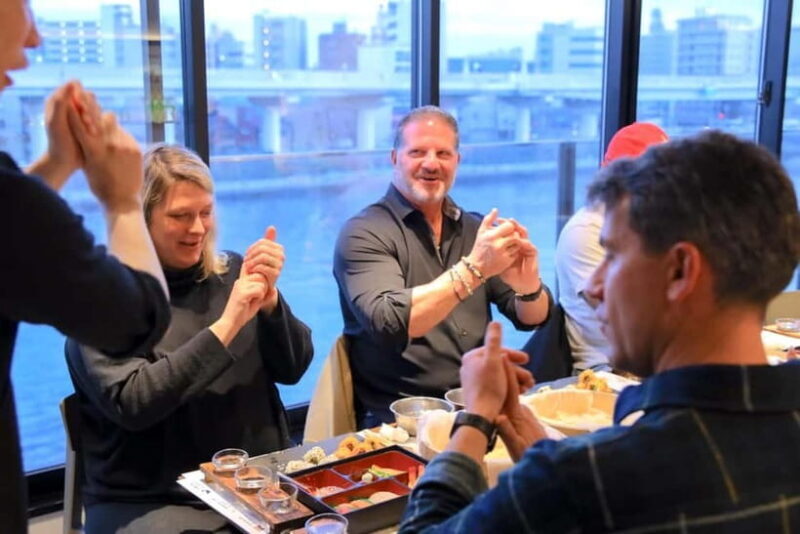
The hands-on work covers maki, sushi rolled in seaweed around rice and fillings. Rolling looks simple when someone else does it. Getting a neat, even result yourself takes a bit more care, which is part of the fun.
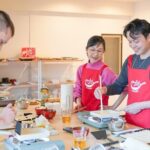
The instructor demonstrates the process and guides you through the steps. You do not need prior cooking experience, and the class is designed to help you make sushi rather than watch an expert do all the work. Expect some trial and error as you shape your roll. That small challenge is useful: it turns sushi from a restaurant counter item into a craft you can recognize.
You will also get practical tips along the way. Participants have described the instructions as easy to follow, with examples and clear demonstrations. Still, this is a group activity with a set schedule, not a private lesson where you can spend as long as you like perfecting each roll.
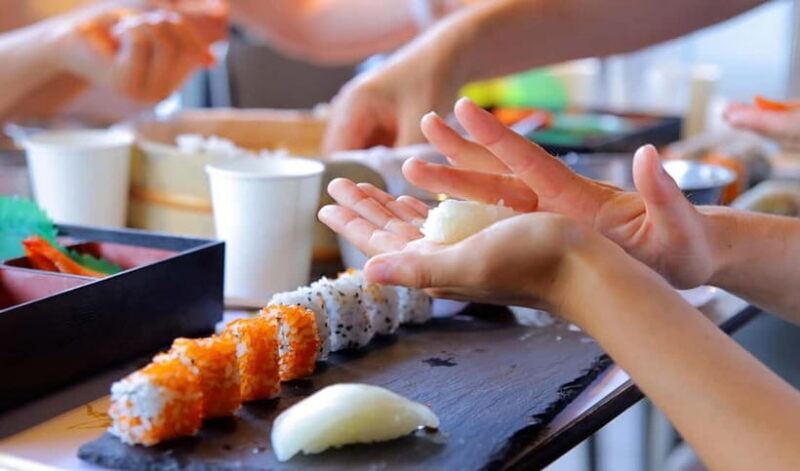
The second style is nigiri, the familiar hand-shaped form topped with an ingredient. Making it alongside maki gives the class a broader purpose than a one-trick sushi demonstration. You learn that the two forms involve different techniques, even though both rely on careful handling of rice.
The instructors explain the steps and help you work through them. For a first-timer, the useful lesson is not just how to form a piece, but how much the finished sushi depends on small movements and proportions. You may not produce restaurant-counter perfection on your first attempt, and that is exactly why doing it yourself is worthwhile.
Fresh ingredients are a recurring point of praise, and several participants describe the finished sushi as delicious. The class includes ingredients, instructor, and cooking instruction, so there is no need to bring supplies. Your meal is the result of the work you do during the session.
More Great Tours Nearby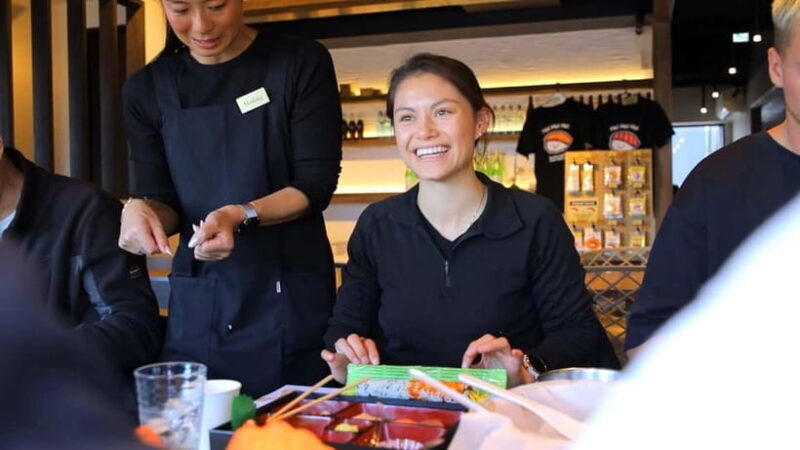
At the end, you eat the sushi you have made. That makes the class practical as well as entertaining: you get to taste the results while the techniques are still fresh in your mind. It is also a pleasant change from a cooking demonstration where the instructor prepares everything and you only watch.
How filling the meal feels will depend on your appetite. Some participants found there was plenty to eat, while one wanted more rice. Think of this as a substantial tasting and activity meal, not a guaranteed feast sized to satisfy every appetite. If you are especially hungry, plan your next meal accordingly.
Some participants have also mentioned sake flights or beer being available. The activity information does not list drinks as included, so do not assume they come with the class. Ask the provider about current drink options if that would affect your plans.
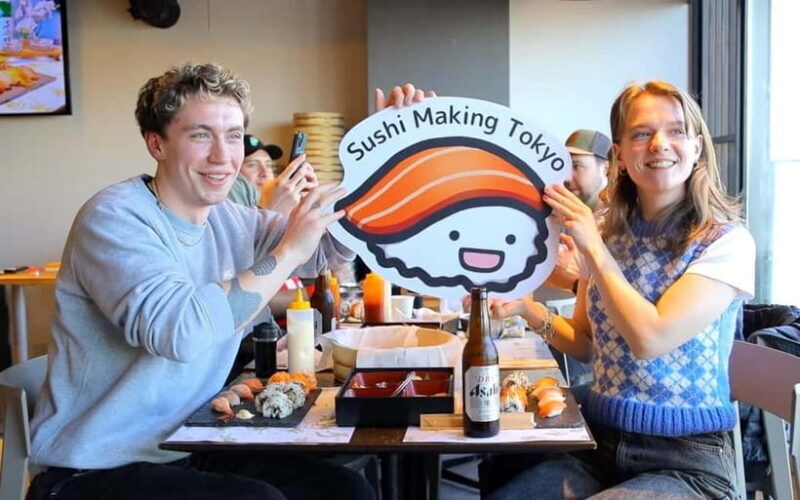
The tone is one of the class’s strongest assets. The instructors are described as funny, patient, welcoming, and encouraging, and the format suits people who want an activity rather than a formal culinary course. Families, couples, solo participants, and groups are all welcome.
If you are traveling alone, the shared class gives you a natural way to take part without needing to bring a companion. If you are with children or teenagers, sushi making gives them a task to focus on, and the friendly instruction helps keep the activity accessible. The class is wheelchair accessible, which is useful for planning, though you should contact the provider directly if you need details about a specific access requirement.
The group energy may not suit everyone equally. One participant found the clapping and high-energy approach a little touristy, even while enjoying the lesson. If you prefer quiet, highly formal instruction, expect a more social style here. The upside is that the atmosphere seems to help beginners relax and have a go.
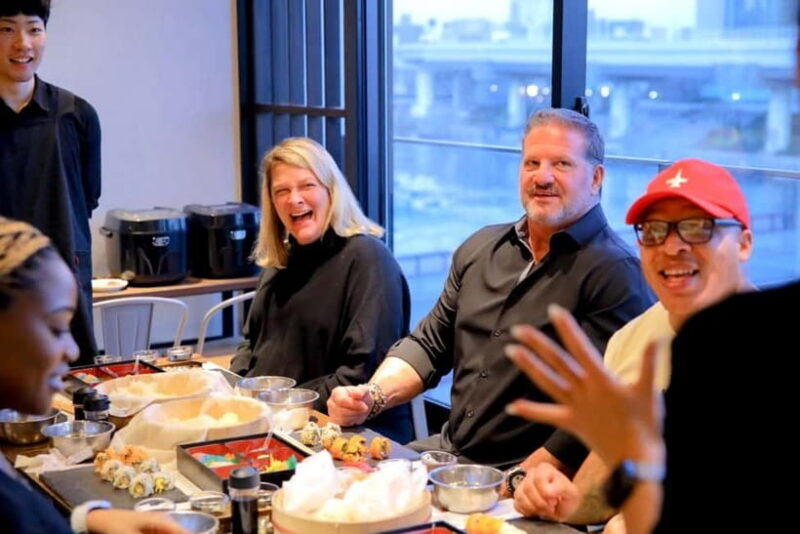
The advertised duration is 100 minutes. That is a compact window for a quiz, two styles of sushi, instruction, and eating, so the session is best understood as a brisk introduction. You get hands-on practice, but not an extended course in sushi technique.
Timing can feel different from one session to another. One account described a class lasting about 80 minutes, while another felt an extra half hour would have made the activity less rushed; a different participant described a session closer to two hours. Treat 100 minutes as the planning figure, but leave some breathing room rather than scheduling a tight connection immediately afterward.
The early session may be a smart choice if you want a smaller group. One participant who booked an earlier time found there were fewer people and received more individual attention. That is not a guarantee, but it is a useful option if you like a little more help while learning.
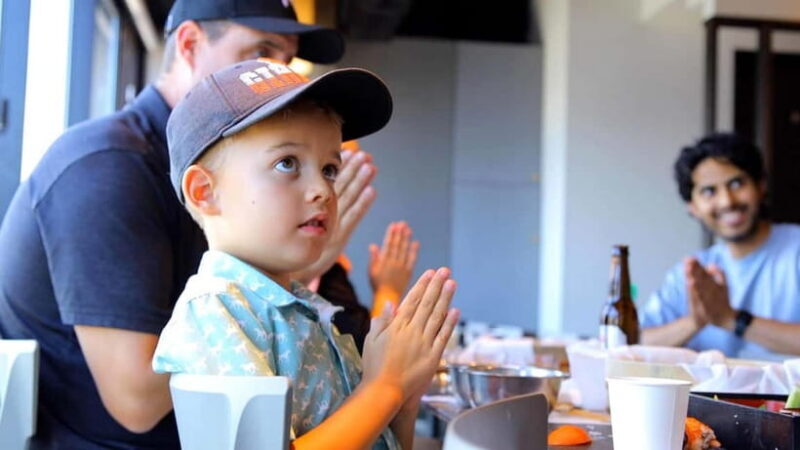
At $58 per person, the price covers the cooking class, ingredients, and an English-speaking instructor. You are paying for a structured activity and a meal you prepare, not just a short demonstration. The class’s value is strongest if you enjoy learning by doing and want a memorable change of pace from temples, shops, and restaurant meals.
It is less of a bargain if your only goal is to eat sushi. Tokyo offers many ways to have a sushi meal without spending 100 minutes learning to make it. Here, you are paying for instruction, participation, the quiz, and the shared atmosphere as much as for the food.
The class has a 4.9 rating from 1,957 ratings, and the strongest points reflected in that score are consistent: friendly teachers, clear instruction, fresh ingredients, and a fun experience. The price also includes the ingredients, which means you do not have to shop for supplies or guess what to buy before you arrive.
Vegetarian, vegan, gluten-free, and halal options are available. Contact the provider when you make your reservation if you need a menu change. The provider cannot make changes on the day, and it does not accept ingredient-specific requests, so be clear about your needs early.
The activity information states that meat, nuts, fruits, and dairy are not used. That is useful information, but it does not replace asking the provider about your particular dietary requirement or allergy. If an allergy is a concern, contact them before booking rather than relying on a last-minute adjustment.
The class is taught in English, welcomes solo participants and groups, and is wheelchair accessible. Hotel pickup and drop-off are not included. You can cancel up to 24 hours in advance for a full refund, and a reserve-now, pay-later option is offered for people who want to keep plans flexible.
I would put this class high on the list for first-time sushi makers, families with children or teenagers, couples seeking a shared activity, and solo visitors who like meeting people while doing something practical. It is also a good fit if you are already planning to visit Sensoji Temple or explore Asakusa and want a food activity close by.
Choose it for the combination of a short history lesson, hands-on maki and nigiri making, and the chance to eat your own work. Skip it if you want a quiet, deeply technical course, need a long practice session, or simply want the fastest route to lunch. For most curious eaters, the appealing part is not becoming a sushi expert in 100 minutes. It is learning enough to appreciate the craft, then sitting down to taste what you have made.
“The class was really nice! it was simple to follow and it felt great to become a sushi master at the end! Thank you so much for a great class and g…”
The stated duration is 100 minutes. Allow some flexibility around that time, since session lengths can vary.
The listed price is $58 per person.
You will make maki sushi rolls and nigiri sushi.
Yes. No previous sushi-making experience is needed, and the instructor guides you through the process in English.
The cooking class, ingredients, and instructor are included.
You make sushi during the class and eat what you prepare. The class information does not promise a separate meal.
The class is in Asakusa, about a three-minute walk from Asakusa Station. It is also close to Sensoji Temple and Tokyo Skytree.
Vegan, vegetarian, gluten-free, and halal options are available. Contact the provider when booking, as changes cannot be arranged on the day.
Yes. The instructor teaches in English.
You can cancel up to 24 hours in advance for a full refund.
You can check availability for your dates here: