Physical Address
304 North Cardinal St.
Dorchester Center, MA 02124
Physical Address
304 North Cardinal St.
Dorchester Center, MA 02124

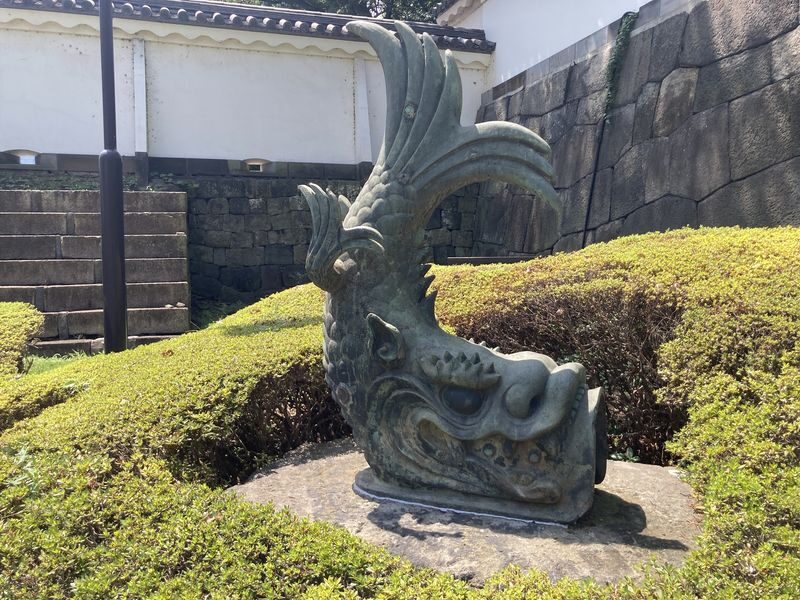
Explore Edo Castle ruins and the Imperial Palace East Gardens with a small-group guide, clear history, and a practical two-hour walking route.
Edo Castle’s story is written across the grounds of today’s Imperial Palace East Gardens: in old gates, defensive buildings, garden paths, and the remains of a former stronghold. This walking tour helps you read those traces and understand how Tokyo grew from the seat of the shoguns into Japan’s capital.
I like the small-group format, usually fewer than eight people, and the chance to ask questions as you walk. I also like that guides including Hiro, Ichiro, Keiko, and Karina have been praised for clear explanations, friendly pacing, and care in hot or rainy weather.
One important limit: you do not enter the Imperial Palace itself. The tour visits the East Gardens and historic castle grounds, which are open to the public. If you want palace interiors or a formal audience with the Emperor, this is not that tour.
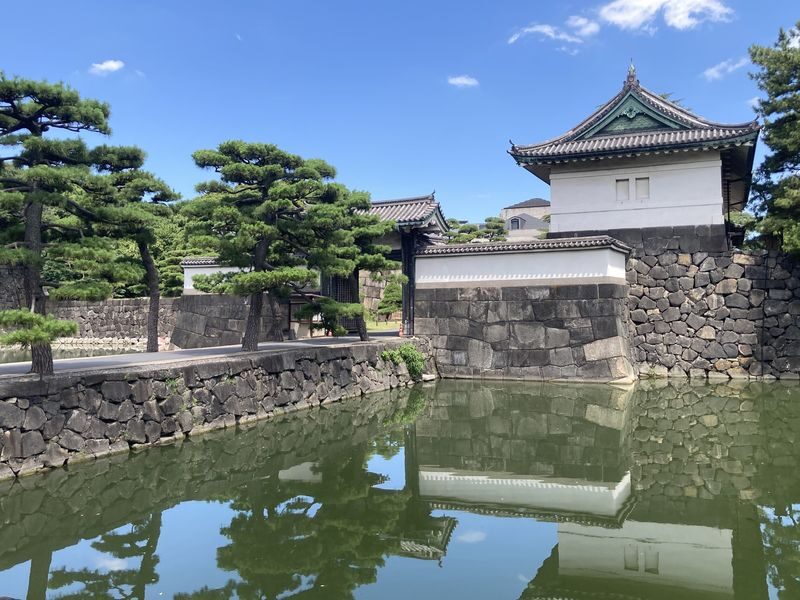
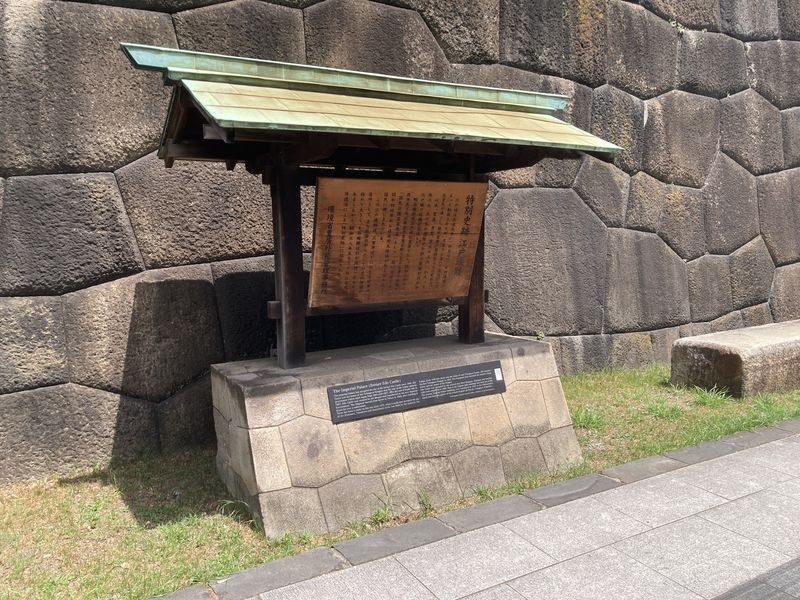
The name can create the wrong picture. The Imperial Palace is the Emperor’s residence, but this tour does not take you inside it. Instead, you meet near the palace grounds and walk through the East Gardens, where surviving structures and open spaces help tell the story of Edo Castle.
That distinction matters. The palace grounds are not a row of rooms furnished with imperial treasures. They are a place to understand the site’s earlier role as the center of shogun power, and to see what remains after the castle’s use changed. Your guide links those remnants to samurai-era Japan and to Tokyo’s development.
The East Gardens are a public area, and the package includes admission to the attractions on the route. You are paying from $18.99 for a guided visit, not for entry to a palace interior. That is a fair deal if you want the history explained as you go. If you are content to stroll independently and read what signs are available, you may prefer to visit without a guide.
If you enjoy exploring Tokyo on foot, these walking tours might also suit your style
The meeting point is in front of Starbucks Coffee at Kokyo Gaien Wadakura Fountain Park, at 3-1 Kokyogaien, Chiyoda City. Arrive five minutes before your chosen time and look for the guide holding a Fantasy Travel sign. Departure choices are listed as 10:00, 12:30, and 14:00, but use the time you selected when booking.
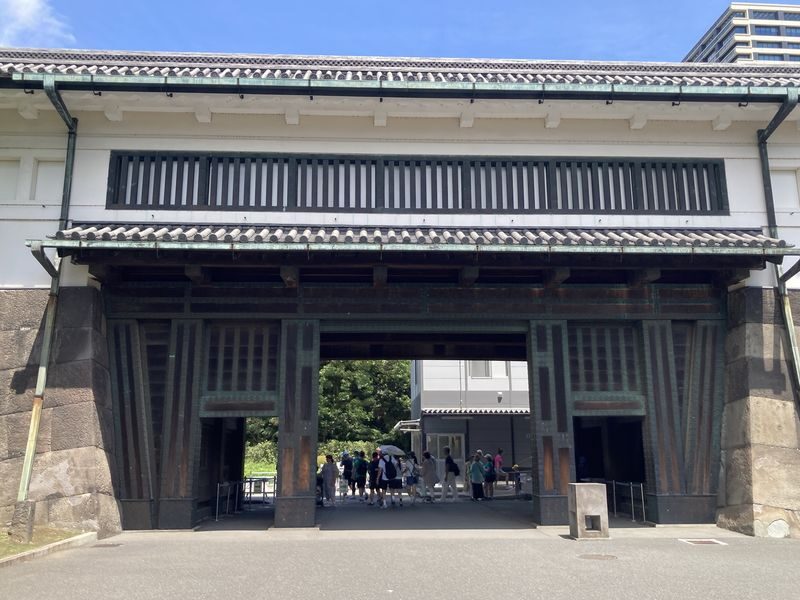
Ote-mon Gate is the first stop and sets up the castle story. The guide spends about ten minutes here, introducing the entrance and the grounds you are about to cross. Starting with a gate is useful: it gives the walk a clear threshold between modern Tokyo and the former castle complex.
From here, the route moves on foot through several sites. The return point is Ote-mon Gate, with return times that vary according to the departure slot and itinerary. The schedule can change with weather and other conditions, so think of the route as a guided walk rather than a minute-by-minute appointment.
Ninomaru Garden gets about 15 minutes. It is one of the stops where the tour’s balance shifts from military history to garden design and the meaning of the palace grounds. A guide can help you notice how this cultivated space fits into a site better known for its castle and political power.
Next comes Suwa-no-Chaya, a teahouse stop of about ten minutes. The short visit adds a quieter note to the walk and gives the guide a chance to explain the cultural role of the garden setting. It is also a good point to ask questions before the route turns back toward the castle remains.
Do not expect a long garden visit or a tea ceremony. The tour is a moving overview, with time divided among several stops. If gardens are your main interest, you may want to return to the East Gardens on your own after the tour and explore at a slower pace.
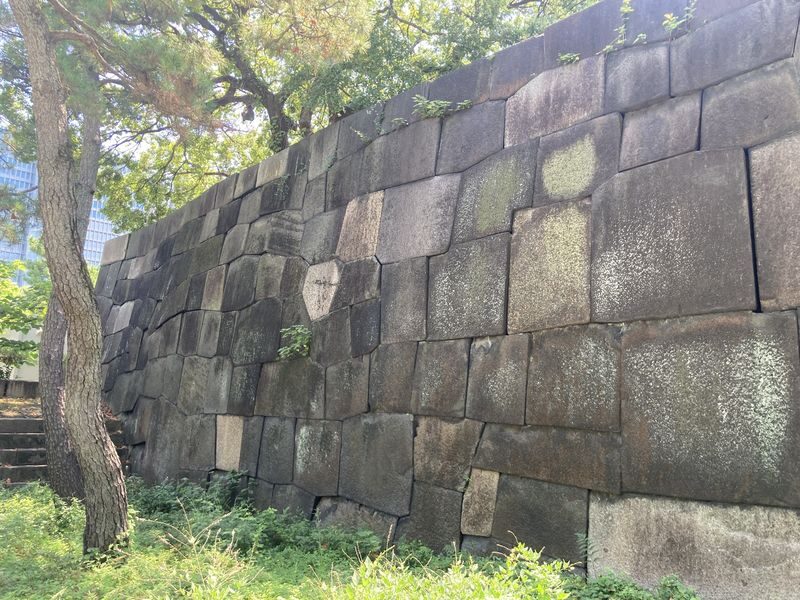
The Edo Castle Ruins receive about 15 minutes. This is the heart of the historical part of the walk: the castle was tied to the shoguns, and the remaining site gives the guide a place to explain the scale and importance of that former seat of power. The value is less about seeing a complete castle and more about understanding what the remains represent.
The route then visits Fujimi-tamon Defence House for about ten minutes and Fujimi-yagura for another ten. These stops bring the castle’s protective design into focus. The buildings and structures are easier to appreciate when you know what role they played, which is one reason a guide can add more than a quick walk through the grounds.
There is also a stop at the site of Edo Castle Honmaru Goten Palace, listed for about ten minutes. The palace itself is not presented as an intact interior to tour. Instead, the stop places the former main palace within the castle layout and helps fill in the story of the center of political life.
The Edo Castle keep restoration model gets about 15 minutes. A model can help you picture a structure that is no longer standing in its original form, making this one of the more useful stops for connecting the surviving remains to the larger castle complex.
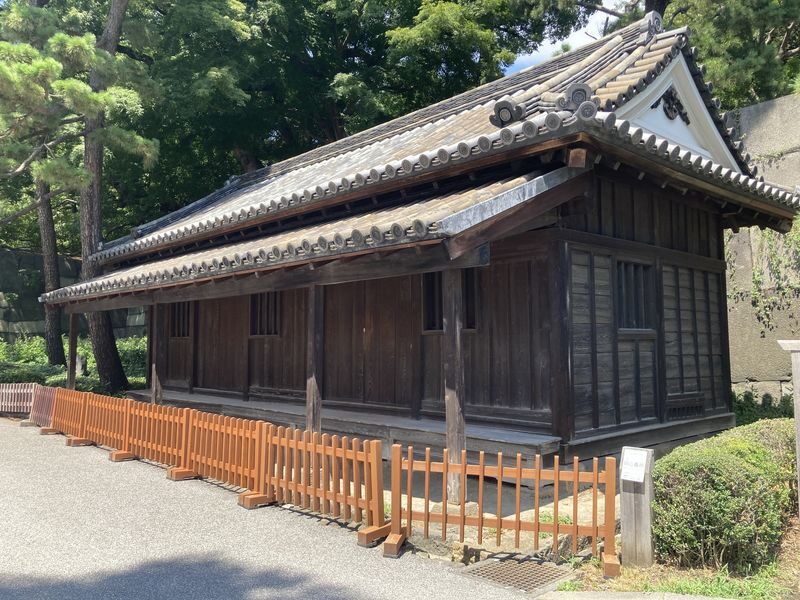
The Obansho Guardhouse receives about 15 minutes and brings the walk back to the people who protected the site. The guide can connect the guardhouse to the security needs of a castle and the samurai order around it. For many visitors, this final stop is a practical way to tie together the buildings, defenses, and political history covered along the route.
The listed stop times total around two hours, and the offered return slots align with a roughly two-hour outing. Expect to walk throughout rather than ride between sights. The route’s pace has been described as comfortable, but you should still be ready for an outdoor walk with several stops.
History buffs will find these Tokyo heritage tours enlightening
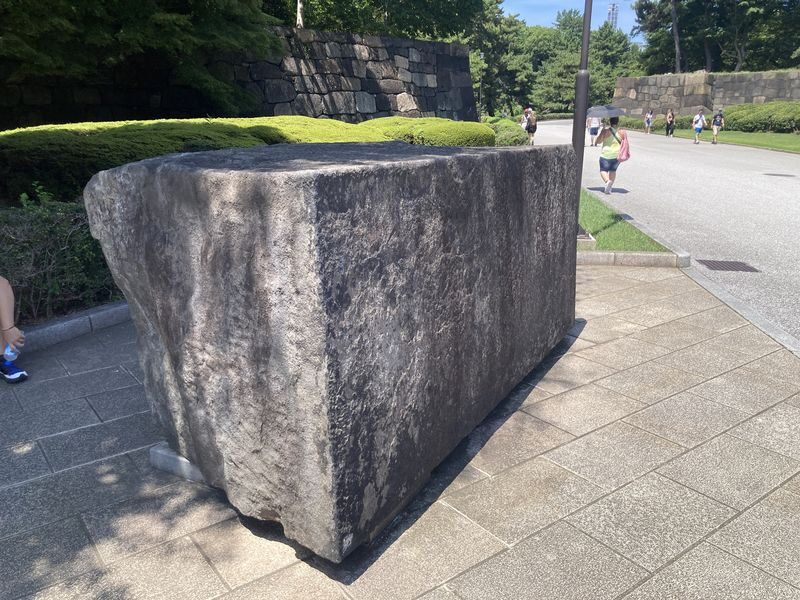
The strongest reason to book is the guide’s interpretation. The gardens and castle site can be visited without a tour, but the physical remains do not tell their own story. A guide can connect the gate, garden, defensive buildings, and palace site to the Edo period, samurai, shoguns, and the Imperial family.
Guides named in the tour’s feedback include Hiro, Ichiro, Keiko, Karina, Masa, Lauren, and Tom. Individual guides vary, of course, but the praise most often centers on clear explanations, patience with questions, and an easygoing manner. Some have used visual materials to make the history easier to picture, and a few have helped take photos at notable spots.
The small group is part of the appeal. The usual group is said to be fewer than eight, while the tour information also gives a higher possible group cap. If exact group size matters to you, check the package details before booking. A private option is available for one to four people, with additional places requiring extra people to be added.
A handful of lower ratings point to a real question: is a guide worth paying for when the East Gardens are publicly accessible? If you like reading signs and exploring at your own pace, perhaps not. If you want a structured overview, a chance to ask questions, or help making sense of the castle remains, the guide is the main value.
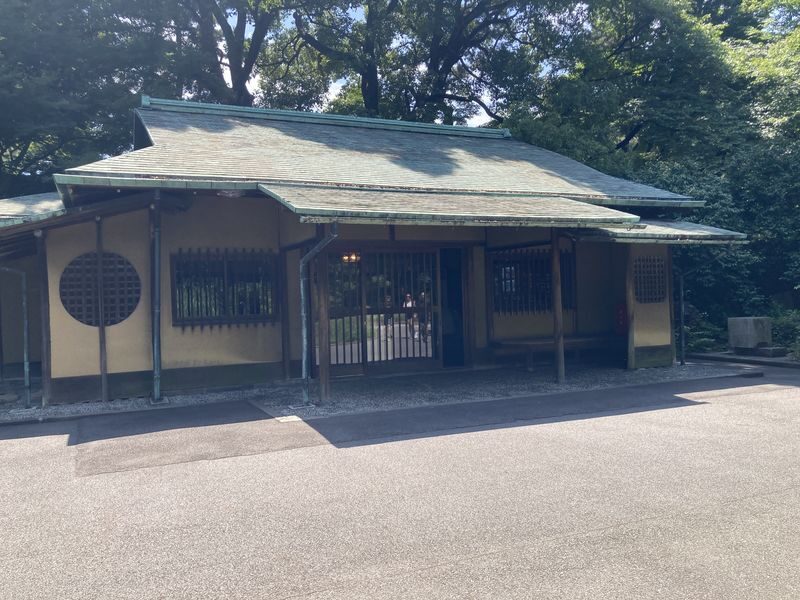
This is an outdoor activity, so Tokyo’s summer heat and rain can shape the experience. Some guides have been especially attentive about water breaks and rest stops during hot, humid days, and one tour went ahead in rain. Still, you should not count on the weather being comfortable. Bring water and dress for the forecast.
Wear casual clothes and walking shoes or running shoes. The route is not listed as wheelchair-accessible. One private-tour participant reported that a guide helped a family member using a wheelchair, but that does not change the stated accessibility limit. If you need mobility support, contact the provider before booking rather than assume the route will work for you.
The activity has no age limit. Families can bring children, and guides have been praised for being patient with younger participants. The walk is still about two hours outdoors, so consider your child’s comfort with that amount of walking and standing.

At a starting price of $18.99, the tour is an affordable way to add structure and historical context to a visit that you can otherwise make independently. The admission included is for the attractions on the route, not the Imperial Palace itself. The value comes from having a guide explain the site and answer questions, not from gaining access to a restricted building.
For a first visit to Tokyo, I think that can be a smart trade. The palace grounds are important, but the story spans castle defenses, the shogunate, gardens, and the Imperial family. A well-paced guide can make those connections in a short visit, then point you toward other places to see in the city.
The tour is less useful if you want to linger over every garden detail, take a long break, or explore without a group. Meals, drinks, personal expenses, and tips are not included. There is also a private option if you want a more personal outing, though its price may differ from the listed starting rate.
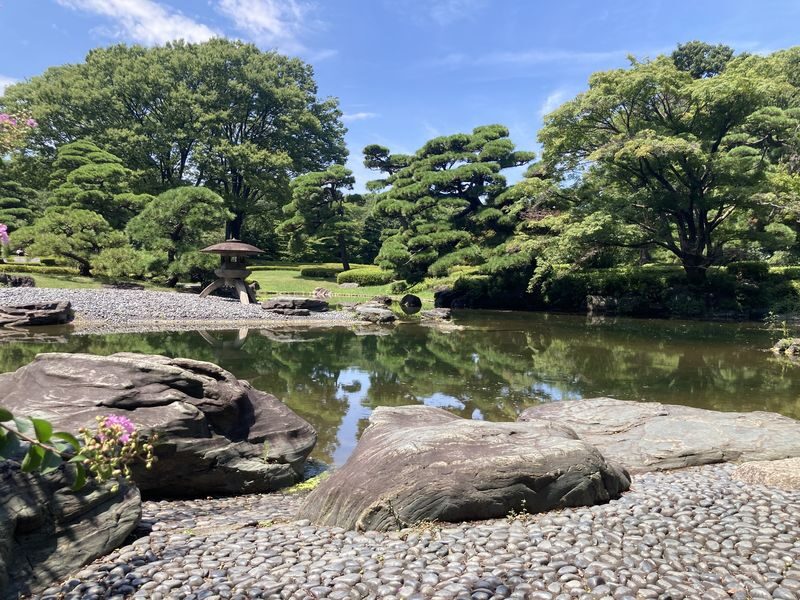
Book it if you enjoy history but do not want to piece together the site from signs alone. It suits first-time visitors, curious families, and anyone who wants a compact introduction to Edo Castle and the palace grounds. The guides’ willingness to answer questions is especially useful if you want more than a scripted overview.
Skip it if you expect to tour the Emperor’s residence, need a wheelchair-accessible route, or would rather wander at your own pace. You can still visit the East Gardens independently, but the tour is a good-value choice if a guide’s explanation is what will make the old castle site meaningful to you.
“I had a truly enjoyable and informative time thanks to the Imperial Palace tour! 😊 Thanks to the kind and detailed explanations, I was able to g…”
No. The tour visits the Imperial Palace East Gardens and historic castle grounds, but does not include entry to the Imperial Palace itself.
The listed stop times add up to roughly two hours. Return times depend on the departure time and the itinerary.
Meet in front of Starbucks Coffee at Kokyo Gaien Wadakura Fountain Park, 3-1 Kokyogaien, Chiyoda City, Tokyo. Look for the guide holding a Fantasy Travel sign.
The listed choices are 10:00, 12:30, and 14:00. You must join the time selected when booking.
Admission to the attractions on the tour and an English-speaking guide are included. Meals, beverages, personal expenses, and tips are not included.
No. The activity is listed as not wheelchair-accessible.
A full refund is available if you cancel at least 24 hours before the activity date, using destination local time. Changes are allowed until 24 hours before the activity starts, with some booking types excluded.