Physical Address
304 North Cardinal St.
Dorchester Center, MA 02124
Physical Address
304 North Cardinal St.
Dorchester Center, MA 02124

Explore Tsukiji’s food stalls and Hongwanji Temple with an English-speaking local guide, tasting market specialties at your own pace.
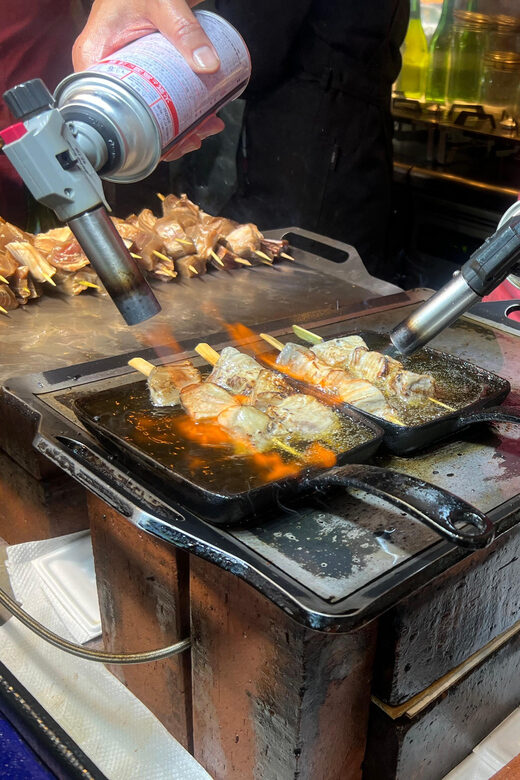
Tsukiji is at its best when you know what you’re looking at, and this two-hour walk gives you a local guide to help make sense of its maze of food stalls. You’ll start at Tsukiji Hongwanji Temple, then spend most of your time among the shops of the outer market, where you can try specialties such as tamago, oysters, sushi, eel, and wagyu beef.
I like two things especially: the guide connects the market’s food to Japanese customs and history, and you choose what to eat rather than paying for a fixed tasting menu. The small group, capped at 10, also makes it easier to ask questions and move through crowded lanes. The main consideration is that food and drinks are not included. Bring cash, and remember that a few tempting bites can add up.
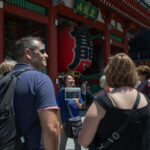
The meeting point is the Starbucks in front of Tsukiji Station. Your guide waits by the bench outside, so look for them there rather than expecting to find the group inside the café. The walking route begins with a short walk to Tsukiji Hongwanji, listed as about five minutes.
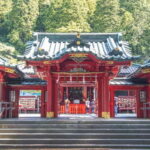
The temple is a useful first stop because it gives the outing a broader frame than food shopping alone. The building is noted for its detailed carvings and serene interior, and guides explain its history and religious context. The temple visit lasts about 15 minutes, so think of it as an introduction rather than a long architectural tour.
That opening matters. Tsukiji is famous for what gets eaten, but Japanese food is tied to customs, ingredients, and local history. Starting at the temple gives your guide a chance to introduce some of that context before you enter the market, where it can be harder to pause and listen.
After the temple, you walk back toward the outer market. The market portion takes up most of the two-hour tour, with roughly 100 minutes allotted to guided browsing and food stops. That is enough time to see a range of stalls and ask questions, but not enough to inspect every shop at leisure. If you spot something you want to buy or linger over, be ready to make a quick choice.
If you enjoy exploring Tokyo on foot, these walking tours might also suit your style
Tsukiji Outer Market is a working collection of stalls selling seafood, vegetables, dried goods, sweets, and other ingredients used in Japanese cooking. For a first-time visitor, the appeal is also the challenge: there is plenty to look at, but it can be hard to tell what is special, how an ingredient is used, or which food counter suits your tastes.
A guide helps turn that visual rush into a more legible visit. You can ask what a product is, how it fits into Japanese cooking, or what to try at a particular stall. Guides such as Rie, Jim, Yayoi, Nicolas, and Minori have led tours here, and the experience depends in part on the person guiding your group. The common thread is a walk through the market with explanations of local foods, traditions, and history.
The guide’s local recommendations are a practical advantage, not just a nice extra. Some people find the market overwhelming on their own, and a guide can lead you to particular stalls instead of leaving you to make every choice in a crowded lane. Several guides are also described as having good relationships with vendors, which can help make ordering and sampling feel less awkward. It is still a market visit, not a private shopping appointment, so be patient when stalls are busy.
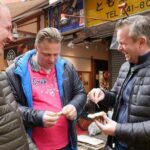
Expect a mix of conversation and stopping to look, taste, or shop. The guide may explain a specialty and recommend a few options, but you decide what to order. That flexibility is handy if you dislike seafood, want to avoid certain foods, or simply want to spend your tasting budget on a couple of favorites. One useful point: an individual guide can help you make choices, but the tour information does not promise a particular menu or guarantee that every stall will have every item.
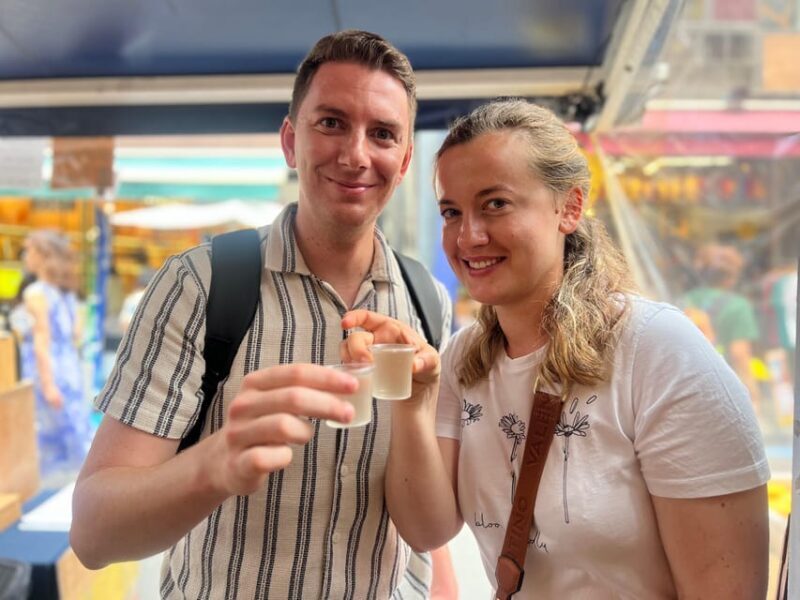
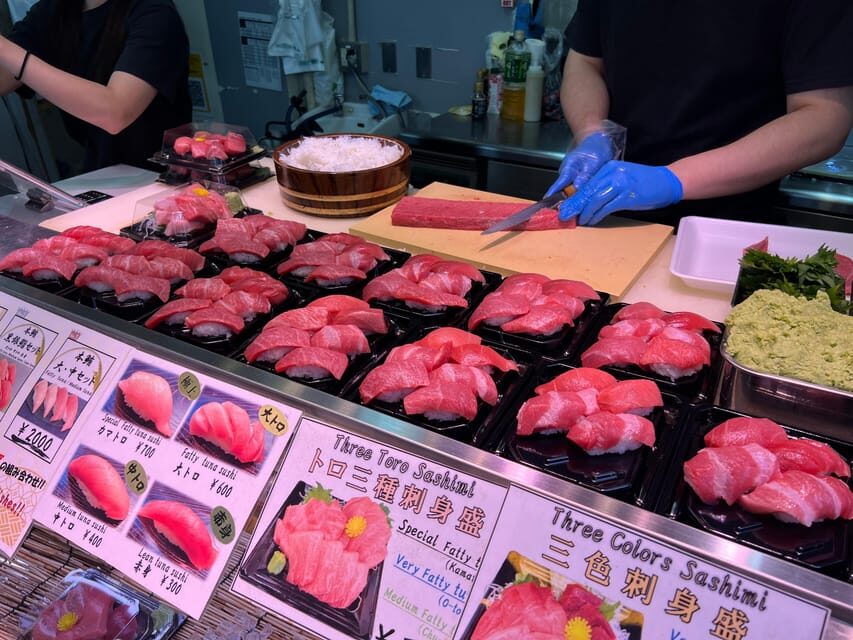
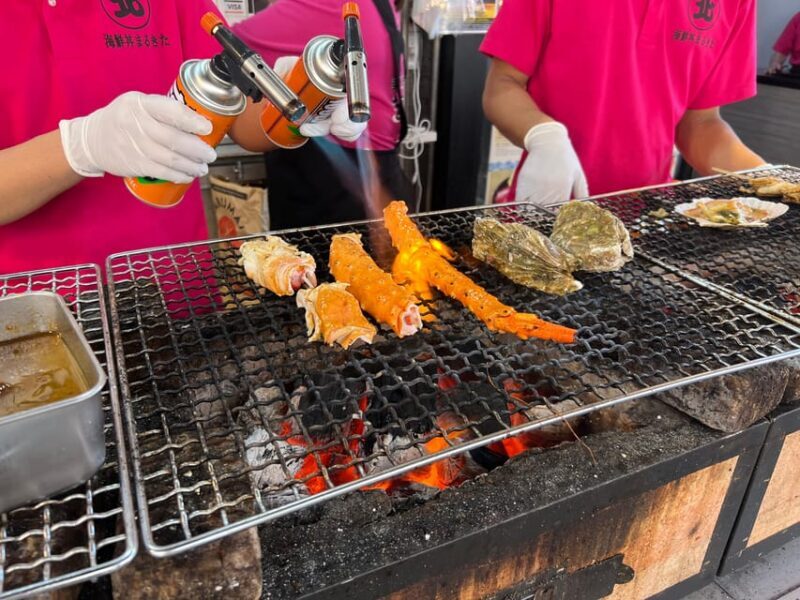
Food is the fun part, but the costs are separate. The tour itself is $22 per person, and you pay for whatever you choose at the stalls. Examples from the tour experience include tamago, sushi, oysters, tuna, wagyu beef, eel, sea urchin, nuts, dried seafood, and sweet treats. You should not expect to sample every one of these in a single visit; the selection depends on what interests you, what is available, and how much you want to spend.
This setup is a real strength for visitors with different tastes. You are not locked into a set menu, and you can skip raw fish, choose something familiar, or try a small bite that is new to you. Some stops may offer samples, but do not plan your meal around free food. Bring cash, set a rough tasting budget, and keep a little flexibility for a specialty that catches your eye. Some individual items can feel expensive, so check the price before ordering if you are watching your spending.
If you are unsure what to try, ask your guide to explain the options and suggest a good first bite. Guides have taken groups to their favorite food stalls and offered recommendations across both savory and sweet foods. One guide also helped a group pick up water before entering the market, a small but sensible move on a walk that includes tasting and browsing.
The market is not only a place to eat. You may also see specialty ingredients and dried goods that are part of everyday Japanese cooking. Your guide can explain how different seafood, vegetables, and seasonings are used, giving the displays more meaning than a row of unfamiliar products. If you want to shop, however, remember that two hours passes quickly. Decide whether your priority is tasting, learning, or buying ingredients, and tell your guide what you hope to focus on.

At $22, this tour is a modestly priced way to get an introduction to an area that can be confusing without local context. You are paying for a two-hour guided walk, explanations of the temple and market, and help finding food stalls. The English-speaking guide and group limit of 10 add practical value: the group is small enough to make questions and ordering easier than they might be on a large coach-style outing.
The price does not cover food or drinks, which is worth stressing when you compare it with a food tour that includes a fixed tasting package. Here, you have control over your spending, but your total cost depends on what you buy. If you only want a few bites, the tour can remain affordable. If you order several premium foods, such as wagyu or seafood, budget beyond the ticket price.
The tour also includes photos taken during the walk, and entry to the market and temple is free. Those inclusions make the basic price straightforward, but they do not change the main calculation: you are buying guided access and interpretation, not a meal. For someone who enjoys exploring independently and can comfortably read menus and make sense of unfamiliar ingredients, wandering alone may cost less. For a first visit, the guide can save time and help you make better-informed choices.
The activity has a 4.9 rating from 1,397 ratings, a strong signal that the format works well for many people. Still, the rating should not lead you to expect a fixed set of foods or an identical route every time. The guide, market conditions, your group’s pace, and your own food choices all shape the visit.
More Great Tours Nearby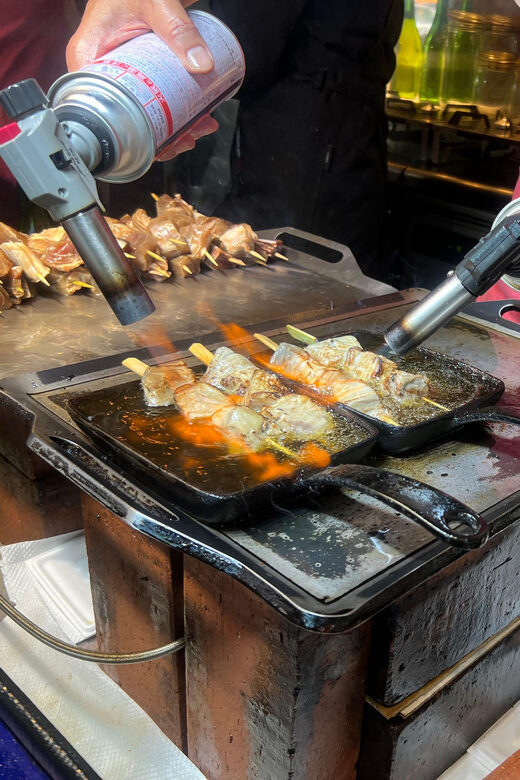
Two hours is a good length for a first look, but it is a brisk one. The route includes a short walk to the temple, a 15-minute temple visit, and about 100 minutes in the outer market. You will have time to explore several stops, not to cover every lane or linger at every counter. Wear comfortable walking shoes and be ready to keep moving with the group.
The small-group cap of 10 helps with the market’s narrow, busy spaces. It also makes it easier to hear the guide and ask questions than it would be with a much larger party. The tour is offered in English, and starting times vary, so check availability for the day you want.
Bring cash for food and market purchases. The tour information does not say that food is included, and payment happens separately as you decide what to order. If you have food allergies or strong dietary preferences, tell the guide and ask about ingredients before buying. The choice-based format can make it easier to skip unsuitable foods, but no specific allergy accommodations are guaranteed.
You can cancel up to 24 hours in advance for a full refund, and the reserve-now, pay-later option keeps you from paying at the time of booking. Those policies offer some flexibility if your Tokyo plans change. The meeting point is the Starbucks in front of Tsukiji Station, where the guide waits by the bench outside.
If you prefer having a local expert, these guided Tokyo experiences could work well
This tour is a good fit if Tsukiji is new to you, you want a guide to explain what you are seeing, or you enjoy tasting foods without committing to a set meal. It also suits curious eaters who want to try local specialties but would rather have help choosing than wander from stall to stall guessing.
It is especially useful early in a Tokyo visit. The guide’s explanations and recommendations can help you get your bearings, and you can return to a favorite stall or explore further afterward. If your main goal is a long, sit-down meal, this is not that. It is a walking tour with short food stops, market browsing, and a brief temple visit.
The experience may be less appealing if you want every food cost bundled into one price, dislike crowded market lanes, or prefer to explore entirely at your own pace. And if you already know Tsukiji well, the added value will depend on how much you want a guide’s food and cultural perspective.
Book this tour if you want a manageable introduction to Tsukiji, with a guide to explain the market and help you find worthwhile food stops. At $22, it offers good value for a small-group, two-hour walk, as long as you budget separately for anything you eat or buy. Bring cash, keep your tasting choices open, and go hungry enough to enjoy a few bites. If you prefer to browse alone or need an all-inclusive food price, you may be happier making your own way around the outer market.
“Amazing tour! it is really nice to go with a local. He shared info about the history and gave us very useful recommendations. it was very fun to do…”
The tour lasts two hours. It includes a short walk to Tsukiji Hongwanji, about 15 minutes at the temple, and roughly 100 minutes in Tsukiji Outer Market.
The price includes a guided walking tour in Tsukiji, photos taken during the tour, and entry to the market and Hongwanji Temple. Entry is free. Food and drinks are not included.
Meet at the Starbucks in front of Tsukiji Station. The guide waits by the bench outside.
Yes. The live tour guide speaks English.
The tour is limited to 10 participants.
Yes. Cash is listed as something to bring, and you pay separately for any food or drinks you choose to order.
You can check availability for your dates here: