Physical Address
304 North Cardinal St.
Dorchester Center, MA 02124
Physical Address
304 North Cardinal St.
Dorchester Center, MA 02124

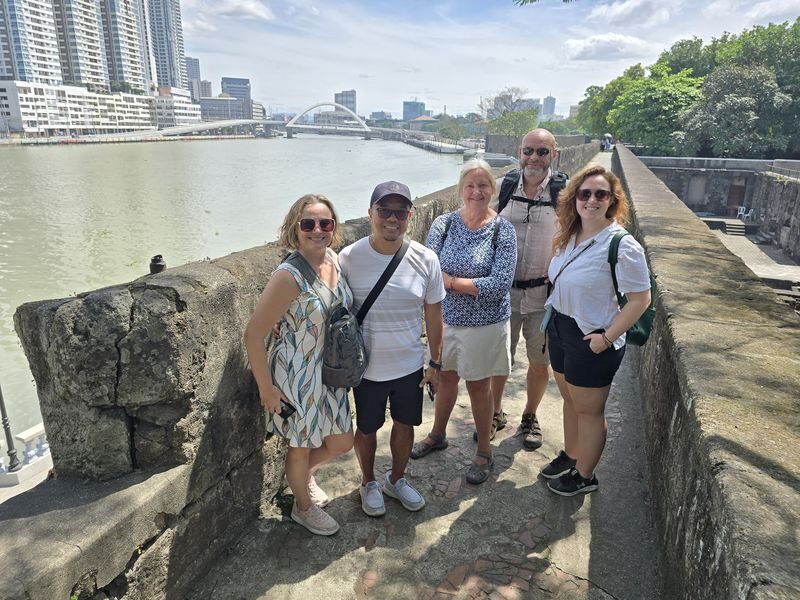
Walk Intramuros with a DOT-accredited guide, visit Fort Santiago and Casa Manila, and hear stories that bring Manila’s walled city to life.
Intramuros makes more sense when you walk it with someone who can connect its stone walls, church plazas and old houses to the people and events that shaped Manila. This three-hour tour takes you through the Walled City on foot, with Fort Santiago and its dungeon among the main stops.
I like two things in particular: the guide adds context to places that can otherwise feel like a string of old buildings, and admission to Fort Santiago and Casa Manila is included. Guides such as Russell, Steven and Cedhie have been praised for answering questions, using old photos and making history lively without turning the walk into a lecture.
The main drawback is the weather. Intramuros is an outdoor walk over cobbled streets and old walls, and Manila’s heat can make three hours feel longer. You get water, sunscreen and bug spray, but bring an umbrella or other sun protection too.
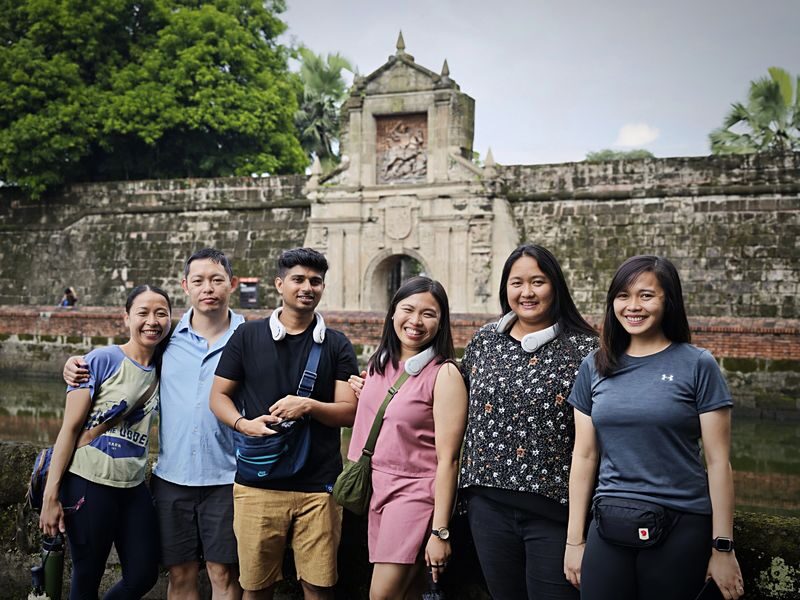
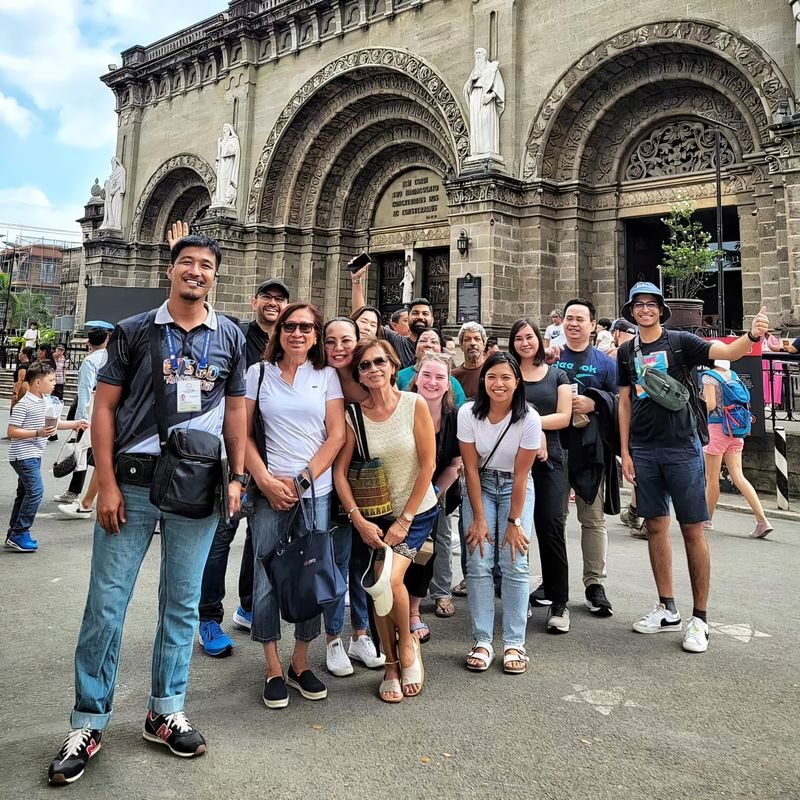
Intramuros is Manila’s walled historic core, and its appeal lies in the way its places fit together. A fortress, a church, a plaza and a grand old house each tell a different part of the story. On your own, you can see the architecture; with a guide, you can better understand why these sites matter and how the city’s past relates to the Philippines today.
This tour is designed as an easy-paced, guided walk rather than a vehicle excursion. You move along cobbled streets, through plazas and church areas, and over centuries-old walls. The walking itself is part of the experience: it gives you time to notice the scale of the fortifications and the changing character of the streets.
The guide’s role is especially important here. The sites cover complex and sometimes painful chapters of Philippine history, and the tour is at its best when facts are connected to personal stories, historical images and the present-day city. Russell is repeatedly singled out for his energy and ability to link dates and events; Steven is praised for a lively approach and humor; and Cedhie has used old photographs and aerial views to help explain how the area once looked. Guide assignments can vary, so you should not assume you will have a particular person.
If you enjoy exploring Manila on foot, these walking tours might also suit your style
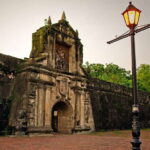
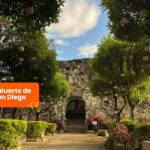
Fort Santiago is one of the tour’s main anchors. It is an iconic citadel with a long record of national hardship and achievement, and its walls give you a sense of the defensive role Intramuros once played. A guide helps place the fort in a wider account of Manila rather than leaving you to take in the gates and stonework without context.
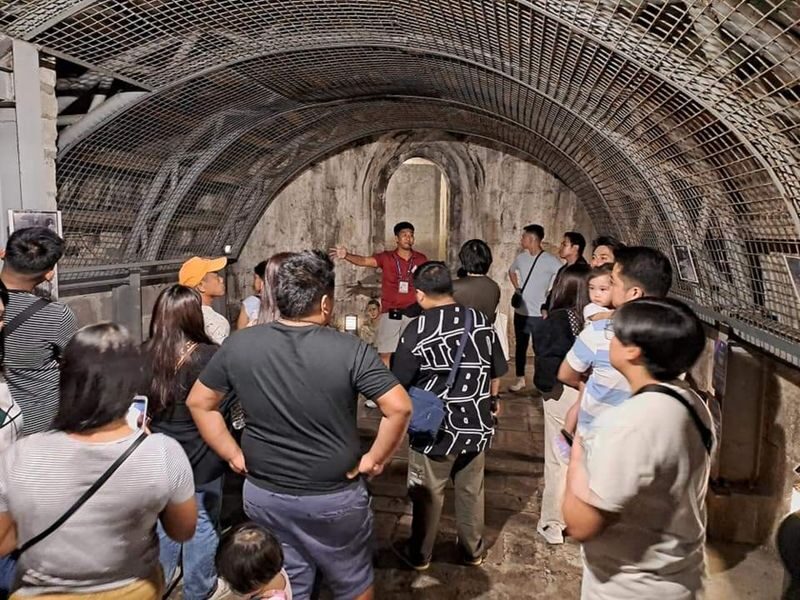
The dungeon adds a more sobering note. It is a chance to learn about the site’s haunting past, and the guide can help explain why the space matters beyond its dramatic appearance. This is not simply a scenic corner of the walk; it is one of the stops where the country’s history can feel most immediate.
Allow yourself to listen closely here. Some parts of the tour touch on difficult events, and the subject matter can shift the mood from light sightseeing to reflection. Guides are praised for handling the material with care while still keeping the tour approachable. If you have questions, this is a good place to ask them.
Fort Santiago admission is included in the tour price. That makes the cost easier to assess, since you are not paying the guide fee and then discovering that a principal site requires another ticket.
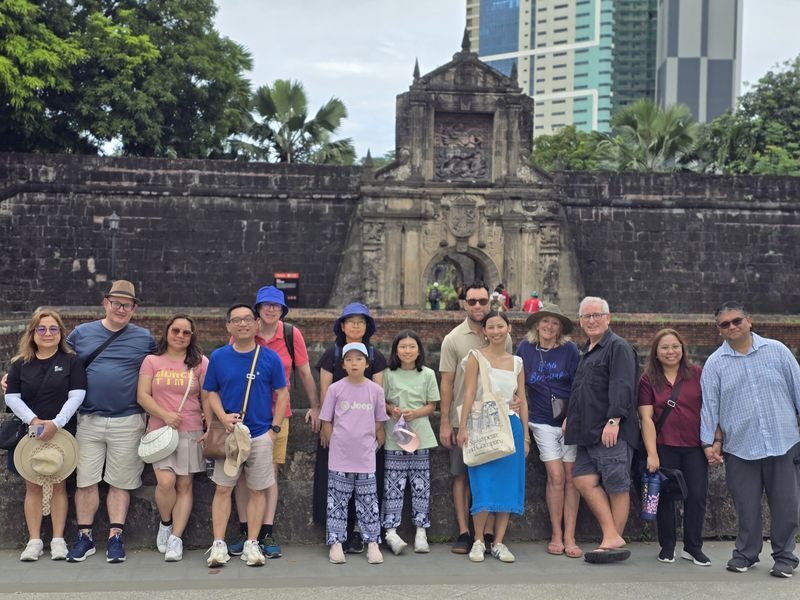
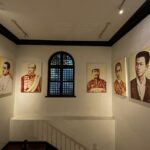
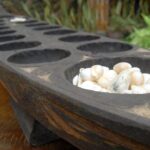
Casa Manila provides a counterpoint to the fortress. Rather than focusing on military power and conflict, it offers a glimpse of elegant colonial living and the details of a historic home. The change of setting helps the tour show more than one side of life in the Walled City.
For many visitors, this is where architecture becomes easier to picture as daily life. A house tells you about domestic spaces and social customs in a way a wall or gate cannot. The museum also gives the walk a useful change of pace after the fort and its more difficult stories.
Admission to Casa Manila Museum is included. The tour’s return point is listed at the Casa Manila Museum in the Plaza San Luis Complex, on General Luna Street. That gives you a natural point to decide what you want to do next, although meals and other personal expenses are your responsibility.
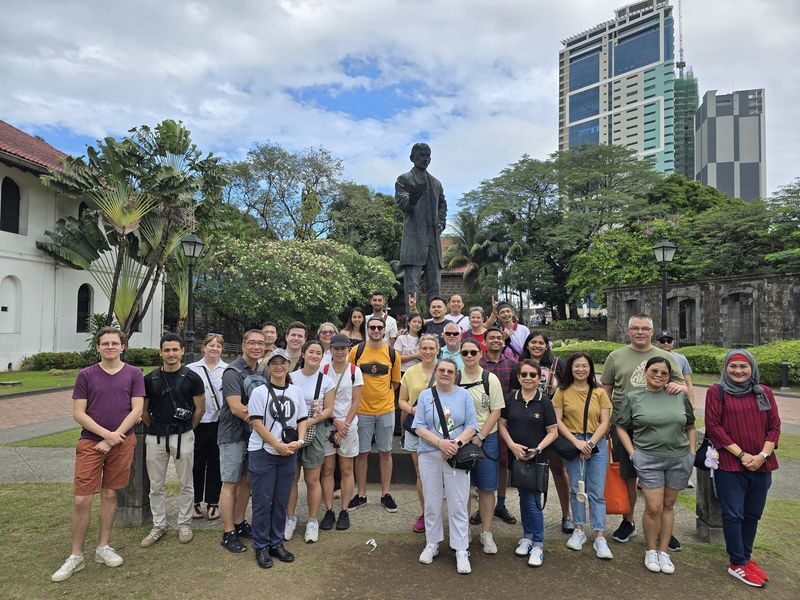
The walk also takes in the wider fabric of Intramuros: streets, plazas and churches that have stood for centuries. San Agustin Church is named as one of the places whose story you may hear, while the route may also include landmarks such as Manila Cathedral. The exact sequence can change with weather and conditions, so think of the experience as a guided exploration rather than a fixed march from one timed stop to the next.
The old walls offer a different view of the city and a chance to understand Intramuros from its edges. Walking above street level brings the scale of the fortifications into focus. It also gives you a break from the enclosed feel of narrow streets, with photo opportunities at key landmarks along the way.
The visual variety is part of the value. You move from stone defenses to religious sites, public spaces and domestic interiors, with the guide tying them together. The tour can help you build a mental map of the historic district quickly, particularly useful if Manila is new to you or you have only a short stay.
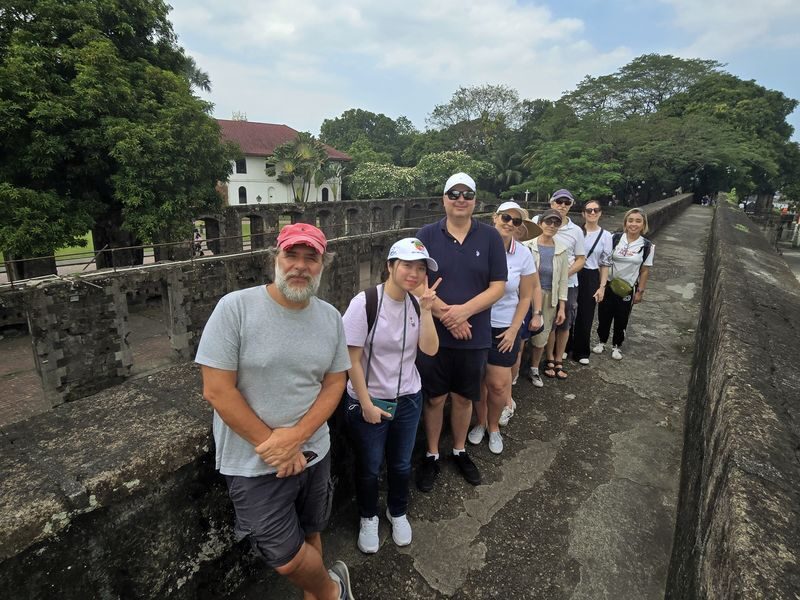
The clearest strength of this experience is its guiding. The guide is not just there to point out buildings. The best version of this walk gives you a usable timeline, explains the significance of each stop and makes room for questions. Many participants have particularly praised Russell’s enthusiasm and skill at making history feel approachable; Steven is often described as funny as well as informative, while Cedhie has brought visual material to help make the past easier to picture.
That style matters if you are visiting Manila with little background in Philippine history. Several guides have been praised for linking the country’s past to present-day culture and identity. Filipino participants have also found the tour meaningful as a way to revisit their own heritage, while visitors from abroad can use it as a clear introduction to the city.
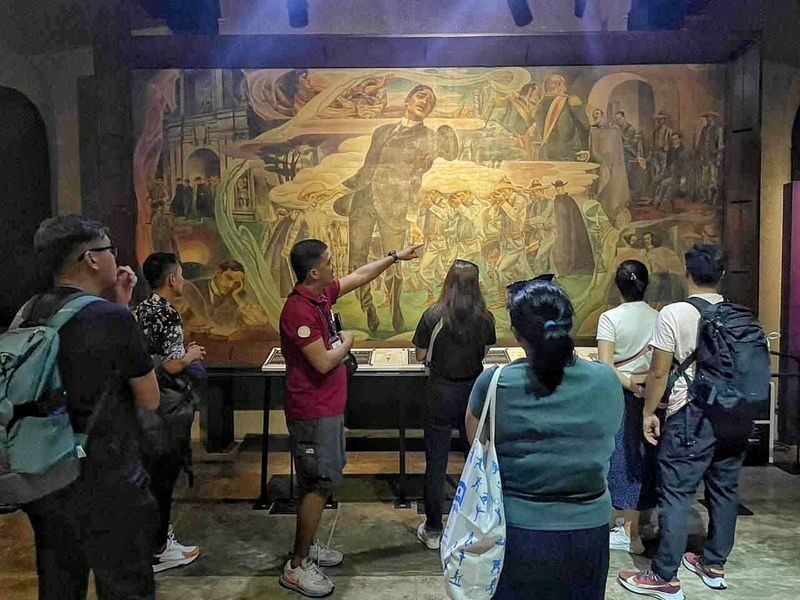
The experience is not just a list of dates. Guides may share personal insights, explain how sites fit into the wider story and correct common misunderstandings. One useful detail mentioned about Cedhie’s approach is the use of a scrapbook or tablet with old photographs and aerial views. Such visual aids can make changes to the area easier to grasp, though the specific guide and materials can vary.
You should expect an educational walk, not a theatrical performance or a highly scripted show. The tone is described as friendly and interactive, with humor in the mix. Some information may feel repetitive if you already know the subject, but that repetition can also help connect different locations into one story.
The tour lasts about three hours, and Manila’s weather deserves a place in your plans. Several participants have found the heat challenging, even when the guide did their best to keep the walk comfortable. The operator provides bottled water and free use of sunscreen and bug spray, which are practical touches on a long outdoor outing.
Bring an umbrella or other sun protection, especially for a midday walk. The morning departure runs from 9:00 AM to noon; the afternoon option runs from 3:00 PM to 6:00 PM. Neither schedule eliminates the possibility of heat or rain, so dress for being outdoors and wear footwear suited to walking on cobbled streets and old surfaces.
The tour is described as easy-paced and suitable for all ages, with no age limit. That does not mean every participant will find three hours in the heat effortless. If you are traveling with young children or anyone who needs frequent rests, consider whether a private tour would make it easier to manage the pace and questions. No specific accessibility details are provided, so ask the operator directly if you need to know about steps, surfaces or mobility requirements.
Weather and traffic can affect the schedule. The meeting point is the entrance to Fort Santiago, in front of the United Philippine Lines building on Sta. Clara Street. Arrive 15 minutes early; late arrivals and no-shows are not refundable. The operator can be contacted through Viber or WhatsApp at +63 916 296 7397, or by email at [email protected].
The advertised cost varies by package and booking: the join-in tour is listed from US$23.89, the summary price starts at $27.49, and the private tour starts at US$111.45. Check the current price for your date before booking, since the final amount may depend on the option you select.
To judge the value, count what is included. You get a DOT-accredited English-speaking guide, the guide fee, bottled water, admission to Fort Santiago and Casa Manila, plus sunscreen and bug spray. You do not pay separately for those two main museum and heritage stops, though you will need to cover your meals, other drinks, transport to and from the meeting point, and personal expenses.
The join-in option is the sensible pick if you want a guided introduction at the lower price. Group size is not specified, and it may vary. The private option costs substantially more, but may suit families or people who want more room to ask questions and keep the experience centered on their own interests. Neither format includes hotel pickup or drop-off.
The guide is a large part of the value. Intramuros is easy to photograph, but its meaning can be harder to piece together from signs alone. If you care about understanding the places rather than simply seeing them, a three-hour guided walk can make the admission costs and guide fee worthwhile.
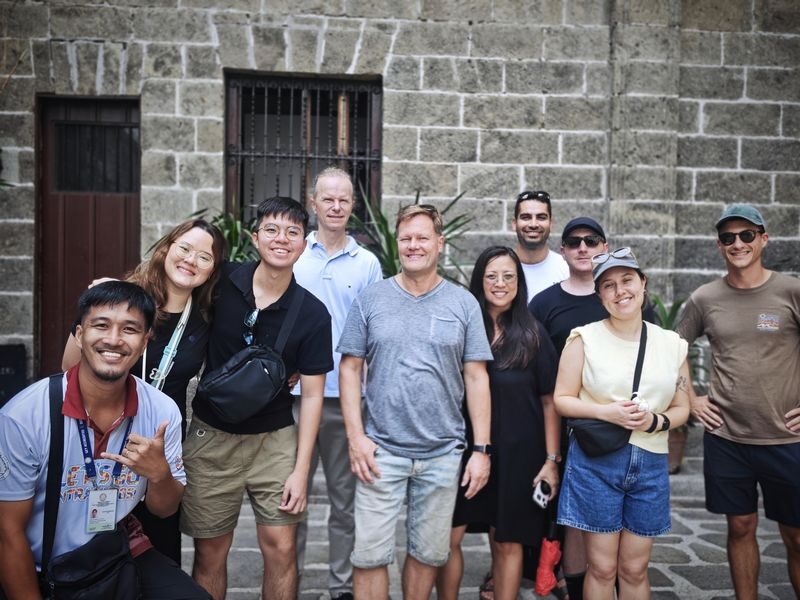
This tour suits first-time visitors who want a clear introduction to Manila, history enthusiasts, and anyone curious about the Spanish and Japanese influences discussed along the route. It can also be rewarding for Filipinos and people with Filipino heritage who want to explore the country’s past through its historic center.
It is less suited to someone who wants a cool, indoor activity or prefers to move at their own pace without a guide. You will be outside for much of the experience, and the route involves walking over old streets and walls. If heat is a concern, choose the time that best suits you, carry sun protection and confirm any mobility questions with the operator before booking.
Schedules, weather and the exact route can vary, but the central appeal remains the same: Fort Santiago, Casa Manila and the streets between them become more meaningful when someone explains the people and events behind the stonework.
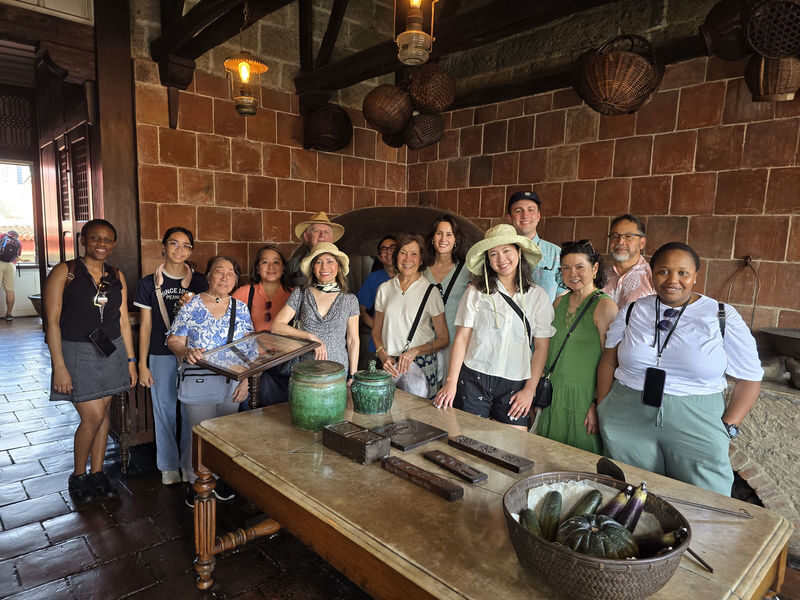
I would book this tour if you want more than a quick look at Intramuros. The combination of Fort Santiago, its dungeon, Casa Manila and the historic streets gives you a compact overview, while an engaging guide can turn a half-day walk into a useful introduction to Manila and Philippine history.
Choose the join-in tour for the best value, or pay more for a private experience if conversation and a personal pace matter to you. Bring sun protection, arrive early and keep expectations focused on a substantial outdoor walk. If that sounds like your kind of Manila morning or afternoon, this is a practical way to understand the Walled City.
“We had an amazing time on our Intramuros tour! Our guide, Steven, was very informative and did a great job answering all of our questions. He also …”
The tour is scheduled for about three hours. Morning tours run from 9:00 AM to 12:00 PM, and afternoon tours run from 3:00 PM to 6:00 PM.
Meet at the entrance to Fort Santiago, in front of the United Philippine Lines building on Sta. Clara Street. You are asked to arrive 15 minutes before departure.
The walk includes Fort Santiago and its dungeon, Casa Manila, old walls, streets, plazas and churches. San Agustin Church is among the landmarks discussed.
Yes. Admission to Fort Santiago and Casa Manila Museum is included in the tour price.
The tour includes a DOT-accredited English-speaking guide, the guide fee, bottled water, photo opportunities at key landmarks, and free use of sunscreen and bug spray.
No. Hotel pickup and drop-off, meals, beverages and other personal expenses are not included.
Yes. You can choose a join-in tour or a private tour. Prices vary by package, so check the current amount when booking.