Physical Address
304 North Cardinal St.
Dorchester Center, MA 02124
Physical Address
304 North Cardinal St.
Dorchester Center, MA 02124

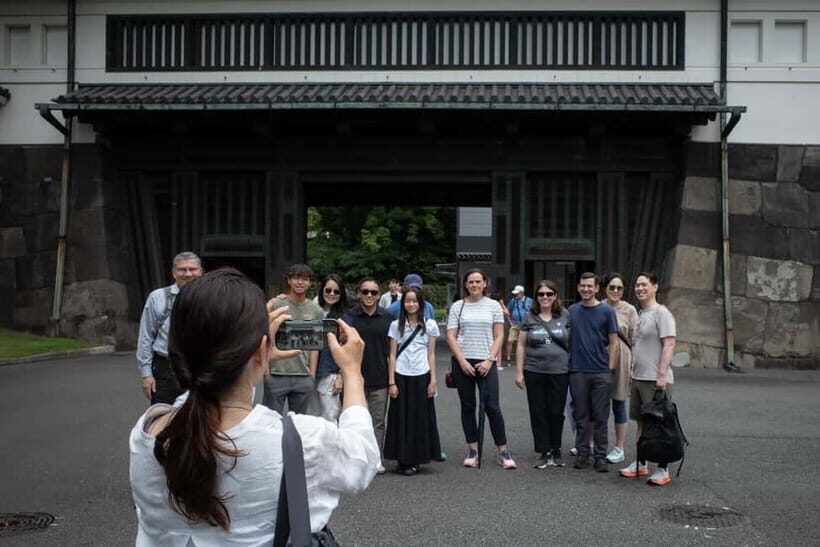
Trace Edo Castle’s walls, gates, and gardens on a 150-minute Tokyo walk with an English-speaking guide for $19 per person.
Edo Castle’s traces are not just old stones to walk past. On this 150-minute tour, a guide helps you picture the shogun’s former stronghold through its remaining walls, gates, guard houses, and watch towers, then takes you into gardens that soften the scale of the site.
I like two things especially: the guide adds context to the castle remains, which can be hard to interpret on your own, and the route pairs military history with the quiet design of Ninomaru Garden. Guides such as Mei, Kei, Wakana, and Loc are frequently named for making the stories clear, lively, and easy to follow, though your guide will depend on your date.
The main limitation is simple: you do not go inside the Imperial Palace. This is an outdoor walking tour of the East Gardens and former Edo Castle grounds, so it suits you best if you want history, garden scenery, and a guided introduction rather than palace rooms or an indoor visit.

Tokyo’s Imperial Palace East Gardens occupy part of the former Edo Castle grounds, once home to the Tokugawa shoguns during the Edo period. Today, the site brings together traces of a formidable castle and carefully tended gardens in the middle of the capital. That contrast is the heart of the walk.
You are not touring the Imperial Palace interior. Instead, you explore the East Gardens, where castle foundations and defensive structures share space with lawns, trees, ponds, bridges, and clipped plantings. The former Honmaru area was the castle’s main compound; seeing its remnants gives the tour a clear historical anchor.
I find this kind of visit more rewarding with a guide than as a simple stroll. A wall or foundation can be striking, but it does not explain the scale or purpose of a castle on its own. A guide can connect the remains to Edo Castle’s layout and defensive strategies, making the site easier to read as you walk.
The tour also offers a useful change of pace from Tokyo’s modern streets. You get a sense of the city’s older political center, then step into garden spaces designed for a different kind of attention. The history is not sealed behind glass. It sits outdoors, alongside the present-day city.
You can check availability for your dates here: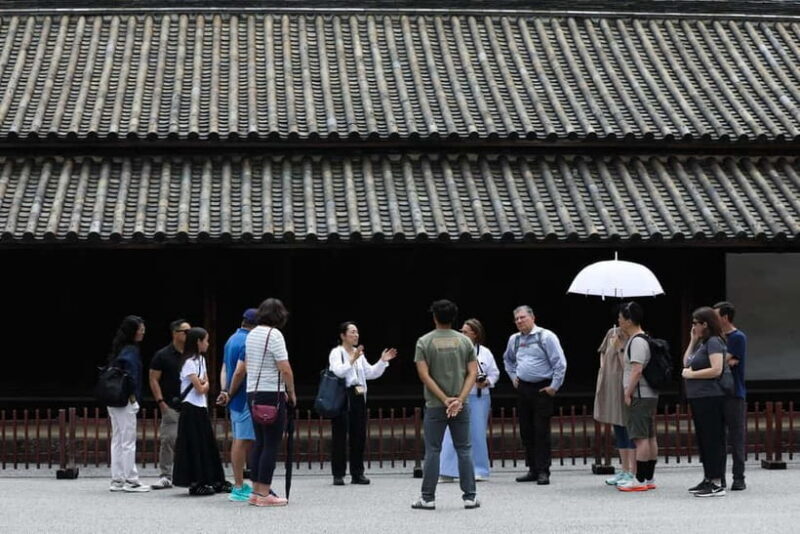
The meeting point is near Starbucks Coffee at Kokyo Gaien Wadakura Fountain Park, at coordinates 35.6829933, 139.7611971. The guide waits nearby, and the tour returns to the same starting area. Take care to look for the guide in the vicinity rather than assuming the group meets inside the café.
The meeting point is practical for an outing that begins and ends in the same part of central Tokyo, but allow time to find the exact spot. The tour itself lasts 150 minutes, so plan for a substantial walk rather than a quick look around the grounds. Starting times vary, and you need to check availability for your chosen date.
The experience is offered in English, and the guide is included in the $19 per-person price. The tour is listed as wheelchair accessible, a helpful detail if access is a concern. Since the route is outdoors, weather can shape the feel of the visit. Rain has not stopped every outing, but bring clothing suited to the forecast.
If you enjoy exploring Tokyo on foot, these walking tours might also suit your style
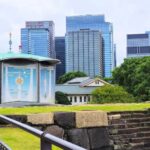
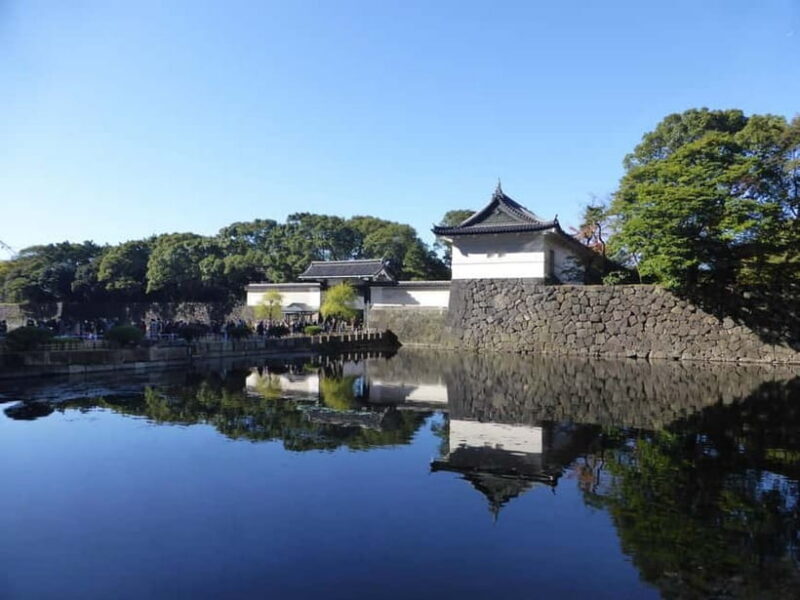
The Honmaru area was once the heart of Edo Castle. What remains today is not a complete castle, but foundations, gates, and defensive features that help outline the former compound. This is where the guide’s explanation matters most: the site asks you to imagine what is no longer standing.
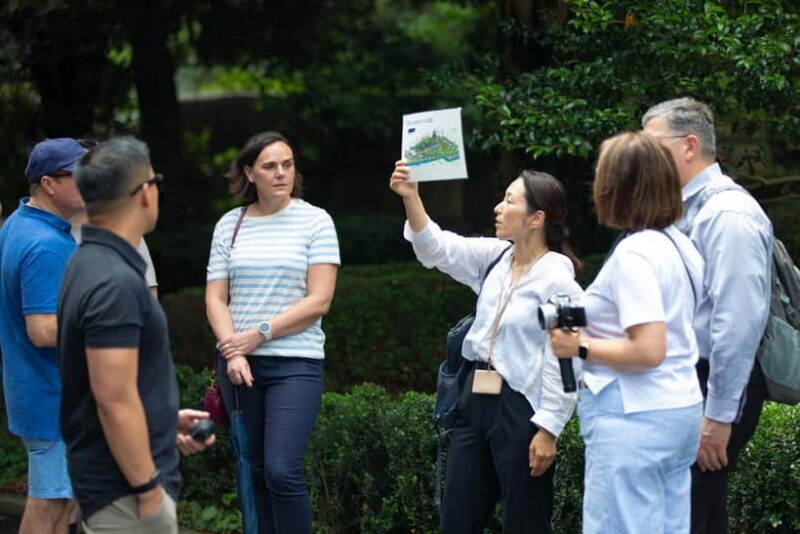
Expect to look closely at surviving stonework and other remnants while hearing how the castle was arranged and defended. Some guides use printed maps or photographs to show what the grounds once looked like. Such visual aids can bridge the gap between a low foundation in front of you and the far larger structure it once supported.
Stone walls and guard houses are more than picturesque details. They hint at how people moved through the grounds and how access was controlled. Watch towers and gates add to that picture of a place built for protection as well as power. You will not see every structure intact, so this part of the walk rewards patience and a willingness to picture the past.
The stories extend beyond architecture. Guides explain the shoguns and the Edo period, and the tour sets that world against modern Japan and the present-day imperial family. Several guides are praised for mixing facts with humor and answering questions in a relaxed way. That can make the history easier to absorb, especially if you are new to Japan’s political past.
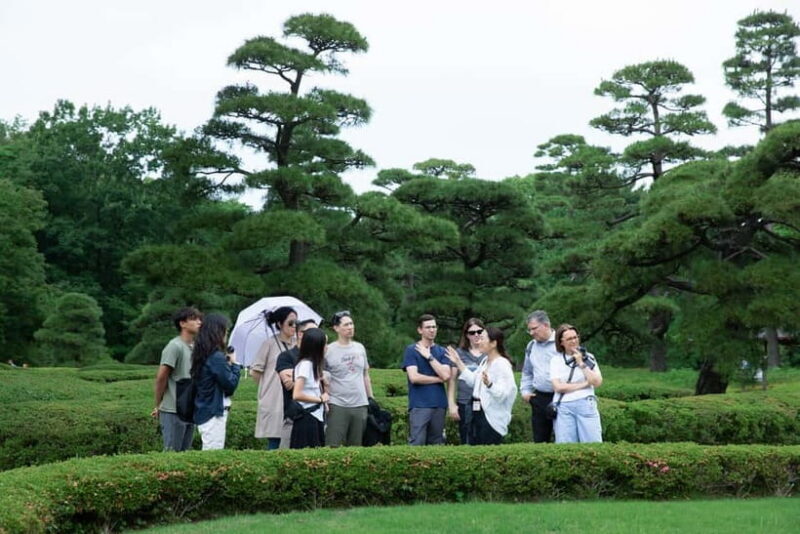
After the castle remains, Ninomaru Garden changes the tone. It is known for traditional Japanese design, with carefully arranged trees, shrubs, and stone lanterns. Ponds and bridges contribute to the garden’s calm, while pruned bonsai trees show the close attention given to shape and scale.
This is not simply a green break between historical stops. The garden gives you another way to understand the site: not as a fortress alone, but as a place shaped for beauty and reflection as well. The contrast is part of what makes the East Gardens interesting. The same grounds can suggest military planning in one area and measured calm in another.
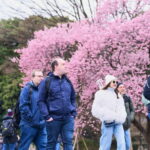
The tour’s outdoor setting also means seasonal changes matter. Spring can bring cherry blossoms, while fall can bring colorful foliage. Those displays are not guaranteed on a particular day, since timing varies, but they can add a striking layer to the visit when conditions line up.
You may have some time to pause and enjoy the garden rather than moving constantly from one explanation to the next. A well-paced walk makes room for both listening and looking. If you want the best chance to appreciate the details, keep your camera ready but give yourself a moment to notice the arrangement of the garden without a screen between you and it.
The strongest reason to book is the human guide. The walk depends on explanation: much of Edo Castle is gone, and the remaining foundations do not tell their own story. A good guide makes the site legible, links the physical remains to Japan’s past, and gives you space to ask questions.
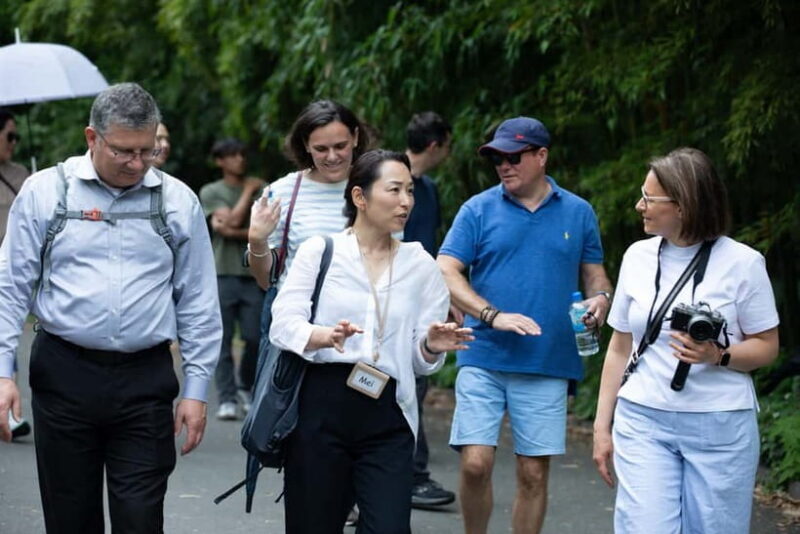
Named guides include Mei, Kei, Wakana, Loc, Tatsie, and others. These are examples of guides who have led past tours, not a promise about who will lead yours. The qualities most often highlighted are clear explanations, friendliness, humor, patience, and a willingness to help with questions or suggestions beyond the tour.
Some guides also use printed visual aids to clarify the old castle layout. That is especially useful at Honmaru, where the missing buildings can otherwise leave you guessing. The pace has also been described as giving people time to take in the grounds, rather than rushing from point to point.
For families, a guide who blends history with amusing stories can keep the visit lively. For adults with a strong interest in castles or Japanese history, the chance to ask questions adds value beyond a self-guided walk. And if you are just beginning to learn about the shoguns, a good introduction here can give later visits around Japan more context.
More Great Tours NearbyAt $19 per person, this is a modestly priced guided outing of 2.5 hours. You are paying for a live English-speaking guide and a structured walk through a historically significant site. The value lies less in access to a single dramatic building than in having someone explain how the gardens and surviving defenses fit together.
The price does not include entry to the Imperial Palace, and the tour does not go inside it. That distinction is important when comparing experiences: book this for the East Gardens and the former Edo Castle grounds, not for a palace interior visit. The guided walk itself is the central offering.
You can reserve now and pay later, and cancellation up to 24 hours in advance qualifies for a full refund. Those terms offer some flexibility if your plans are still taking shape. Check the available starting times for your date before settling the rest of your day around the visit.
I would choose this tour if you want a compact history lesson outdoors, enjoy traditional gardens, or prefer to have a guide interpret what you are seeing. It is a particularly sensible choice if Edo Castle’s remains interest you but you are not sure how to make sense of them alone.
It also suits visitors who want a calmer counterpoint to Tokyo’s modern districts. The East Gardens bring together greenery, water, castle traces, and seasonal plants, while the guide connects them to the shoguns and the city’s older political life. At 150 minutes, it is long enough to cover several aspects of the site without becoming a full-day commitment.
Think twice if your main aim is to enter the Imperial Palace or see a complete castle interior. That is not what this tour provides. The experience is mostly outdoors, and its historical interest comes from interpreting remnants rather than walking through intact rooms.
Wear comfortable footwear for a 2.5-hour walk, and dress for the weather. The gardens are best appreciated at an unhurried pace, and rain may affect your comfort even if the tour continues. The tour is listed as wheelchair accessible.
The meeting point is near Starbucks Coffee at Kokyo Gaien Wadakura Fountain Park, and the guide returns you to that same area. The tour is conducted in English. Since blossoms and autumn colors depend on the season and timing, treat them as a welcome possibility rather than a fixed feature of every visit.
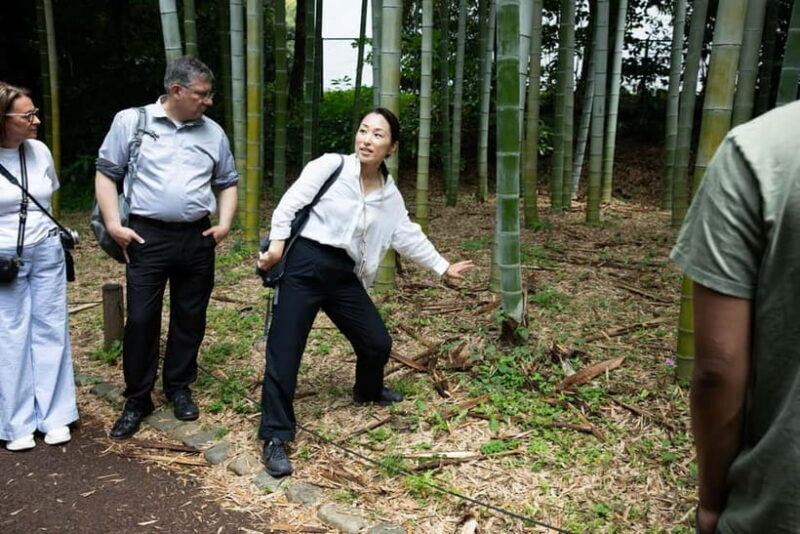
Book it if you want to understand the former Edo Castle grounds, hear about the shoguns, and see how defensive remains sit alongside the carefully designed Ninomaru Garden. At $19 for 150 minutes, a live guide can add real value, especially at Honmaru, where visual aids and clear explanations help bring the vanished castle to life.
Skip it if you expect an indoor palace tour or a fully preserved castle. This is a walk through outdoor gardens and remnants, not a visit to palace rooms. For a practical introduction to Old Tokyo in a peaceful setting, though, it is a strong way to spend part of a day.
“Kei was very informative, knowledgeable and a very friendly. I highly recommend taking a tour with her.”
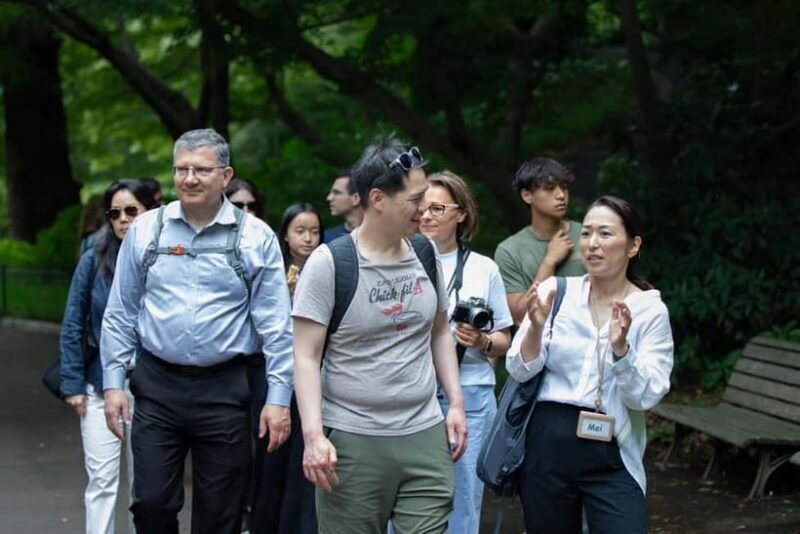
The walking tour lasts 150 minutes, or 2.5 hours.
The stated price is $19 per person.
The guide waits nearby Starbucks Coffee at Kokyo Gaien Wadakura Fountain Park. The coordinates are 35.6829933, 139.7611971.
It returns to the same area near Starbucks Coffee at Kokyo Gaien Wadakura Fountain Park.
Yes. The live tour guide speaks English.
No. The tour explores the East Gardens and does not go inside the Imperial Palace.
No. Entry to the Imperial Palace is not included.
The tour includes the former Honmaru area and features such as castle foundations, gates, defensive structures, stone walls, guard houses, and watch towers.
Yes. The activity is listed as wheelchair accessible.
Yes. You can cancel up to 24 hours in advance for a full refund. You can also reserve now and pay later.
You can check availability for your dates here: