Physical Address
304 North Cardinal St.
Dorchester Center, MA 02124
Physical Address
304 North Cardinal St.
Dorchester Center, MA 02124

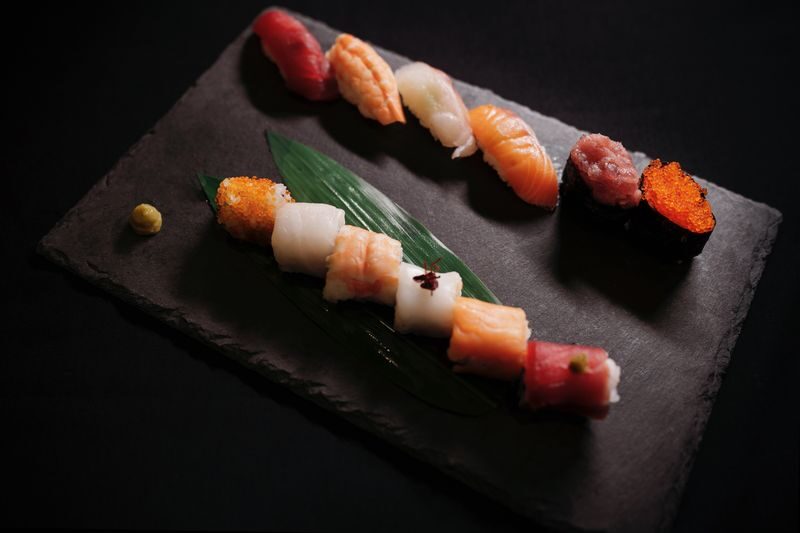
Make maki, temari or nigiri sushi in central Tokyo with English-speaking instructors, a hands-on lesson and a meal from $34.79.
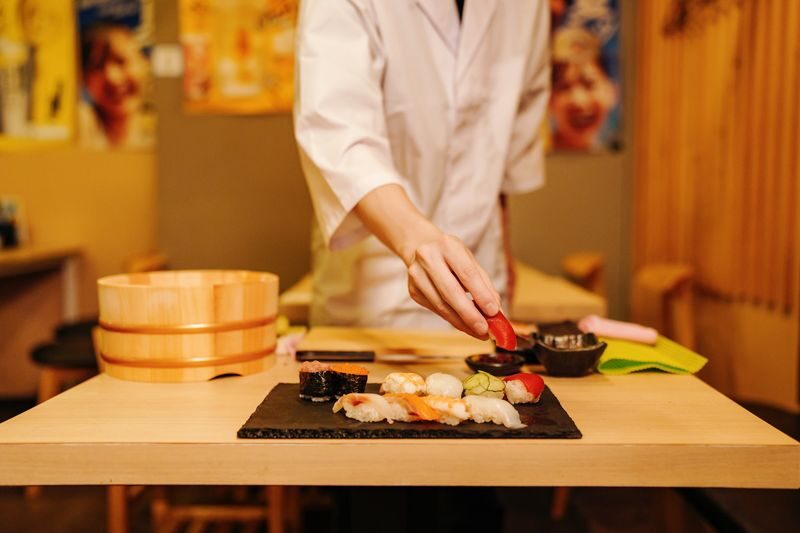
Sushi is much more fun to make when the rice is already on the table and a patient instructor is there to keep your roll from escaping. This Shinbashi class teaches you maki sushi and lets you choose between pretty, easy-to-shape temari and classic nigiri.
I like the choice of styles, which makes it easy to pick a course that suits your curiosity, and I like that you eat the sushi you make. Instructors such as Shea, Coco, Mari and Sun have been praised for clear English, patience and a lively teaching style.
One thing to consider: this is a hands-on sushi-making session, not a full cooking course. The rice and fish are prepared for you, so you will practice shaping and rolling rather than learning how to cook rice or cut fish. The building can also be tricky to spot, so allow time to find the right entrance.
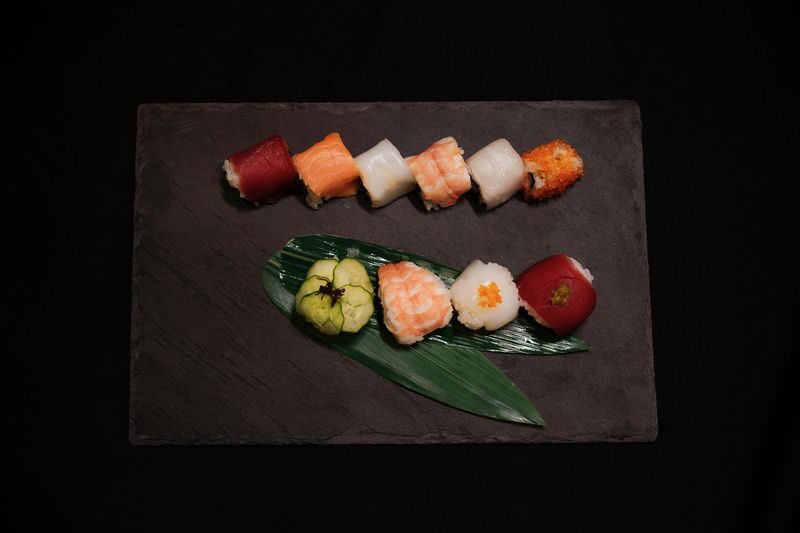
Both packages include maki sushi, the familiar sushi roll wrapped in seaweed. The second style is where you make your choice.
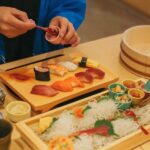
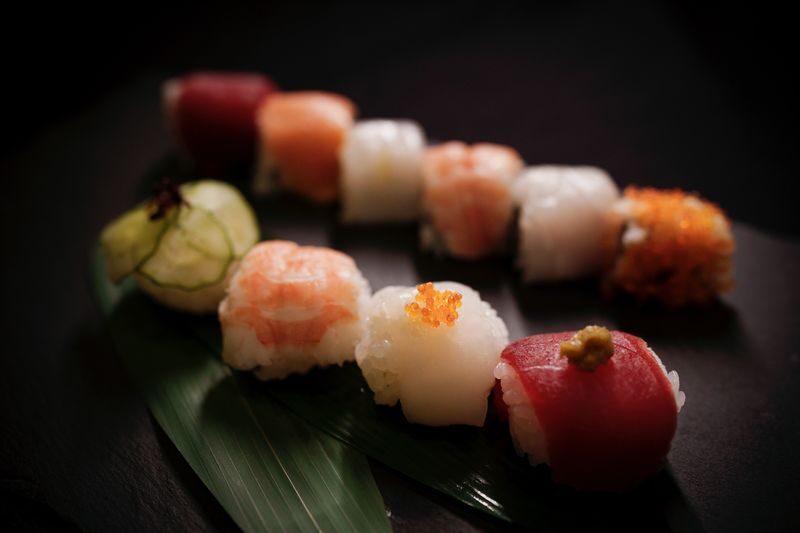
Temari sushi is formed into small, rounded portions. It is designed to be easy to shape and attractive on the plate, a sensible choice if you are new to sushi-making or want a class that suits children. The standard menu lists nine pieces, with toppings including tuna, salmon and squid. Other listed ingredients include shrimp, flying fish roe, cucumber, egg, ginger and sesame.
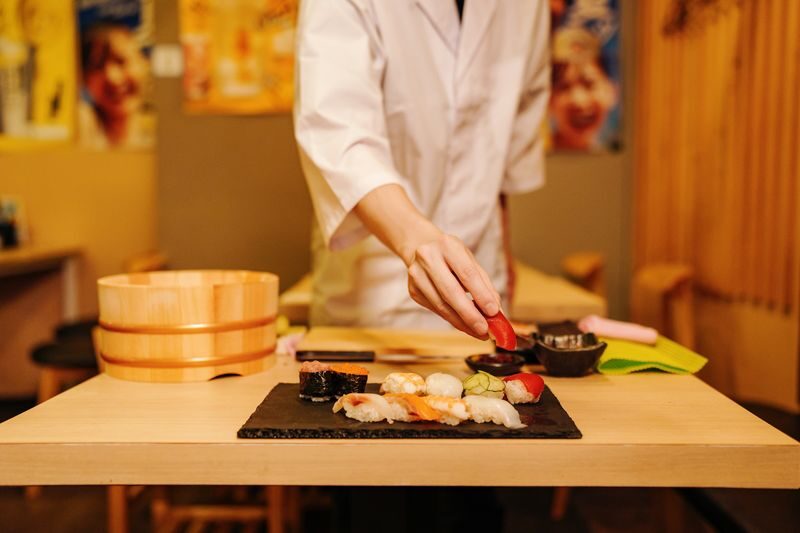
Nigiri sushi is the more classic choice: a small mound of rice topped with fish or another ingredient. It gives you a chance to practice the shape that many people picture when they think of sushi. If you already enjoy nigiri at restaurants, this option may be the more interesting one for you.
Either way, you are not locked into a professional’s exacting standards. This is a short, accessible lesson, and the goal is to learn basic techniques and enjoy the food you make. Families and first-timers should feel at home with temari; sushi fans who want to try another familiar form may prefer nigiri.
Want to bring Tokyo flavors home? These cooking classes could be just right
The activity takes place in a cooking studio in Shinbashi, in central Tokyo. Once you arrive, the instructor gets the class underway, sometimes with a sushi quiz. It adds a light, social start and gives you a little context before the food preparation begins.
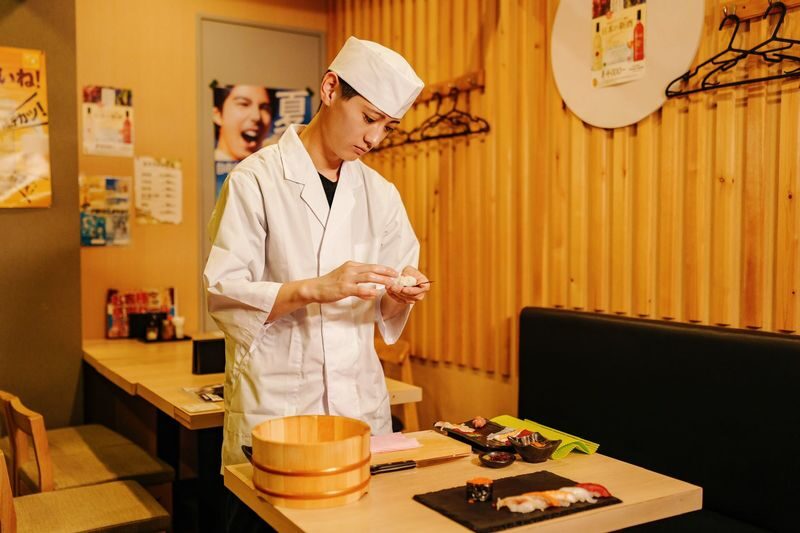
Then comes the hands-on part. You follow the instructor’s steps to shape the rice, add toppings and make your maki and chosen sushi style. The ingredients and equipment are set out for you, and instructors have been praised for clear demonstrations and patient help. Some explain sushi history and offer tips you can use at home; you can ask questions as you go.
The lesson finishes with the best part: eating what you have made. The amount of time and the number of pieces may vary. One attendee described a session of about 50 minutes, while another called it a 1.5-hour activity; the standard temari menu specifies nine pieces, and some accounts describe making around ten. Check the timing and exact menu for your selected date and package rather than assuming every class is identical.
This format suits you if you want a relaxed activity between sightseeing stops, or a change of pace from restaurants and museums. It is less suitable if your main aim is to study professional sushi technique from the first step. The fish is already cut and the rice is prepared, so you do not learn fish selection, knife work or how to cook and season sushi rice.
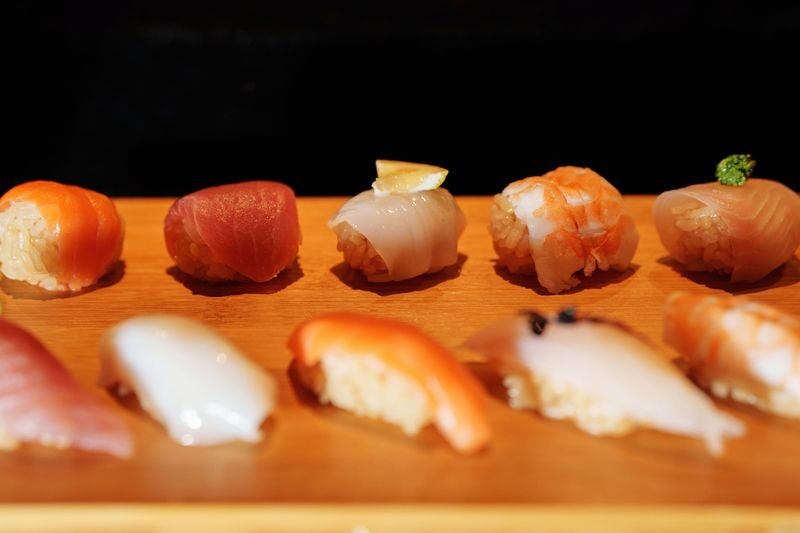
The main strength of this experience is the teaching style. The class is designed for visitors, and English-speaking staff are available. Several instructors have been singled out for being patient and warm, including Shea, Coco, Mari, Sun, Kaku and Jennifer. The specific instructor can vary, so treat those names as examples rather than a promise of who will lead your session.
That guidance matters more than it may sound. Rolling sushi neatly takes practice, and shaping rice can feel awkward at first. A teacher who demonstrates each step and helps you adjust makes the activity enjoyable even if your first roll looks more like a small parcel than a restaurant-perfect maki.
The atmosphere may also be more personal than you expect. Some classes have been small enough to feel nearly private, including sessions with just a couple or a family and the instructor. Group size is not guaranteed, though, so book for the lesson itself rather than counting on a private class.
There is often a cultural and conversational layer, too. Instructors may share information about sushi and Japanese culture, and some have answered questions about Tokyo. If you are curious about a particular ingredient or technique, ask while you have the teacher’s attention. The depth of explanation can vary, and this is a practical beginner class rather than a long culinary seminar.
Prices start at $34.79. For that, you get an instructor-led activity, ingredients and the sushi you prepare. That is a fair proposition if you value a guided, participatory meal and want a short activity that works for a range of ages. Participants must be at least four years old.
The value depends on what you expect to learn. If you want a fun introduction and a few techniques to try at home, the price can make sense. If you are mainly paying for a deep lesson in Japanese cooking, professional sushi craft or a long meal, it may feel steep for a session that some participants have found brief.
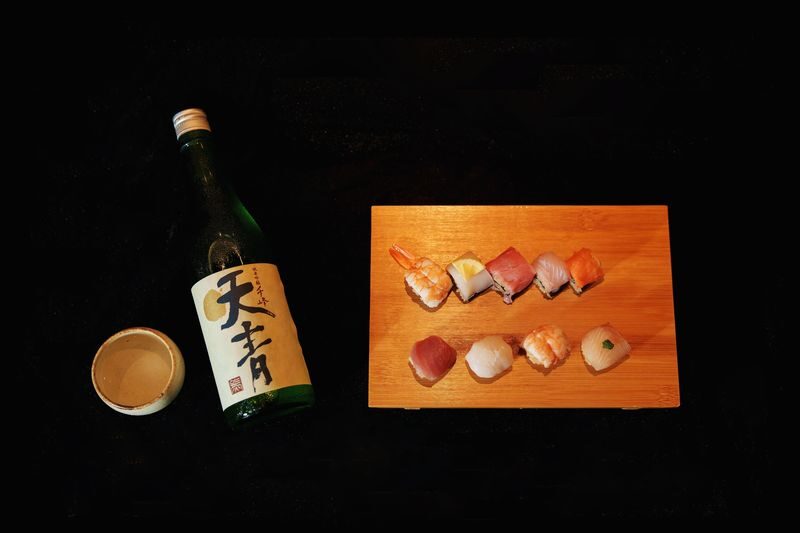
Sake, shochu and other drinks can be added as an option. Do not assume they are included in the starting price: soft drinks and alcohol are listed as not included, and Japan’s legal drinking age is 20. Bring valid ID if you plan to drink. The standard meal is included, but check the package details before booking if you want a specific drink pairing.
The address is S-Plaza II, 2-15-9 Shinbashi, Minato Ward, Tokyo. The closest stated landmark is Shinbashi Station’s Karasumori Exit on the JR Yamanote Line. The address can be confusing because there are two S-Plaza buildings.
Use the Family Mart as your guide: S-Plaza II is on its right. Take the elevator to the third floor. Some people find the entrance hard to locate, while others find it straightforward with the extra directions, so I would build in a few spare minutes rather than arriving at the last moment.
The meeting point is S-PLAZA弥生Ⅱ. You will need to show your mobile voucher, which is valid only on the date and time specified. Confirmation is normally sent within 24 hours; if it does not arrive, contact customer support.
You might also be interested in these Tokyo experiences
Vegetarian, vegan and gluten-intolerance diets can be accommodated. Enter your requirements at checkout, and be as specific as possible. The standard menu includes seafood and other common ingredients such as egg and sesame, so do not assume a dish is free of a particular ingredient simply because a general dietary request is accepted.
The listed standard temari ingredients include tuna, salmon, squid, shrimp, flying fish roe, cucumber, egg, ginger and sesame. Crab, meat, nuts, fruit and dairy products are listed as not used. If you have an allergy, name the exact ingredient and confirm the arrangement before class. A request for no seafood has not always been handled as expected, so a clear confirmation matters.
Outside food and drinks are not allowed. If you need an alternative meal for medical or religious reasons, get an explicit answer before booking rather than bringing your own food.
This is a good fit for first-time sushi makers, families with children aged four and up, couples looking for a shared activity and anyone who likes learning by doing. The clear instruction and short format help make the class approachable, and you leave having eaten the results rather than carrying home a recipe alone.
Choose temari if you want an easy, colorful form to practice. Choose nigiri if you are keen to try shaping a familiar sushi style. The two options both include maki, so either package gives you a chance to learn how to roll.
Skip it if you are seeking a detailed lesson in seafood handling, rice preparation or advanced sushi craft. And if you are particularly price-conscious, weigh the starting price against the class length and the number of pieces you will make. The experience is strongest as a friendly introduction, not as a technical cooking course.
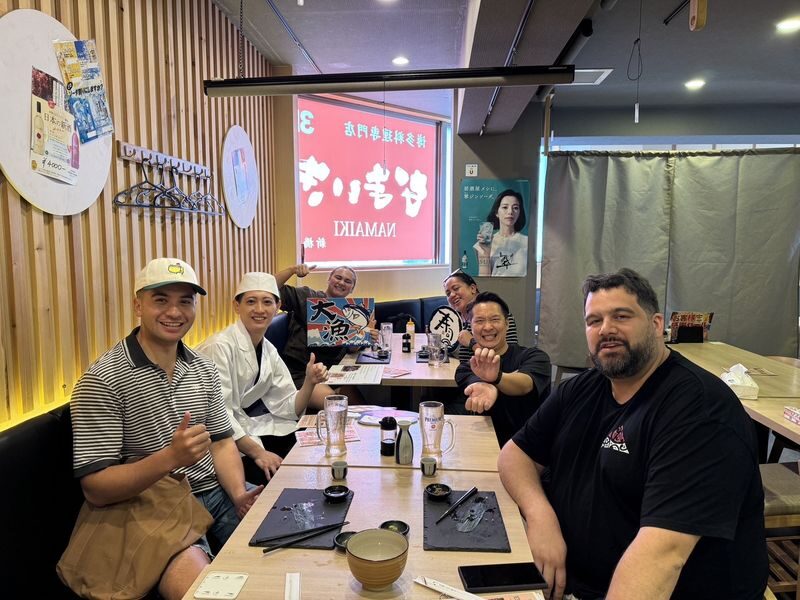
Book it if you want an enjoyable, practical introduction to making maki and temari or nigiri, with an instructor who can guide you in English and a meal at the end. It is especially appealing for families and beginners who want a hands-on activity without committing half a day.
Before you pay, choose the sushi style that interests you, enter any dietary restrictions and check the session’s timing and drink options. Then leave a little extra time to find S-Plaza II. With those details sorted, this is a useful way to turn a Tokyo meal into a skill you can try again at home.
“amazing experience and the lady was so nice explaining how to make sushi”
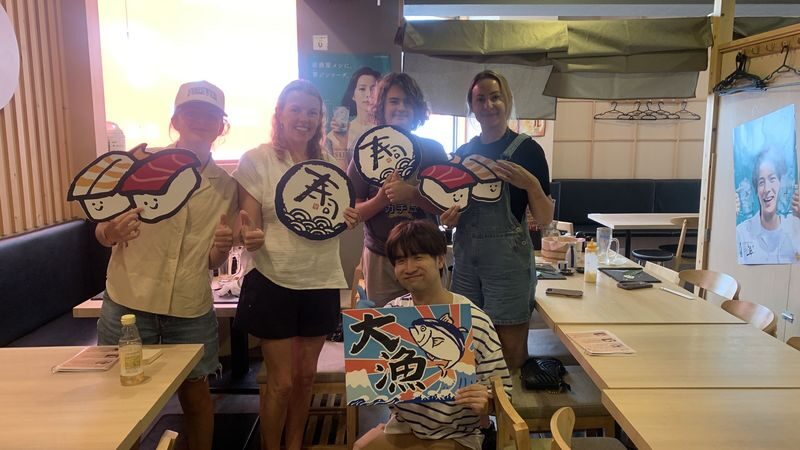
Prices start at $34.79. The final price may depend on the package or options you select.
Both courses include maki sushi. You can pair it with temari sushi or nigiri sushi.
Temari sushi is a rounded style of sushi that is easy to shape and attractive to serve.
Yes. The standard meal is included, and you eat the sushi you make. The standard temari menu lists nine pieces.
Soft drinks and alcohol are not included in the standard price. Sake, shochu and other beverages may be available as add-ons.
Yes. Participants must be at least four years old.
Vegetarian, vegan and gluten-intolerance diets can be accommodated. Specify your needs at checkout, and confirm any specific allergies or ingredient restrictions in advance.
The meeting point is S-Plaza II, 2-15-9 Shinbashi, Minato Ward, Tokyo. From Shinbashi Station, use the JR Yamanote Line Karasumori Exit. S-Plaza II is to the right of the Family Mart, and the class is on the third floor.
Present your mobile voucher. It is valid only on the date and time specified.