Physical Address
304 North Cardinal St.
Dorchester Center, MA 02124
Physical Address
304 North Cardinal St.
Dorchester Center, MA 02124

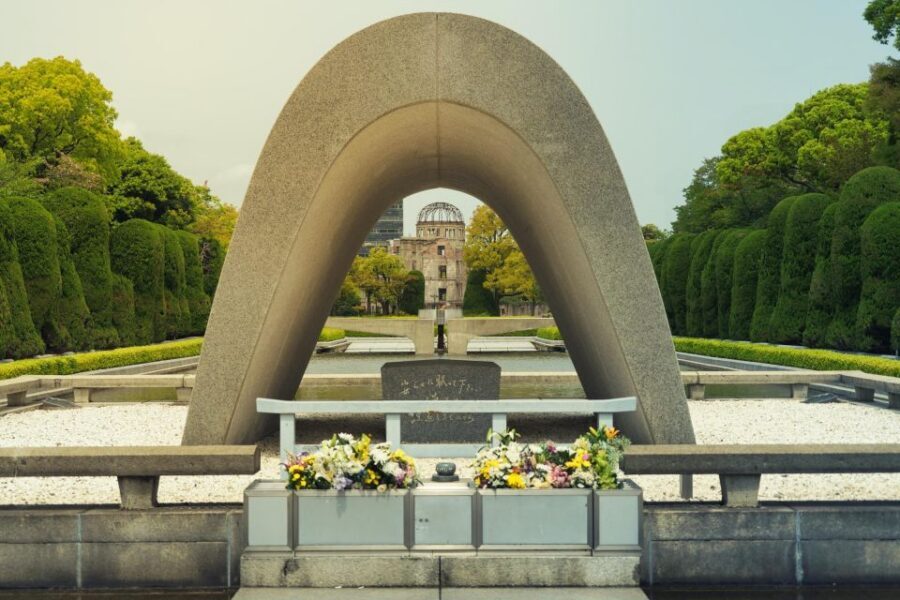
Visit Hiroshima’s Peace Memorial Park and Museum, then cross by ferry to Miyajima’s Itsukushima Shrine on an eight-hour guided tour.
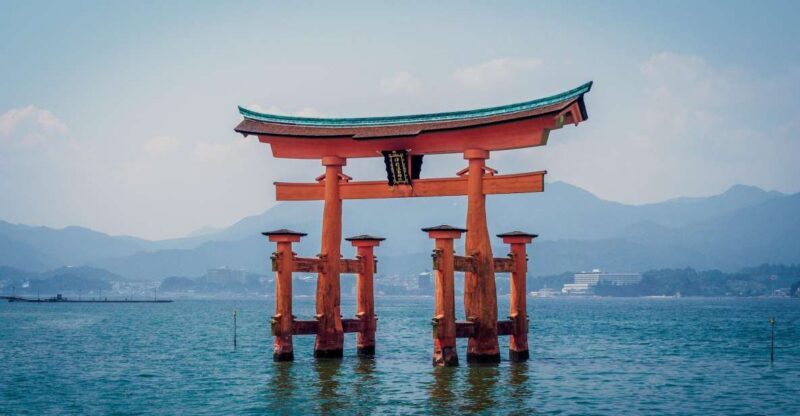
Hiroshima’s most powerful history and one of its most striking island shrines fit into a single day here. The morning moves from the Atomic Bomb Dome to the Peace Memorial Museum; the afternoon brings a ferry crossing and Itsukushima Shrine, whose torii gate appears to float at high tide.
I like two things in particular: a guide handles the tram and ferry logistics, and the day pairs a sobering visit with the calmer streets and scenery of Miyajima. Guides such as Ken, also known as Kensuke, Minori, and Alex have led tours, though your guide may vary.
The trade-off is a full schedule. You get about an hour in the museum and limited time for independent wandering on Miyajima, and the day involves plenty of walking. Bring comfortable shoes and decide in advance how much time you want to spend at the museum.
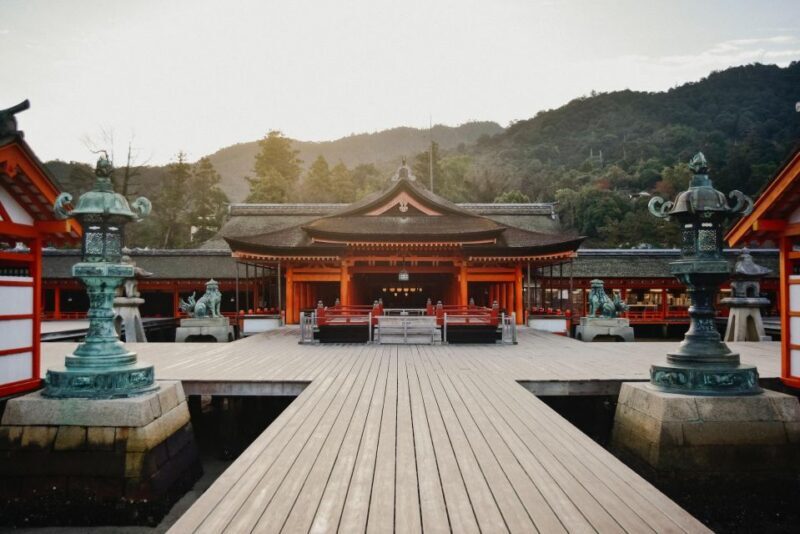
This eight-hour tour is built around a striking contrast. In the morning, you face the human cost of the atomic bombing through memorials and museum exhibits. Later, you cross to Miyajima, where the island’s shrine, wooded hills, shops, and sea views offer a quieter change of pace.
That contrast is more than a convenient itinerary trick. It gives you room to reflect on Hiroshima’s past, then see another side of the region without trying to arrange public transport, tickets, and ferry connections on your own. A guide can also explain what you are looking at and answer questions as they arise.
The day begins at the 7-Eleven directly outside the Peace Memorial Park and finishes at Hiroshima Station. Public transport fares for the tram and ferry are included. English and Spanish guides are offered, and private or small-group options are available. The small-group format can make it easier to ask questions and hear explanations, though the exact group size is not specified.
You can check availability for your dates here: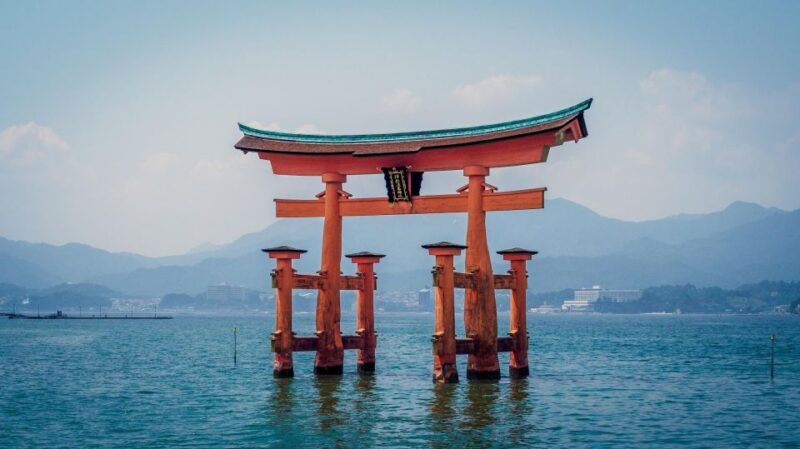
The tour gives the park about 30 minutes, followed by another 30 minutes at the Atomic Bomb Dome. These memorials sit within the same area, so the visit moves through connected sites rather than treating each as an isolated stop.
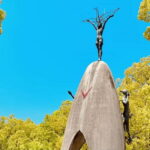
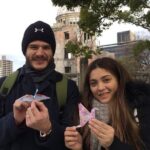
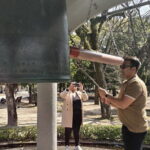
The park’s paths, greenery, and water create a calm setting for difficult subject matter. You’ll see the Cenotaph for the A-bomb Victims, paper cranes offered as symbols of peace, and the Flame of Peace, which represents the hope for a world without nuclear weapons. A guide can help connect these memorials to the larger story instead of leaving you to interpret each one alone.
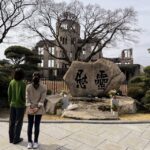
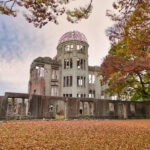
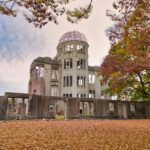
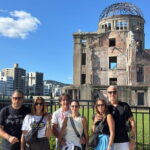
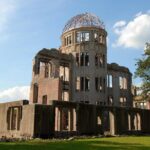
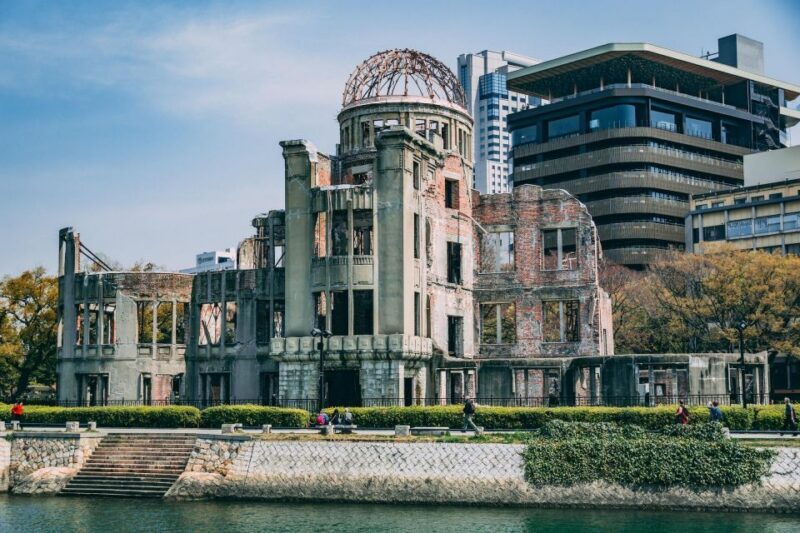
The Atomic Bomb Dome is the best-known landmark in the park and a UNESCO World Heritage Site. Its preserved remains mark the scale of the destruction on August 6, 1945. Give yourself a moment to look closely: the building is not just a photo stop, but a visible link between the city before the bombing and the memorial landscape around it.
Thirty minutes in the park and thirty at the Dome provide a useful overview, but not an unhurried visit to every memorial. If you have a particular site you want to study, tell your guide early and ask how the time is being divided.
Looking for more options in Hiroshima? Here are some other experiences worth considering.
The Peace Memorial Museum is allotted one hour. That is enough to see key exhibits and gain a clearer picture of the bombing of Hiroshima and Nagasaki, but it can feel short if you read every panel or need time to pause. The subject matter is painful, and some displays may be hard to take in. This is not a museum to rush through simply to tick off a stop.
I’d suggest choosing a personal pace before you enter. You can focus on a few exhibits that matter most to you, or move steadily through the galleries for a broad overview. If you know you need more time, ask whether the schedule allows flexibility, but do not count on an extension: Miyajima and the return journey still need to fit into the day.
One detail to check before booking is the museum admission fee. The included items name entrance fees to the Peace Memorial Park and Itsukushima Shrine, but do not explicitly say whether the Peace Memorial Museum ticket is covered. Confirm this with the operator so you know what to budget.
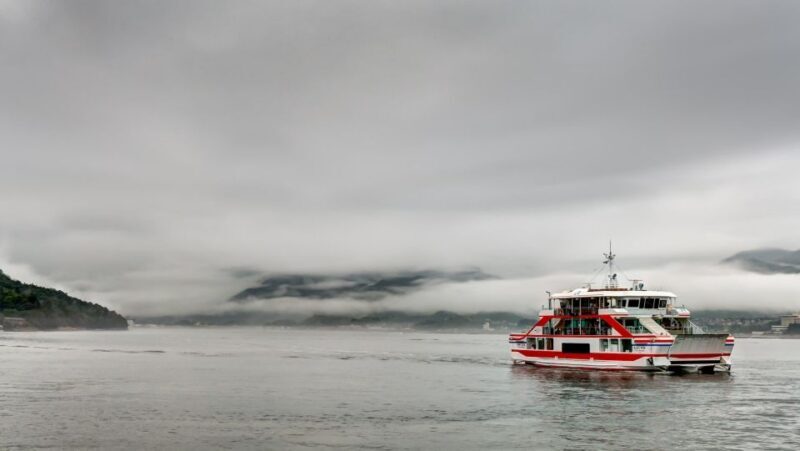
From the city, the group travels by public transport and ferry to Miyajima. The tram and ferry fares are included, and having a guide organize the connections can save you the small but real work of checking routes, timing transfers, and navigating ticket arrangements. Several people have praised guides for keeping the day moving and collecting tickets efficiently.
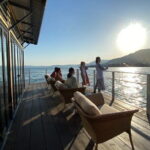
The ferry crossing is part of the appeal, not just a way to get from A to B. It gives you a change of scene between the city’s memorial sites and the island’s shrine and shopping streets. The itinerary assigns a substantial block of time to the ferry portions, so expect transport to take up a meaningful part of the day.
The tour is planned tightly enough that there may not be much room for delays or long stops. Guides have been described as helping the group avoid some queues and make the most of the schedule, but that cannot guarantee an empty shrine or a crowd-free crossing, especially during busy periods.
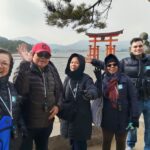
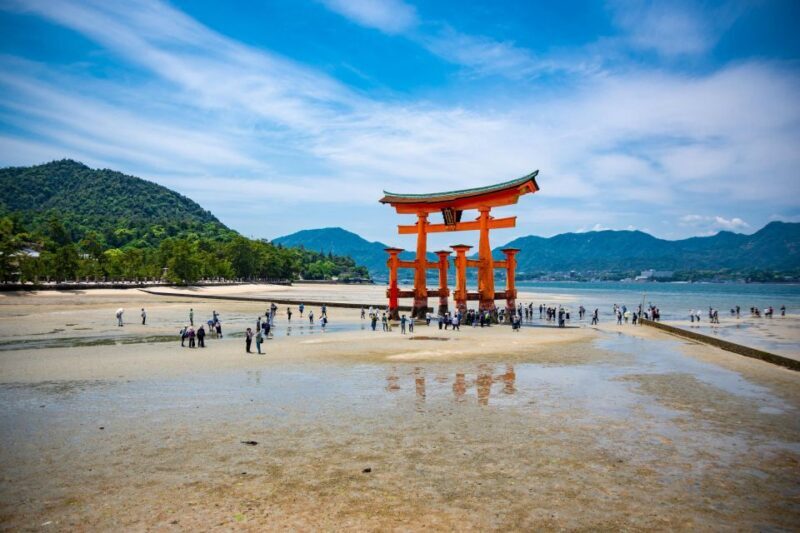
Itsukushima Shrine is the island’s main draw, set at the edge of the Seto Inland Sea. The shrine’s relationship with the water is what makes the visit memorable: at high tide, it can seem to float above the sea. Conditions change with the tide, so the appearance you get depends on when you visit.
The guided stop lasts about 45 minutes. That gives you time to see the shrine and hear about its religious and cultural role, but it is not a long window for lingering at every feature or taking your time with photographs. If a particular view matters to you, let your guide know while you are there.
Because the shrine is a major attraction, crowds can affect how quickly you move through it. Guides have sometimes managed tickets and timing to reduce waiting, but no tour can promise that you will bypass every queue. The included entrance fee is a welcome part of the price, especially when you are balancing several stops in one day.
More Great Tours Nearby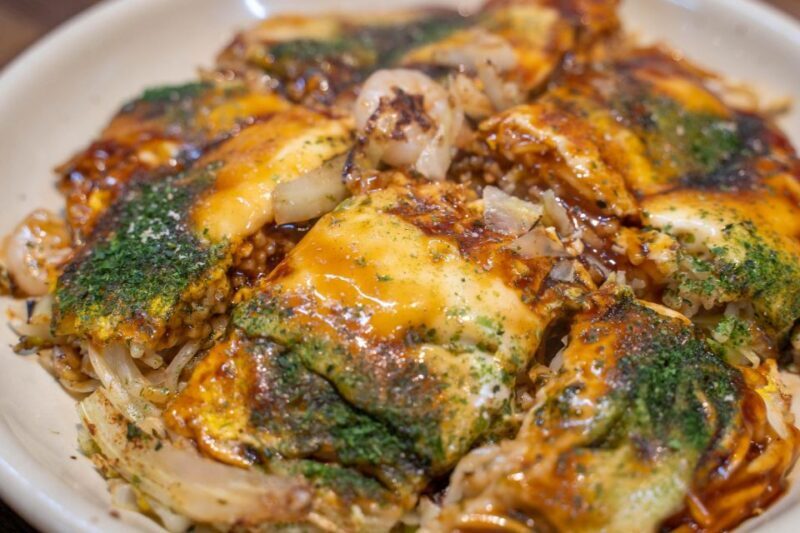
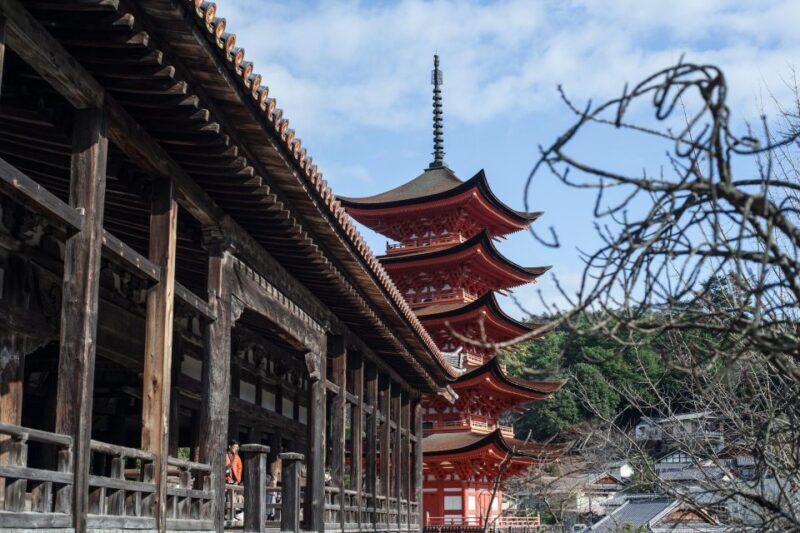
The itinerary includes 45 minutes at Senjokaku Pavilion, a historic-style wooden building with traditional architectural details and tatami interiors. It offers a different perspective from the shrine: less defined by the sea, more focused on the form and feel of Japanese architecture.
Use the stop to slow down and notice the pavilion’s structure and setting. After the intensity of the Peace Memorial sites and the visual pull of the shrine, this quieter visit adds another layer to the island portion of the day. The schedule is still fixed, however, so this is a short cultural stop rather than a long, unstructured visit.
Lunch has a 45-minute slot on Miyajima and is not included in the tour price. You can sample local dishes such as eel, or choose from the food options available during the visit. One guide has helped arrange a vegan meal for a participant, which is encouraging if you have dietary needs, but you should contact the operator ahead of time rather than assume every request can be met.
After the guided stops and lunch, the schedule includes a one-hour walk and a separate hour of free time. The streets have shops, stalls, tea houses, and small boutiques, with opportunities to browse for handmade souvenirs. Momiji Manju, a maple-leaf-shaped cake with sweet or savory fillings, is a classic local treat to look for.
Two hours gives you a taste of the island, but not enough for every shop, a long meal, and extensive independent exploration. If browsing is a priority, keep lunch simple and use the free hour well. The group gathers at the ferry for the return to Hiroshima, so leave yourself time to meet up.
At $163 per person, this is not simply a ticket to one landmark. The price covers an eight-hour guided day, public transport fares for the tram and ferry, and entrance fees to the Peace Memorial Park and Itsukushima Shrine. You also get help moving between sites and a guide who can add context to the history and local culture.
The strongest value is the day’s structure. Hiroshima and Miyajima are both easy to visit independently, but arranging both in one day takes planning. A guide removes much of that work and helps keep the group on schedule. Several guides, especially Ken (Kensuke), have been praised for sharing detailed history, answering questions, offering food suggestions, and helping with practical needs. Other guides named include Minori and Alex, though you should not assume you will be assigned a particular person.
The price is less compelling if you prefer to spend long stretches at museums or explore Miyajima at your own pace. You might get more from separate visits if you have extra days in Hiroshima. Also budget for lunch and confirm whether museum admission costs extra. If you are travelling alone, check the minimum group rule: when fewer than two people meet the minimum, the available options are to switch dates, pay a ¥16,000 solo supplement, or receive a full refund.
This tour suits you if you have one day for Hiroshima and want a guided introduction to both the city’s memorial sites and Miyajima. It is particularly useful if you value historical context, prefer not to plan public transport yourself, or want help making the most of a tight schedule.
It can also work well for solo visitors, provided the group minimum is met or you are comfortable with the stated alternatives. The guide-led format gives you someone to ask about the memorials, shrine, transport, and local food. If you need a specific guide, contact the operator before booking, as guide assignments can vary.
Think carefully if you have limited stamina or mobility. The day involves substantial walking between sites, and one participant noted that people with mobility issues may find the distance challenging. Comfortable shoes are a must. If you want a slow, reflective museum visit or several hours on Miyajima, this packed day may feel too brisk.
Book this tour if you want a well-organized first visit that links Hiroshima’s memorials with Miyajima’s shrine and gives you a guide for the history and transport. The guides’ personal attention and practical help are a major part of the value, and the day’s emotional shift from the Peace Memorial Park to the island is thoughtfully balanced.
Choose another plan if you want to spend as long as you like in the museum, avoid a full day of walking, or explore Miyajima without watching the clock. Before paying, confirm museum admission, consider your lunch needs, and check the solo-traveller minimum. With those points clear, this is a strong way to see two of the region’s essential places in one day.
“This tour was AMAZING! We visited the shrine during peak season and yet, we never waited in line for anything. Our guide, Ken, was fantastic! He wa…”
The tour lasts eight hours. It starts at the 7-Eleven outside the Peace Memorial Park and finishes at Hiroshima Station.
Guides are available in English and Spanish.
Yes. The tour includes public transport fares for the tram and ferry.
No. Lunch is not included, though the schedule allows 45 minutes for a meal on Miyajima.
Bring comfortable shoes. The day involves a lot of walking.
You may choose an alternate tour date, pay a ¥16,000 solo supplement, or receive a full refund.
You can check availability for your dates here: