Physical Address
304 North Cardinal St.
Dorchester Center, MA 02124
Physical Address
304 North Cardinal St.
Dorchester Center, MA 02124

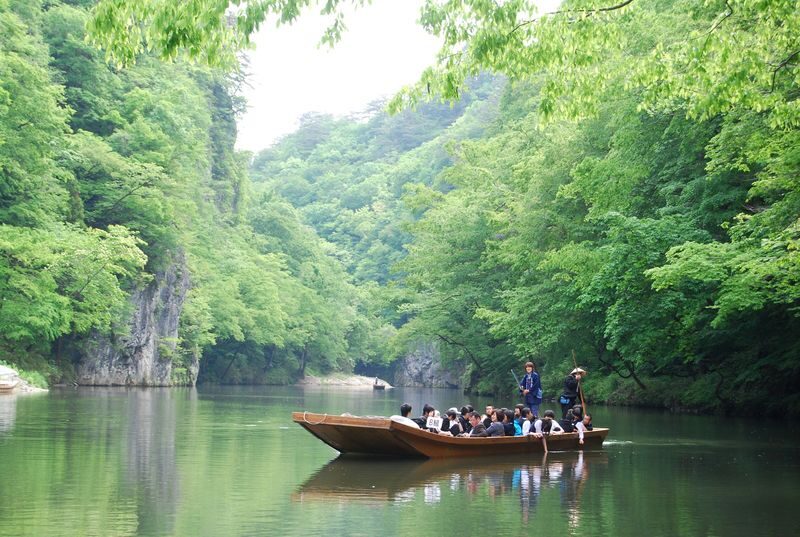
Review the Geibikei Gorge boat ride in Iwate: a 90-minute pole-propelled trip, seasonal views, practical tips, and what to expect.
Geibikei Gorge is best seen at river speed: a boatman pushes a flat-bottomed boat along with a wooden pole while limestone cliffs rise on both sides. The trip is slow, quiet, and very different from a coach tour. At the far end, you step ashore for a short walk to the rock shaped like a lion’s nose, then return by boat.
I like two things especially: the boatmen’s songs and stories, which give the ride a local voice, and the way the gorge changes with the seasons, from spring flowers to autumn color and winter snow. The trip is also a welcome excuse to slow down in Iwate.
One consideration: the 90-minute ride is weather-dependent in feel, if not always in operation. Rain brings a canopy that can limit views and photos, while severe weather or flooding may stop boats altogether. The commentary is in Japanese, so you may not understand every story.
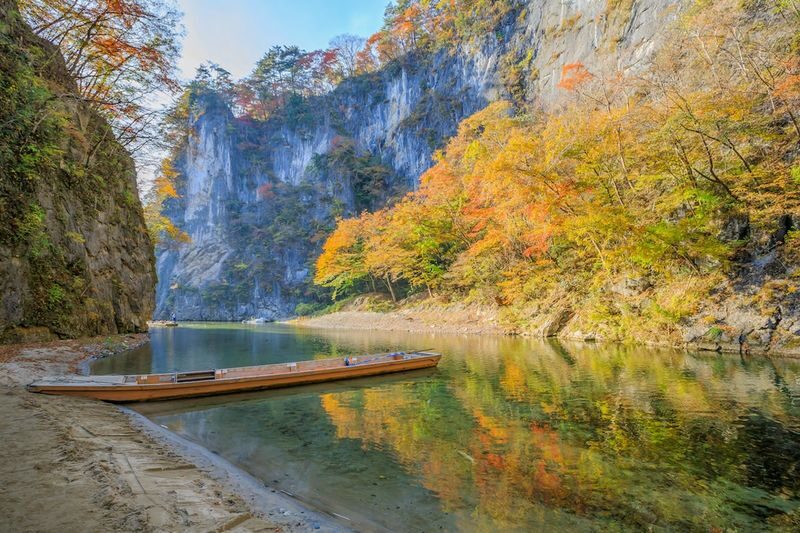
Geibikei Gorge is a National Natural Monument and one of Japan’s 100 most scenic spots. It is also counted among Japan’s Three Great Gorges. Those honors can set high expectations, so it helps to know what makes this place special: not sheer scale alone, but the close, quiet way you encounter the rock walls from the river.
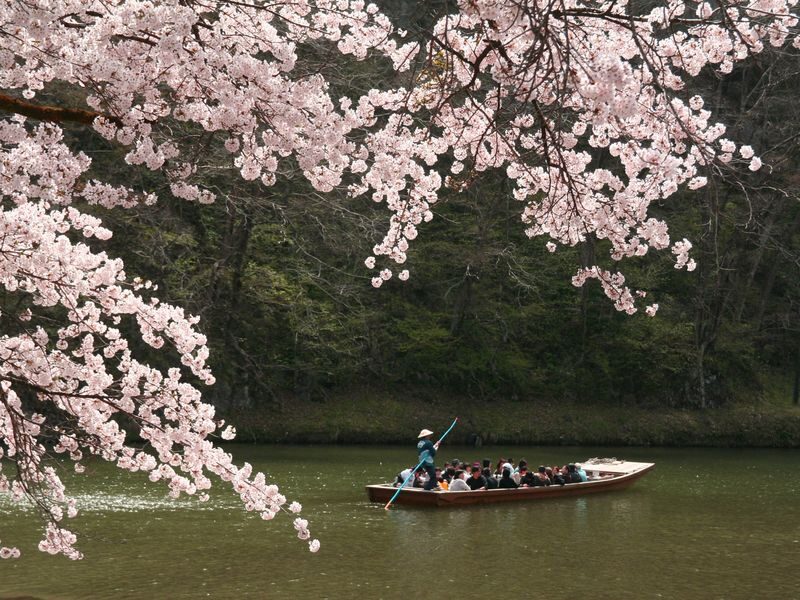
The boat ride is not a motorized cruise. A boatman works a long wooden pole against the riverbed to guide the boat upstream and back. The water is described as slow and steady, so you can sit without the jostling of a fast ride. The pace is part of the point. There is time to look up at the rock shapes, notice the trees along the banks, and listen to the river and birds.
The limestone cliffs have unusual forms, and the boatmen explain some of them as you pass. The commentary is in Japanese, which may be a barrier if you do not speak the language. Still, the setting carries much of the meaning on its own. An English information sheet has been available to help non-Japanese speakers follow along, though it is sensible to ask what materials are on hand when you arrive.
The most praised part of the ride is often the human touch. Boatmen add humor and local stories, then sometimes sing a traditional folk song on the return leg. Their voices echo against the cliffs, turning a scenic trip into something more personal than a view from a road. You may not catch every word, but the song needs no translation.
The boat heads along the gorge, then makes a stop so you can get out and walk a short distance to see the famous lion’s nose-shaped rock. This brief stretch of land gives the trip a useful change of pace: you are not seated for the whole outing, and you can take a closer look at the formation behind the gorge’s name.
Do not expect a long hike or a string of separate stops. The shore walk is short, and the central event remains the boat journey itself. If you are hoping for a strenuous outing, this is not it. If you prefer a gentle excursion with a small leg-stretch midway, the format works well.
After the stop, you return to the boat for the ride back. That is often when the singing comes, with the cliff faces helping carry the sound. Ducks may follow the boat, and carp have also been seen nearby. These small details suit the unhurried mood, but they are not a scheduled performance or guaranteed wildlife show.
The stated ride duration is about 90 minutes round trip. Some accounts describe it as closer to 80 minutes, and an occasional trip may be shortened or delayed. So leave breathing room in your plans rather than connecting the ride to a train with no margin.
Boats can carry a sizeable group, and the atmosphere depends partly on where you sit and how much conversation is happening around you. If you want to hear the boatman, pay attention when boarding and choose a seat where you can hear him clearly. On a full boat, nearby chatter can make the stories harder to catch.
The ride is calm, but it is still an open-air boat outing. In fine weather, you get broad views of the cliffs and sky. On a hot summer day, the gorge can offer shade and a breeze, but some parts of the boat may be exposed to direct sun. A hat and sun protection are sensible. In rain, the boat continues to operate under a canopy, but the cover can narrow viewing angles and make photography less convenient.
The ride can also be suspended during severe weather or river flooding. Check the boat’s operating status before setting out, especially if your visit depends on a tight train connection.
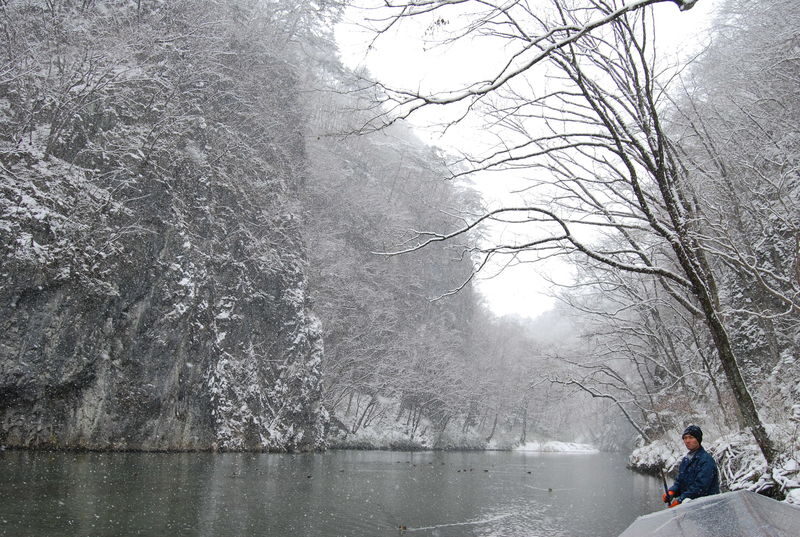
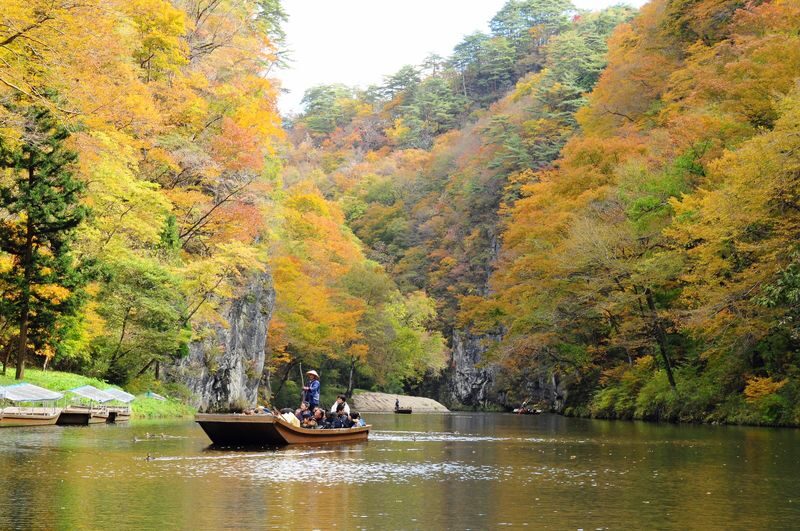
Geibikei is presented as a year-round outing, and each season changes what you see from the boat. In spring, cherry blossoms and wisteria add color. Summer brings thick greenery and shade from the gorge walls, although direct sun and heat can still be an issue aboard the boat. The river’s gentle pace is a plus in warmer weather, but bring a hat and consider light clothing that covers your arms.
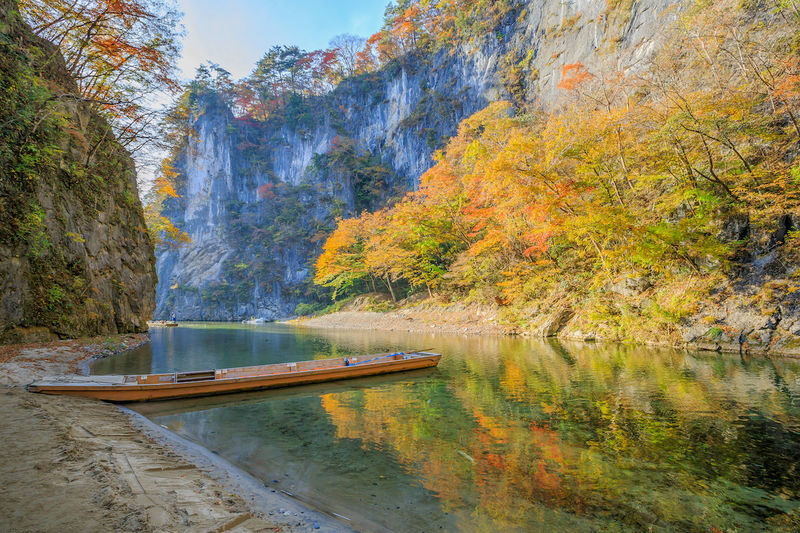
Autumn foliage draws many people to the area, but the exact timing matters. In mid-September, the cliffs and green foliage can still make a striking contrast even before leaves change color. If fall color is your main reason for going, check conditions close to your travel date rather than assuming the season has peaked.
Winter brings snow and a different, quieter character. Boat departures are less frequent in the winter schedule, and the ride may feel more exposed to the cold. Dress for a prolonged spell outdoors and check current service details before making the trip. The attraction’s appeal is not limited to one perfect season; it is the change in mood that makes a return visit worthwhile.
The boat ticket starts at about $12, though the price can vary by booking option and date. The basic ticket covers the round-trip boat ride and tax. It does not include personal spending or gratuities.
At that starting price, the value is strongest if you want a distinctive nature outing rather than a high-adrenaline activity. You are paying for about an hour and a half on the river, the boatman’s work and commentary, and a short shore stop. It is a modest-cost way to spend a substantial part of a day, but the scenery and the slow pace need to be your kind of pleasure.
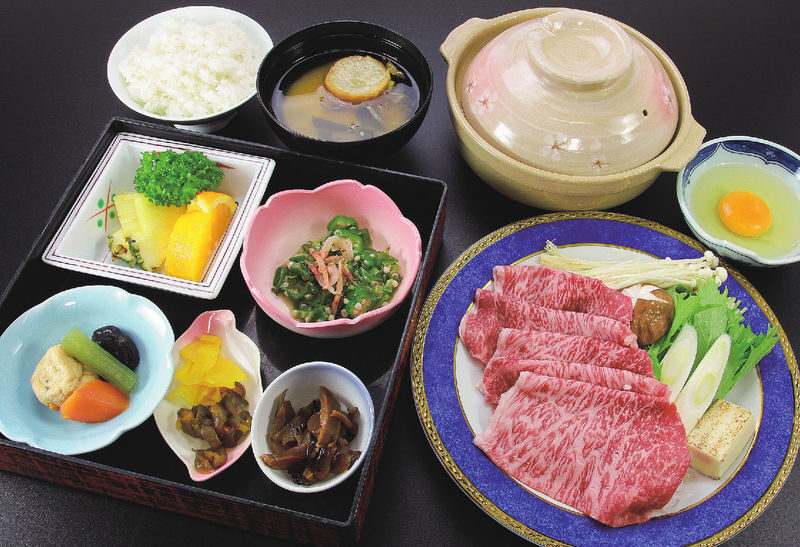
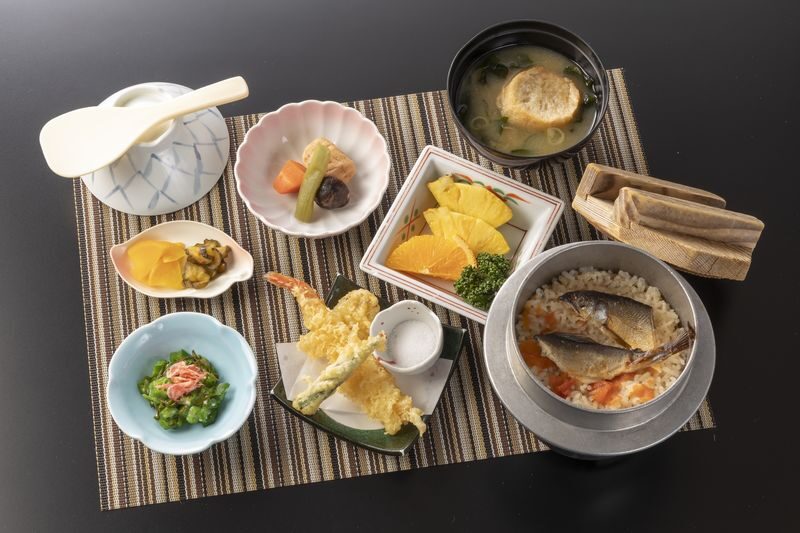
There are also meal combinations: a Wagyu sukiyaki set, an ayu sweetfish kamameshi set, and a winter-only lunch set with a sukiyaki bento and mini hot pot. These can make the trip easier to plan as a half-day outing, but confirm meal arrangements and timing when booking. If you choose a meal package, leave extra time to sort out where to eat and when; clear coordination matters, particularly if you are travelling with children or older relatives.
The ticket price is the same for all ages, while children aged 0 to 2 ride free. The basic package does not include meals, and tips are not included. Bring your own food or drinks if you like: these are allowed.
The meeting point is Geibikei Gorge, at Geibikei Tourist Center, 467 Machi, Nagasaka, Higashiyama-cho, Ichinoseki City, Iwate Prefecture. The center is open daily from 8:30 a.m. to 4 p.m.
From Ichinoseki Station, take the JR Ofunato Line to Geibikei Station. The station is close to the gorge, but do not assume a train arriving just before a boat departure leaves plenty of time. One train arrival has been described as giving only nine minutes to cover roughly 500 meters to the boarding area. If you are not keen on a sprint, choose a train that arrives earlier and check the return timetable before you set out.
Boat departures vary by season:
Weather can change the schedule, so check the latest operating information. At busy times, you may have to wait for a boat. If your departure is full, or you miss it, allow time for the next one rather than treating the timetable as a train platform clock.
To redeem a booking, show your mobile voucher at the ticket counter and exchange it for a physical ticket. A line may still form at the counter, even with a prepaid voucher. Download or save the voucher before leaving reliable internet access, as mobile reception in the area may be poor.
There are no restrooms on the boat, so use facilities before boarding. You can take photographs, but tell the boatman before standing up. The boat is wheelchair-accessible, and staff can assist people with disabilities. If you have a mobility concern, ask for help when boarding rather than trying to manage the step alone; assistance has been provided to people boarding with a cane and a knee injury.
The ride takes place in rain, with a canopy over the boat. That keeps the outing possible, but the cover may obstruct some views. In fair weather, parts of the boat can be open to sun, so bring a hat and sunglasses. Seating can be floor-level on some boats, making a skirt less practical.
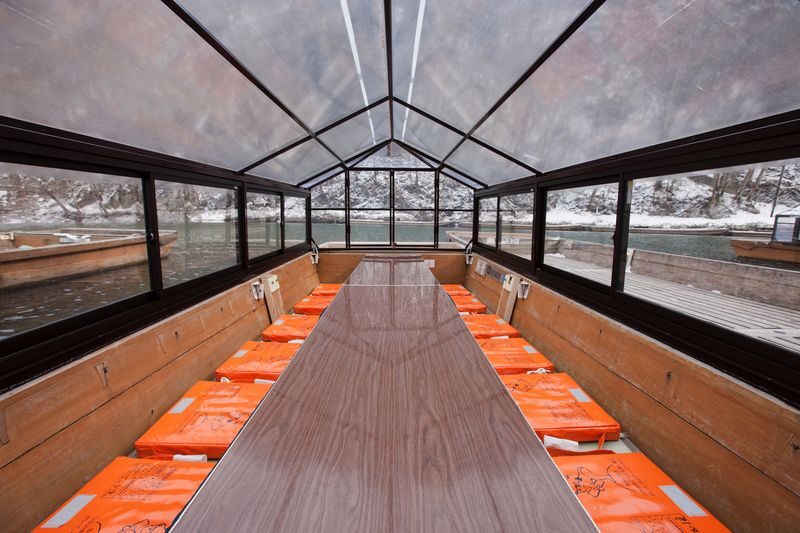
This is a good choice if you like nature at a gentle pace, value local character, and do not need every stop to be a major spectacle. Families can find it manageable, and preschool-age children have enjoyed the ride. The calm water and slow movement are reassuring, though the boat can be crowded at busy times.
It also suits people looking for a less familiar stop in Iwate, away from the usual large-city itinerary. Plan around the train schedule and give yourself time to exchange the ticket. If you prefer a fast tour, extensive walking, or English-language guiding throughout, you may find the format limited.
Book it if you have room in your Iwate plans for a slow, scenic outing and are happy to let the river set the pace. The best reasons to go are the close-up views of limestone cliffs, the boatman’s songs, and the way the gorge changes through the year. At a starting price of about $12, it offers good value for a 90-minute activity.
Think twice if your schedule is tight, you expect extensive English commentary, or you would be disappointed by a rainy-day canopy. Choose a departure with time to spare before your train, check river and weather conditions, and treat the ride as a relaxed part of the day rather than a quick stop.
“Whole ride was quite underwhelming.”
The round trip is usually about 90 minutes. Actual trip times can vary, so allow extra time in your schedule.
The meeting point is Geibikei Gorge, at Geibikei Tourist Center, 467 Machi, Nagasaka, Higashiyama-cho, Ichinoseki City, Iwate Prefecture.
From Ichinoseki Station, take the JR Ofunato Line to Geibikei Station.
The basic ticket includes admission to the round-trip Geibikei Gorge boat ride and tax.
The listed price is the same for all ages, but children aged 0 to 2 are free.
The ride operates in rain, and the boat is covered by a canopy. Severe weather or river flooding can temporarily suspend service.
No. There are no restroom facilities on board, so use one before you depart.
Yes. You may bring your own food and beverages.
Yes. The activity is listed as wheelchair-accessible, and staff are available to assist people with disabilities.
Show your mobile voucher at the ticket counter and exchange it for a physical ticket. Save or download the voucher ahead of time in case mobile reception is poor.