Physical Address
304 North Cardinal St.
Dorchester Center, MA 02124
Physical Address
304 North Cardinal St.
Dorchester Center, MA 02124

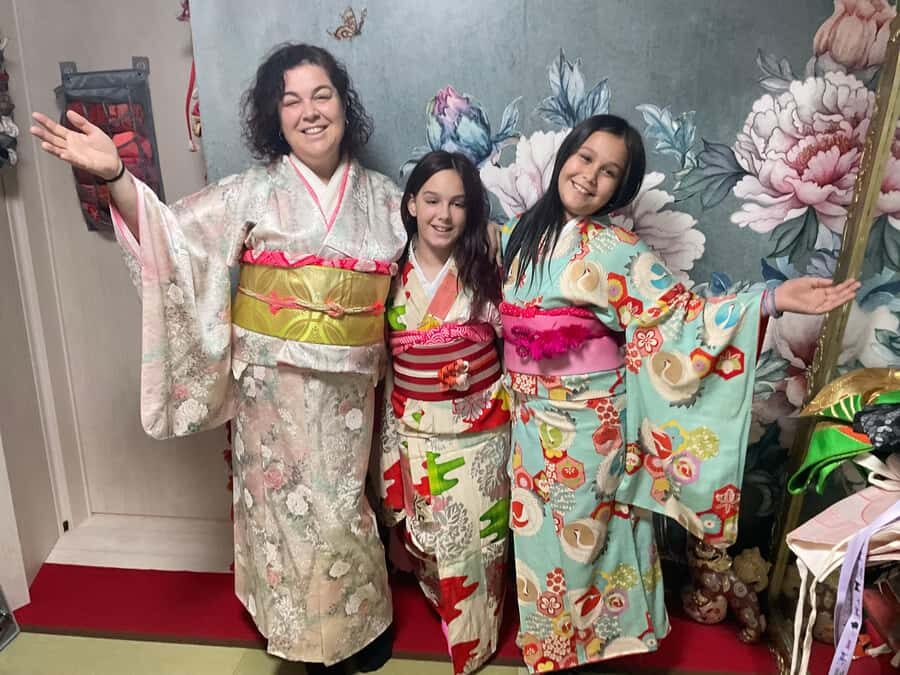
Make a two-piece kimono from vintage silk in a small Tokyo class, learn to wear it, and take home a personal Japanese souvenir.
A traditional kimono can be beautiful, but its layers and careful wrapping can make it hard to wear alone. Here, you turn a vintage garment into a two-piece kimono that is easier to adjust and put on, then take it home. The class makes traditional dress practical without asking you to master every fold.
I like two things in particular: you get to choose a garment and make it yours, and the staff help you learn how to wear the finished piece. The selection includes handmade vintage silk, and the class is designed to work for a broad range of sizes. One thing to keep in mind: the $43 starting price covers only kimonos marked with a red tag. Upgrades and some accessories cost extra.
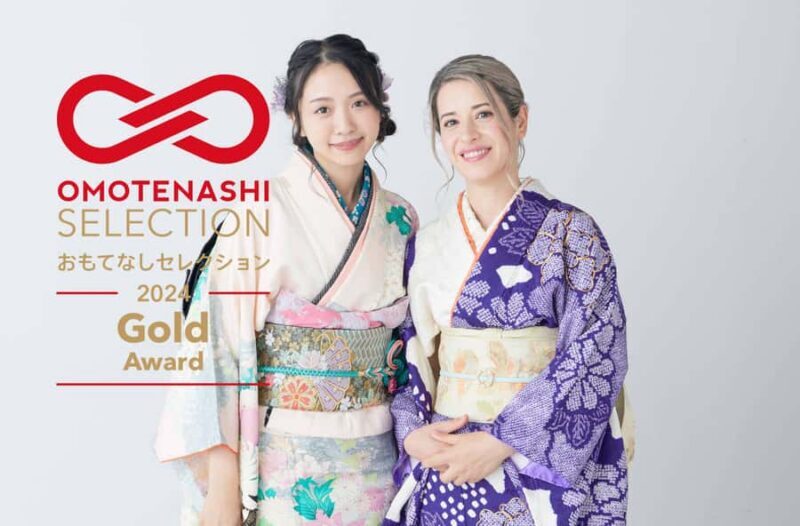
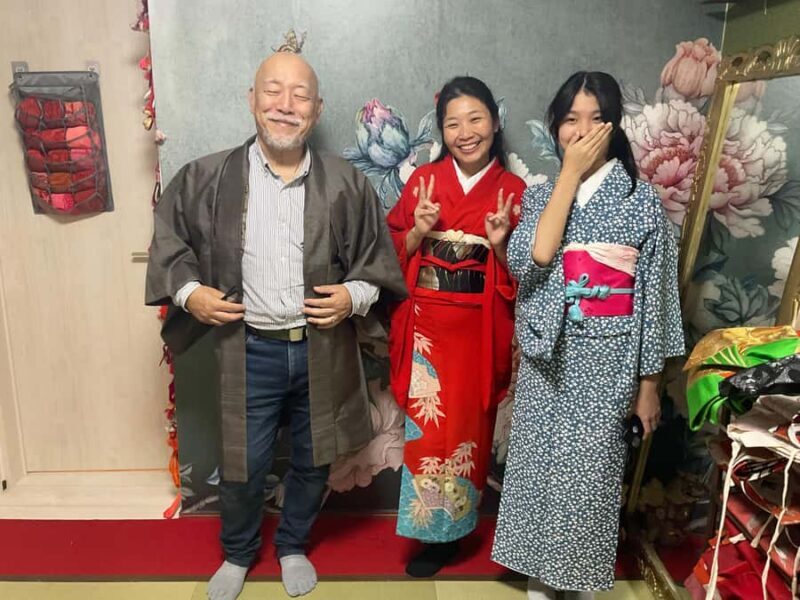
The main idea is simple: take a kimono, a garment traditionally worn in carefully arranged layers, and adapt it into a two-piece version. For women, the finished outfit separates into a top and skirt. That change makes the garment easier to fit to your body and easier to put on without help.
You are not making a kimono from raw fabric. Instead, you choose a vintage kimono and modify it with the materials provided. The work is hands-on, but it does not call for advanced sewing skills. The steps include cutting the fabric and using hemming tape and an iron to finish the edges.
That approach is a good fit if you want to take part in making something without spending a full day learning garment construction. It also means you are giving an older piece of silk a new use. If cutting a traditional garment feels uncomfortable, bear in mind that the class is built around this adaptation. You can ask questions before you begin.
The two-piece design is also a practical option for people who have found standard kimono sizing restrictive. The garment is adjusted to your measurements, and the format is intended to suit a wider range of body types. It is not custom tailoring in the formal sense, but it gives you more control over fit than a fixed-size rental.
Looking for more options in Tokyo? Here are some other experiences worth considering.
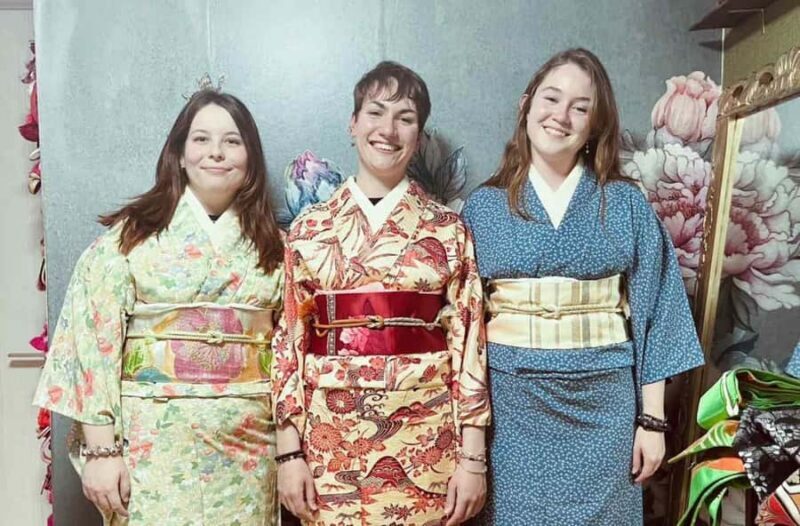
A big part of the fun is looking through the vintage collection and choosing a pattern you want to keep. The selection includes handmade silk kimonos in good condition, though vintage fabric can show its age. Some pieces may have stains in places, so inspect your choice before you commit.
The $43 price includes a kimono with a red tag, production materials, and use of a photo obi. The red tag matters: a garment without one may carry an upgrade fee. Listed upgrades range from ¥2,000 to ¥6,000, and you can ask the staff about the cost before choosing.
An obi belt is not included if you decide to buy one. Some people choose to purchase one to complete the look, and prices vary. A men’s haori and kimono set also costs an additional ¥2,000. These extras can add up, so treat $43 as the entry price rather than a guaranteed final total.
Still, the value is more than the fabric alone. You get a garment to take home, materials for the alteration, help with fitting, and an introduction to wearing it. If you are comparing the class with renting a kimono for a short photo session, ownership is the key difference. You leave with a personal souvenir, not just a few pictures.
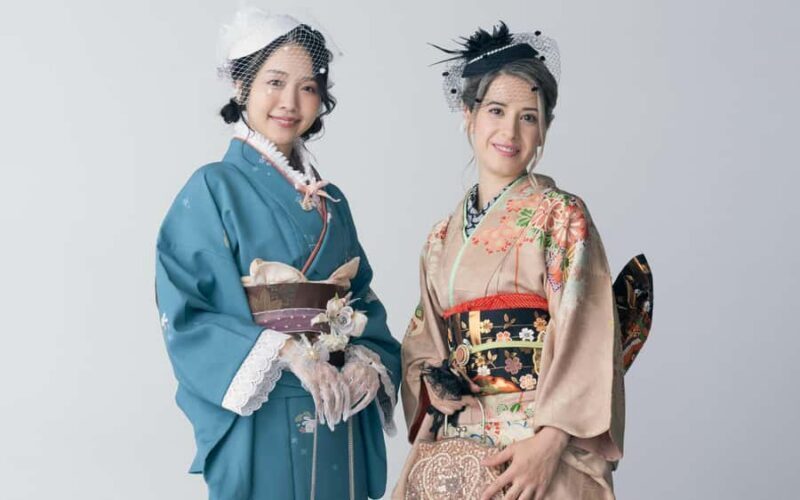
The session begins with choosing a kimono. This can take longer than you expect if several patterns catch your eye. The staff can help you compare colors and accessories, and you can ask about any added charge before settling on a piece.
Next comes the alteration. For the women’s style, you cut the garment into the two sections and finish the edges with hemming tape and an iron. The work is straightforward, but it is worth taking your time. One participant found that a cut came out slightly crooked and planned to fix it at home, so ask for guidance before making any irreversible cut.
After the garment is adjusted, staff help you put it on and show you how the pieces work together. The class is meant to make wearing your kimono on your own less intimidating. You may not remember every step after one lesson, so it is useful that written instructions have been sent by email to some participants. Ask whether those instructions are available for your session.
Photo time comes after the fitting. You can see the finished look, and the photo obi is included for the session. The full class is listed as 90 minutes, although the time you spend can vary with the group and with how long you take to choose. If you are deciding between several garments, leave room in your schedule rather than planning a tight connection immediately afterward.
The men’s activity has a different personal touch. You choose a kimono, print your name in kanji, select the font color, and iron the name onto the garment. The standard activity includes the name-printing process. A haori and kimono set is available for an extra ¥2,000.
This is a nice choice if you want a souvenir that feels specific to you, or if you are shopping for someone who may prefer a less formal style. The men’s option is not the same cutting activity as the women’s version, so do not expect every participant to follow one shared set of steps.
Children also follow a different plan. For girls, staff help select and put on a kimono; some children’s garments do not need to be cut or adjusted. Boys can have a name printed in Japanese on the collar. Children may also choose an adult kimono if their height makes it suitable, but the class content will differ from the adult women’s activity.
If you are booking as a family, keep those differences in mind. The children’s session may involve less hands-on construction, and the experience will not be identical for everyone. Ask ahead if you are unsure which option best suits your child’s height or interests.
More Great Tours Nearby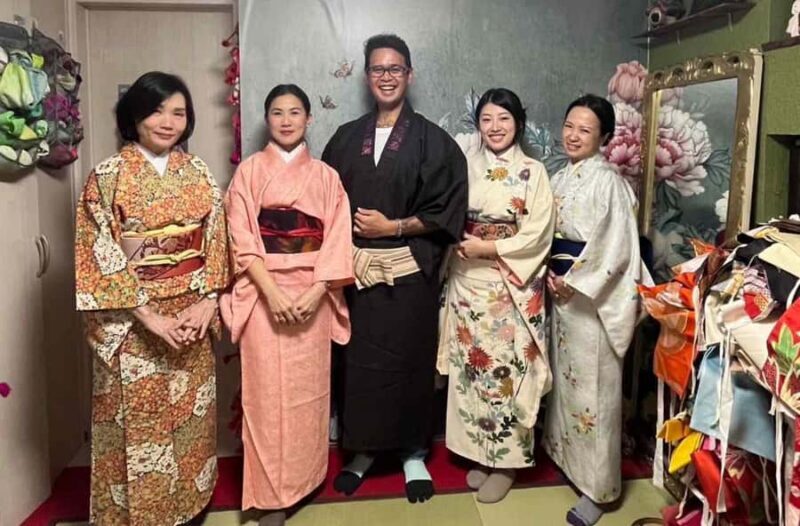
The staff’s patience is one of the strongest parts of this class. You can ask for help choosing a kimono, figuring out how it fits, or understanding the parts you are wearing. The English instruction makes the process accessible, and the small-group cap of 10 gives you a chance to ask questions without having to address a large class.
The cultural side is informal rather than a long lecture. You can learn about kimono styles, how the pieces fit together, and when people wear them in Japan while you work. Instructors named Rin and Miyoko have led sessions, and the class can also be a relaxed setting to ask questions in English or Japanese.
Do not expect a full tailoring course or an exhaustive history lesson. The practical task takes center stage. That is a strength if you want a souvenir and a useful introduction, but a limitation if your main goal is detailed instruction in traditional kimono dressing or sewing.
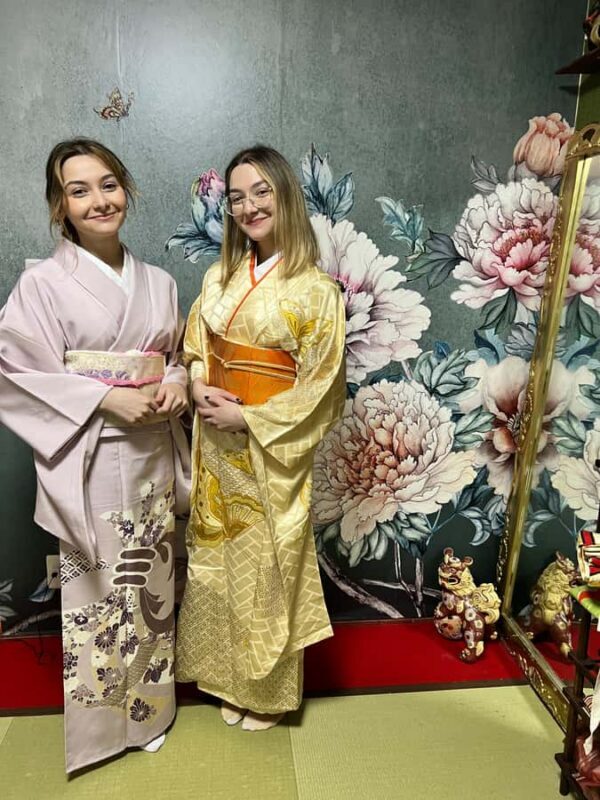
The meeting point is in the Kiba area, at a beige corner house with a signboard. Several buildings share the same address, so look for the house itself rather than relying on the street number alone. The listed coordinates are 35.6678223, 139.8073829.
There is one location detail worth checking before you go. If the Kiba studio has a large number of bookings, your session may move to a second store about five minutes’ walk from Toyocho Station. This is due to space limits at the Kiba location, so check the meeting instructions for your specific booking.
The Kiba space is a small house, which helps keep the activity personal but leaves less room to move around. The class is capped at 10, yet a full session can still feel close-quartered. If you need the exact venue, confirm it before setting off.
The activity is offered in English, lasts 90 minutes, and has a maximum group size of 10. You can reserve without paying immediately, and cancellation up to 24 hours ahead qualifies for a full refund. Those terms are useful if your Tokyo plans are still shifting.
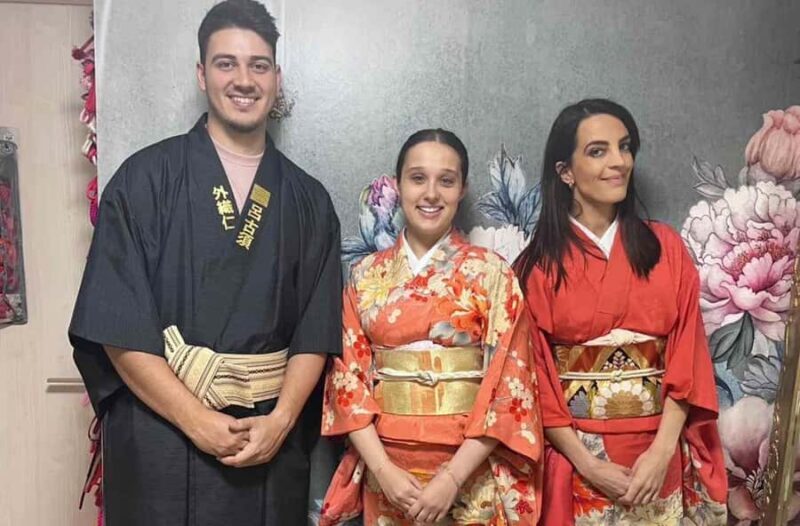
I would choose this experience if you want a Japanese cultural activity that sends you home with something you can keep and wear. It suits solo visitors as well as couples, families, and friends. The small group and kind, hands-on assistance can make it easier to join even if you are arriving alone.
It is especially appealing if you want to learn the basics of wearing a kimono without buying every traditional layer or taking a longer course. The adapted design is practical, and the fitting gives you a chance to see how the garment works on your own body.
It may be less satisfying if you want a completely traditional, untouched kimono or a deep sewing lesson. This class changes the garment by cutting it into a more convenient style. It is also worth budgeting for upgrades if the red-tag selection is not the one you want, and for an obi if you plan to buy one.
The finished piece can be a memorable keepsake, but it is still vintage. Check for marks, ask about extra costs, and choose a garment you are happy to alter. With those details clear, the class offers a warm, practical way to connect with Japanese clothing traditions.
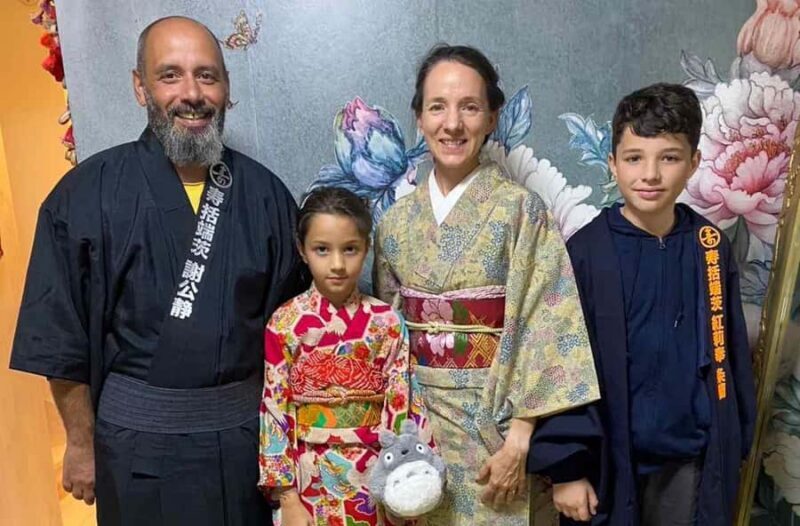
Book this class if you like the idea of choosing and adapting a vintage kimono, want patient help putting it on, and value a souvenir you can take home. The $43 base price is fair for the activity and included kimono, but set aside extra money if you have your eye on an upgraded piece or purchased accessories. If you want a traditional kimono left unaltered, this is not the right fit. For a hands-on, personal introduction to kimono, it is a thoughtful use of 90 minutes in Tokyo.
“It was a great experience! As a solo traveler I struggle a bit to join activities alone, but I really enjoyed this and I'm glad I did it. The kimon…”
The class lasts 90 minutes. The time can vary depending on how long you spend choosing a garment and the size of your session.
It includes a kimono with a red tag, production materials, and a rental photo obi for the session.
Yes. Upgraded kimonos cost an additional ¥2,000 to ¥6,000. Buying an obi costs extra, and a men’s haori and kimono set has an additional ¥2,000 fee.
Yes. Men can choose a kimono, print their name in kanji, select the font color, and iron the name onto the kimono.
Yes. Girls’ and boys’ kimono activities are available, but they follow a different plan from the women’s class. Some children’s kimonos do not need adjustment.
Yes. English instruction is available, and an English audio guide is included.
The meeting point is a beige corner house with a signboard in the Kiba area. If the Kiba studio is full, the session may take place at a second store about five minutes’ walk from Toyocho Station.
You can check availability for your dates here: