Physical Address
304 North Cardinal St.
Dorchester Center, MA 02124
Physical Address
304 North Cardinal St.
Dorchester Center, MA 02124

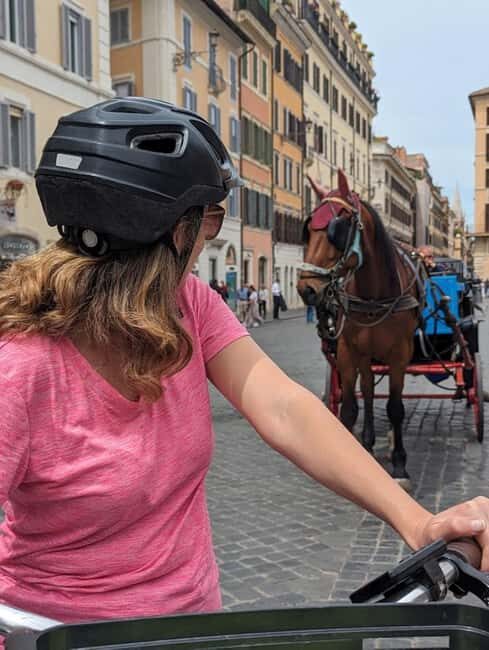
See Rome’s Colosseum, fountains, piazzas, and backstreets by e-bike on a four-hour guided ride with small groups and photo stops.
Rome’s great advantage on two wheels is distance: in four hours, you can ride from the Colosseum to St. Peter’s, then reach the Pantheon and Trevi Fountain without spending the day walking between them. I especially like the small groups, capped at eight per guide, and the route’s mix of famous sights and quieter streets.
The electric assist makes the hills and longer stretches easier, but this is still a cycling tour, not a motorized ride. You need to be comfortable on a bike, and traffic, crowds, and the occasional need to walk your bike are part of the deal.
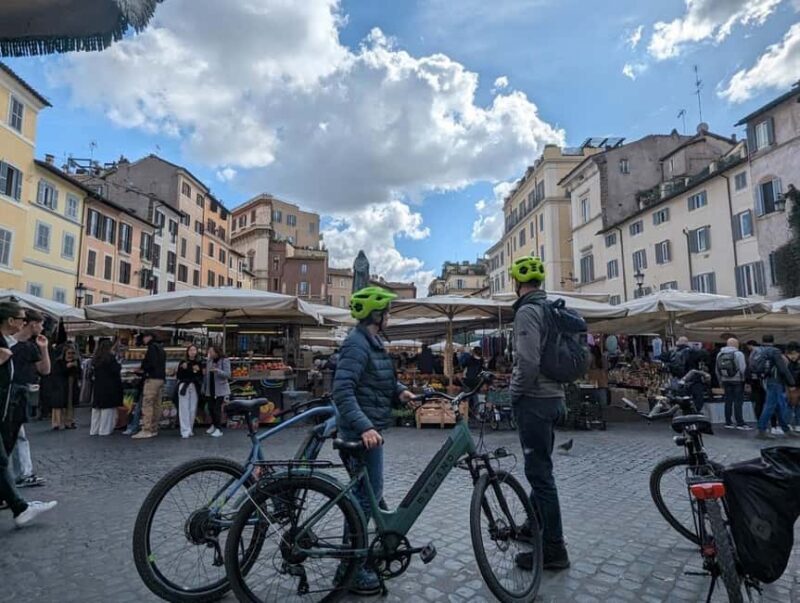
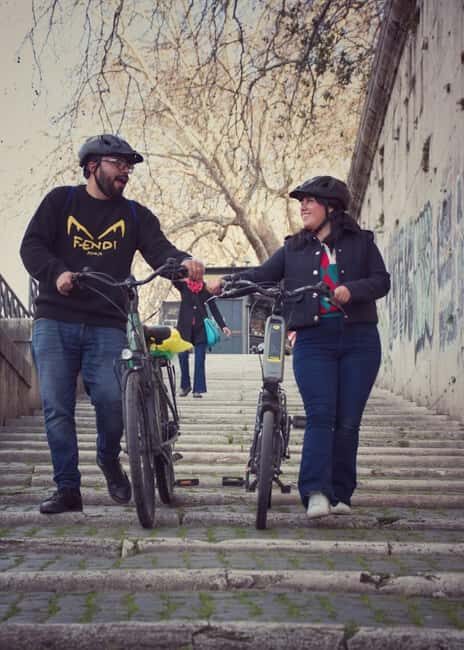
At $80 per person, this tour is built for coverage. Rome’s main sights are spread across the historic center, and linking them on foot can use up a large part of a day. An e-bike lets you see more in less time, while a guide provides context that’s easy to miss when you’re simply moving from one landmark to the next.
The route starts and finishes at Lungotevere delle Armi, 44, though the meeting point can vary by booking option. The ride covers the Tiber Island, Circus Maximus, Colosseum, Piazza Venezia, Jewish Ghetto, Campo de’ Fiori, Piazza Navona, Castel Sant’Angelo, St. Peter’s Basilica, Pantheon, Trevi Fountain, Piazza di Spagna, and Piazza del Popolo.
That is an ambitious list. Most stops allow about ten minutes for photos or a short look around, with the Colosseum given about fifteen minutes. Think of this as a guided orientation ride, not a slow visit to each site. You won’t have time to tour the Colosseum’s interior or linger in every piazza.
The ride can be a smart first activity in Rome. You’ll get a sense of where major sights sit in relation to one another, and the guide can help you identify places you may want to revisit on foot. It also works well when you have only half a day to get an overview.
Cyclists might enjoy these other Rome biking routes and tours
The electric bike reduces the effort of covering long distances and tackling slopes, but you still pedal. One rider was surprised by this distinction and could not join because of a knee problem. If pedaling is not comfortable for you, ask the operator before booking rather than assuming the motor does all the work.
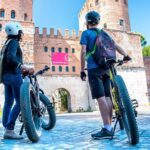
A regular mountain bike may be offered depending on the option you select. Check the bike type before you book if electric assist matters to you. Riders who have never used an e-bike have found the controls simple to learn, and guides explain how to use the bikes before setting off.
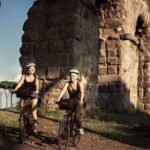
The route is planned to favor quiet roads and the Tiber bike path, but it isn’t entirely traffic-free. A few crossings or surface streets may feel busy, and popular areas can be crowded with people on foot. In those spots, you may need to slow down or walk your bike. Guides such as Ricardo and Marco have been praised for keeping groups calm and choosing routes away from heavier traffic when possible.
A short riding test takes place before departure. The guide can refuse participation, without a refund, if you aren’t able to ride safely or have health concerns that make the tour unsuitable. Take that rule seriously, particularly if you’re rusty on a bike.
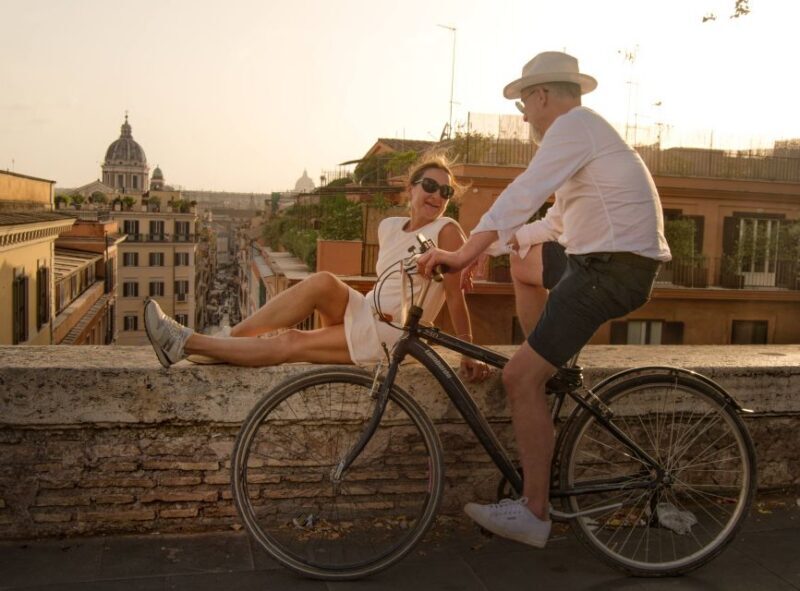
Tiber Island is an early chance to settle into the pace of the ride. The tour includes a guided stop here, then continues to Circus Maximus, where you’ll have a photo stop. The wide former chariot-racing ground is a useful place to picture Rome’s public life at a monumental scale, even if the stop is brief.
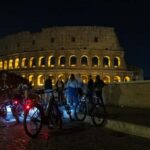
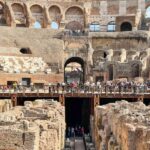
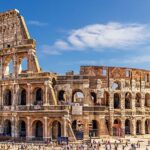
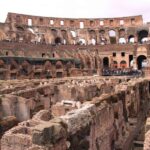
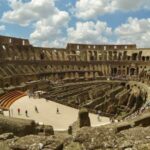
The Colosseum is the route’s most famous sight and gets the longest planned photo break, at about fifteen minutes. It’s a good chance to take in the exterior and hear a few stories, but don’t expect time to enter. If the area is crowded, the guide may need to manage where the group can safely pause.
Piazza Venezia follows, another quick photo stop amid central Rome’s busy streets. From there, the ride continues through the Jewish Ghetto, an area whose history gives the tour a welcome change of focus from emperors and monuments. The schedule allows about ten minutes of riding here rather than a dedicated extended visit.
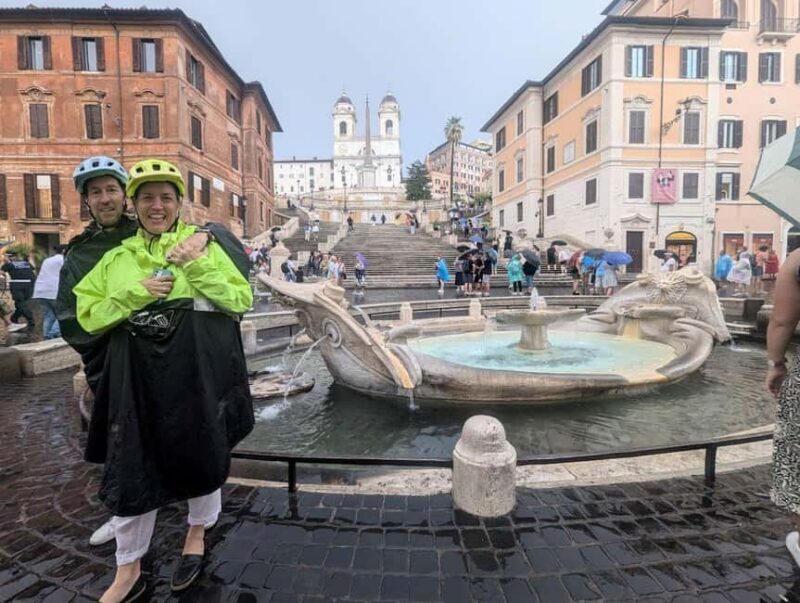
Campo de’ Fiori and Piazza Navona bring you into Rome’s piazza culture. The first is a photo stop; at Navona, you’ll also have time to look around and hear about the square. These pauses are short, but they help break up the cycling and give you a feel for the city’s public spaces.
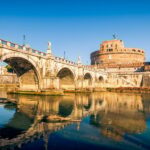
Next comes Castel Sant’Angelo, followed by St. Peter’s Basilica. Both are photo stops, not visits inside. The route gives you a view of some of Rome’s most recognizable religious and civic landmarks without the lines, entry process, or time commitment that an interior tour would require.
That trade-off is central to the tour’s value. You see a lot of the city in a morning or afternoon, but you see much of it from the saddle. If a particular monument is a priority, plan a separate visit so you can go inside and explore at your own pace.
More Great Tours Nearby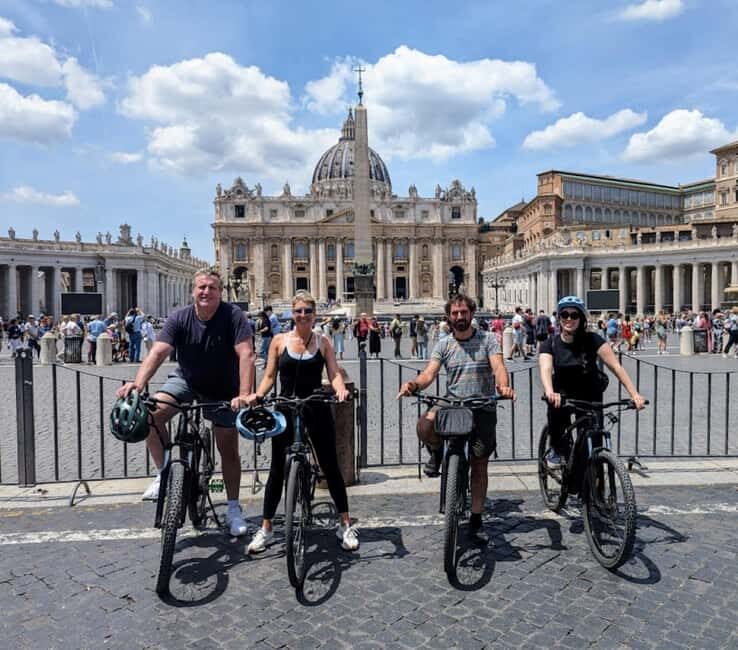
The Pantheon and Trevi Fountain are among the city’s essential stops, and both are allotted about ten minutes. That’s enough for a look and a few photos, not a thorough visit. Crowds can make these short pauses feel even shorter, so be ready to follow the guide’s instructions and keep the group moving.
A stop at Trevi Fountain comes with one practical tip from the ride: bring some cash if you want to toss a coin. One guide also helped a rider get change for the fountain, but don’t count on that being part of every tour. Piazza di Spagna is another photo stop, before the route reaches Piazza del Popolo.
By the end, you’ll have crossed a generous slice of central Rome. The itinerary may change for public events or safety reasons, so don’t treat every stop as guaranteed. The operator may substitute sights to keep the group secure.
Looking to discover more of Rome? Consider these other city tour options
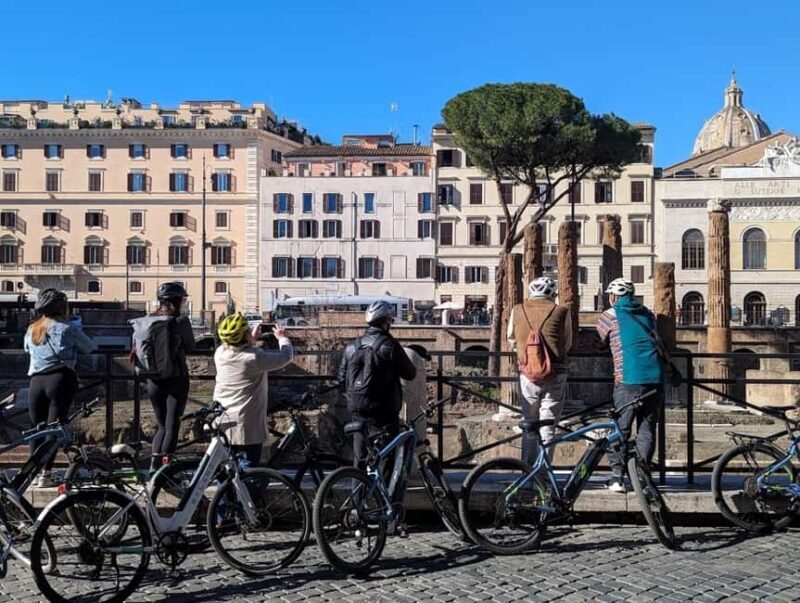
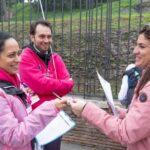
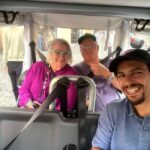
The bike carries you between sights; the guide turns the ride into more than a checklist. Daniela, Fabio, Ricardo, Giorgio, Martina, and other local guides have led tours, with riders praising their stories, patience, and ability to keep the mood relaxed. Daniela, in particular, has been noted for shaping the route around what the group wants to see and for taking photos along the way.
That personal approach is easier in a group capped at eight per guide. You have a better chance of asking questions or requesting a photo stop than you would in a large coach group. The tour can also be booked as a private experience if you want a guide exclusively for your party.
The strongest guides strike a balance: enough history to make the sights meaningful, without turning every pause into a lecture. If you’re keen on a specific subject or have already seen some of the major monuments, tell the guide at the start. The route may be adjusted to suit the group, within the limits of safety and timing.
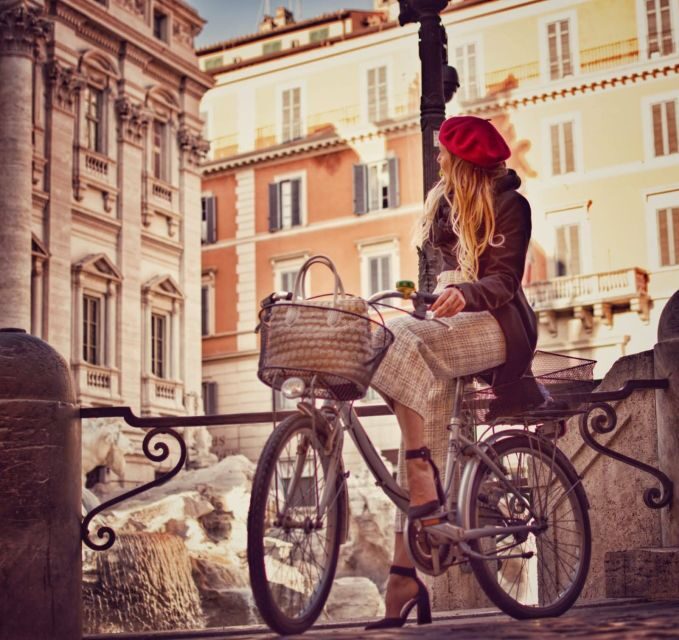
For four hours, a local guide, and an e-bike or mountain bike, $80 is a reasonable price if your aim is to cover a lot of Rome without walking the whole route. The value lies in the combination of transport, local interpretation, and a small group, rather than in long visits at individual sites. The tour includes a helmet cover, a rain poncho, and a child bike seat if needed.
It’s less compelling if you prefer to explore slowly, go inside every major attraction, or avoid cycling entirely. You’re paying for a guided overview, not admission to monuments. The ride is most useful when you want to get your bearings, save your legs, or make the most of a short stay.
Rain need not automatically end the ride: ponchos are provided. One family’s tour paused at a coffee house during heavy rain, but a café stop is not guaranteed. Bring water, especially in hot weather, and wear comfortable clothes.
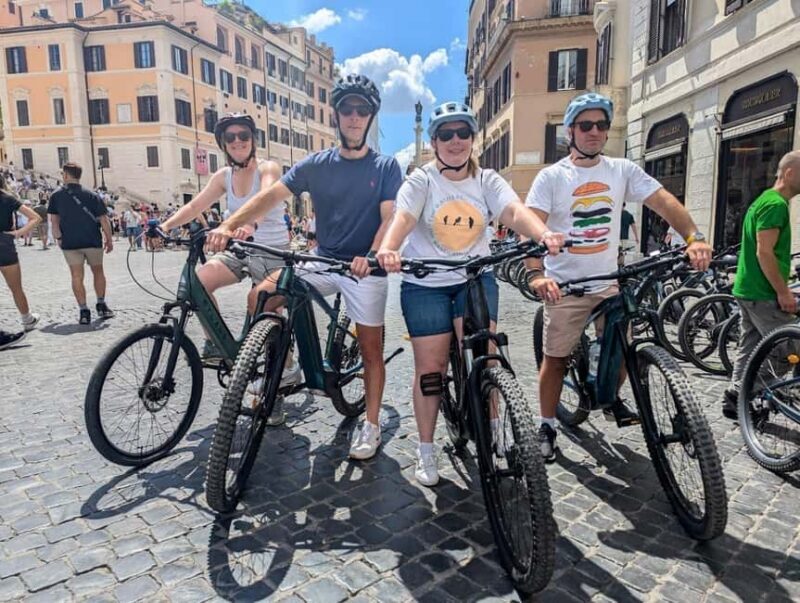
This tour suits confident cyclists who want an active overview of the historic center. It can work well for families with teens: the minimum age to operate an e-bike is 12, and children under 139 cm (4 feet 7 inches) need a bike extension, such as a tag-along or trailer. Infants up to 20 kg (44 pounds) can ride free in a child seat.
It’s not suitable for people who can’t ride a bike, wheelchair users, people with mobility impairments or vertigo, pregnant women, or anyone with heart problems, recent surgery, or a low fitness level. The listed maximum weight is 220 pounds (100 kg). If you have a health concern or doubt your cycling ability, ask the operator before booking; the guide makes the final call after the pre-ride test.
The minimum group size is four. If that number isn’t met, the operator offers an alternative date or a full refund. The stated maximum is eight per guide, though the group may run with fewer people or include one or two extra to keep bookings together.
Book this ride if you’re comfortable cycling and want to see Rome’s headline sights in a single half-day, with a local guide and less strain than walking the route. The small group and the chance to hear stories while moving through the city are real advantages, and the e-bike helps make the distance manageable.
Skip it if you need a fully traffic-free route, want to enter the major monuments, or can’t pedal safely. For the right rider, it’s an efficient and enjoyable introduction to Rome. Schedule it early in your stay, then return on foot to the places that deserve more time.
“Daniela was a great guide, a Roman local who knew her history and was happy to share it. The e-bikes are top quality and are a great way to get aro…”
The tour lasts four hours. Check the available start times when booking.
Stops and ride-by points include Tiber Island, Circus Maximus, the Colosseum, Piazza Venezia, the Jewish Ghetto, Campo de’ Fiori, Piazza Navona, Castel Sant’Angelo, St. Peter’s Basilica, the Pantheon, Trevi Fountain, Piazza di Spagna, and Piazza del Popolo.
No interior visits are specified. The route describes photo stops and time riding past the sights.
No. It favors quiet roads and the Tiber bike path, but light vehicular traffic on surface streets is occasionally unavoidable.
Yes. A minimum cycling level is required, and the guide conducts a test before departure. The guide may refuse participation if you are not considered able to ride safely.
You must be at least 12 years old to operate an e-bike. Children under 139 cm (4 feet 7 inches) need a bike extension. Infants up to 20 kg (44 pounds) can ride free in a child seat.
The live tour guide is available in Spanish, English, French, and Italian.
At least four participants are required. If the minimum is not reached, the operator offers an alternative date or a full refund.
You can check availability for your dates here: