Physical Address
304 North Cardinal St.
Dorchester Center, MA 02124
Physical Address
304 North Cardinal St.
Dorchester Center, MA 02124

Compare this 10-hour Hokkaido day tour’s blue pond, flower fields, lavender farm and forest cabins, with practical advice on seasons, lunch and travel time.
The best part of this Hokkaido day out is the change of scene: a road that rolls over farm hills, a pond colored by volcanic minerals, flower fields, lavender and little craft cabins in the woods. You cover a wide stretch of Biei and Furano without having to plan the connections yourself.
I like two things in particular: the varied stops make this more than a flower-garden outing, and the guide-led transport from Sapporo turns a complicated day trip into a fairly simple one. Guides such as Rita have earned praise for clear explanations, practical tips and helping with photos, though guide assignments vary.
The trade-off is time. You spend much of a 10-hour day on the road, while several stops last only 30 to 50 minutes. Flowers also depend on the season, so do not book in autumn expecting summer color.

This is a shared trip departing from Sapporo, not a private drive. The route takes you out to Biei and Furano, where several widely spaced sights are difficult to combine by local transport in one day. Having a driver and guide is the main convenience: you can look out at Hokkaido’s open farmland instead of keeping one eye on directions and bus timetables.
The tour is advertised for about 10 hours. Departure is listed at 08:00 or 08:10, and the return to Sapporo Station North Exit is estimated for 17:45 to 18:15. Traffic and weather can change that schedule, so keep the evening free. A dinner booking or train connection soon after the estimated arrival is a gamble.
Group size can range from four to 48. The vehicle depends on how many people book, and you cannot choose it. A smaller group may travel in a van, which can feel cramped on a long ride, especially if every seat is filled. If comfort and legroom matter to you, bear that uncertainty in mind before booking.
You might also be interested in these Biei experiences
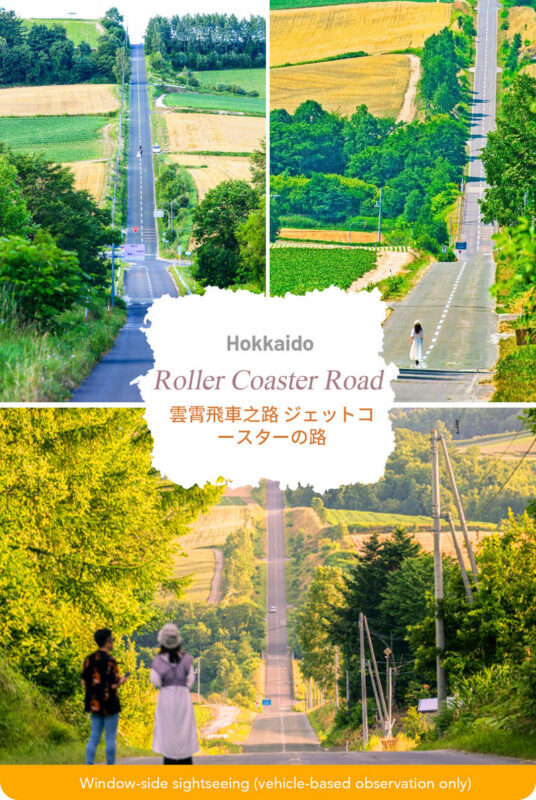
The first named stop is Roller Coaster Road, a straight, 2.5-kilometer road that rises and falls with the hills. Farmland and mountains spread out on either side, giving you a quick taste of Biei’s wide-open setting. The name is playful, but the point is the view, not a thrill ride.
This is an in-vehicle sight, with about 10 minutes allocated and no planned stop to get out. Think of it as a scenic stretch along the route, not a place where you can wander, take your time or set up a camera. If you prefer walking stops, this part may feel more like a bonus than a destination.
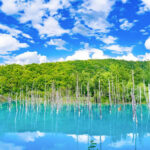
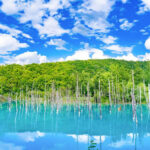
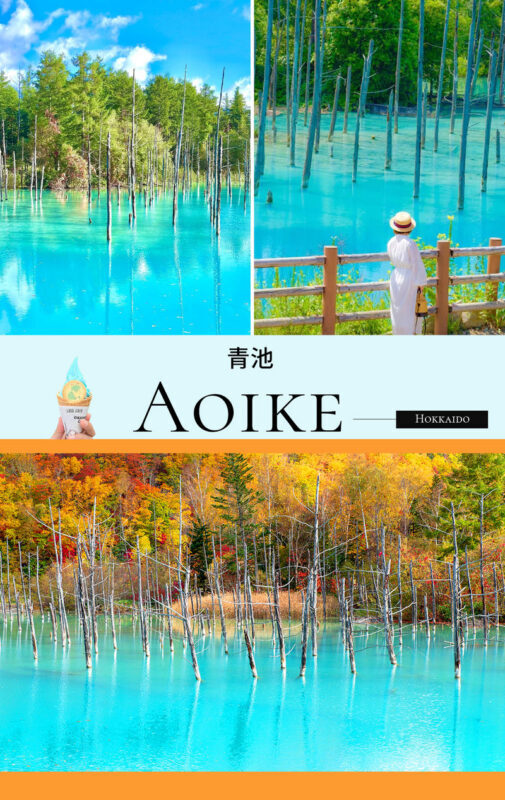
At Shirogane Blue Pond, you get about 30 minutes to walk around and take in the water. The pond’s unusual color comes from volcanic minerals, and its appearance can shift with the light and weather. On a bright day it may look strikingly blue; under different conditions, the effect can be subtler. Go with curiosity, not a promise that the water will match a photograph.
The pond is often compared with Japan’s famous colorful lakes, but this is a compact stop rather than a full day in nature. Thirty minutes gives you time to look around and take pictures, though not to linger. The walk is self-guided, so keep track of the return time.
Lunch is scheduled for an hour. The buffet option includes dishes such as ramen, curry, hot food, salad and soup, with local ingredients featured. The menu can change with the season and ingredient availability. Some packages include lunch, some are described as buffet-only, and others exclude meals, so check the exact option and inclusions before paying.
An all-you-can-eat melon upgrade is offered with some packages, but it is not included in every price. If melon is the main attraction for you, confirm that the selected option includes it. The buffet gives you a convenient meal without having to search for a restaurant during a tightly timed day, but it is best thought of as practical group-tour fare, not a culinary centerpiece.
You may also be able to buy food separately at the lunch stop. One useful detail from a past departure: the cafeteria’s food-ticket machine accepted cash only. That may not apply to every meal arrangement, so bring some yen if you plan to order independently.

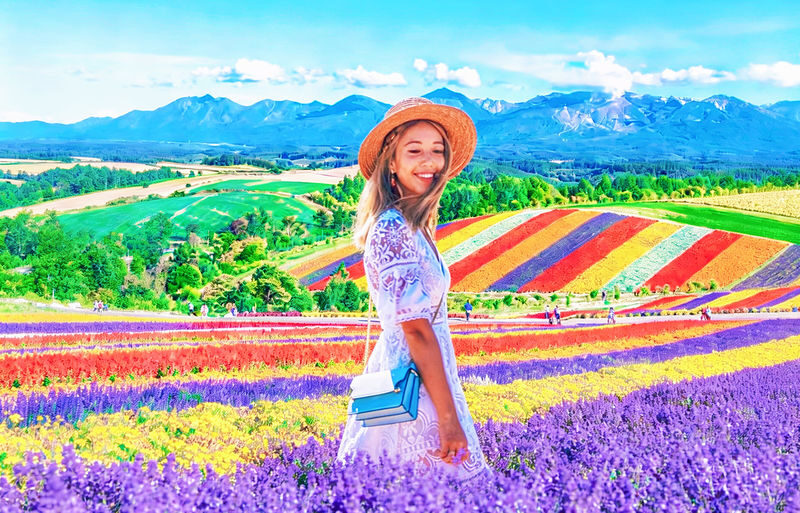
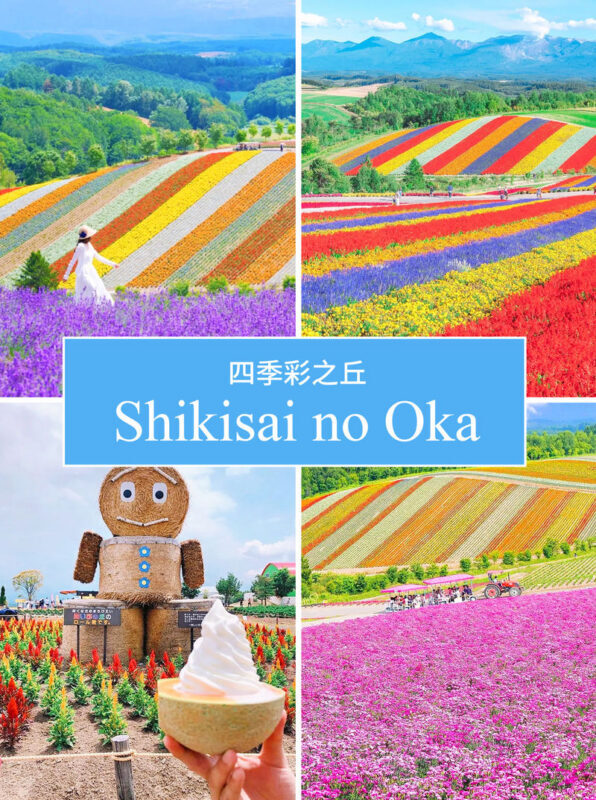
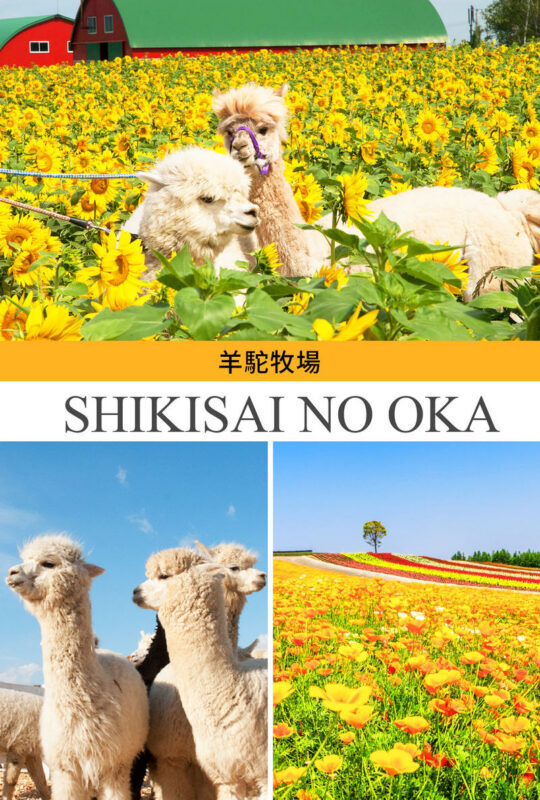
Shikisai-no-Oka covers 15 hectares, with more than 30 flower varieties appearing across the seasons. The fields are planted in long bands, creating the striped, rainbow-like pattern that makes this stop so photogenic. Tulips, lavender and sunflowers are among the flowers associated with the garden, but what you see depends on the time of year.
You have about 50 minutes here, and admission is included. That is enough for a walk and photos, but the garden is large, so you will need to make choices rather than cover every path at a leisurely pace. There may also be alpacas and large scarecrows, though the flower beds are the main draw.
This is the stop where seasonal expectations matter most. In spring or autumn, you may find fewer flowers in bloom than the tour’s summer-focused images suggest. The views can still be lovely, but the signature carpet of color is not guaranteed. If flowers are your chief reason for booking, check current seasonal conditions close to your travel date and stay flexible.
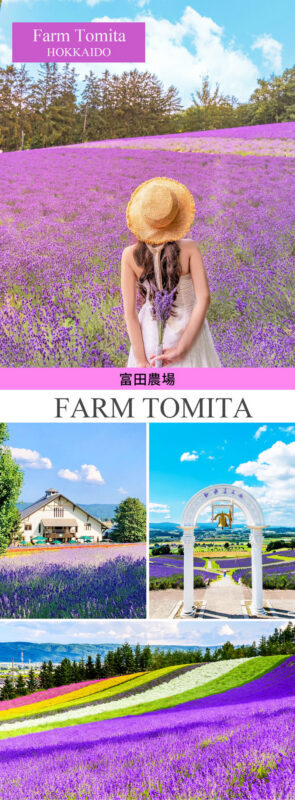
Farm Tomita is one of Hokkaido’s best-known lavender farms. In summer, purple rows and other flower beds create the classic Furano scene, with mountains in the distance. You have about 30 minutes, so this is a quick look rather than a slow wander through the grounds.
Lavender ice cream and seasonal souvenirs are among the things you may want to try or browse. The short stop asks you to choose: take photos, walk through the flower beds, visit a shop, or pause for a snack. You probably will not do all of that at an unhurried pace.
Outside the flowering period, the farm can feel less compelling if you came mainly for lavender. Some late-season departures have little bloom, while autumn brings its own colors and a different mood. The tour continues regardless unless the operator makes an official change, so book for the range of sights rather than one flower alone.
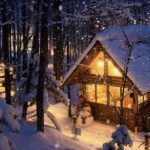
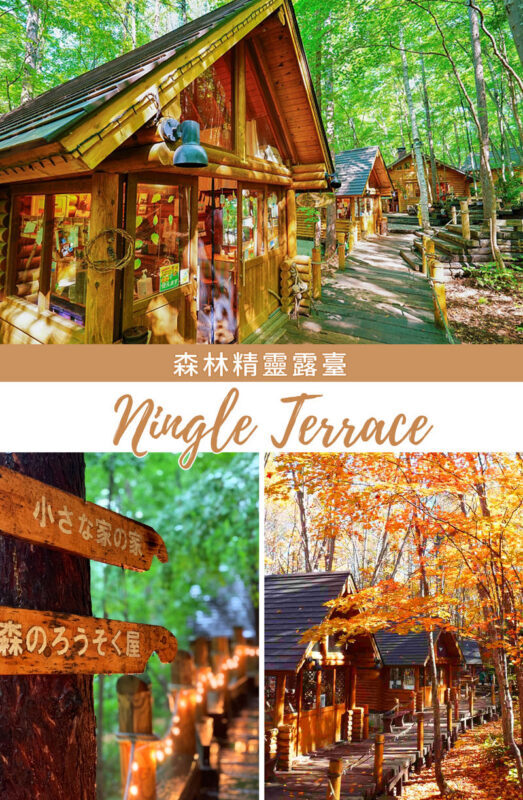
Ningle Terrace is a cluster of small wooden cabins in a forest setting, inspired by a tiny fairy character in the work of Japanese writer Satoshi Kuramoto. The cabins sell handmade items, including glasswork, paper crafts and lavender products. In the evening, warm lights can make the setting feel especially storybook-like, but your stop is scheduled for 30 minutes and the timing depends on the day’s route.
This stop offers a change of pace after the gardens. It is less about sweeping views and more about browsing small shops and enjoying the wooded setting. If shopping is not your thing, you may find it a brief stop; if you like craft work, it gives you a chance to see locally made pieces rather than only buy mass-produced souvenirs.
An English- or Chinese-speaking guide is included. The guide manages meeting times and gives information along the way; the amount of commentary and the languages used can vary by departure. Some guides, including Rita, have been singled out for being warm, organized and helpful with local suggestions and photos. Rita is not guaranteed on your date, so treat that as an example of the service rather than a promise.
Expect a group outing, not a private guide at your elbow. You will have free time at each attraction and need to return to the vehicle on time. The schedule may be rearranged because of weather, traffic or vehicle-hour limits, and the tour operator may adjust stop lengths or order to keep the day moving.
Use available restroom opportunities when you get them. The information provided does not promise a restroom stop at every attraction, and one stop may follow another without much spare time. A little planning before departure makes the long day more comfortable.
Prices start at $63.19, though the amount depends on the date and package. For that fare, the value is chiefly transport from Sapporo, a guide and access to several distant sights in one day. Admission to Shikisai-no-Oka is included. Lunch and melon arrangements depend on the package you choose, so compare the actual inclusions rather than relying on the tour title.
Driving yourself could offer more time at each garden and freedom to change plans, but it also means arranging a vehicle and navigating a long route. For someone without a car, this tour bundles the key stops into one booking. The cost looks reasonable if you want broad coverage and accept the short visits; it is less appealing if you value slow walks, long meals or time to shop.
The strongest part is the mix: Blue Pond, flower fields, lavender and a forest craft stop are different enough to keep the day varied. The weak point is the compressed pace, especially at Farm Tomita and Ningle Terrace. A small vehicle can add to the strain, so keep your expectations practical.
Arrive at the Sapporo meeting point at least 10 minutes early. The meeting place is at Sapporo Station North Exit, and the tour guide carries a GOGODAY flag. Vehicle and guide details are sent by email between 20:00 and 21:00 on the evening before departure. Check your spam folder and follow the latest message if more than one arrives.
Children aged three and older pay the adult rate. Children aged zero to two can travel free if they do not need a separate seat, but they still count toward vehicle capacity and must be declared when booking. If you are bringing luggage, note it in the booking’s special requirements: one piece per person is allowed when arranged in advance. Large bags may not suit a small vehicle.
People over 70 and pregnant participants must arrange a liability waiver in advance. The tour requires at least four participants; if that minimum is not reached, the activity may be cancelled with a rescheduled time or refund offered. Cancellations at least 48 hours before the activity qualify for a full refund under the stated policy, while late arrivals and no-shows are not refundable.
Book it if you are based in Sapporo, do not plan to drive, and want a sampler of Biei and Furano in a single day. The guide and transport solve the hardest part of seeing these spread-out sights, while the route gives you more variety than a flower-farm-only trip.
Skip it if you want to linger at each stop, need a guaranteed large coach, or are booking mainly for lavender outside its flowering season. For the best chance of seeing the fields at their colorful best, travel when seasonal blooms are present, and remember that nature does not follow the booking calendar. If you can accept a long ride and short visits, this is a convenient way to get a first look at Hokkaido’s summer sights.
“We really enjoyed this Furano tour! The destinations were beautiful, especially all the flowers, and the itinerary was very well planned. It was su…”
The tour lasts about 10 hours. Departure is listed at 08:00 or 08:10, and the estimated return to Sapporo is between 17:45 and 18:15. Traffic and weather can affect the arrival time.
It departs from a meeting point at Sapporo Station North Exit. The guide carries a GOGODAY flag, and you should arrive at least 10 minutes before departure.
An English- or Chinese-speaking guide is included. The exact guide and vehicle details are sent by email the evening before departure.
It depends on the package you select. Available options include packages with no meal, buffet options, and options that include lunch and all-you-can-eat melon. Check the inclusions for your chosen package before booking.
No, not in every package. It is offered as an upgrade or included in some package options, so confirm the details before booking.
Yes. Admission to Shikisai-no-Oka is included.
The schedule allows about 10 minutes for Roller Coaster Road, 30 minutes at Blue Pond, one hour for lunch, 50 minutes at Shikisai-no-Oka, 30 minutes at Farm Tomita and 30 minutes at Ningle Terrace. The actual schedule may change.
Each person may bring one piece of luggage if it is noted in the special requirements when booking. Large luggage may not fit well in a small vehicle.
The tour may proceed as scheduled even if the flower season is early, late or otherwise different from expectations. Seasonal conditions can affect the sights, and no refund is offered just because the blooms are not as expected.