Physical Address
304 North Cardinal St.
Dorchester Center, MA 02124
Physical Address
304 North Cardinal St.
Dorchester Center, MA 02124

See Tokyo’s palace grounds, Sensō-ji and Tokyo Tower in four hours, with an English-speaking guide and transport by hybrid bus.
Tokyo’s big sights are spread across the city, and this four-hour bus tour makes a tidy route of three very different stops: the Imperial Palace outer area, Sensō-ji and Tokyo Tower. You get a guide’s commentary along the way, plus time to look around at each stop without having to plan the transport yourself.
I like two things in particular: the mix of old Tokyo and modern city views, and the practical rhythm of a guided bus ride with independent time at Sensō-ji. The Tokyo Tower ticket is included, too, which makes the $40 price easier to assess.
One thing to know before you book: the palace stop is outside the Imperial Palace, not inside it, and the East Gardens are not part of this tour. If palace interiors or long, unhurried visits are your priority, this route may feel too brief.
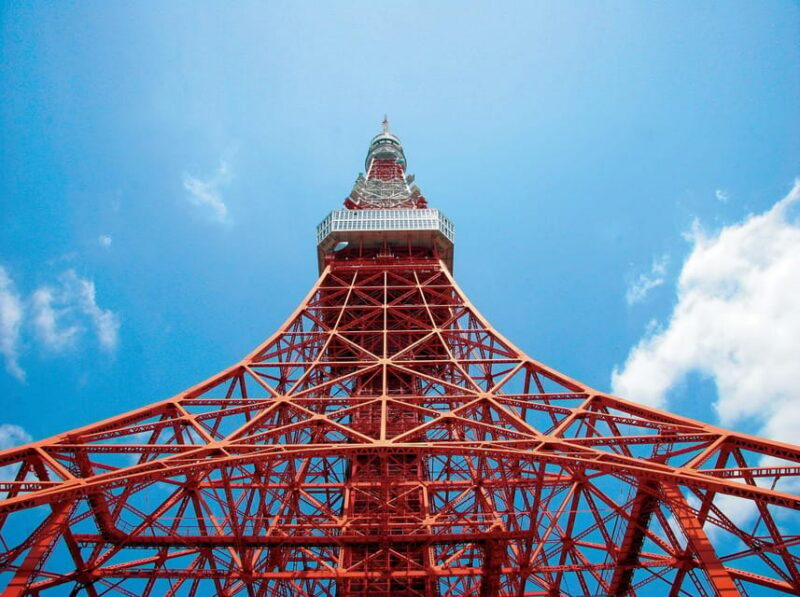
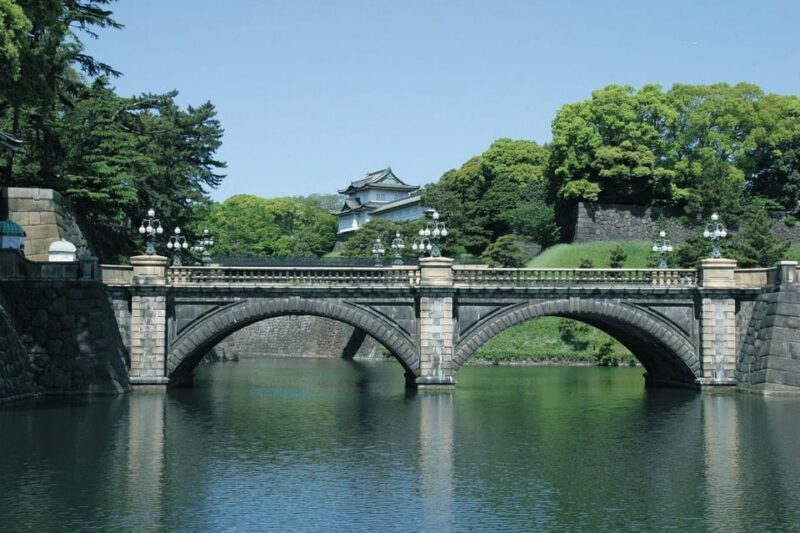
The appeal of this tour is its contrast. You begin at the stately edge of the Imperial Palace, move into Asakusa’s temple precinct and traditional shopping street, then finish above the city at Tokyo Tower. Each place gives you a different point of reference, and the bus helps bridge the distances without asking you to decipher several separate routes.
The tour lasts four hours and costs $40 per person. For that price, you get transportation, an English-speaking guide, the palace-area stop and admission to Tokyo Tower’s main observatory. Food, drinks and hotel transport are extra. You pay for convenience and a clear introduction, not for an intimate or in-depth visit to every site.
The guide is an important part of the value. Guides named on past departures include Junko, Kiki, Cheetusan, Atsushi and Kumie, though you should not expect a particular person on your date. The format also gives the guide room to explain what you are seeing while the bus moves through Tokyo. That can help connect the stops into a city tour rather than three isolated photo breaks.
Looking for more options in Tokyo? Here are some other experiences worth considering.
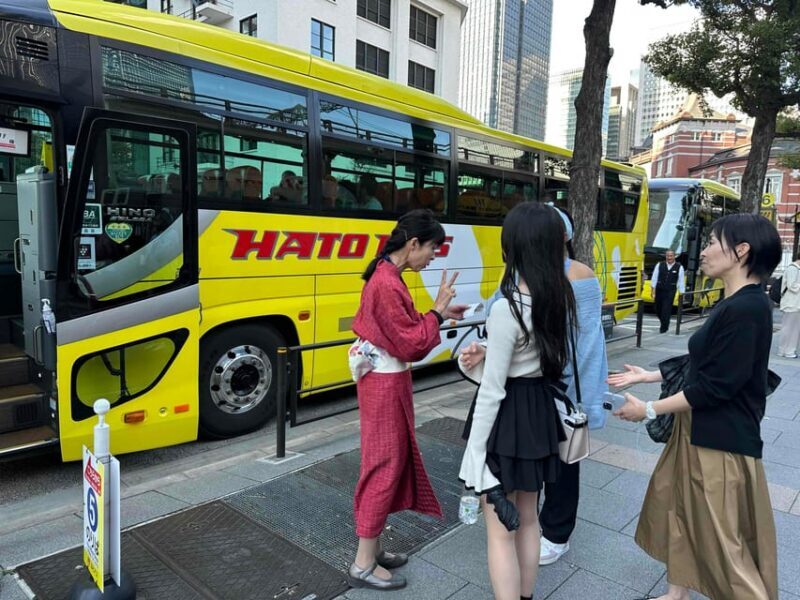
Meet at the Hato Bus Tokyo office, a two-minute walk from the Marunouchi South Exit of JR Tokyo Station. That central starting point is useful if you are already exploring around the station or arriving by train. The tour returns to the same office at the end, so you do not need to arrange a separate ride back from Tokyo Tower.
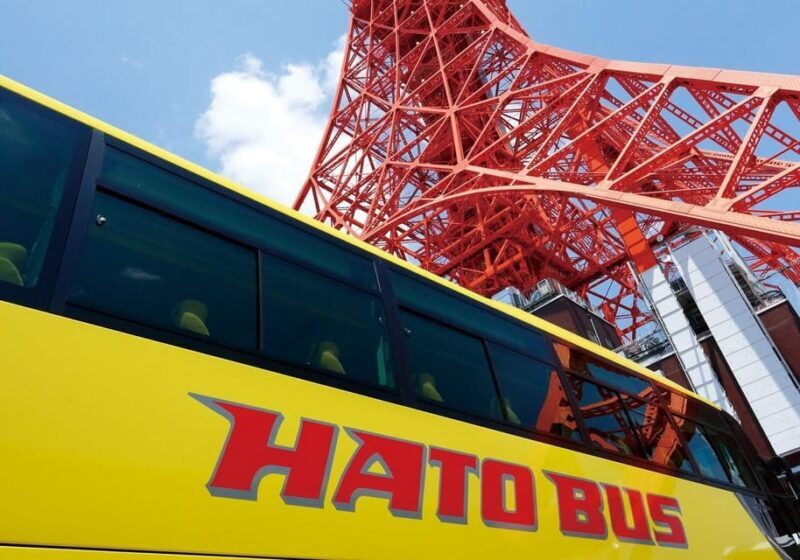
You board an eco-friendly hybrid bus and meet your English-speaking guide before setting off. The bus is a practical feature, not just a ride between attractions: the three stops are spread across Tokyo, and moving as a group saves you from working out the transfers yourself. The drive also gives the guide time to share extra information about the city and Japan.
The stated tour length is four hours, including travel and the scheduled time at the sights. Expect a mix of riding and walking. You will need to manage a few steps getting on and off the bus, and the temple and palace-area visits involve walking. The tour is wheelchair accessible, but that bus-step note is worth considering if you need step-free boarding.
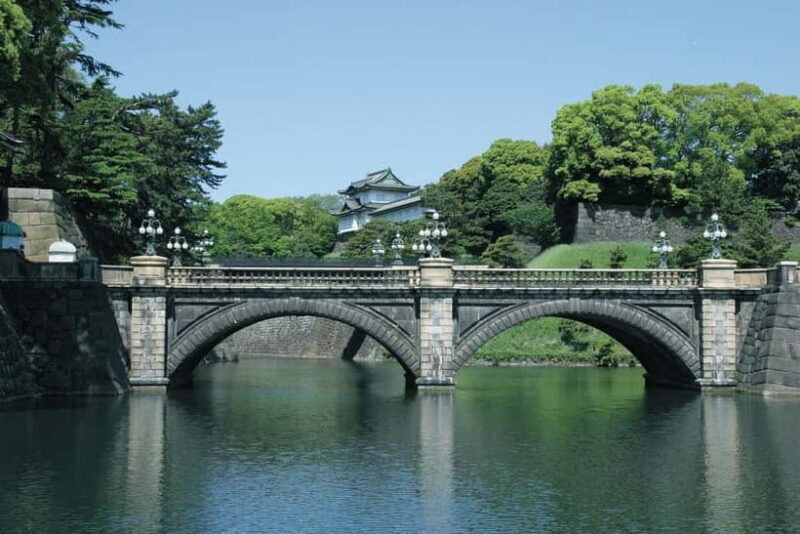
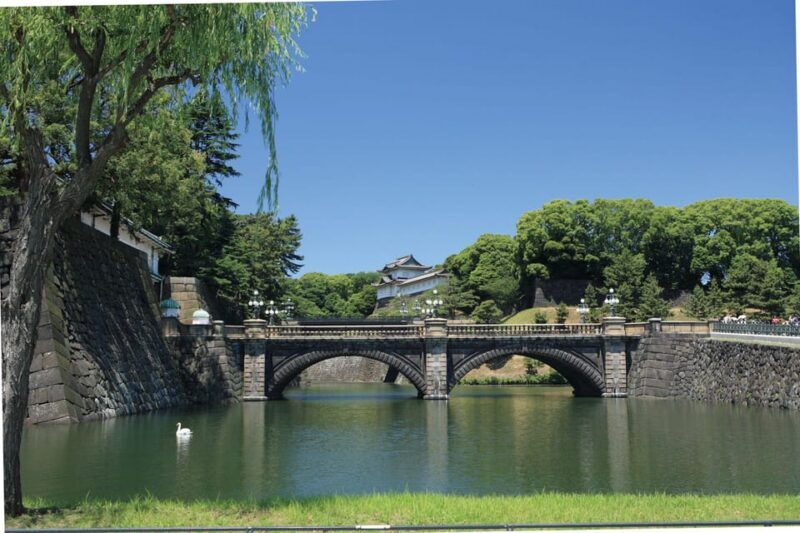
At the Imperial Palace Outer Area, you get about 40 minutes for sightseeing and a walk around the Nijubashi Bridge area. The stop also includes a view of the statue of Masashige Kusunoki. It is a scenic, open-air introduction to the palace grounds and their historic architecture, rather than a visit to the residence or a tour through palace rooms.
That distinction matters. You cannot enter the Imperial Palace itself on this tour, and the East Gardens are specifically excluded. Some people picture formal gardens and an up-close palace visit when they hear Imperial Palace; this stop offers the outer setting instead. Go in expecting a walk, a bridge view and a sense of the grounds, not an extensive garden visit.
I still find it a useful first stop. The bridge and the surrounding stonework give you a strong visual change from Tokyo Station’s modern commercial district, and the open setting is a calm start to a busy afternoon. But if your main reason for booking is to explore palace gardens, arrange a separate visit to the East Gardens and check their opening days and access details independently.
The tour allows about an hour at Sensō-ji, also called Asakusa Kannon Temple. It is the oldest temple in Tokyo, and the guide introduces its history and craftsmanship before you have time to explore on your own. That balance is welcome: you get some context, but you are not required to stay beside the group for every minute.
Nakamise Street runs for about 200 meters through the temple complex. It is a traditional shopping street lined with opportunities to look for souvenirs and try local snacks or meals. Purchases are at your own expense, so bring a little spending money if you want to sample something or take home a small keepsake.
An hour is enough for a first look and a stroll through Nakamise, but it can feel short if you want to linger at the temple, browse every shop or stop for a full meal. Asakusa can also be crowded, particularly on a Sunday, which may slow your walk. Keep an eye on the meeting time and do not count on covering every corner of the complex before the bus leaves.
This is the stop where the tour’s free time is most useful. You can follow the guide’s introduction, then decide whether you would rather focus on the temple buildings, the shopping street or a snack. If you want a longer visit, note the area and return on your own later.
More Great Tours Nearby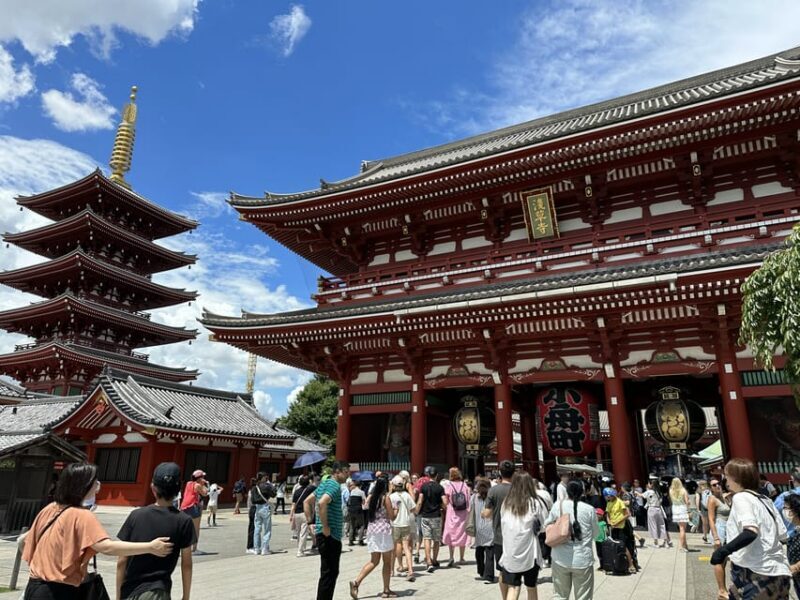
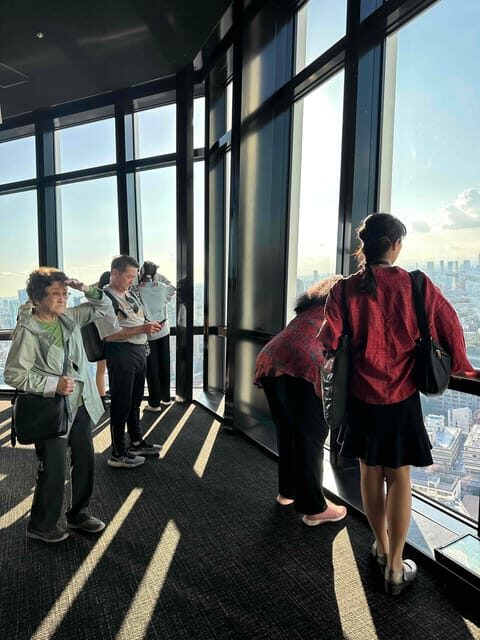
The final stop is Tokyo Tower, one of the city’s best-known landmarks. The included ticket takes you to the main observatory, 150 meters above ground. From there, you can look across Tokyo and, if the weather is clear, spot Mount Fuji.
The stop is scheduled for about 40 minutes. That gives you time for the observatory and views, but it is not a long visit. Visibility is the wild card: rain, haze or low cloud can limit what you see, and a tower visit on a clear day is a different proposition from one in poor weather. You cannot control the forecast, so treat the panorama as a bonus rather than a guarantee.
If the tour time works for you, consider how daylight will affect your preferred view. One person on a winter departure wished they had reached the tower around sunset rather than after it had passed. The tour schedule may not line up with that timing, so check the available start times and season before booking if sunset is a priority.

The strongest reason to choose this tour is the combination of transport and commentary. Several guides on this route, including Junko, Kiki and Cheetusan, have been singled out for clear explanations, lively delivery and information shared during the drives. A good guide can make the stretches between sights useful, especially when you are new to Tokyo and want more than a sequence of landmarks.
The group format also helps keep the afternoon moving. The guide and driver handle the route, and the guide keeps the group informed about timing and where to meet. That can be reassuring on a first day in the city, or when you have limited time and would rather not manage each leg yourself.
The trade-off is control. You follow the set route and timetable, and each stop has a fixed window. The palace visit is brief and exterior-only; Sensō-ji has more room for independent wandering, but an hour can disappear quickly; Tokyo Tower is a short observatory visit. If you like to read every sign, shop at leisure or linger for photographs, a self-planned day gives you more freedom.
Weather can shape the experience, especially at the tower. Rain may reduce visibility, while hot and humid conditions can make the walking less comfortable. The bus offers a break between stops, but the outdoor portions still depend on the day’s conditions. Bring weather-appropriate clothing and comfortable walking shoes.
At $40, this is a good-value introduction if you want to see these three sights in one afternoon. The cost covers the hybrid bus, guide and Tokyo Tower ticket, while the guided route saves you the effort of connecting distant stops. You also get a useful overview from the guide’s commentary during the drives.
It is less compelling if you only want one of the locations, or if you expect a full Imperial Palace visit. You could spend longer at Sensō-ji or explore palace-area gardens independently, but then you would be arranging and paying for transport separately. The tour’s value is strongest for a short-stay visitor who wants a straightforward overview and does not mind a brisk schedule.
For families, children under six can travel free, but they do not receive their own bus seat. Food and drinks are not included, so budget separately for snacks at Nakamise. There is no hotel pickup or drop-off; you need to reach the Hato Bus office yourself.
Book it if you want an easy first pass at three major Tokyo sights, appreciate having an English-speaking guide and value a bus connection that takes care of the in-between travel. It is especially suited to a short stay, a first day in the city or anyone who prefers a guided overview to piecing together several journeys.
Skip it if you want to enter the Imperial Palace, spend a long stretch in the East Gardens, or set your own pace at every stop. The most sensible expectation is a well-organized sampler: an exterior palace-area walk, a useful hour in Asakusa and a brief look over Tokyo from the tower. At $40, that is a fair exchange for convenience, provided you know what the palace stop does and does not include.
“The matcha making experience was wonderful and very well organized. Honoka and Midori explained the history and preparation of matcha in a clear an…”
The tour lasts four hours, including travel between the stops.
The listed price is $40 per person.
It starts and ends at the Hato Bus Tokyo office near Tokyo Station. The office is a two-minute walk from the JR Tokyo Station Marunouchi South Exit.
The tour visits the Imperial Palace Outer Area, including the Nijubashi Bridge area. Entry to the palace itself is not included.
No. The East Gardens are not included in this tour.
The scheduled visit at Sensō-ji is about one hour, including free time to explore and shop on Nakamise Street.
Yes. Admission to the main observatory, 150 meters above ground, is included.
Yes. The tour has a live English-speaking guide.
Yes. Children aged zero to under six can travel for free, but a seat is not provided for them.
Yes. You can cancel up to 24 hours in advance for a full refund. Reserve-now, pay-later booking is also available.
You can check availability for your dates here: