Physical Address
304 North Cardinal St.
Dorchester Center, MA 02124
Physical Address
304 North Cardinal St.
Dorchester Center, MA 02124

Travel from Fez to Marrakech in three days via Merzouga, camel rides, Atlas scenery, Todra Gorge and Ait Benhaddou, with two nights’ lodging.
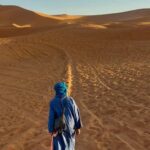
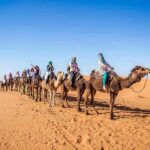
Merzouga’s dunes are the big draw: you ride a camel into the Sahara for sunset, sleep at a desert camp, then return across the sand in the morning. The route from Fez to Marrakech also takes in cedar forests, Atlas mountain villages, Todra Gorge and Ait Benhaddou, so the journey is part of the experience, not just the transfer.
I like two things in particular: the range of scenery packed into three days, and the practical value of having transport, two nights’ lodging, camel transport and four dinners and breakfasts arranged. The trade-off is a lot of time in the vehicle, plus lunches and drinks at your own expense.
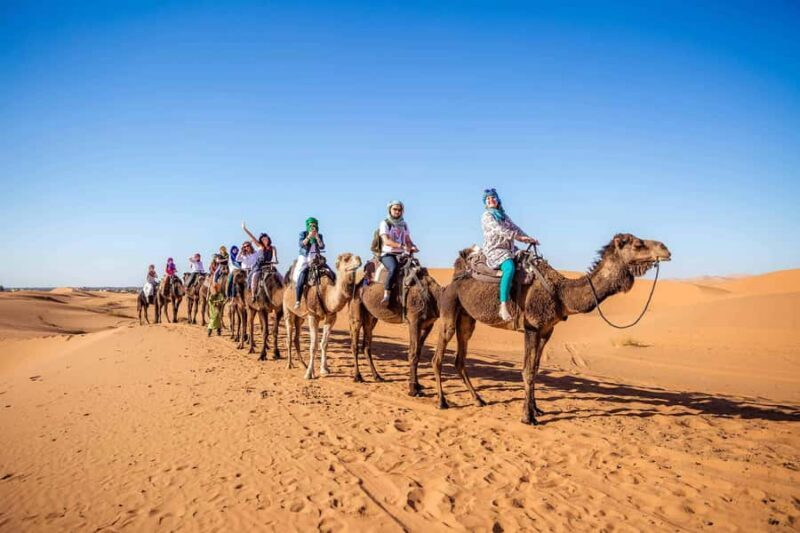
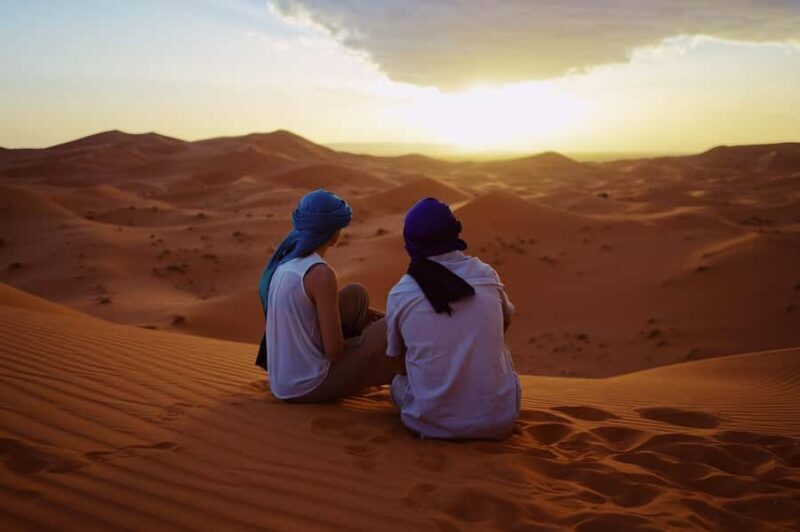
This is not a leisurely three-day tour with a long stay in each place. It is a fast overland crossing, with several hours on the road each day and short visits along the way. The payoff is variety: you move from Fez’s northern surroundings through the Middle Atlas, across the desert region, then west toward Ouarzazate and Marrakech.
The trip costs $170 per person. That covers an air-conditioned vehicle, a professional driver, pickup and drop-off, fuel, a local camel guide, the desert camp, and the Ouarzazate hotel or riad. Four meals are included, one dinner and breakfast at each overnight stop. You still need to budget for lunches, drinks and any Atlas Studios entrance fee.
For the price, it is a useful bundle, especially if you would otherwise need to arrange intercity transport, desert accommodation and a camel ride separately. It is less compelling if your priority is slow travel or several nights in the Sahara. The short schedule means the desert stay is only one night, and the driving is unavoidable.
You might also be interested in these Fes experiences
Pickup is listed for 7:30 am, followed by a long drive through the Middle Atlas toward Merzouga. The route passes Ifrane and cedar forests, with stops for views and fresh air. One memorable possibility is seeing macaques and feeding them by hand. Keep food secure and follow your guide’s instructions around the animals.
Midelt is the planned lunch stop. Lunch is not included, and the restaurant options on this route can be limited. Some groups have paid around 120 dirhams, or about €12, for lunch and felt the food did not match the price. You may find that a small snack before pickup and a little patience with the meal stops help; bring water and money for food.
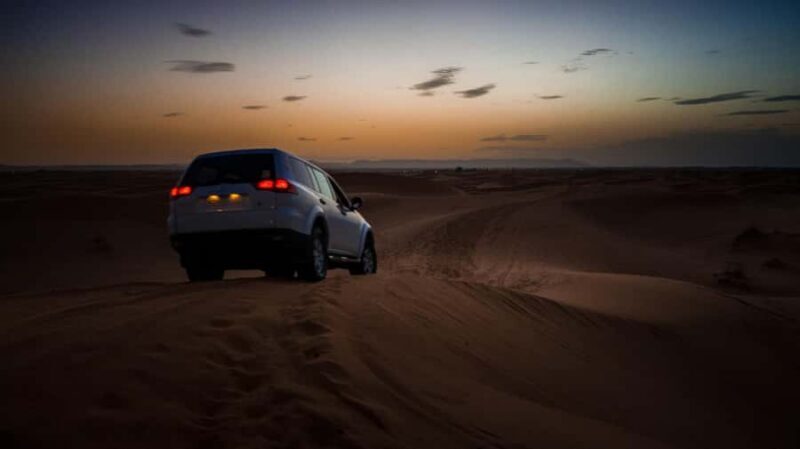
After the long drive, you reach Merzouga and trade the vehicle for a camel ride across the dunes to camp. The timing gives you a chance to see the desert in the changing evening light. You will need to manage your expectations: this is a scenic ride and a memorable way to reach camp, not a full day exploring the dunes on foot.
The camp is described as a luxury setup, with private bathrooms in the tents. Details and comfort can vary, but the practical facilities matter after a long road day. Reviews describe comfortable beds and, in some cases, showers, electricity and air conditioning. Others have found the camp less clean or comfortable than expected, so I would think of luxury as a category of camp rather than a guarantee of hotel-level polish.
Dinner is included, followed by an evening at camp. Some groups have enjoyed music and time by a bonfire. The stay is brief: you may arrive around early evening and leave after breakfast the next morning, so sunset and sunrise are the main chances to enjoy the dunes. Pack a warm layer, particularly in winter. Conditions can shift sharply between the warm sand and cold mountain air.
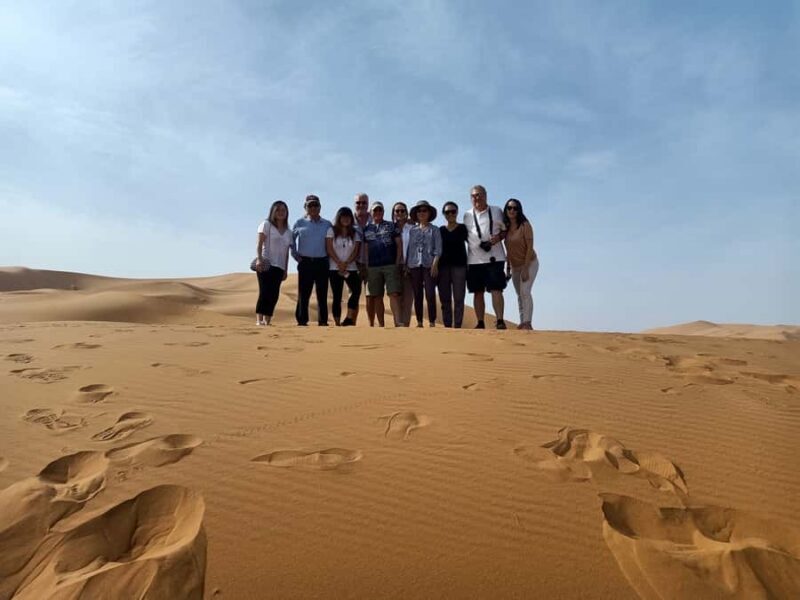
The second day starts early. You can ride a camel back to the hotel for breakfast and a shower, then continue toward Todra Gorge and the Dades Valley. One winter visitor found the early camel return cold and noted that a vehicle transfer may be offered instead. If you are sensitive to cold, ask your driver what options are available and dress for the first hours of the day.
Todra Gorge is a striking contrast to the open dunes, with tall, polished rock walls crowding around the road. It is a welcome break from sitting in the vehicle, although the stop is not a long hike or a full visit to the region. You will also cross the route known as the road of 1,000 kasbahs, with a stop around Kalaat M’Gouna. The landscape here changes again, with valleys and old fortified buildings replacing the Sahara’s broad sand.
The schedule continues to Ouarzazate for the second night. Arrival can be late, which may leave little energy or time for extra sightseeing. A hotel or riad stay is included, along with dinner and breakfast. Some accommodations have a pool, but that is not a feature to count on. Dinner quality and vegetarian choice can vary, so tell your provider about dietary needs before departure rather than assuming every meal will suit you.
The day can also include sales-oriented stops. Some groups have been taken to fossil or carpet shops, where the prices felt high compared with market prices. These stops are not the reason to book, and the amount of time spent can affect how relaxed the day feels. A considerate guide can make a difference by explaining the plan and keeping the group informed.
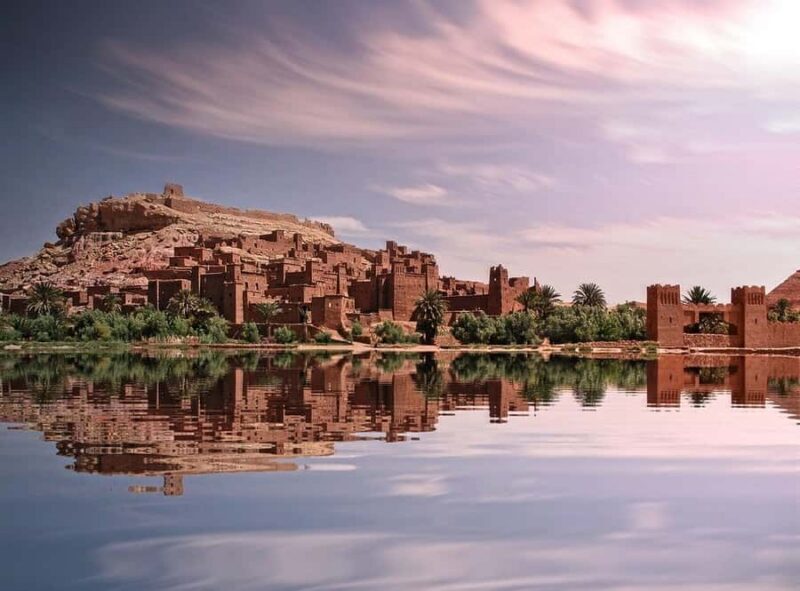
After breakfast, the route heads to Ait Benhaddou, a fortified village known for its earthen architecture and film appearances. It is one of the trip’s strongest stops: the buildings and surrounding terrain offer a clear sense of how different southern Morocco is from Fez. The visit is part of the itinerary, but any entrance fee is not specified as included.
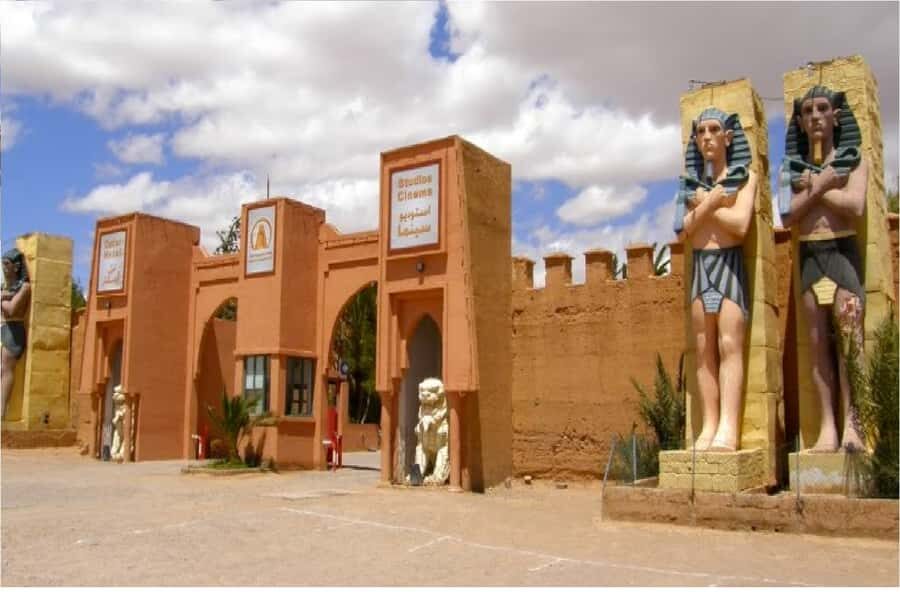
Atlas Studios in Ouarzazate is another possible point of interest, but its entrance fee is extra. The time available can depend on the day’s schedule. If the studios matter to you, ask the driver early whether a visit fits, rather than waiting until the final morning.
From Ait Benhaddou, the road crosses the High Atlas toward Marrakech, with views of mountain peaks and Berber villages. The roads can be winding, and winter weather has sometimes brought snow or road closures. In one case, a driver took a detour through Agadir when the Atlas route was closed. That is a reminder that a fixed arrival time is difficult to promise on a mountain crossing.
The tour drops you in Marrakech. Drivers have sometimes delivered passengers to their individual accommodations, even through heavy city traffic, but confirm your precise drop-off arrangements before setting out. If you have a train, flight or other fixed appointment, leave a generous buffer.
More Great Tours Nearby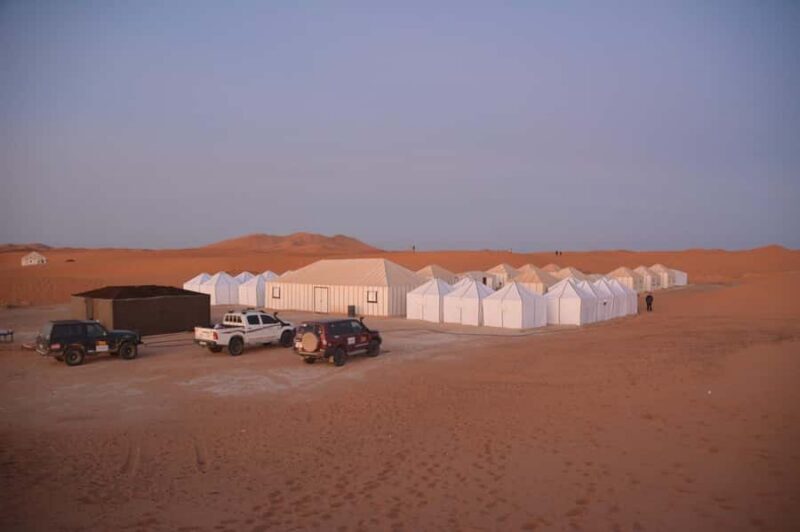
This trip depends heavily on the person at the wheel. The driver is managing long distances, mountain roads, stops and the needs of a mixed group. Many visitors have valued drivers such as Karim, Momo, Tarek, KWISKITA, Younes Kerroumi and others for careful driving, clear updates, flexible breaks and help at stops. Names vary by departure, so booking does not guarantee a particular driver.
A good driver makes the long stretches easier by explaining how long the next leg will take and stopping when needed. That matters in Morocco, where mountain roads and city traffic can make travel times unpredictable. Some visitors have also appreciated help with photos, luggage and drop-offs. Still, the level of commentary can vary, and not every driver will act as a formal guide at every stop.
The vehicle is air-conditioned, and the group can be as large as 17. Actual group sizes have sometimes been smaller, but you should book expecting a shared ride rather than a private car. A spacious nine-seat vehicle has been used for some groups; the exact vehicle and passenger count may differ.
Breakfast and dinner are included at both overnight stops, but lunch and drinks are not. Lunch stops can be expensive for what you receive, and there are reports of meals that were mediocre. Carry snacks, and bring enough cash for meals and drinks. Vegetarian options are available in some places, but they may be limited, especially at the Ouarzazate dinner.
Pack for several climates. The desert can be cold before sunrise in winter, while the Atlas crossing may bring snow, hail or rain. A warm jacket, layers and comfortable shoes will serve you better than packing only for the Sahara. If you tend to get motion sickness, consider preparing for the winding mountain roads; one visitor specifically recommended sickness pills.
The tour is marked wheelchair accessible, but the camel ride, sand and uneven surfaces may still pose practical challenges. If access needs are important, confirm the details of boarding, camp facilities and the desert transfer with the provider before booking.
I would choose this trip if you have limited time, want to see the Sahara, and need to travel from Fez to Marrakech in the same direction. You get a meaningful cross-section of Morocco’s scenery without having to plan several transfers and overnight stays yourself. The camel ride, sunrise, gorge and Ait Benhaddou give the route several distinct highlights.
It is a weaker fit if you dislike long drives, want a slow desert stay, or expect every stop to be free of commercial detours. A longer four- or five-day route would give you more breathing room, especially around Merzouga. If three days is all you have, accept that the road occupies much of the trip and treat the stops as snapshots rather than deep visits.
Book this if the desert camp and the one-way journey are your priorities. At $170, the included transport, two nights’ lodging, camel guide and four meals make the price reasonable, provided you understand that lunches and drinks are extra and that some stops can feel tourist-focused.
Skip it, or look for a longer route, if you want more time in the dunes or a relaxed pace. If you do book, bring warm layers, snacks and cash, and ask in advance about lunch stops, dietary needs and the final drop-off. The Sahara is the headline, but the changing scenery and a careful driver are what make the long crossing worthwhile.
“It was fun. I would do it again if it was my first time visiting Morocco. Our guide is KWISKITA and he was a great driver and very flexible if we w…”
The trip lasts three days and travels from Fez to Marrakech, with stops including Merzouga, Todra Gorge, Ouarzazate and Ait Benhaddou.
The first day’s departure is listed as 7:30 am. Check your booking details for the confirmed pickup time.
The price includes air-conditioned transport, a professional driver, pickup and drop-off, fuel, a local camel guide, one night at a Merzouga desert camp, one night at a hotel or riad in Ouarzazate, and dinner and breakfast at both overnight stops.
No. Lunches and drinks are extra. Atlas Studios entrance fees are also not included.
The small group is limited to 17 participants. Group size can vary by departure.
The driver languages listed for the activity are English and French.
The activity is listed as wheelchair accessible. Contact the provider to confirm how the camel ride, sand and camp facilities work with your specific access needs.
You can cancel up to 24 hours in advance for a full refund. A reserve-now, pay-later option is also available.
You can check availability for your dates here: