Physical Address
304 North Cardinal St.
Dorchester Center, MA 02124
Physical Address
304 North Cardinal St.
Dorchester Center, MA 02124

Review Shinjuku Gyoen’s garden styles, seasonal highlights, ticket value, opening hours, and practical tips for planning a peaceful Tokyo visit.
Shinjuku Gyoen gives you something rare in central Tokyo: room to slow down. Its 58.3 hectares hold three distinct garden styles, wide lawns, historic buildings, and thousands of trees, so a visit feels less like a quick park stop and more like a welcome change of pace.
I like two things in particular: the contrast between the formal rose garden, open English-style lawns, and calm Japanese garden, and the chance to see the grounds change with the seasons. A mobile ticket also lets you scan in at the entrance instead of stopping to buy admission there.
The main consideration is scale. You can walk for hours, and summer heat can make the outing tiring. The garden is closed on Mondays and over New Year, so check its current schedule before you set off.
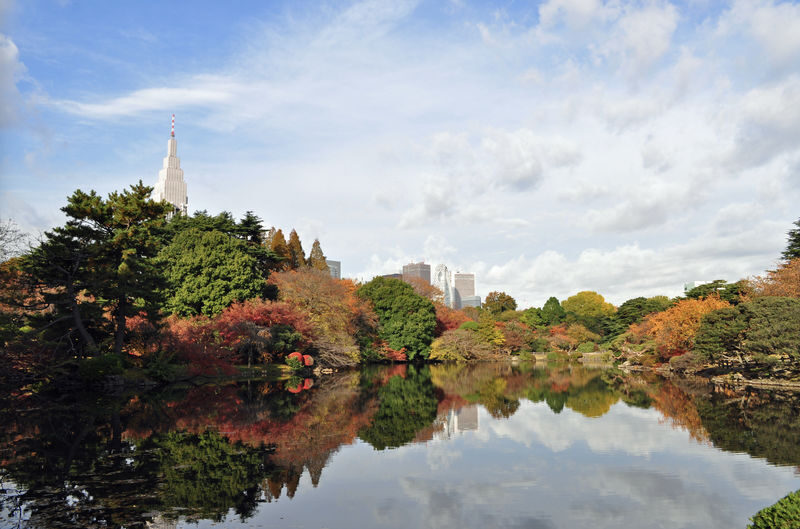
Shinjuku Gyoen is close to major stations, yet its size gives you a sense of separation from the city outside. You enter a garden of long paths, lawns, water, and mature trees, with enough space to spend a relaxed half-day without needing to follow a fixed route.
This is not a guided tour. Your ticket gives you admission, and you set the pace. That freedom is useful if you want to wander, rest, or spend extra time in a favorite section. It also means you will get more from the visit if you arrive with a loose plan and a map.
The garden covers 58.3 hectares and contains about 10,000 trees. That is why a two-hour visit can feel full, while a more leisurely circuit can take three hours or longer. Wear comfortable shoes and avoid scheduling a demanding activity immediately afterward if you intend to explore widely.
The English Landscape Garden is the place to start if you want space to stretch out. Its broad lawns and large trees create open views and room to sit. Families often bring picnic mats, and you can take a break on the grass rather than treating every stop as a photo opportunity.
The French Formal Garden offers a sharper design contrast. A rose bed sits at its center, with plane trees lining the avenues. Its ordered layout gives you a different feel from the looser lawns, and it is a good place to notice how much the garden changes character as you walk from one section to another.
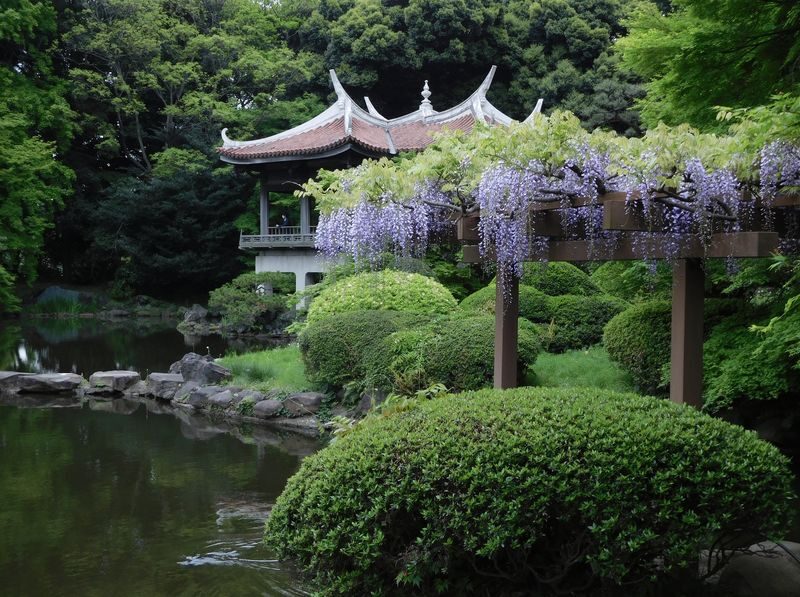
The Japanese Traditional Garden is designed for strolling, with a more contained and tranquil mood. It is a natural place to slow your pace and pay attention to the details around the paths and water. If you have limited time, I would still make a point of reaching it. Several visitors who had time for only a partial visit found this area especially rewarding.
Rather than rushing to see every corner, choose a path that lets you experience all three styles. The variety is the point: the garden does not present one grand view, but a sequence of different spaces.
You might also be interested in these Tokyo experiences
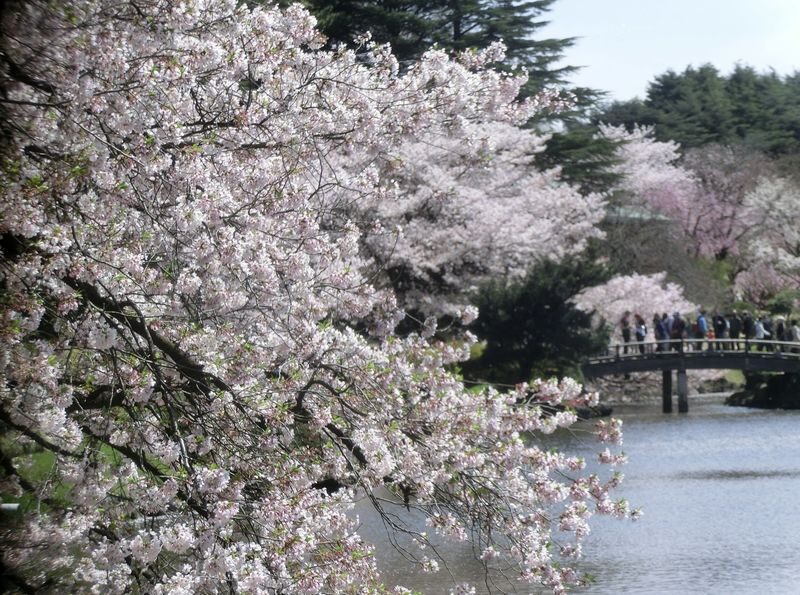
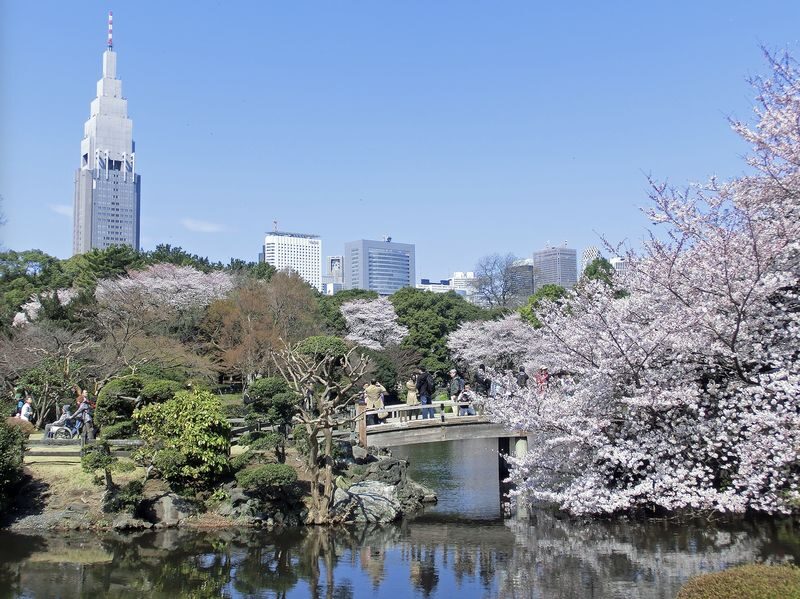
Spring is the best-known season here. About 1,000 cherry trees, representing roughly 65 varieties, bloom across the garden. The advance ticket can be handy at this busy time because you can scan your mobile voucher at entry instead of buying admission on arrival. It cannot make a crowded day feel quiet, so arrive with patience and be prepared to share popular paths and viewing spots.
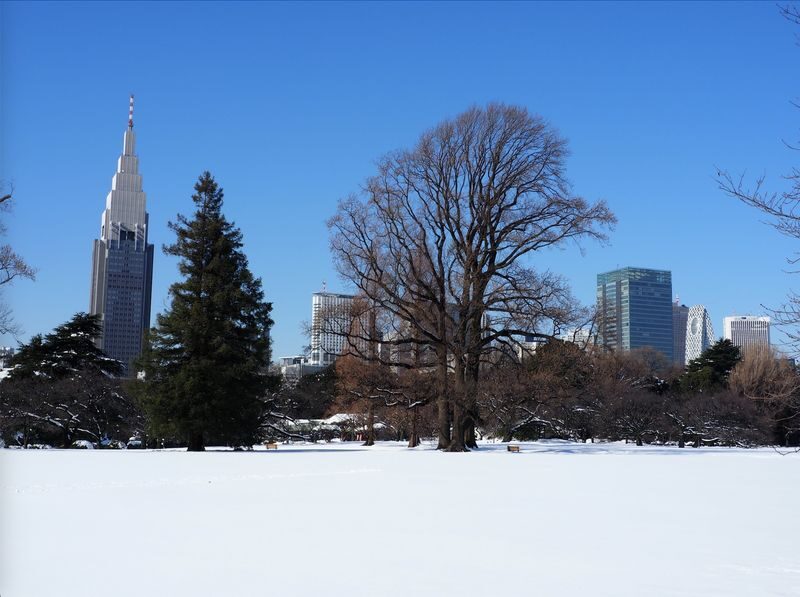
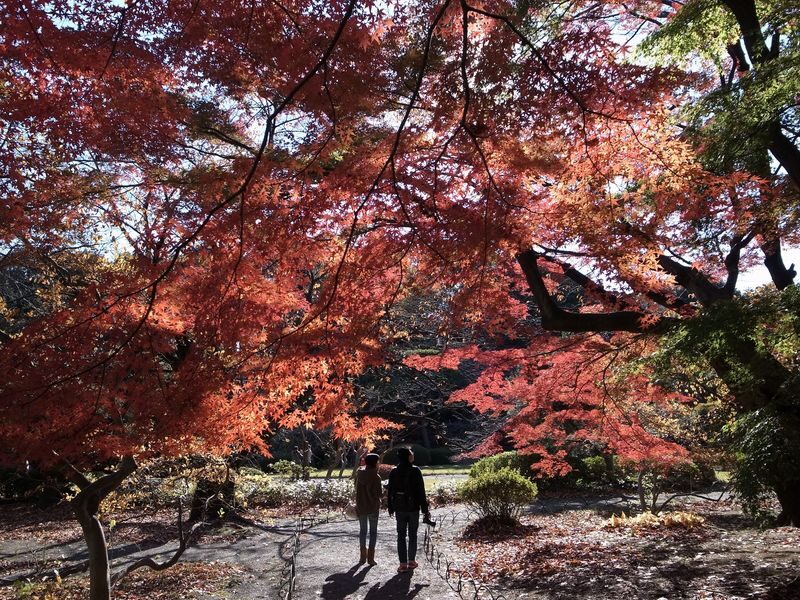
Autumn brings foliage in many colors, while summer offers dense green shade and a strong sense of calm. But the heat can be a real drawback in July and August. Go early if the opening schedule allows, take breaks, and keep your route manageable. In winter, the garden’s open lawns and bare branches offer a simpler, quieter scene.
There is no single perfect month for every visitor. Spring is a strong choice if blossoms are your priority, but it can also mean more people. For a relaxed walk, a less crowded time may suit you better than chasing peak color.
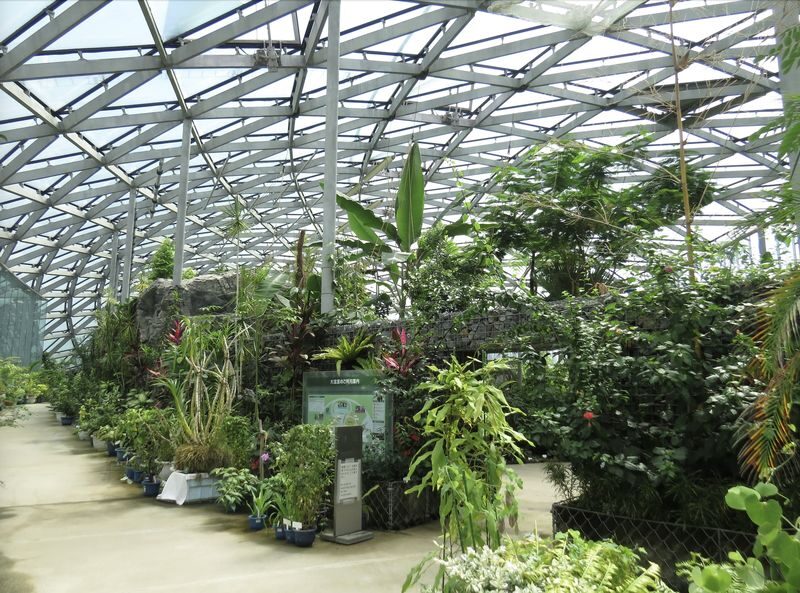
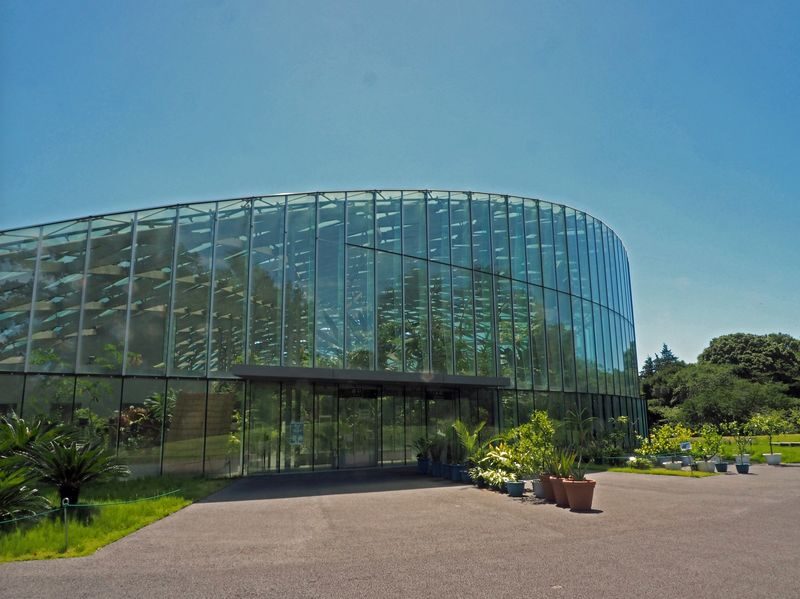
A walk through Shinjuku Gyoen need not be all lawns and trees. The greenhouse adds an indoor stop, with a range of plants that can make the visit more interesting, particularly if you enjoy botanical displays. It is also a sensible place to head if you need a break from the weather.
The grounds include historic buildings, giving you a glimpse of the site’s heritage alongside its gardens. The supplied information does not promise a guided history tour, so think of these buildings as points to explore at your own pace rather than a formal museum visit. If learning the background matters to you, check what interpretation is available on the day.
There are restaurants and cafes inside the garden, including a Starbucks mentioned by visitors. A cafe can be a welcome pause, but do not count on getting a particular seat or a clear view: seating may be limited. Seasonal sweets and Japanese-designed souvenirs are also available at the gift shop, making it a practical last stop if you want a small memento.
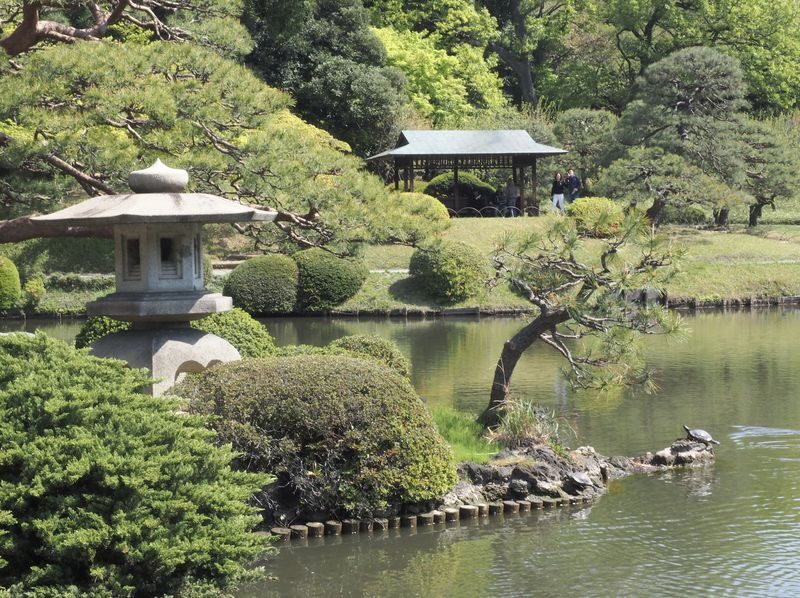
Two to three hours is a sensible starting estimate. A quick walk through a few sections can take less, but the garden is large enough that a full, leisurely visit takes time. The greenhouse, Japanese garden, and a cafe stop all add minutes, as do pauses for photos or a rest on the lawn.
I would plan a flexible route rather than trying to cover every path. Start with one garden style, cross to a second, then leave time for the Japanese garden or greenhouse depending on your interests. If you are tired, it is perfectly reasonable to enjoy half the grounds and save the rest for another visit.
There are three gates: Shinjuku, Okido, and Sendagaya. Decide which one best suits your next destination before you enter. The right exit can spare you an unnecessary walk back across the grounds, especially after a long visit.
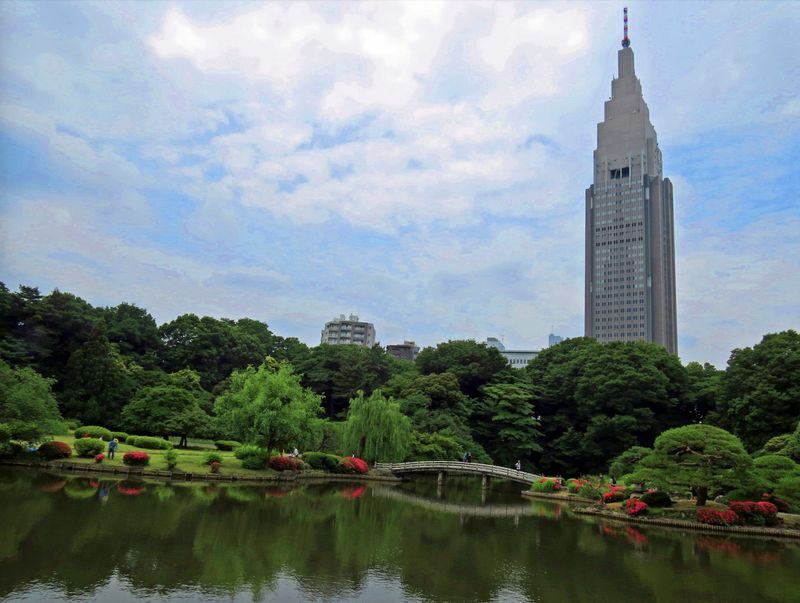
The Shinjuku Gate is about a 10-minute walk from the South Exit of Shinjuku Station, served by JR, Keio, and Odakyu lines. It is also a five-minute walk from Exit 1 of Shinjuku-Gyoenmae Station on the Tokyo Metro Marunouchi Line, and from several Shinjuku-Sanchome exits.
Okido Gate is about five minutes on foot from Exit 2 of Shinjuku-Gyoenmae Station. Sendagaya Gate is about five minutes from Sendagaya Station on the JR Sobu Line, or from Exit A5 of Kokuritsu-Kyogijo Station on the Toei Oedo Line. Kita-sando Station is about a 10-minute walk away.
Admission does not include transport. Pick the gate based on where you are coming from and where you plan to go afterward. You can show your mobile voucher and scan its QR code at the entrance; there is no ticket exchange step listed.
The advertised price starts at $3.15, a modest cost for access to such a large garden. The value is strongest if you want a few hours outdoors, appreciate plants or garden design, or need a calm break between city activities. If you only have a short window and do not enjoy walking, the grounds may feel like more space than you can use.
The ticket covers admission to the attraction. Transport and personal expenses, including food and purchases, are not included. The supplied ticket details say children aged 0 to 15 and junior high school students and younger enter free. They also list a 250-yen ticket for high-school-age visitors and adults aged 65 and over; check the current ticket category and price before booking, as rates and eligibility can change.
The voucher is valid for 180 days from booking confirmation, but that does not mean the garden is open every day. The ticket is non-refundable, so confirm the date and opening schedule before you buy.
Hours vary by season. The information provided lists 9:00 to 18:00 from March 15 to June 30 and August 21 to September 30, with last entry at 17:30. From July 1 to August 20, the stated hours are 9:00 to 19:00, with last entry at 18:30. From October 1 to March 14, the hours are 9:30 to 16:30, with last entry at 16:00.
Some weekends and public holidays have early opening at 7:00, but these dates are scheduled rather than universal. Since the listed hours include overlapping general and seasonal notes, check the garden’s current admission guide for your exact date before traveling.
Shinjuku Gyoen closes every Monday. If Monday is a public holiday, it closes on the following weekday. It also closes from December 29 through January 3. This matters: do not rely on a ticket being available for sale as proof the garden will be open.
Alcohol is not allowed, and drinking and smoking are prohibited inside the park. Pets are not permitted, except service animals with valid identification. Running is prohibited, and balls and Frisbees are restricted to certain areas. Tents, fires, musical instruments, and radio cassette players are also not allowed. Commercial photography and drone photography are prohibited; during cherry blossom season, avoid tripods and other equipment that could block traffic.
This garden suits you if you enjoy an unhurried walk, want a green break from central Tokyo, or are curious about how different garden traditions use space. It is also a good family outing if you are comfortable with a lot of walking and want room to sit on the grass. Admission is free for children in the stated age groups.
It is less suitable if you need constant activity or want a tightly structured, guided experience. There is no guide included, and the pleasure comes from choosing your own route and taking your time. In hot weather, even a pleasant walk can become tiring, so make the greenhouse or cafe part of your plan and do not force a complete circuit.
Book it if you want a flexible, affordable visit to a large city garden and value the convenience of scanning in with a mobile voucher. The mix of lawns, formal planting, Japanese garden design, greenhouse, and cafes gives you enough variety for a two- to three-hour break.
Skip it if you dislike walking, have little time, or are not willing to check the schedule carefully. The strongest reason to go is not one single attraction, but the chance to spend a few unhurried hours among very different garden styles. Choose your season, confirm the Monday closures and current hours, then let the garden set the pace.
“I didn't expect much from this place, but it was larger and better than I thought! I think it will be great for a walk next time too.”
Plan on two to three hours for a relaxed visit. The grounds are large, and time for the greenhouse, a cafe, or a longer rest will add to your walk.
The ticket includes admission to Shinjuku Gyoen. Transport and personal expenses are not included.
Present your mobile voucher at the entrance and scan its QR code for entry.
The garden is closed every Monday. If Monday is a public holiday, it closes on the following weekday. It is also closed from December 29 through January 3.
For Shinjuku Gate, it is about a 10-minute walk from the South Exit of Shinjuku Station, or five minutes from Shinjuku-Gyoenmae Station Exit 1. Other gates are near Shinjuku-Gyoenmae, Sendagaya, Kita-sando, and Kokuritsu-Kyogijo stations.
The provided details state that children aged 0 to 15 and junior high school students and younger enter free. Check the current admission information for age categories and ticket requirements before your visit.