Physical Address
304 North Cardinal St.
Dorchester Center, MA 02124
Physical Address
304 North Cardinal St.
Dorchester Center, MA 02124

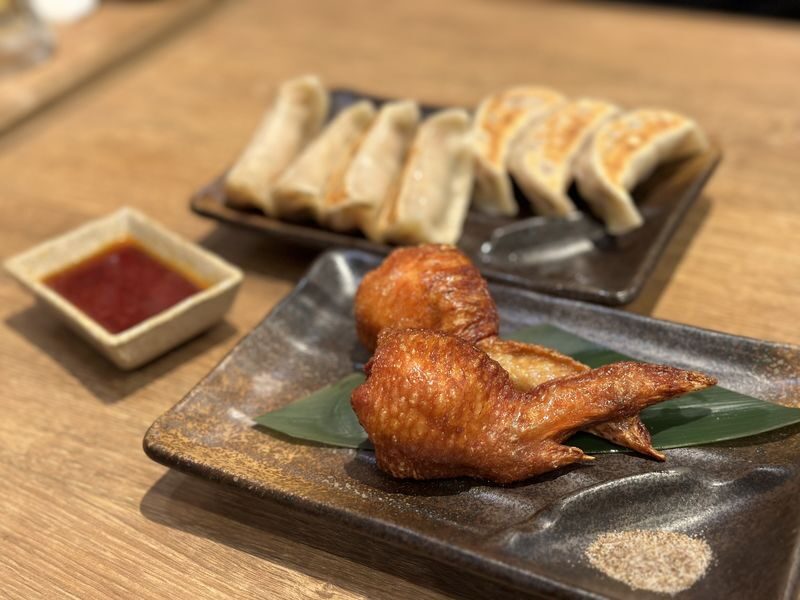
Taste Shinjuku through 13 Japanese dishes at four local eateries, with an English-speaking guide, neighborhood stories, and optional sake.
Shinjuku’s backstreet food is easier to enjoy when someone else handles the doors, menus, and local context. This three-hour evening walk links four eateries with a tasting of Japanese staples, from seafood and sashimi to tonkatsu, while your guide explains the neighborhoods you pass through.
I like two things in particular: you get a broad sampling of dishes without having to plan four separate meals, and the route adds stories about Shinjuku’s history and culture to the food. Guides such as Ume, Elena, Kai, and Naomi are named by past participants, though your guide will depend on the date.
One thing to check before booking: the activity title says 15 dishes, while its detailed description says 13. The meet-up information also gives two different nearby addresses, so confirm the exact pin and dish count before you set out.
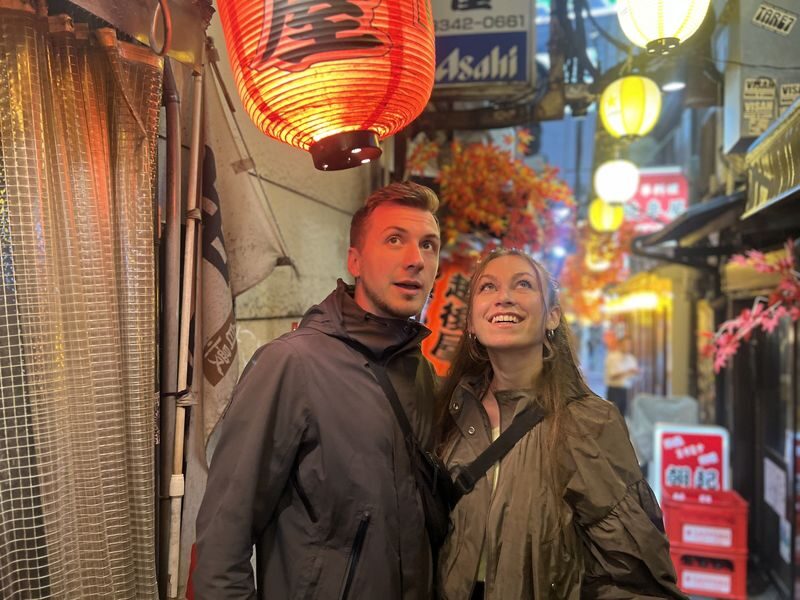
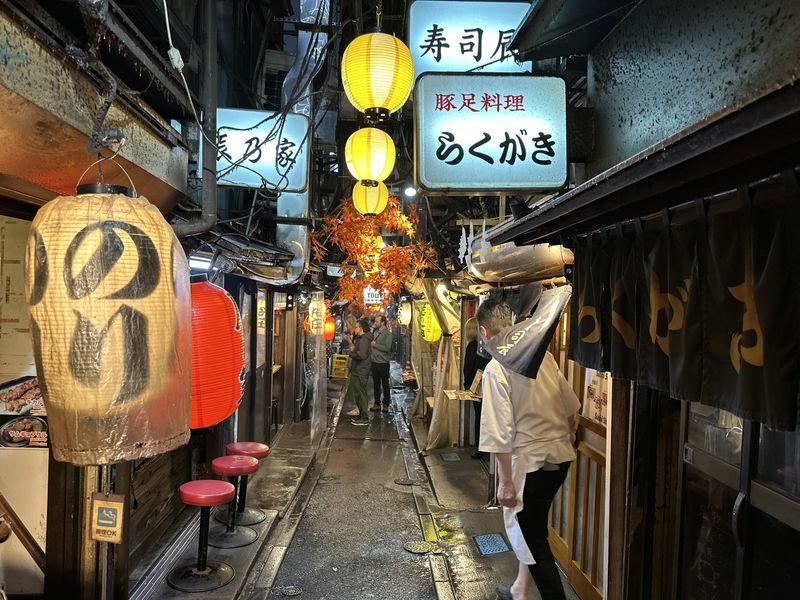
The tour is built around movement: you meet near Shinjuku Station, walk through several nearby districts, and stop to eat at four places. That structure is useful if the city’s restaurant scene feels like a maze of signs, small entrances, and unfamiliar menus. Your guide takes care of the decisions and helps you understand what is in front of you.
The package runs for about three hours. The route includes Nishishinjuku, Kabukicho, and Shinjuku Golden Gai, with a stated return time of 20:00. The precise order and timing can change with weather and other conditions, so think of the stops as the shape of the evening rather than a rigid schedule.
The food count needs a little care. The tour’s title advertises 15 dishes, while its detailed description says 13 dishes across four eateries. That is a meaningful difference if you are comparing tours by quantity, so ask the operator to confirm what applies to your chosen date. Either way, four stops should give you more variety than a single restaurant meal, but the exact plates are not guaranteed.
For more Tokyo culinary adventures, you might enjoy these food and drink experiences
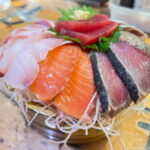
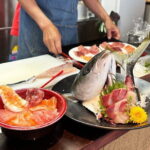
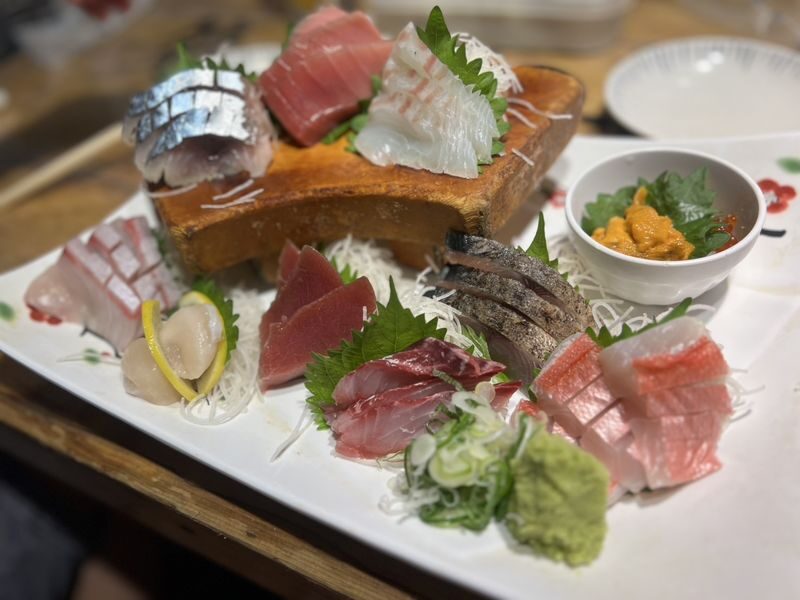
One named stop is Oreno Sakana in Nishishinjuku, where the group tries sashimi and other seafood. Starting with a sit-down seafood meal gives you time to settle in, ask about what you are eating, and get a first sense of Japanese dining customs.
Several people describe the early sit-down stops as generous, with a succession of small sharing plates. That can be a pleasure if you like to taste widely, but it also means you should arrive hungry. The meal may feel substantial well before the evening is over.
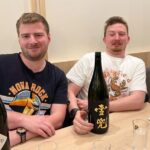
A drink is included at some of the sit-down stops, according to the detailed account of one tour. You can order more at your own expense. Sake may be available at certain restaurants, but the tour does not promise it at every stop. If tasting sake matters to you, confirm what is included and remember that you must be at least 20 to drink in Japan.
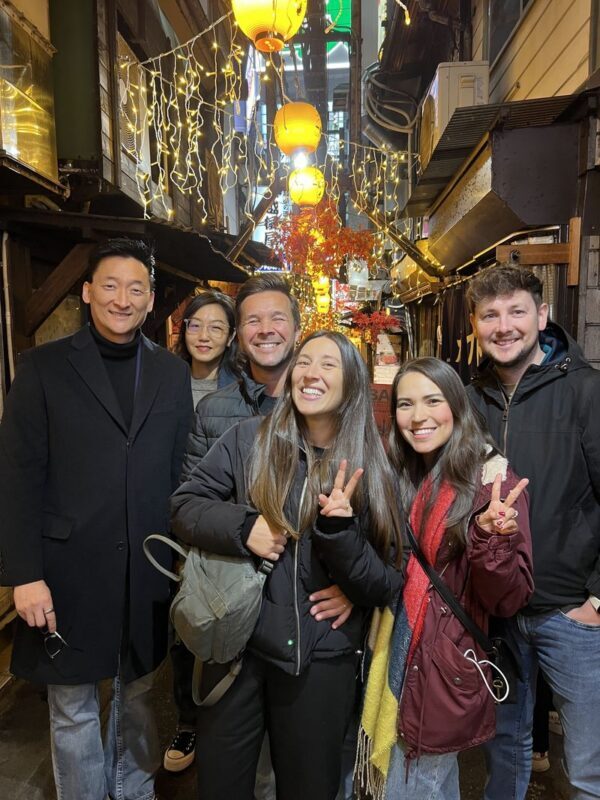
The route continues through Kabukicho, a district better understood on foot than from a station map. The food tour is also a guided city walk, so expect time between restaurants for neighborhood context and conversation, not a continuous parade of plates.
This is one reason the experience works well early in a Tokyo stay. Your guide can answer questions about the area and offer recommendations for what to eat or see next. Several people found that useful beyond the meal itself, especially when they were still getting oriented.
There is a trade-off. One participant felt the walk included too much time between food stops and leaned more toward local history and pop culture than a focused food tour. If you want an efficient crawl with minimal walking, this may not be your ideal format. If you like knowing where you are and why the streets feel different from one block to another, the walking is part of the point.
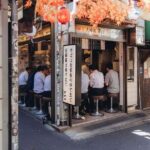
Shinjuku Golden Gai is another named area on the route. Its narrow lanes and small drinking spots give the evening a distinct finish, though the provided details do not guarantee entry to a particular bar or a set amount of time there. Treat it as a neighborhood you pass through, not a promised private bar visit.
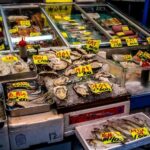
The four stops span different types of food businesses: a stall, an izakaya, a traditional eatery, and a gastrobar. That mix is more useful than four versions of the same restaurant. You get a small look at how Shinjuku eats across different settings, while your guide helps make sense of the customs and dishes.
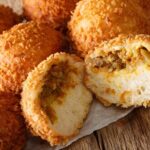
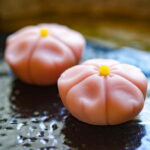
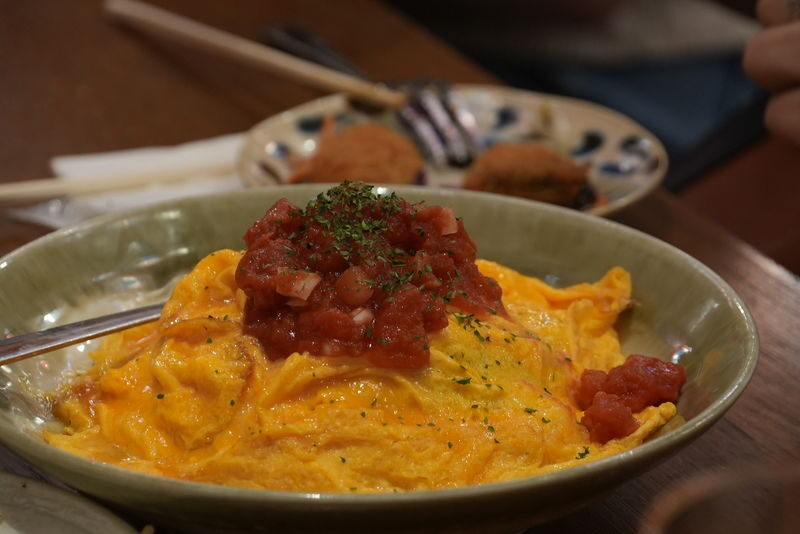
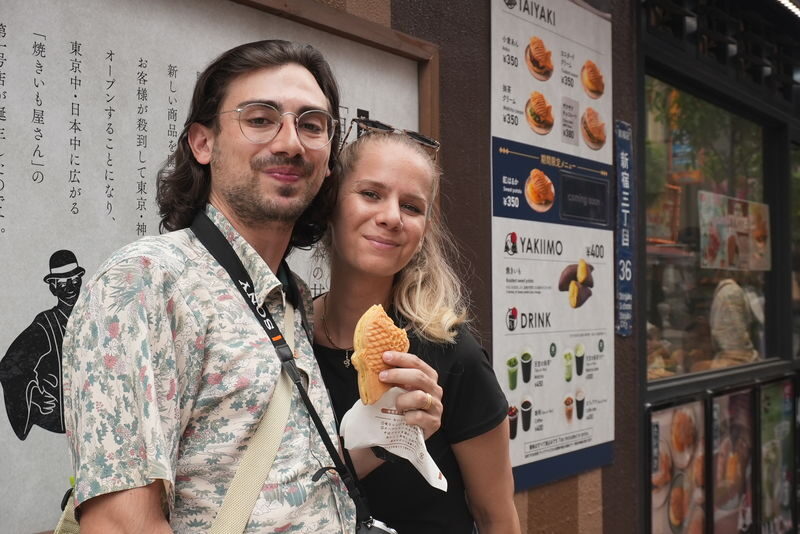
The final stop may include a dessert pastry. One person particularly liked the custard filling, but the dessert itself should not be assumed to appear on every departure. Ask about allergies or dietary restrictions well before the tour, since the operator requests advance notice and substitutions may depend on what each venue can provide.
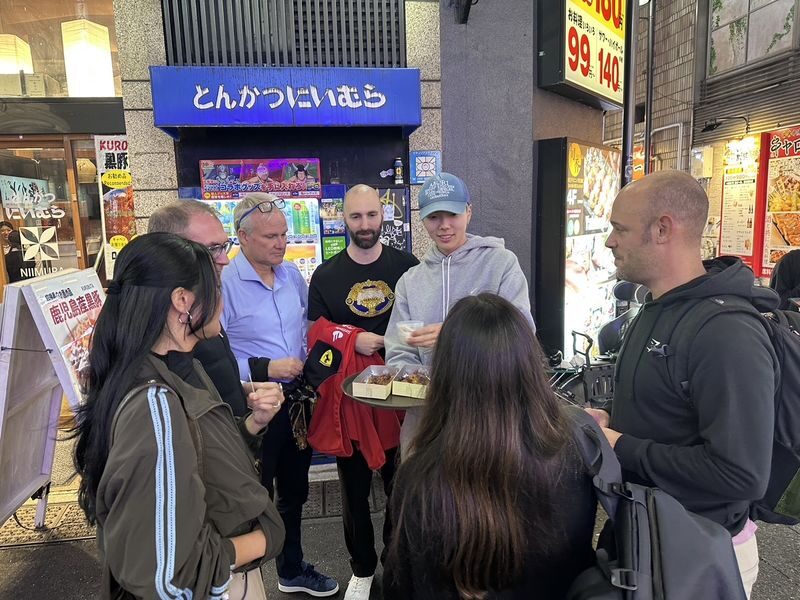
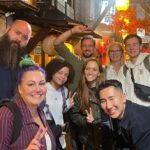
The food is the reason to book, but the guide shapes how much you take away. The named guides vary by date. Past participants have singled out Ume for local stories, Elena for attentive explanations and alternatives to pork, and Kai for food knowledge and recommendations. These are examples, not a promise of a particular guide.
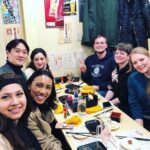
The strongest format is a small-group evening with enough room for questions and conversation. The guide introduces dishes, explains local customs, and leads the group between stops. That can make an unfamiliar izakaya meal feel less intimidating, especially if you are unsure how to order or what to try.
It is also worth setting expectations. The tour gives a general introduction to Shinjuku’s food and neighborhoods. It is not designed as an expert-level culinary course, and the menu is not a deep exploration of one specialty. If you already know Japanese izakaya dishes well, you may find the food familiar. One person with experience of similar food in Korea, for example, felt the selection was less novel. For a first taste, variety and explanation are the stronger draw.
You might also be interested in these Tokyo experiences
At a starting price of $66.35, you are paying for more than the food alone. The fee includes an English-speaking guide, meals and beverages, a walking and culture tour, and food at four types of stop. If you would otherwise pay for several dishes and drinks while figuring out where to go, the package can be a practical way to sample the area in one evening.
The value depends on what you want. It is strongest if you enjoy trying small portions, want help navigating local eateries, and appreciate stories between meals. It is less compelling if you mainly want a high-end tasting menu, a precise dish-by-dish food lesson, or an evening with little walking. Extra personal purchases are not included, and any additional drinks are at your own cost.
The tour is described both as 13 dishes and as 15 in its title, so clarify that before you compare prices. The exact dishes and stop order may also vary. Think of the price as covering a guided sampling experience rather than a fixed menu with a guaranteed list of plates.
The meeting point is near Shinjuku Station, but two addresses are provided: α 107 Building at 1-chome-8-5 Nishishinjuku, where the directions say to meet in front of the Aoki shop beside Starbucks, and Starbucks Coffee at 1-12-1 Nishishinjuku. The latter is described as a five-minute walk from the Keio West Exit. Because the details do not match exactly, check your booking confirmation and map pin rather than relying on a street number alone.
Arrive five minutes early. Late arrivals and no-shows are not refundable, and the stated return point is Shinjuku Station at 20:00. The tour meets in person rather than providing transport.
Let the operator know about food allergies or dietary restrictions in advance. A guide has been able to offer alternatives to pork, but that does not guarantee every request can be met. The activity is not wheelchair-accessible; some venues may be upstairs or in basements without lifts, and guides cannot provide physical assistance.
Children aged 3 to 12 must come with a paying adult, and infants and children must be included in the passenger count. The same price applies to all ages. Anyone who plans to drink alcohol must be at least 20 and bring valid ID.
Book it if you want an easy first evening in Shinjuku, enjoy sampling several dishes, and like having a guide connect the food with the streets around it. It is particularly useful when you are new to Tokyo and want local recommendations as well as dinner.
Skip it if you are seeking a specialist food itinerary, dislike walking between stops, or want complete certainty about each dish before paying. Before you book, verify the promised dish count, the exact meeting point, and any dietary requests. With those details settled, the combination of four eateries, neighborhood context, and a filling range of food makes this a sensible introduction to Shinjuku.
“Ume was a wonderful guide sharing the local history. There were 4 venues, 2 restaurants and 2 street food stops. The first and third were sit down …”
The package is a three-hour tour. The stated return time is 20:00, though the exact schedule can change with weather and other conditions.
The title says 15 dishes, while the detailed tour description says 13 across four eateries. Confirm the applicable count with the operator before booking.
Named examples include sashimi, seafood, and tonkatsu. The selection can vary, and the tour also includes food at a stall, an izakaya, a traditional eatery, and a gastrobar.
Meals and beverages are included. Sake is available at some restaurants, not guaranteed at every stop. Additional drinks may cost extra, and you must be at least 20 to drink alcohol in Japan.
The information gives two nearby locations: α 107 Building at 1-chome-8-5 Nishishinjuku, and Starbucks Coffee at 1-12-1 Nishishinjuku. Check your confirmation for the exact meeting point and map pin. Arrive five minutes early.
Tell the operator about allergies or dietary restrictions in advance. The activity is not wheelchair-accessible, and some venues may require stairs. Guides cannot provide physical assistance.