Physical Address
304 North Cardinal St.
Dorchester Center, MA 02124
Physical Address
304 North Cardinal St.
Dorchester Center, MA 02124

Visit Cu Chi’s quieter Ben Duoc tunnels, crawl underground, see hidden traps and the Hoang Cam kitchen, and taste tapioca on a small-group tour.
Ben Duoc’s tunnels offer a close, physical look at wartime life: you crouch through tight passages, inspect hidden traps and emerge with the scale of the underground system in your legs. I like that this tour visits a quieter section than the better-known Cu Chi site, and that guides such as Ken, Tommy and Huy bring history to life with personal stories.
The small-group format can give you more room to listen, ask questions and explore at an unhurried pace. The trade-off is the long day: expect roughly 6.5 to 7.5 hours away from Ho Chi Minh City, including a substantial drive, and be ready for heat and cramped tunnels.
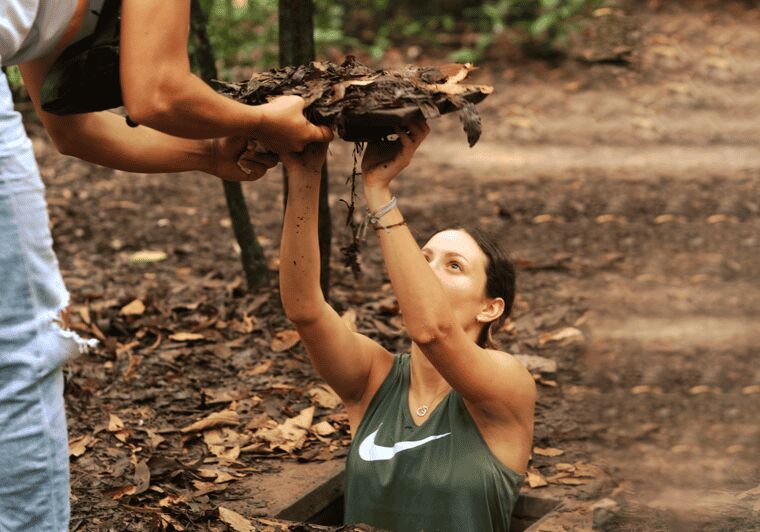
Cu Chi is a popular day trip from Ho Chi Minh City, but Ben Duoc gives you a different pace. It is the less-crowded section of the tunnel area, set farther from the city, so the journey takes time. That extra travel can pay off if you want space to hear your guide and take in the exhibits without feeling swept along in a large group.
The appeal is not simply that the tunnels are quiet. Ben Duoc lets you connect the underground passages with the broader system of wartime survival: concealed entrances, booby traps, a hidden kitchen and the basic food people ate. The guide’s explanations help join those pieces together. Past guides have included Ken, Tommy, Huy, Kero, Safa and Tom, though your guide will depend on the day.
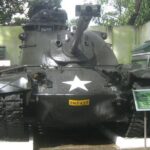
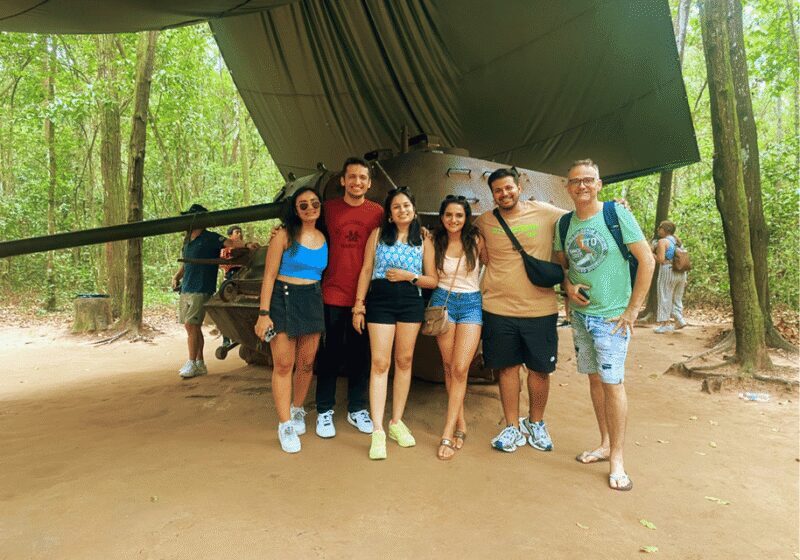
The tunnel site is a historical place, not a theme-park ride. You will see displays and remnants of conflict, including a rusted US Army tank, and hear about how the tunnels were used. The experience can be moving, especially when a guide shares family accounts of the war. Come prepared to listen and reflect, not just collect photos.
You can check availability for your dates here: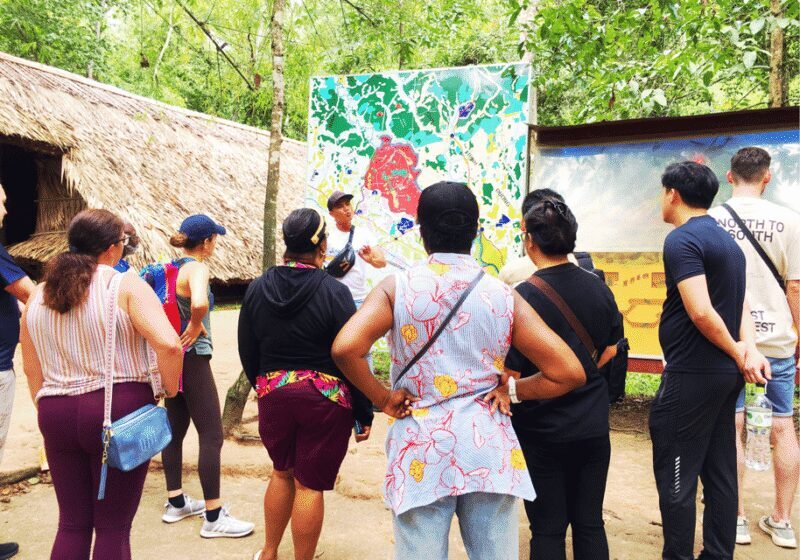
Pickup is offered at hotels in District 1 and District 4, plus some areas of District 3. The operator confirms the pickup details the day before. Wait outside your hotel and look for a guide wearing a Joy Journeys T-shirt. The air-conditioned van and two bottles of water per person are welcome comforts, though van size and comfort can vary. One past visitor found the coach cramped, while others had a comfortable ride.
The listed driving leg is about two hours, and the full outing lasts 390 to 450 minutes. Actual time on the road may vary with traffic and the day’s schedule. Some past tours have included a rest stop midway, often at a local handicraft center. There, you can stretch your legs and see Vietnamese artisans at work. The center has been described as supporting people affected by Agent Orange, and buying art is optional.
This stop adds context and breaks up the drive, but it can also take time from the tunnel visit. A few departures have included other food or craft stops, so do not count on every extra stop being part of your exact schedule. If you have a tight evening plan in Ho Chi Minh City, allow breathing room after the advertised return time.
You might also be interested in these Ho Chi Minh City experiences
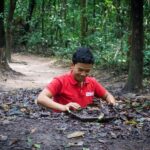
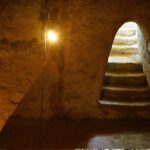
At the site, your guide leads you through the exhibits and explains the tunnel system, its hidden entrances and the traps used during the conflict. The secret entrance is a memorable moment: you crouch down and make your way into a narrow, dim passage. The underground sections are hot, tight and physically demanding, with some crawling and plenty of bending.
You do not have to prove anything by going into every passage. Some tunnels have been widened for larger visitors, but even these can feel close and warm. Take the route that feels safe for your body, and tell your guide if you are uncomfortable. People with claustrophobia may prefer to stay above ground. Past visitors also warn that the crawl can be a workout, especially for your legs and knees.
The site visit includes more than crawling. You may see several tunnel sections, displays about daily life and the wartime traps, along with the tank. Your guide’s stories are a major part of the value here. Guides such as Ken and Tommy have been praised for mixing clear historical explanation with personal family stories, while Huy and Kero have also been noted for answering questions and helping groups feel at ease. The specific guide is not guaranteed, but the tour is conducted in English.
The pace can be a real advantage in a small group. When fewer people are moving through the same areas, you may have a better chance to pause, ask questions and choose among the tunnels. Still, crowd levels are not something a tour can promise. Weekends, departure times and other groups at the site can affect how quiet it feels.
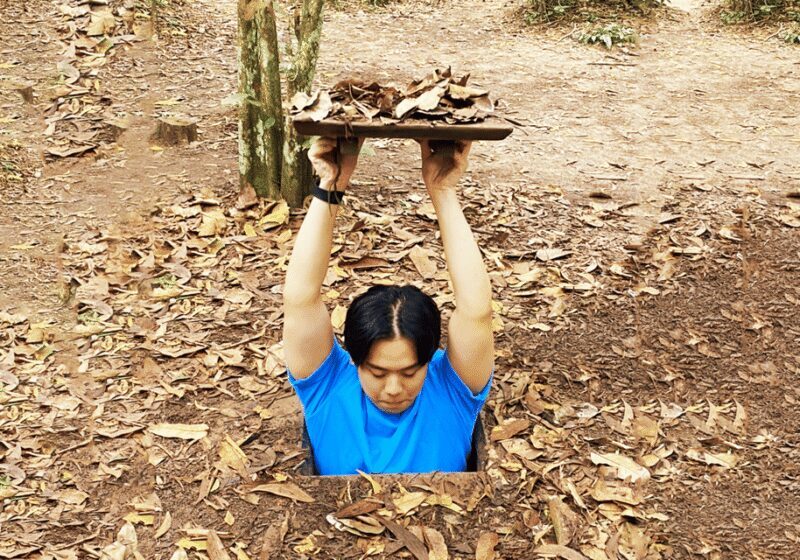
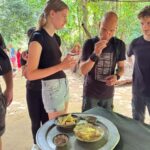
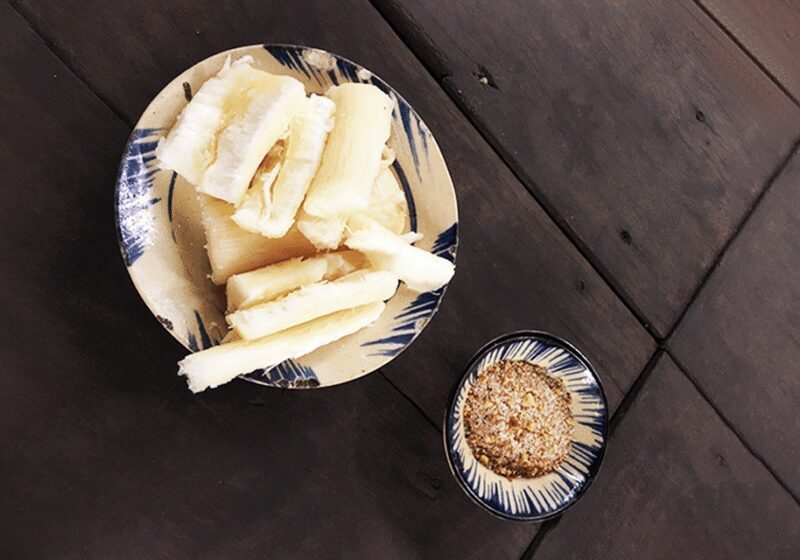
After the tunnel visit, you can taste tapioca, a plain, locally grown food eaten by Viet Cong fighters. It is a small tasting, not a full meal, but it gives the history a tangible detail. The contrast between such a simple food and the complex underground system makes this stop more memorable than a standard snack break.
The tour also visits Tan Phu Trung Ward, where you learn about wartime propaganda and see the underground Hoang Cam kitchen. Its design was intended to keep cooking smoke hidden from enemy eyes. The kitchen is a practical example of the ingenuity and care involved in surviving underground. Rather than treating the tunnels as a single engineering feat, this stop helps you picture the routines that made life below ground possible.
The site’s exhibits can be intense. The traps are shown to explain how they worked, not as a lighthearted attraction. Take time to listen to the guide’s context and consider how the displays are presented. This is a useful visit if you want more than a quick crawl and a photograph at the entrance.
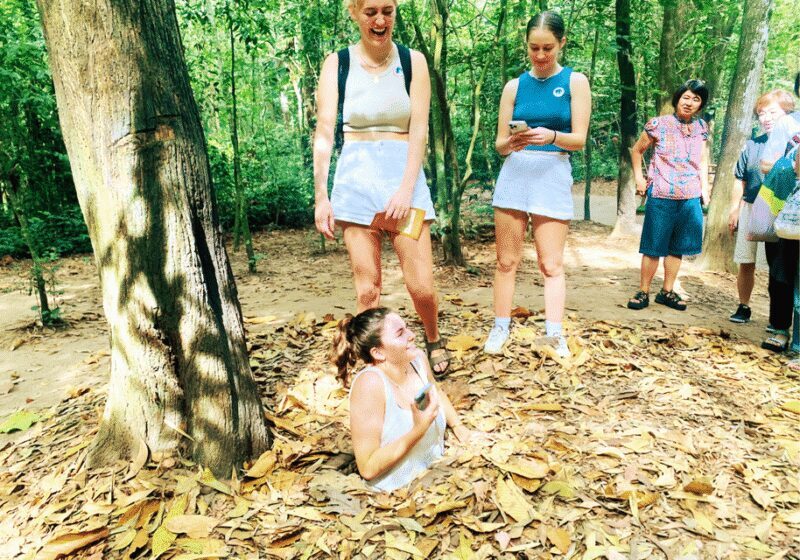
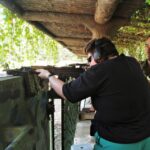
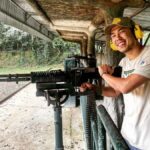
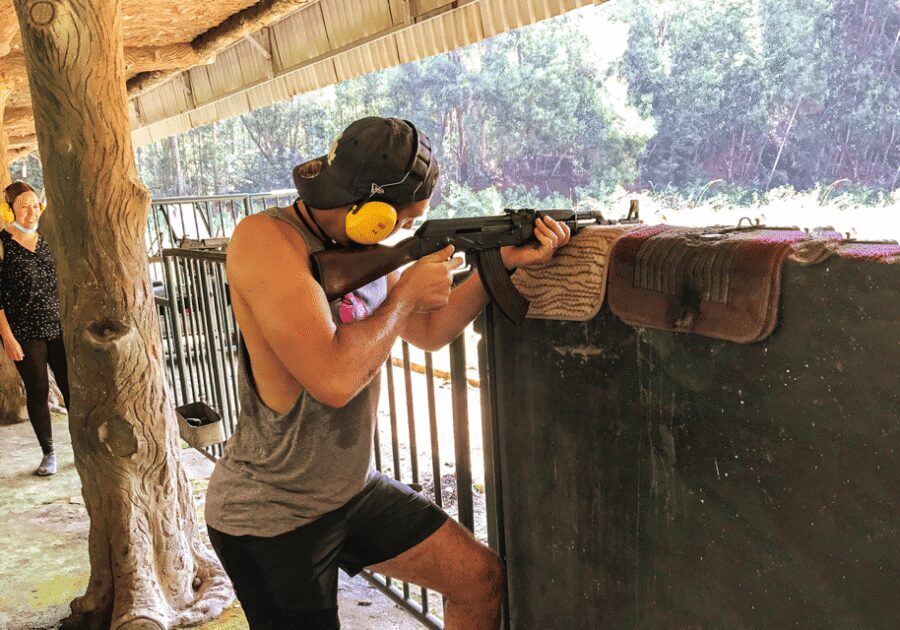
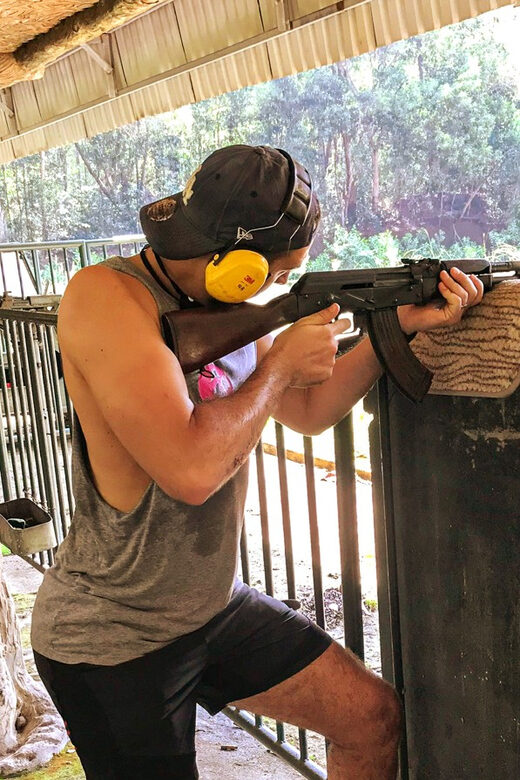
If you want to, you can visit the onsite shooting range and fire a real weapon such as an AK-47, M16 or M1. This is optional and the fee is paid onsite, so it is not part of the $31 tour price. Ask about the current cost before deciding, since no fee is specified here.
The range is a personal choice, not a required part of the historical visit. Some people find it adds a direct, if noisy, encounter with military equipment; others may prefer to skip it. You can still have a full day at the tunnels without firing a weapon. If you do want to try it, bring cash or a credit card, as the activity information recommends bringing both.
More Great Tours Nearby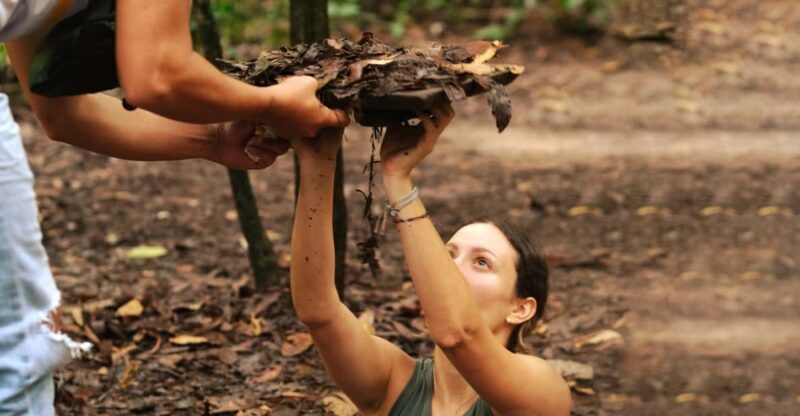
At $31 per person, the price covers tunnel admission, hotel pickup and drop-off in the stated districts, air-conditioned transport, an English-speaking guide, two bottles of water and the tapioca tasting. For a full day trip from Ho Chi Minh City, that is a solid package, especially if you value a small group and the less-crowded Ben Duoc site.
The extra drive is part of the cost in time, even if it does not add to the listed fare. You are paying for transport as well as entry and guiding, and the guide can make the difference between seeing a collection of displays and understanding how they fit together. If you prefer a short visit close to the city, a nearer site may suit you better. If you want a quieter visit and room to explore, Ben Duoc is the more appealing choice.
Budget separately for the shooting range if that interests you. Also bring food or plan a meal around the tour. Tapioca is a tasting, and water and snacks may be provided along the way, but this is a long outing rather than a lunch tour. One practical warning: the return drive can be lengthy, and at least one departure has had a long stretch without a bathroom stop. Ask your guide about restroom breaks early in the day.
Wear breathable clothes you do not mind getting dusty, and choose comfortable footwear suitable for walking. Shorts are listed as a useful option, but dress for a hot outdoor visit. Bring a hat, camera, water or other food and drinks as needed, plus cash and a credit card. The tour includes two bottles of water per person, but carrying extra is sensible on a long, warm day.
This trip suits history-minded visitors, curious first-timers and anyone who wants to understand the tunnels through more than a brief stop. You do not need specialist knowledge: the guides can set out the historical context and take questions. The small-group option is especially appealing if you want conversation and a more flexible pace.
It is a less suitable choice if you have serious mobility concerns, claustrophobia or medical issues that make crawling and heat risky. The tour is not suitable for babies under one year, and the activity information lists people over 95 as not suitable. One visitor also advised against taking children under six, though that is personal advice rather than a stated age restriction. Use your own judgment about a child’s comfort with dark, narrow passages and war exhibits.
Book it if you want a thoughtful, hands-on visit to the Cu Chi tunnels and are willing to spend much of the day on the road. Its strongest points are the quieter Ben Duoc setting, a guide-led account of the tunnel system and the chance to crawl through the passages yourself. The kitchen, traps, tank and tapioca tasting give the visit useful detail beyond the tunnels.
Skip it, or choose another way to see Cu Chi, if you need a short outing, dislike confined spaces or cannot manage a hot, physically demanding site. The shooting range is no reason to book unless it genuinely interests you, since it costs extra. For most visitors who are comfortable with the physical demands, this is a worthwhile way to see the tunnels with time to listen, ask questions and reflect.
“Best tour I’ve taken in Vietnam. Great guide (Nia). Go with a small group like this to this part of the tunnels. You won’t be disappointed. Don…”
The tour lasts about 390 to 450 minutes, or roughly 6.5 to 7.5 hours. The drive from Ho Chi Minh City takes a substantial part of the day.
Hotel pickup is available in District 1 and District 4, plus some areas of District 3. Wait outside your hotel for a guide wearing a Joy Journeys T-shirt.
Yes. The live guide speaks English.
Yes. The tunnel entrance ticket is included, along with hotel pickup and drop-off in the stated districts, an air-conditioned vehicle, a guide, two bottles of water per person and tapioca tasting.
You can choose to try weapons such as an AK-47, M16 or M1 at the onsite shooting range. Shooting fees are not included and are payable onsite.
The tour includes the opportunity to enter and crawl through narrow tunnels, but you can decide how much to do. The passages can be tight, hot and physically demanding, so consider your comfort and health before going underground.
Bring a hat, camera, food and drinks, a credit card, breathable clothing, shorts and cash. Wear clothes you do not mind getting dirty.
You can check availability for your dates here: