Physical Address
304 North Cardinal St.
Dorchester Center, MA 02124
Physical Address
304 North Cardinal St.
Dorchester Center, MA 02124

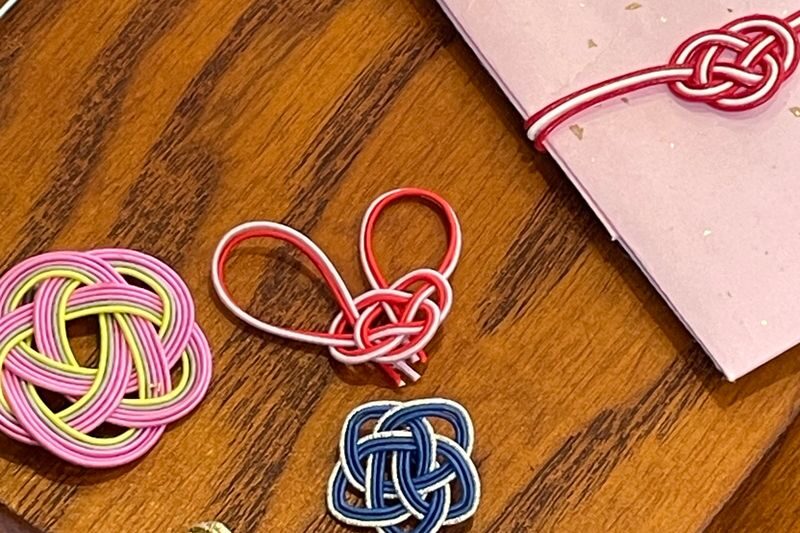
Make Japanese crafts in a small Asakusa workshop, from mizuhiki knots to Ise Katagami postcards and fabric clasp purses.
In a quiet Asakusa craft shop, you can turn Japanese textiles, washi paper, or decorative cord into something useful with your own hands. The choices range from a mizuhiki bookmark to a clasp purse, and the postcard session uses designs by stencil craftsperson Chiaki Imasaka.
I like two things here: you get to make a real keepsake rather than just watch a demonstration, and the instructor guides you through the fiddly steps without taking the project out of your hands. The small-group setting can feel personal, and the shop’s pottery adds a pleasant local backdrop.
One thing to weigh is the price against the short session. Some projects take less than an hour, and the work area is small, so confirm the exact craft and time you are booking. Also check your route carefully: the address is in Asakusa, not Akasaka.
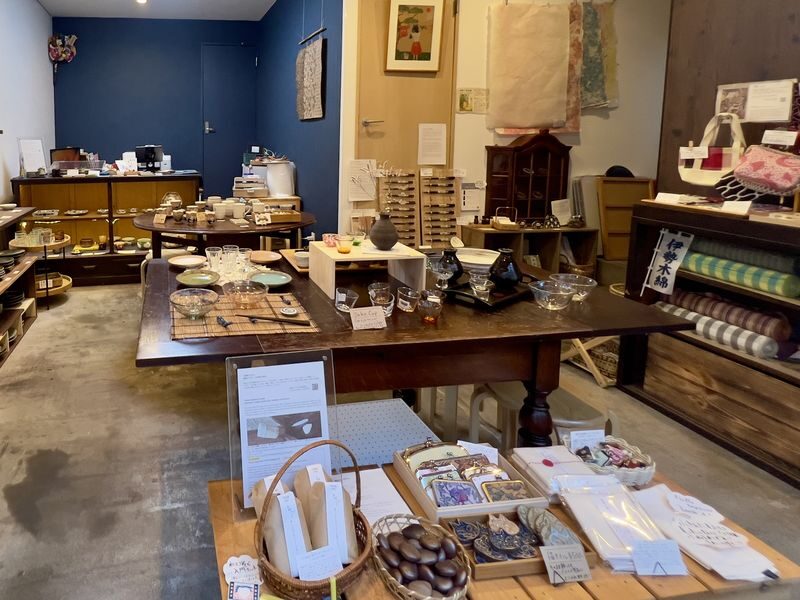
Tokyo offers plenty of grand sights, but a short craft session can be a welcome change of pace. At Pottery & Crafts Shop Seikyodo, you sit down with materials, follow a traditional technique, and make a small object to take with you. The scale is modest, which is part of the appeal: this is not a big production with a stage and a crowd.
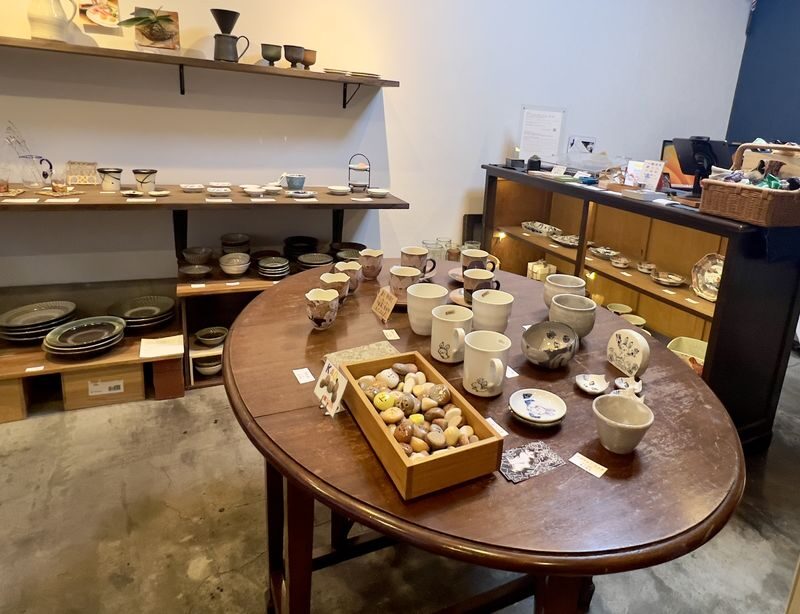
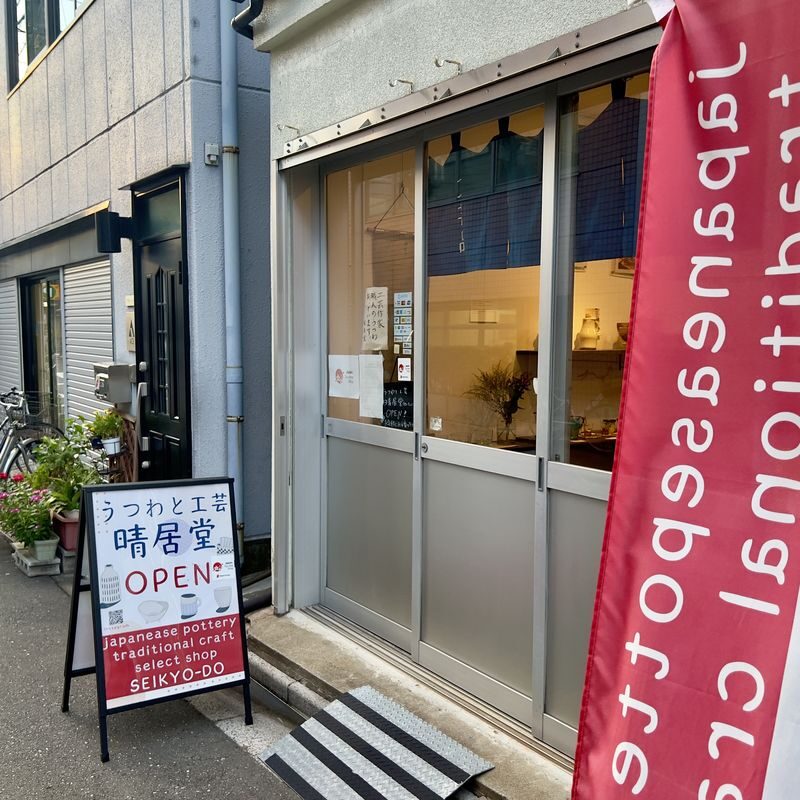
The workshop is in Seikyodo Asakusa, a small shop on a quiet street in the Matsugaya area. Its pottery and crafts provide a fitting setting, though the shop still functions as a shop. The instructor may occasionally need to help someone who comes in, so expect a friendly, practical atmosphere rather than a fully private classroom.
The listed duration is one hour. In practice, some purse sessions take around 35 to 45 minutes, while other activities may use most of the hour. That makes this a useful choice for a spare pocket in your day, but not a reason to plan a tight connection immediately afterward.
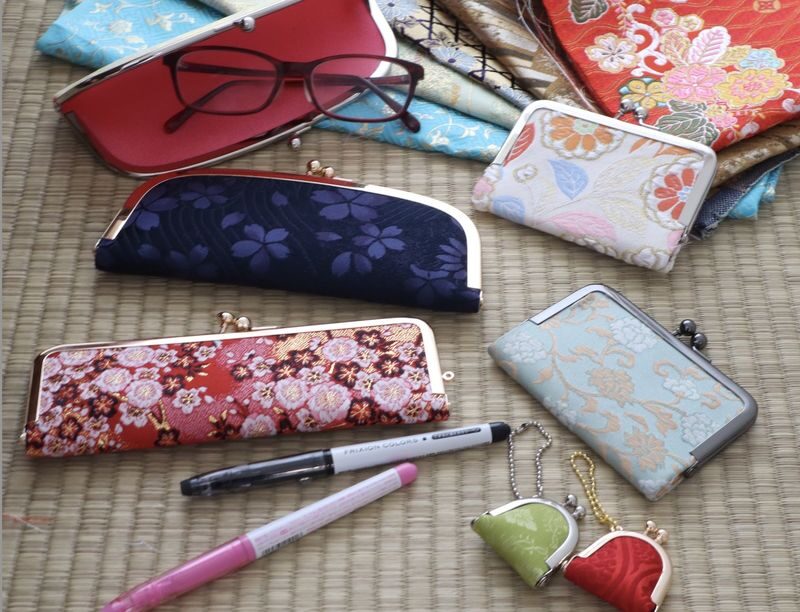
There are four package choices, and they are not interchangeable. Before booking, check which project is included in your selected option. The standard experience information highlights a one-hour mizuhiki bookmark session, while other packages cover postcards, an envelope, or a clasp purse.
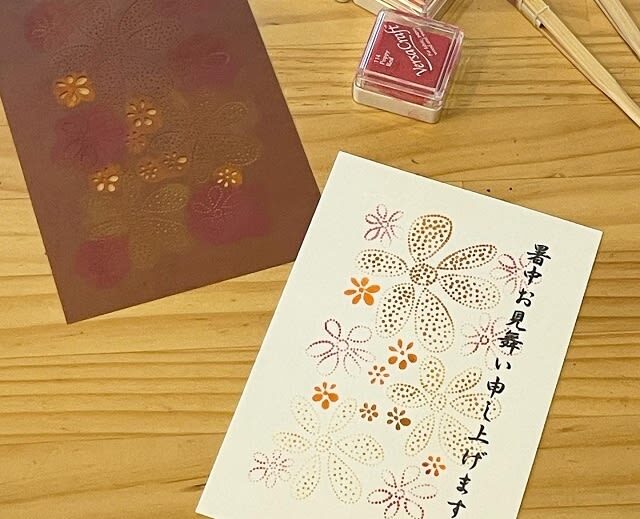
The Ise Katagami postcard session introduces a Japanese stencil craft used in kimono dyeing. Artisans carve intricate patterns into durable washi paper, and in this workshop you use a stencil by craftsperson Chiaki Imasaka to make a postcard. It is a good choice if you like pattern, paper, and a quieter activity. The result is lightweight and easy to pack.
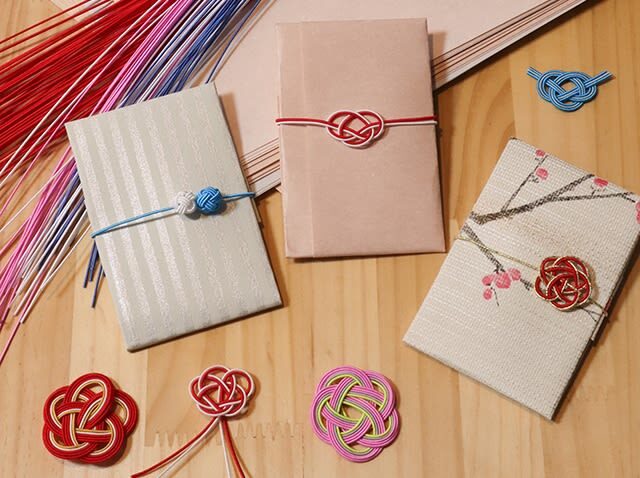
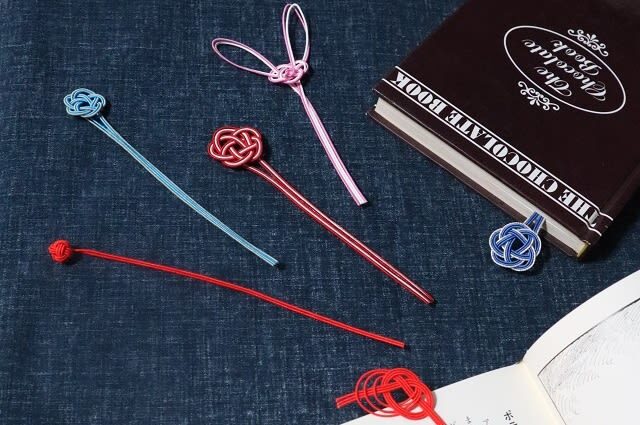
With the mizuhiki bookmark, you learn to color and wind silk thread around a core, then work the cord into decorative knots. The techniques include the Awaji and Ume knots, with a rabbit-themed design among the options described. It is a small project, but tying the cord takes patience and a little finger coordination.
The mizuhiki-style money envelope uses the same decorative-cord tradition for a practical form associated with gifts and celebratory occasions. Choose this if you are curious about the craft’s use beyond decoration. The clasp-purse package is a different kind of making: you use traditional Japanese fabric and handmade washi paper to form a mini purse or coin case without sewing.
Looking for more options in Tokyo? Here are some other experiences worth considering.
The purse workshop is especially appealing if you want a souvenir you can use during the rest of your trip. You choose fabric and a metal clasp, then follow a step-by-step process to form the case. The materials are prepared for you, but you do the work yourself, with help when a step gets tricky.
Some purse sessions begin with a tiny practice purse before moving on to the main item. That little warm-up is more than a cute extra. It lets you learn how the materials behave before making the larger piece, which can calm first-project nerves. Depending on the package and session, you may make a coin purse, a glasses case, a pen case, or a small accessory.
Fabric choices are a highlight, though the selection is not huge and can vary. One participant found the range limited, while others enjoyed choosing from the available patterns. Go in expecting a modest selection rather than a fabric shop’s worth of options. You may also be able to choose the clasp finish.
The technique is designed to avoid sewing, so you do not need sewing experience. That makes the project approachable for families, couples, and people who do not usually make things. The instructor demonstrates the process and helps you through the details, but you still get to make the object yourself.
Mizuhiki is decorative cord traditionally used on celebratory envelopes and gifts. In the workshop, you learn to color and wind the thread around a core, then form it into a knot. The Awaji and Ume knots offer a first taste of the craft’s shapes and structure.
The bookmark is a compact project, but do not mistake compact for effortless. You may need a couple of practice attempts to get the winding and knotting right. That is part of the activity: you are learning a repeatable method, not simply decorating a finished object.
The money-envelope option gives the craft a clear everyday context. The finished piece can be a useful way to present a gift, and the session introduces why mizuhiki appears on special-occasion packaging. If you enjoy precise handwork, this may be more satisfying than a project where the main task is choosing colors.
One practical point: the session is guided in English and Japanese, but fluency can vary by instructor. The activity is taught step by step, and the process is made accessible through demonstration and hands-on help. If you are unsure, you can ask for help as you work.
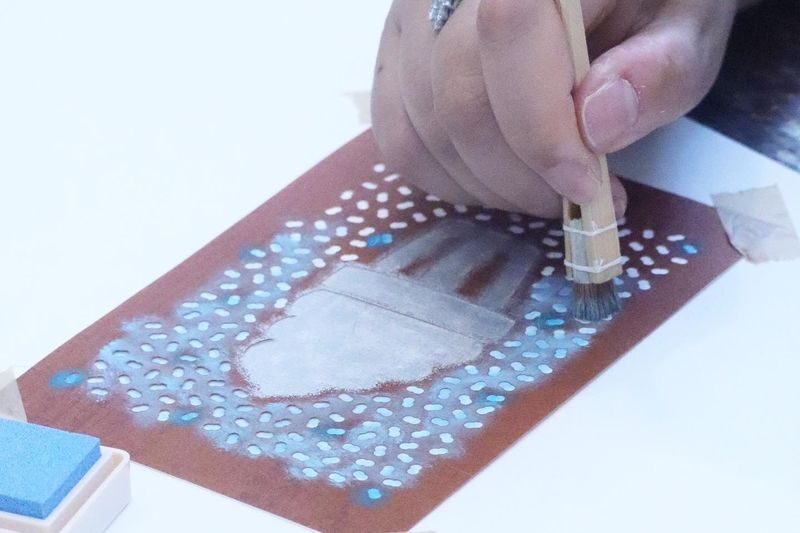
Ise Katagami is the most pattern-focused option. The craft uses durable washi stencils for kimono dyeing, with artisans carving highly detailed designs. The workshop brings that tradition down to postcard scale, letting you use one of Chiaki Imasaka’s stencil designs to make your own printed card.
This is a good fit if you would rather work with a stencil than tie a cord or assemble a purse. The postcard format also means you leave with something easy to carry and share. The session is hands-on, but it offers a glimpse of the precision behind a craft that can produce more than 900 patterns in a one-inch space.
It is worth understanding what this session is and is not. You are using a prepared stencil, not carving your own. That keeps the project short and gives you a direct connection to the pattern-making tradition without requiring specialist tools or a long lesson.
The workspace is small, and sessions can be limited to one group at a time. That can make the instruction feel personal: you have room to ask questions and get help with the troublesome parts. A solo booking may feel almost like a private lesson, while a couple or family can work together at the same table.
Small-shop life also means the instructor may need to tend to customers. One participant described this as part of the setting, not a major problem, but it is useful to set expectations. You are visiting a working craft shop, not a dedicated school with a separate classroom.
The instructors are often praised for being patient and encouraging. Names mentioned in individual sessions include Yuko and Albert, but instructors can vary, so do not book expecting a particular person. The important point is the teaching style: clear steps, close guidance, and room for you to try before help arrives.
Prices start at $22.75, but the exact cost depends on the package. For that starting price, the value is not just the materials. You also get a short introduction to a traditional technique and a made-by-you object, which can be more meaningful than buying another mass-produced souvenir.
The purse session may offer especially tangible value if you will use the finished case for coins, glasses, or small accessories. Some sessions produce more than one item, such as a tiny practice purse plus a larger case, though what you make depends on the package. The bookmark and postcard options are smaller keepsakes, so compare the project and price before choosing.
Still, this is a short activity, not a long craft course. One participant felt the bookmark session offered less time than expected for the cost. If your main goal is hours of instruction or a large finished piece, this may not be the best use of your budget. If you value a guided, local craft experience and a small personal souvenir, the price may feel fair.
The overall rating is 4.9 out of 5 from 318 ratings. That is a strong signal of consistent satisfaction, though it does not erase the basic trade-off: you are paying for a short, carefully guided activity in a small shop.
The meeting point is Pottery & Crafts Shop Seikyodo, at 101 2 Chome-27-3 Matsugaya, Taito City, Tokyo 111-0036. The address is specifically Seikyodo Asakusa. Check the map and the full address before setting out, since confusing Asakusa with Akasaka can send you to the wrong part of Tokyo.
Allow time to find the shop. One participant reported that a map app pointed them in the wrong direction, and another described roughly a ten-minute walk from a train station. The station was not specified, so use the map for your own route and leave a buffer rather than arriving at the last minute.
Bring your mobile voucher to present at the meeting point. Confirmation is sent within 48 hours; if it does not arrive, contact customer support. The voucher is valid only for the date and time you booked. You can cancel for a full refund at least 24 hours before the activity, but late arrivals and no-shows are not eligible for refunds or amendments.
I would choose this activity if you want a calm break from sightseeing and like the idea of making something small with your hands. It works well for couples, siblings, friends, or families, and it does not assume prior craft experience. Children have enjoyed the activity with adult family members, though no minimum age is specified.
The purse is the best option if usefulness matters most. The mizuhiki bookmark suits anyone drawn to knots and decorative details, while the envelope adds context about the craft’s role in gift-giving. Choose the Ise Katagami postcards if paper patterns and kimono-related techniques catch your interest.
It may be less suitable if you want a long, intensive lesson, a large choice of materials, or a fully uninterrupted private class. The shop is small, sessions vary in length, and the exact project matters. Think of it as a thoughtful one-hour activity, not a full-day craft retreat.
Book if you want a hands-on souvenir, a patient introduction to Japanese craft, and a quieter hour in Asakusa. I would lean toward the clasp purse for the most practical keepsake, or the Ise Katagami postcard if you prefer a light project with a direct link to kimono stencil work.
Before paying, double-check the package name, the Asakusa address, and your time slot. If the short duration and modest material selection suit you, this is a personable way to add a little making to a Tokyo itinerary.
“So much fun!!! Such a cool souvenir. instructor: We had Albert as are instructor. he was great! We had a lot of fun and laughs with Albert make the…”
The activity is described as one hour. Some purse sessions have taken about 35 to 45 minutes, so the time can vary by project and pace.
The options are Ise Katagami stencil postcards, a mizuhiki-style money envelope, a mizuhiki bookmark, and a clasp purse made with traditional Japanese fabric.
It meets at Pottery & Crafts Shop Seikyodo Asakusa, 101 2 Chome-27-3 Matsugaya, Taito City, Tokyo 111-0036, Japan.
The activities are taught step by step, and instructors help with difficult parts. No prior craft experience is stated as a requirement.
The included items depend on the package you choose. The experience information specifically lists a one-hour mizuhiki bookmark-making experience, and other options have separate craft descriptions. Personal expenses are not included.
Present your mobile voucher at Seikyodo Asakusa. The voucher is valid only on the date and time specified in your booking.
A full refund is available if you cancel at least 24 hours before the activity date, based on destination local time. Refunds or amendments are not available for late arrivals or no-shows.