Physical Address
304 North Cardinal St.
Dorchester Center, MA 02124
Physical Address
304 North Cardinal St.
Dorchester Center, MA 02124

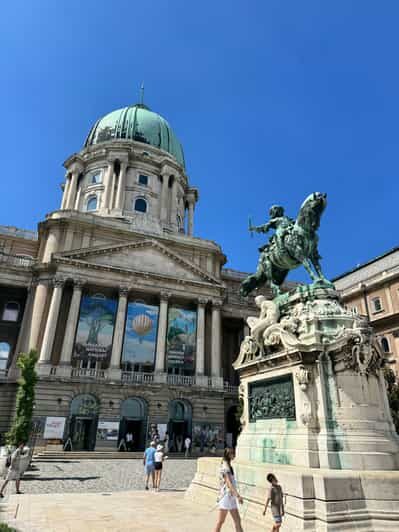
Walk Buda Castle Hill with an English-speaking guide, uncover Hungarian history and symbols, and finish with a slice of Dobos torta.
Buda Castle Hill is more than a palace and a famous church. It is a compact stage for more than a thousand years of Hungarian history, and this two-hour walk uses its buildings, symbols and old walls to tell the story. The route ends with Dobos torta, a six-layer sponge cake with chocolate buttercream and a caramel top.
I like two things in particular: the small group, capped at 15, gives you room to ask questions, and the guide points out details you could easily pass without noticing. The cake adds a tasty link to Budapest’s café culture and the era of Empress Sisi. One consideration: this is an outdoor walking tour, not a ticketed visit inside the church, museum or palace.
Buda Castle Hill has no shortage of impressive façades and postcard views. The harder part is knowing what you are looking at and how the pieces fit together. A guided walk helps turn a scenic stroll into a story, connecting churches, palace grounds, old walls and symbols to the events that shaped Hungary.
The tour begins near Starbucks Castle and follows a roughly 2-kilometer route through the Castle District. You spend about two hours outdoors, with short stops for explanation, photos and sightseeing. The walk is designed to keep moving without racing through the main sights. Visitors describe the pace as comfortable, with the guide pausing along the way and making time for questions.
The guides are a large part of the value. Names that come up in connection with the tour include Antel, Isham, Ruhyeen and Amel. People praise their clear explanations, lively storytelling and willingness to offer local suggestions. That personal element matters here: a guide can point out a detail on a wall or building, then explain why it matters to Hungarian history.
The group limit of 15 helps keep that conversation possible. If the group is especially small, you may have more time for questions; one reported walk had only two participants. Group size can vary, but the cap is a useful feature for anyone who finds large flag-following tours hard to enjoy.
If you enjoy exploring Budapest on foot, these walking tours might also suit your style
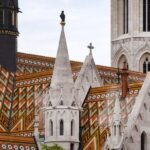
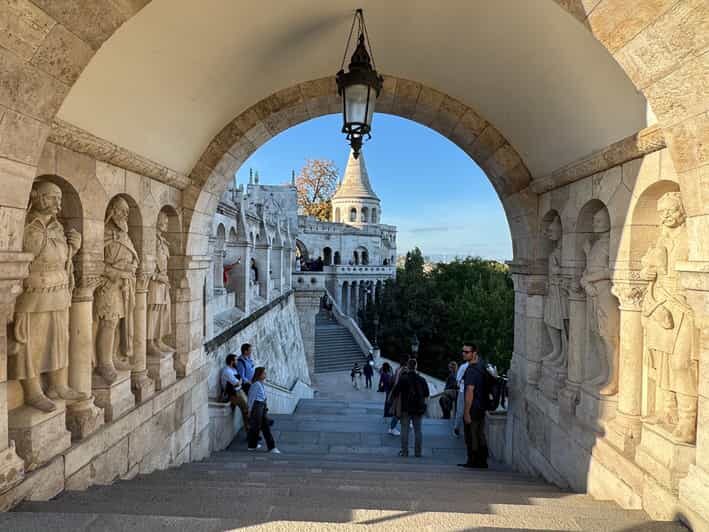
Matthias Church is one of the route’s central landmarks, with about 15 minutes set aside for a guided stop, sightseeing and photos. The church is known as Hungary’s coronation church, and the tour uses its architecture and decoration to explain the country’s past.
One question the guide may take up is why Hungary’s cross has two bars rather than one. Another is the meaning of the raven holding a ring on Matthias Church. These are the kinds of details that make a guided visit worthwhile. You are not just looking at a striking building; you are learning how symbols carry political and national meaning.
The stop is outside-focused. Admission to Matthias Church is not included, and the tour does not promise an interior visit. If going inside is important to you, plan that separately and check the church’s current admission and opening arrangements. The walking tour offers context, not a substitute for a ticketed visit.
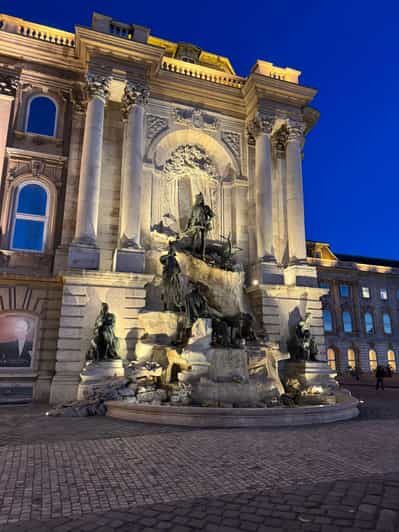
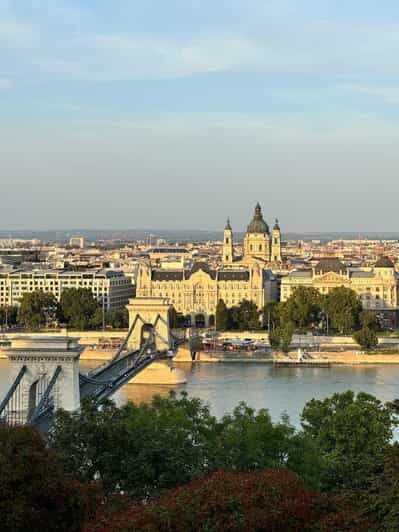
Fisherman’s Bastion gets about 15 minutes for guided sightseeing, walking and photos. Its towers and terraces give it a storybook feel, while the views across the river toward Pest make it one of the best places on the route to pause and take in Budapest’s layout.
The guide’s role here is to explain what you are seeing and connect the landmark to the wider story of Castle Hill. This is a good spot to ask questions, take photographs and get your bearings. The view also makes the contrast between Buda and Pest easy to grasp: Castle Hill rises above the river, while Pest spreads out on the opposite bank.
Allow a little patience at viewpoints, especially if you want photographs. The tour has a set two-hour duration, so the guide must balance time for scenery with time for history and the other stops. The experience is a guided walk rather than an unhurried photo session.
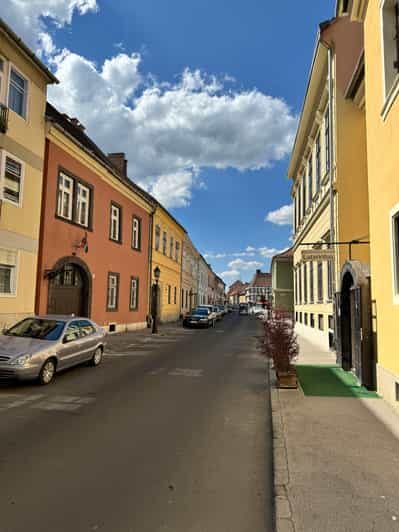
The route continues through Castle Hill, with time for squares, landmarks and the smaller details that can blur together when you explore alone. The area was once the aristocratic district of Hungarian kings, and the tour traces its changing role from medieval rule through Ottoman invasions and the Austro-Hungarian period.
A distinctive feature is the attention to marks left on the built environment. The tour describes bullet-scarred walls that have endured sieges and conflict. Seeing the marks in place gives the history a physical scale that a date in a guidebook cannot. The guide also draws attention to architectural symbols and hidden meanings, helping you look more closely at façades and public spaces.
There is a short stop at a viewpoint where the route combines sightseeing with the cake tasting. The itinerary also allows time to pass by the Buda Castle Caves and the Castle Hill Funicular, with a visit or photo stop near the funicular. These brief stops add variety, but they are not long visits to underground or transport attractions. The main product is the guide’s interpretation as you walk.
More Great Tours Nearby
The walk finishes at Buda Castle, after a stop of about 15 minutes for sightseeing and photographs. The castle grounds are central to the tour’s story, particularly the links between royal life, Hungarian history and the later Austro-Hungarian era.
It is important to understand what the tour does not include. Admission to the Buda Castle History Museum and the National Gallery is extra, and the route is not presented as an interior tour of the palace. A visitor has also described the walk as covering the castle district without entering its buildings. Treat this as an outdoor introduction, then add a museum or church visit if you want to spend more time inside.
The route also passes the castle caves and the funicular area. These landmarks help explain how the hill works as both a historic district and a place people move through today. But the tour does not include a funicular ride or an extended cave visit, so do not book expecting either.
History buffs will find these Budapest heritage tours enlightening
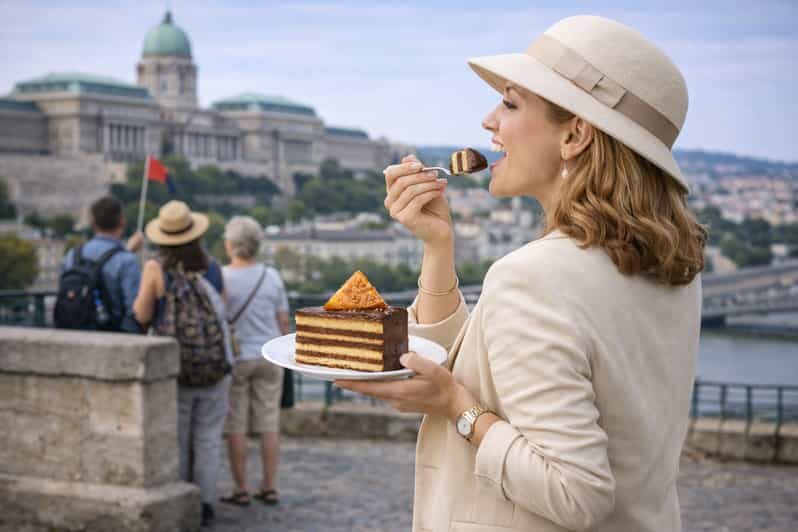
The cake is more than a snack tacked onto the end. Dobos torta has six layers of sponge, chocolate buttercream between them and a crisp caramel topping. The tour presents it as an emblem of Budapest’s café culture and refinement during the Austro-Hungarian age.
The story also links the cake to Empress Sisi, Hungary’s best-known queen, and to the royal setting of Buda Castle. That connection gives the tasting a historical frame, while the cake itself offers a welcome change of pace from stone, dates and dynasties. Most people who mention the treat are pleased with it, though taste is personal. The buttercream is rich, and anyone who prefers lighter desserts may find it filling.
One slice is included in the $17 price. Other food and drinks are not. I see the cake as a thoughtful extra rather than the main reason to book: the best value comes from having a guide explain the district, with the tasting adding a memorable local flavor.
At $17 per person, the tour offers two hours of live guiding, a 2-kilometer route, access to a small group and a slice of Dobos torta. For a first visit to Budapest, that is a practical way to get a useful orientation to Buda’s hilltop district without paying for several separate attractions. You are paying for interpretation and a planned route, not museum entry.
I would especially consider it early in a Budapest stay. The guide can help you understand how the landmarks relate to one another, and the local recommendations mentioned by visitors may help you plan the rest of your time. It suits curious walkers, history-minded visitors and anyone who wants the major Castle Hill sights explained rather than simply photographed.
It may be less appealing if you want a slow, private tour, extensive time indoors or a full meal. The route is outdoors and runs for two hours, so comfortable shoes are a sensible choice. It is not suitable for wheelchair users. English is the stated tour language; a French-speaking participant described following an explanation through a smartphone link, but do not assume that arrangement is available for every language or departure.
Book it if you want a compact, guided introduction to Castle Hill, enjoy stories and architectural details, and like the idea of ending with a classic Hungarian cake. The small-group cap and the guides’ reputation for clear, personable explanations are strong points at this price.
Skip it if your priority is entry to the church or palace museums, a wheelchair-accessible route or a long, leisurely visit at each stop. For most first-time visitors who are comfortable walking, this is a useful way to make Buda Castle Hill feel less like a string of photo spots and more like a place with a past.
“The tour was very interesting and quite casual. Jawad was a very attentive guide!”
The tour lasts two hours and covers about 2 kilometers on foot.
It starts at Starbucks Castle and finishes at Buda Castle.
The route includes Matthias Church, Fisherman’s Bastion, Castle Hill, the Castle Hill Funicular area and Buda Castle. It also passes the Buda Castle Caves and includes viewpoints and lesser-known stops.
Yes. The tour includes one slice of Dobos torta, the Hungarian cake made with layers of sponge, chocolate buttercream and caramel topping.
No. Tickets to Matthias Church, the Buda Castle History Museum and the National Gallery are not included.
The live tour is offered in English. Translations for other languages are noted, but the specific arrangement can vary.
The tour is limited to 15 people.
No. The tour is listed as unsuitable for wheelchair users. It covers a 2-kilometer walking route, so comfortable shoes are recommended.
You can check availability for your dates here: