Physical Address
304 North Cardinal St.
Dorchester Center, MA 02124
Physical Address
304 North Cardinal St.
Dorchester Center, MA 02124

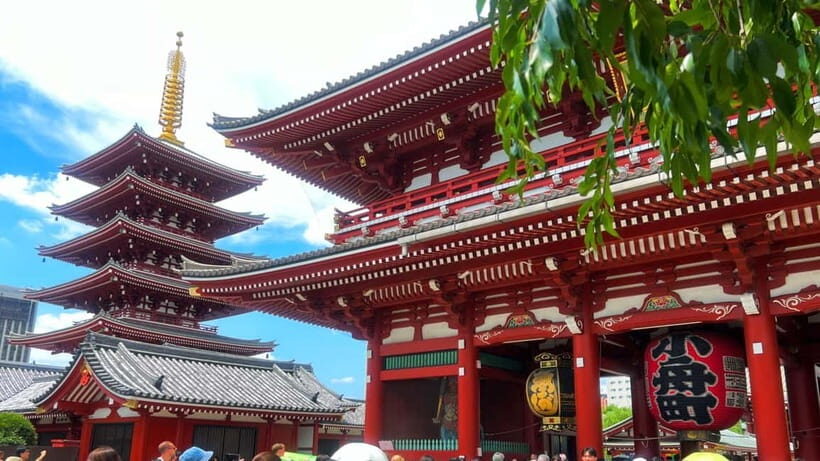
Explore Asakusa’s Senso-ji, old lanes and local customs on a two-hour, English-language walking tour for $14 per person.
Senso-ji is more than a photogenic temple stop. On this two-hour walk, you get help making sense of its gates, nearby shrine and old Asakusa streets, with a guide to explain the customs and stories behind what you see. I like the small group limit of 10 and the chance to hear practical local tips alongside the history.
I also like the $14 price for a guided introduction to several of Asakusa’s most important sights. The main consideration is the setting: Nakamise and the temple area can be crowded, so you may need to keep close to your guide and accept a steady group pace.
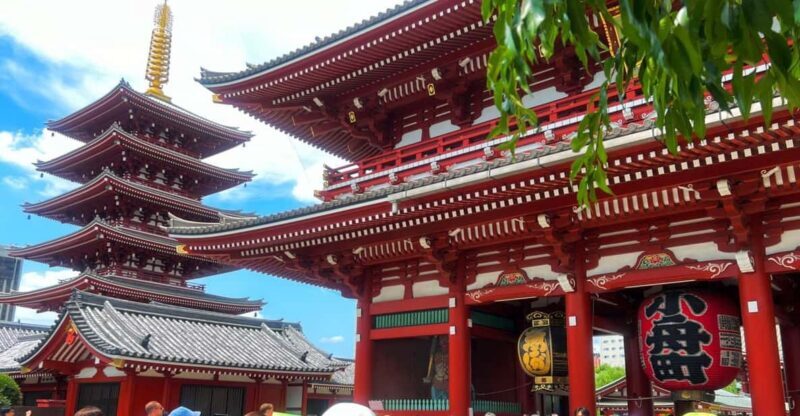
Asakusa gives you a clear view of a Tokyo that feels different from the city’s modern shopping and business districts. Its best-known landmark is Senso-ji, a Buddhist temple founded in the 7th century, but the surrounding streets matter too. Gates, shops, a shrine and local lanes together tell a fuller story than a quick temple visit alone.
The tour is a practical choice if you are new to Tokyo or want context before exploring independently. You will hear about the district’s Edo-era past, its geisha history, hidden shrines and post-war recovery. The guide can also explain how temple and shrine customs work, which helps you approach the sites with more confidence and respect.
This is not a long, unhurried temple study. Two hours is enough for an overview and a few local details, not a thorough exploration of every lane or shop. Think of it as a well-guided first look, with time afterward to return to the places that catch your interest.
Looking for more options in Tokyo? Here are some other experiences worth considering.
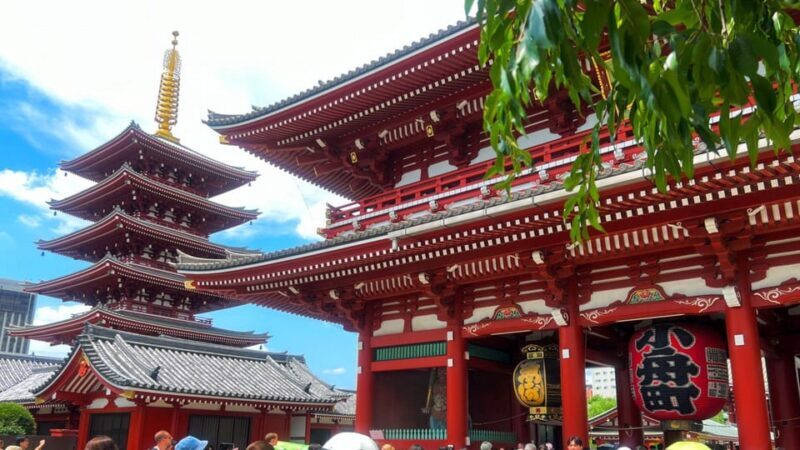
The meeting point is in front of the Starbucks closest to Asakusa Station, at coordinates 35.7119461, 139.7979446. The group returns to the same spot at the end, which makes the route easy to plan around.
Download WhatsApp before you meet. The tour operator asks participants to use it to coordinate the meeting, and a guide has used the app to help a late-arriving participant catch up. That does not make arriving late a good plan, but it is useful to have the contact method ready.
Guides on this tour have included Shino, Embla, Nicolas, Aska, Joe, Connie and others. The specific guide is not guaranteed, but the English-language format is consistent. The strongest guide-led element is not simply facts about buildings: the guides explain local customs, answer questions and help the group navigate crowded areas without losing people.
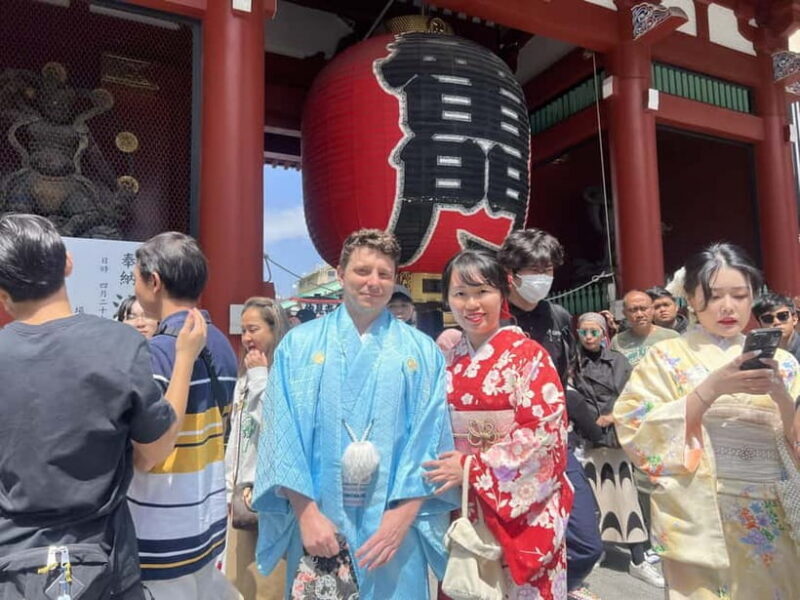
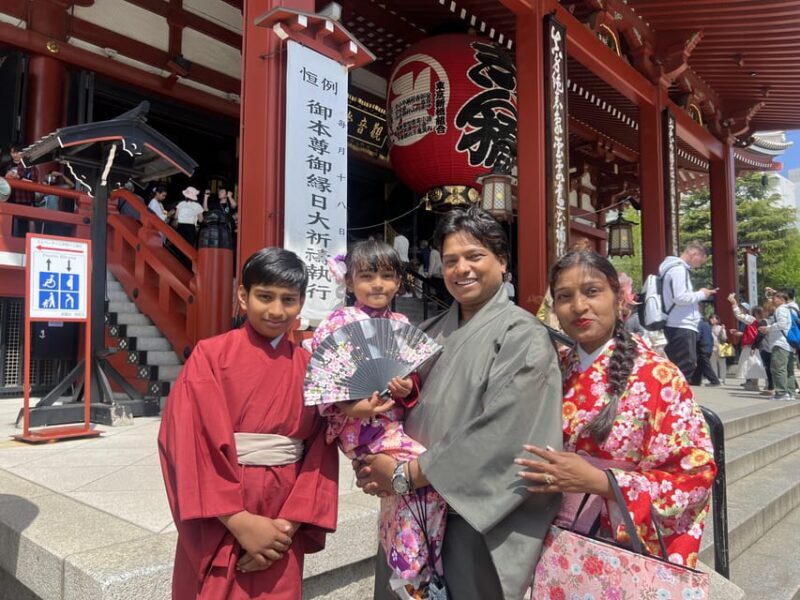
The walk begins at Kaminarimon, or Thunder Gate, one of Asakusa’s most recognizable sights. The large lantern and imposing entrance make an easy landmark for your first photographs, but the guide can add context before you move on. You get about 30 minutes here for a visit, guided explanation and photo stop.
Crowds are part of the scene. Several guides have been praised for keeping the group together and making sure nobody falls behind, but you should still pay attention when the group moves. In a busy pedestrian area, it is easy to pause for a photo and lose sight of the guide.
This is a good place to ask questions early. If you want to understand the difference between a Buddhist temple and a Shinto shrine, or how local religious customs work, the guide can set up ideas that become clearer at the later stops.
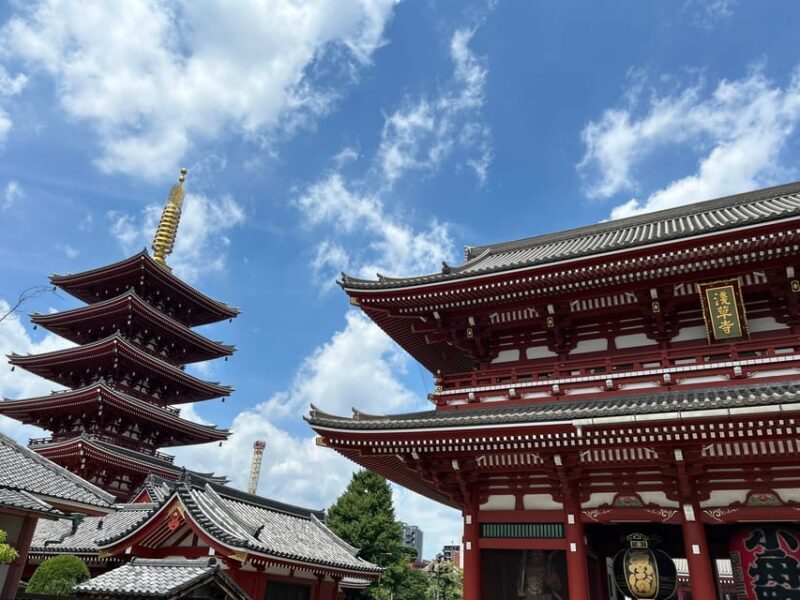
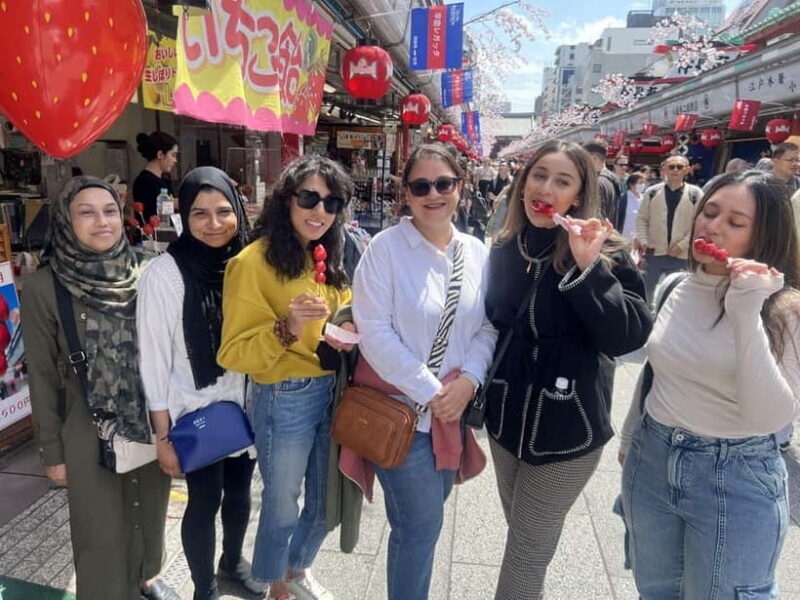
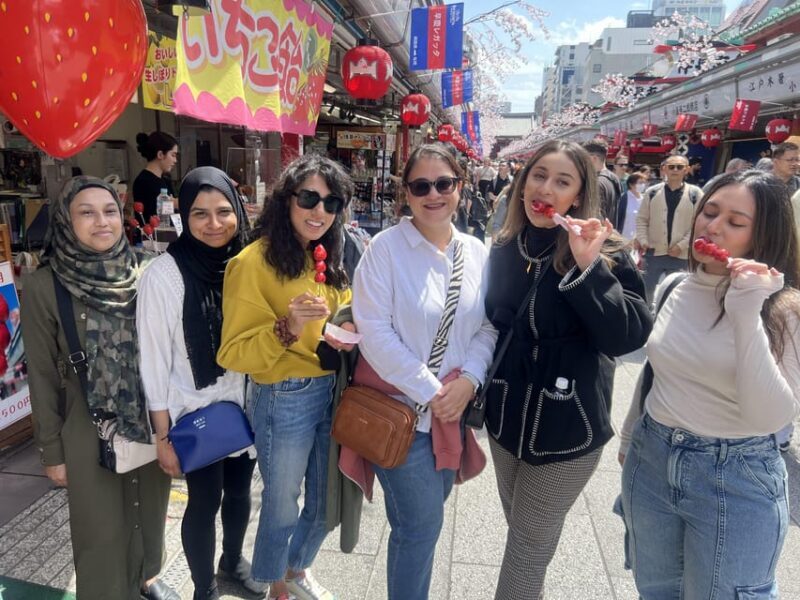
From Kaminarimon, the route follows Nakamise Shopping Street for roughly 20 minutes. Traditional shops, lanterns, sweets and snacks give the approach to Senso-ji its own character. This is both a historic-feeling route and a working shopping area, so expect to share it with people browsing and moving through.
The short stop is useful for learning what you are looking at and spotting local foods or souvenirs worth remembering. Guides have pointed out specialty snacks and suggested places to eat or shops for meaningful keepsakes. Shino, for example, has offered food and souvenir recommendations, while other guides have introduced visitors to traditional sweets such as ningyo-yaki.
There is a trade-off: 20 minutes is not much time for serious shopping. Treat this as an introduction rather than a chance to browse every stall. If you see something you want to buy, ask the guide whether there will be time, or make a note to come back after the tour.
More Great Tours Nearby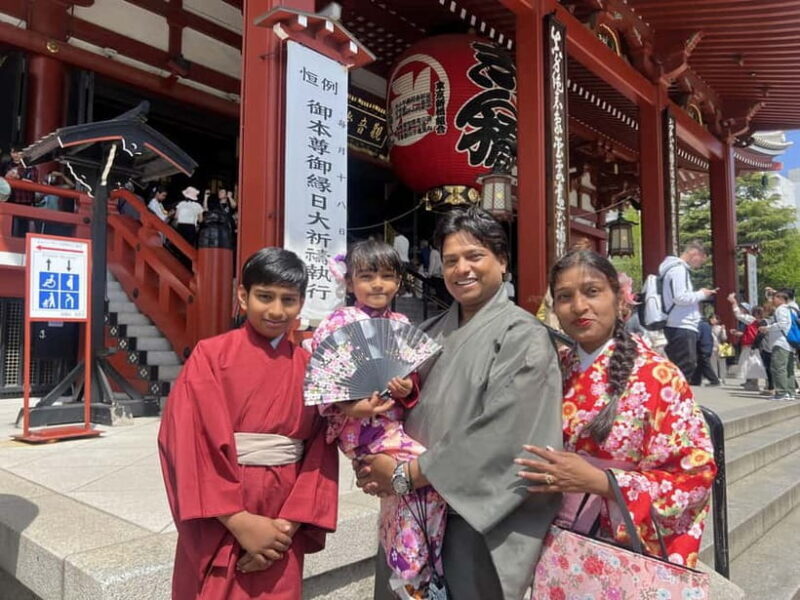
Senso-ji gets about 30 minutes for a guided visit, a walk and photos. Founded in the 7th century, it is the central historical stop and the reason many people come to Asakusa. The tour helps you look beyond the striking architecture and understand the temple’s place in local religious life.
A guide can show you how to approach the temple and explain customs you might otherwise watch without understanding. Past guide-led walks have included instructions on how to pray and explanations of Buddhist practice. You may also have the chance to try a fortune, an activity one visitor especially enjoyed, though the tour information does not promise that every visit includes it.
This context is the tour’s main value. You can visit Senso-ji on your own, but it is harder to know which details matter or how to take part appropriately. A clear explanation turns a quick stop into a more thoughtful one. Guides including Nicolas have been praised for storytelling and for making the history engaging, while Shino has been singled out for explaining temple and shrine traditions carefully.
The limitation is time. Half an hour gives you a guided introduction, not an extended period for quiet reflection or close study. If Senso-ji is a major interest, plan to return after the tour and explore at your own pace.
The final scheduled stop is Asakusa Shrine, with about 30 minutes for a photo stop and guided explanation. Its place beside the temple gives the guide an opportunity to discuss the differences between Buddhist and Shinto traditions and how both are part of Japanese religious culture.
That comparison is especially helpful if you are visiting Japan for the first time. The buildings may look like part of one large complex, but the customs and religious histories are not identical. A guide can explain how to approach a shrine and what to notice, rather than leaving you to guess from signs or other people’s actions.
The tour then returns to the Starbucks near Asakusa Station. Since the walk ends where it starts, you can use the rest of your day to revisit Nakamise, explore the surrounding district or follow one of the guide’s recommendations.
The route is compact and the major sights are easy to locate. The reason to book a guided walk is the interpretation: stories about Edo-era Asakusa, geisha districts, local shrines, temple practice and the neighborhood’s development through samurai times and post-war recovery.
The guide’s style will vary. Shino has been described as warm, energetic and especially good at offering local food and souvenir advice. Embla has been noted for organization, clear communication and a friendly sense of humor. Nicolas has been praised for engaging storytelling and patience, while Aska has helped explain how to pray at the temple and shrine. These names give you a sense of the range of guides, not a promise about who will lead your departure.
The small group cap is a real advantage in a crowded district. A guide can speak to a group of 10 more easily than to a large tour, and you have a better chance to ask questions. One caution: group pace depends on the people with you. Some groups move quickly; others need reminders to keep going. The route is short, but listening while walking and staying close helps everyone.
At $14 per person, this is a modestly priced way to get a two-hour introduction to one of Tokyo’s best-known historic areas. The fee includes the guide and walking tour, with admission to Asakusa, Senso-ji and Nakamise listed as included. The attraction stops are part of the walk, rather than separate ticketed experiences described in the tour details.
The value is strongest if you want context, not just directions. A guide can connect the temple, shrine and shopping street, explain customs, and point out local food or shopping ideas. If you are comfortable researching the sites yourself and prefer to spend as long as you like at each one, you may get more from a self-guided visit. But for a first visit, the price is reasonable for the help making sense of the district.
The booking terms also offer flexibility: you can reserve now and pay later, and cancel up to 24 hours in advance for a full refund. Check the available start times when planning your day.
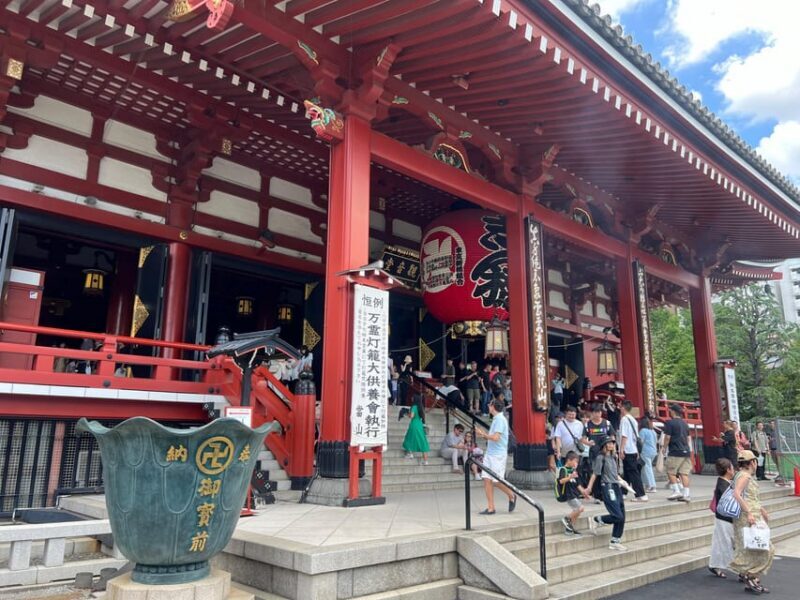
I would choose this tour if Asakusa is on your list and you want a reliable orientation before exploring on your own. It suits first-time visitors, history and culture enthusiasts, solo visitors looking for a small-group outing, and anyone curious about temple and shrine customs. The English-language guide and 10-person limit make it easier to follow explanations and ask questions.
It also works well as a short introduction at the start of a Tokyo visit. You will leave with a better sense of what to look for and, potentially, ideas for local food, shopping and other places to see. Several guides have offered recommendations beyond the immediate route, which can help you plan the rest of your time.
Skip it if you want a slow, in-depth visit to Senso-ji or a long stretch of shopping. The two-hour format moves through four stops, and the Nakamise visit is brief. For most people, though, that is the point: get your bearings, learn the essentials, then decide where you want to linger.
“We had an awesome experience with Shino in Asakusa! She was born and raised in Tokyo and shared unique spots that only locals know, along with beau…”
The walking tour lasts two hours.
The listed price is $14 per person.
The live tour guide speaks English.
The group is limited to 10 participants.
Meet in front of the Starbucks closest to Asakusa Station. The coordinates are 35.7119461, 139.7979446.
The tour information asks you to download WhatsApp before the meeting so the group can coordinate smoothly.
The route includes Kaminarimon, Nakamise Shopping Street, Senso-ji Temple and Asakusa Shrine. It returns to the starting point near Asakusa Station.
The guide, walking tour and admission to Asakusa, Senso-ji Temple and Nakamise Shopping Street are included.
You can reserve now and pay later. Cancel up to 24 hours in advance for a full refund.
You can check availability for your dates here: