Physical Address
304 North Cardinal St.
Dorchester Center, MA 02124
Physical Address
304 North Cardinal St.
Dorchester Center, MA 02124

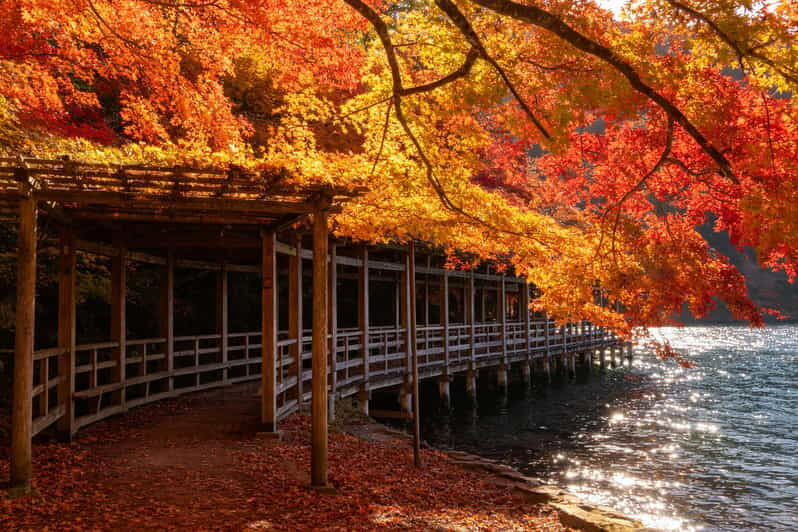
See Fuji’s lakes, spring ponds, flower beds and famous photo spots on a 10-hour Tokyo day trip, with transport and an English-speaking guide.
Mount Fuji is the star, but this 10-hour trip gives you more than one chance to see it: you’ll visit lake shores, a spring-fed village, a flower park and the famous pagoda viewpoint. The route also takes in the straight road at Hikawa Clock Shop, where Fuji appears to sit at the end of the street.
I like that transport links nine distinct stops that would be awkward to combine in one day on your own, and that the route mixes postcard views with places that feel more rooted in local life, especially Oshino Hakkai. At the advertised $30 introductory price, it can be strikingly good value.
The trade-off is a long day with plenty of time on the road and limited time at each stop. And Fuji can disappear behind cloud, so you’re buying a circuit of scenic places, not a guaranteed mountain view.
The tour starts at Tokyo Station’s Marunouchi North Exit, then heads out by coach toward the Fuji area. The drive to the first stops is listed at about 110 minutes. After a day of sightseeing, the return leg is listed at about two and a half hours, though traffic can affect the journey.
That’s a useful trade if your Tokyo stay is short. Instead of navigating buses and trains between lakeside viewpoints and villages, you can leave the driving to someone else and see a broad sweep of the region in one outing. The flip side is that this is a sampler, not a slow visit. Expect a full schedule, plenty of photo stops and some stretches in the vehicle.
The route is described as a 10-hour service, within the vehicle-service limit required by Japanese law. The exact amount of free time at each stop is not specified, so don’t plan on lengthy walks, a full meal or extra activities at every location. The best approach is to choose a few priorities in advance and make the most of those stops.
The group size can also change the feel of the day. For one to 22 people, the service uses a small-group vehicle; for 23 to 45, the vehicle type is adjusted to the group. Previous departures have ranged from a family-sized private-feeling outing to a larger group, so you shouldn’t count on having extra room or a flexible route.
You can check availability for your dates here:Lake Yamanaka, the largest of the Fuji Five Lakes, begins the scenic part of the day. Its calm surface can reflect the mountain, making it a peaceful counterpoint to Tokyo’s busy streets. The lake is also a broad, open setting, so you get a sense of Fuji’s scale rather than just a close-up framed by buildings.
Hirano Beach sits on the lake’s northern shore. Its gravel edge is known for the mirror-like reflection of Fuji, and swans sometimes drift through the view. The light and water matter here: a calm surface and a clear sky can make the mountain reflection striking, while wind or cloud can quickly change the picture.
The best viewing time is described as a few hours after sunrise. Since this is a day trip from Tokyo, the visit may not coincide with that ideal window, and the schedule doesn’t promise a precise arrival time. Still, Hirano offers a chance to see Fuji in a quieter setting than the more famous roadside photo stops.
Treat this as an opportunity, not a guarantee. Cloud cover has spoiled the mountain view on some days, while other departures have seen Fuji for much of the morning, even in rain. The lake and shore remain part of the experience, but the mountain is the unpredictable visitor of honor.
Looking for more options in Tokyo? Here are some other experiences worth considering.
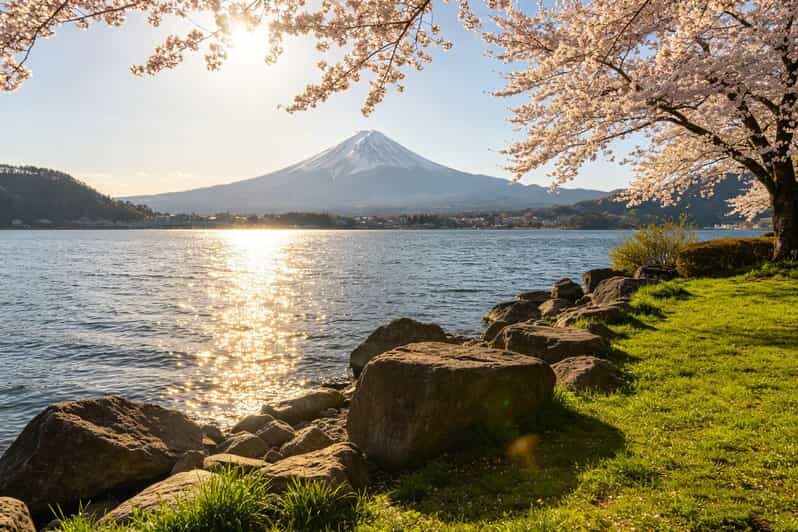
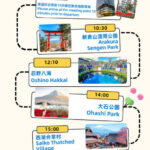
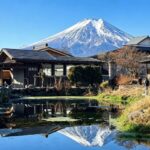
Oshino Hakkai is one of the most rewarding stops for a change of pace. The village is known for eight clear ponds fed by snowmelt from Mount Fuji. Instead of looking only at the mountain from a distance, you get to see water that has travelled through the region’s volcanic slopes before emerging in the springs.
There’s time here for a guided visit, sightseeing, free time and lunch. Local food options are available, and food tasting is included among the planned activities, though meals themselves are not included in the tour price. Bring money for lunch and any snacks or purchases you want to make.
This is a good stop for wandering rather than simply lining up a photo. The ponds and village setting reward a slower look, but the overall schedule still moves on. If you’re choosing between a sit-down meal and browsing, decide what matters most before you arrive, since the time available is not specified.
Oshino Hakkai also gives the day some human scale. The lakes and Fuji views are expansive; the village brings you closer to daily details, water, paths and seasonal foliage. It’s a welcome pause in a day otherwise shaped by viewpoints and transport.
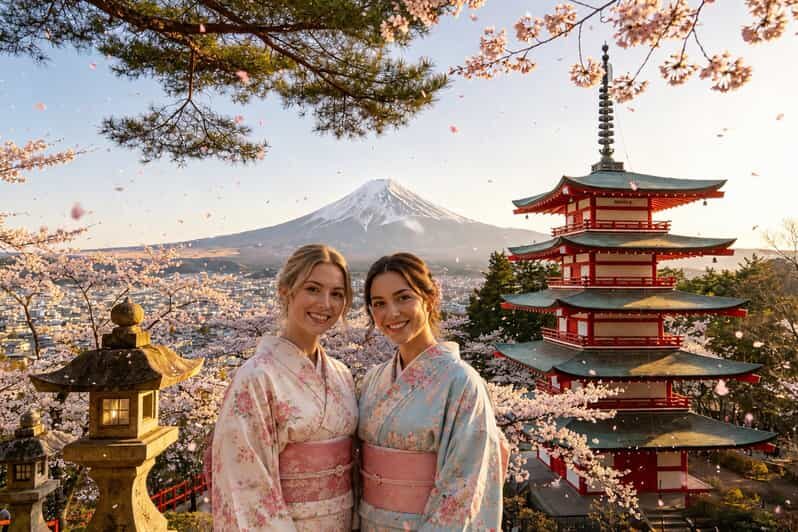
Oishi Park sits beside Lake Kawaguchi and is known for a 350-meter flower path. What’s blooming changes with the season: tulips, lavender and phlox are among the flowers associated with the park. The attraction is not one fixed view, but the changing foreground against the lake and, when skies cooperate, Fuji.
That seasonal variation is worth keeping in mind when you book. A flower photo from one month won’t necessarily match what you see on another visit. The park also includes time for sightseeing, shopping and a break, giving you a chance to look around instead of rushing straight to the next photo.
Lake Kawaguchi is the second-largest of the Fuji Five Lakes and the most accessible and popular. When the water is still, Fuji can appear reflected as an inverted double. The lake is also a place for boating and sailing, or for walking and cycling along the shore, but this tour lists a visit and walk rather than a dedicated water activity. Optional paid activities are not included.
The lake’s appeal changes through the day. Sunrise and sunset are especially fine times for views, but the schedule doesn’t promise either. Think of this stop as a taste of the lakeside rather than a long, independent visit.
The Kawaguchiko Station Lawson has become a popular photo stop because its sign can frame Mount Fuji in the background. You’ll have time to stop, shop and take pictures. It’s also a handy place to pick up an ice cream or snack, though those purchases are your own expense.
This is a very modern kind of sightseeing: a convenience store turned viewpoint through the clever alignment of a sign, a street and a mountain. If you’re drawn to the image, you’ll appreciate the stop. If you prefer a quieter view, it may feel less special than the lakes and village. Either way, it’s brief and easy to understand.
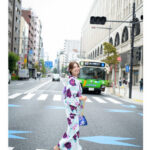
Hikawa Clock Shop offers a different kind of photograph. Its retro Shōwa-era streetscape includes old-style lampposts and shop signs, with a straight road leading toward Fuji. The scene has the graphic simplicity of a manga panel, but it’s still a real street, not a purpose-built set. Take care to follow the guide’s instructions and keep the road clear while taking pictures.
Together, these two stops show how varied the day’s photo opportunities are. One is a contemporary convenience-store image; the other leans on nostalgic streetscape and perspective. They’re quick visual stops, not deep visits to local shops or neighborhoods.
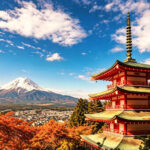
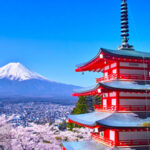
More Great Tours NearbyArakurayama Sengen Park is home to the famous viewpoint pairing Mount Fuji with a five-storied pagoda. The view is one of the region’s best-known compositions, especially in spring or autumn. The park visit includes free time, followed by a stop at Arakura Fuji Sengen Shrine.
This is the stop to prioritize if you have one particular Fuji photograph in mind. But the mountain can be hidden by cloud, and the view is not assured. One departure lost the pagoda-and-Fuji picture after a vehicle problem delayed the group and clouds moved in; that is a reminder that weather and timing are outside the guide’s control.
The shrine dates to 705 AD and is dedicated to the goddess of Fuji. It adds a spiritual and historical note to a day otherwise focused heavily on scenic views. The planned visit includes a guided portion and free time, though the exact length of the stop is not specified.
Do keep the day’s pace in mind. The park and shrine are among the most iconic stops, but they come late in a long circuit and before the drive back to Tokyo. If you want more time at this particular site, a self-planned visit would give you more control than a nine-stop day tour.
The English-speaking driver-guide is a central part of the experience. Previous guides have included Zoe, Dale, Jason, Giulia and Hiroshi. Their style can shape the day: some have shared plenty of background and practical suggestions, while one departure found it difficult to hear commentary or understand how much time was available at a stop.
A useful habit is to confirm the meeting point and the return time before leaving the vehicle, then ask the guide to repeat the time if needed. Some groups have used a WhatsApp chat to clarify timings, but that isn’t a stated feature of every departure. The guide’s details are sent through the GetYourGuide inbox and email by 8PM the day before.
Vehicle comfort has also varied. Several departures had clean, comfortable transport and air conditioning; one found a van’s narrow seats and firm suspension uncomfortable on the long drives. The vehicle depends on the group size, so if comfort is a major concern, be prepared for a substantial amount of sitting and road time.
At $30 per person, the introductory rate is unusually low for a full-day outing that includes vehicle service, fuel, tolls, highway fees and the driver-guide fee. The price is described as a special rate for a new activity and may end at any time. It excludes meals, accommodation, entrance fees, optional activities and personal purchases, so budget separately for lunch and snacks.
This is best value if you want breadth: multiple lakeside and village stops without arranging the transport yourself. It’s less suitable if you want long walks, unhurried meals or guaranteed commentary at every stop. Free cancellation up to 24 hours before departure and the option to reserve without paying immediately add flexibility, but don’t change the basic trade: a great deal for a busy day, not a private, leisurely exploration.

I’d choose this tour if I had one day to see the Fuji region from Tokyo and wanted a broad set of classic views without coordinating several connections. It suits first-time visitors, photo-minded visitors, families with older children and anyone who values an organized route more than lingering at one place. Children aged three and older pay the adult price; children aged zero to two ride free if held on a lap and not occupying a seat.
I’d think twice if you need a spacious seat for a long ride, want to hike or spend hours beside one lake, or are booking solely for a clear view of Fuji. Weather can hide the mountain, and the full route leaves limited time at each stop. If you can accept those limits, the mix of lake reflections, spring ponds, flowers, retro streets and shrine views makes this a strong-value day out.
“Very interesting, Giulia was super, she explains a lot and she is funny!”
It starts and ends at Tokyo Station’s Marunouchi North Exit.
The tour lasts about 10 hours. The listed drive to the Fuji area is about 110 minutes, and the return drive is about two and a half hours.
Yes. The activity lists an English live guide, with a driver-guide service fee included.
Stops include Lake Yamanaka, Hirano Beach, Oshino Hakkai, Oishi Park, Lake Kawaguchi, Lawson Kawaguchiko Station, Hikawa Clock Shop, Arakurayama Sengen Park and Arakura Fuji Sengen Shrine.
No. Lunch costs are not included, although local lunch options are available at Oshino Hakkai.
No. Attraction entrance fees, optional paid activities and personal expenses are excluded.
No. Views depend on the weather, and cloud or rain can hide the mountain.
Children aged zero to two ride free if held on a lap without occupying a seat. Children aged three and older are charged the same as adults.
You can check availability for your dates here: