Physical Address
304 North Cardinal St.
Dorchester Center, MA 02124
Physical Address
304 North Cardinal St.
Dorchester Center, MA 02124

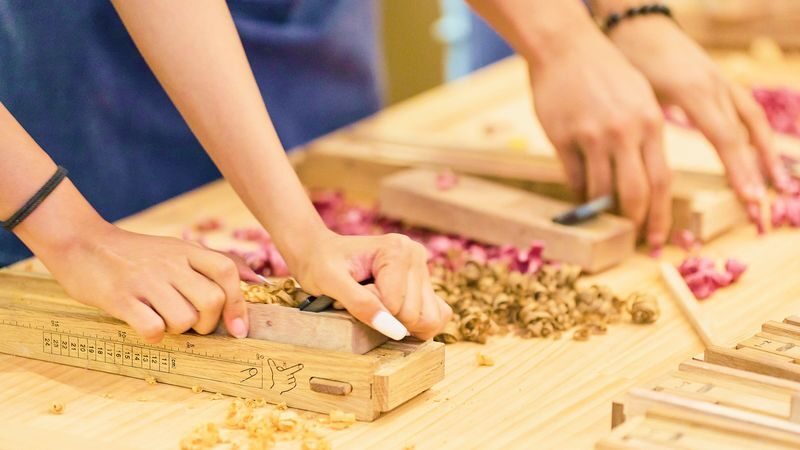
Shape and smooth your own chopsticks in Arashiyama, learn Japanese chopstick customs, and take home a handmade Kyoto keepsake.
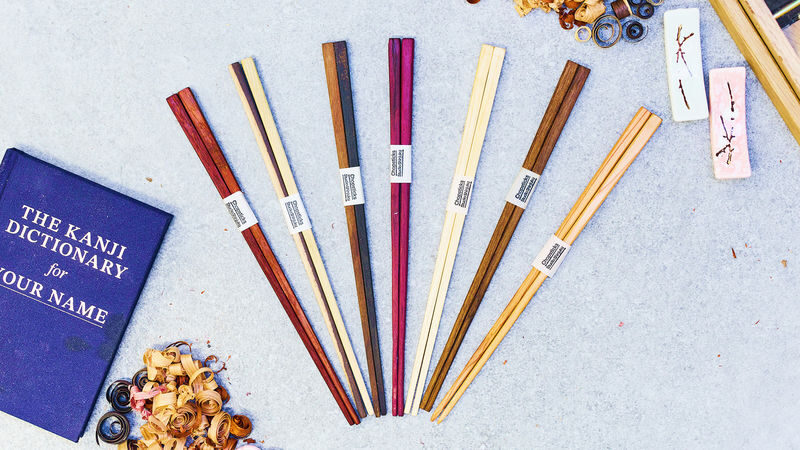
In Arashiyama, you can turn a simple piece of wood into a pair of chopsticks you’ll actually use. In about an hour, a local instructor shows you how to shape, smooth, and finish them, then you take your handmade souvenir home.
I like two things in particular: you get to choose wood for its color, hardness, and aroma, and the class folds in an introduction to Japanese chopstick customs. Instructors such as Cath, Lucia, Mikito, and Mayumi have been praised for patient, hands-on help, including with children.
The main consideration is that the low starting price covers standard wood, while premium woods and engraving cost extra. The workshop is short, too, so it works best as a focused break in an Arashiyama day, not a long craft course.
Arashiyama is often planned around its sights, but a small craft class can give your day a different rhythm. Here, you sit down, work with your hands, and leave with something more personal than a shop-bought keepsake.
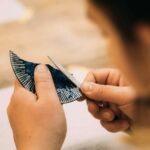
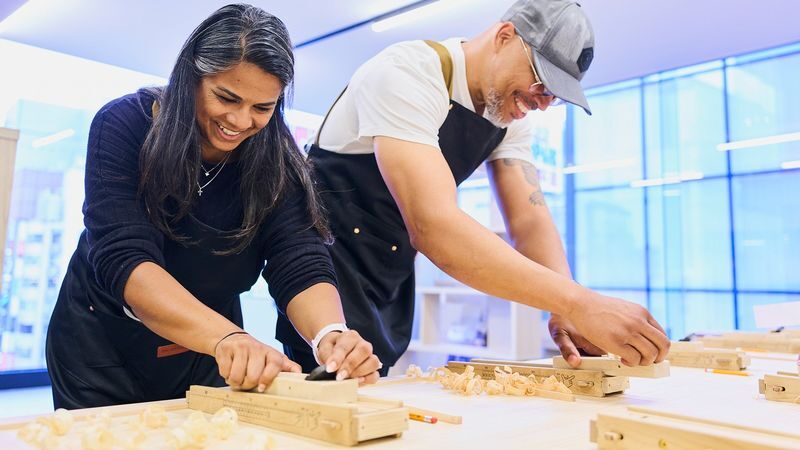
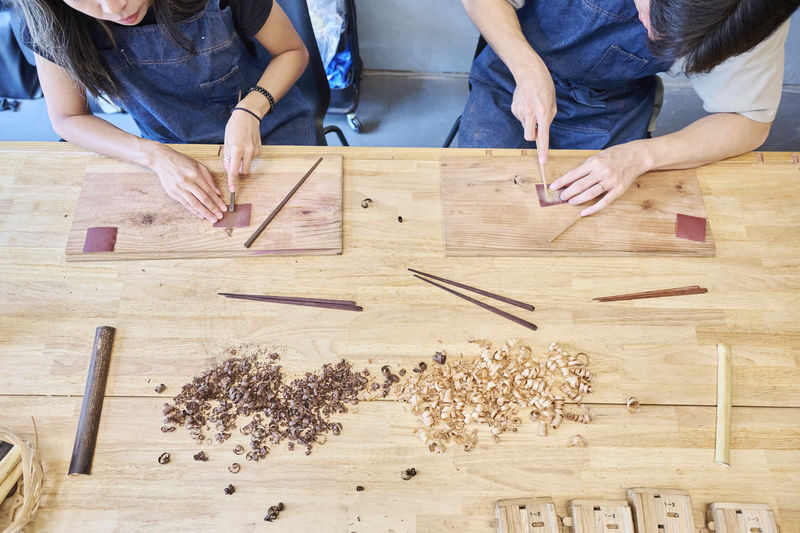
The basic process is approachable. You choose a piece of wood, use simple tools to shape it, smooth the surface, and finish your chopsticks with guidance from the workshop staff. The point is not to produce a perfect pair at speed. You work at your own pace, with an instructor nearby to explain each step and help you get a result you’re happy to take home.
That makes this a good fit for first-time makers. The class is designed for beginners, and children aged 6 and up can participate. Families can work side by side, while solo visitors get a low-pressure activity with a natural chance to chat with a local host.
English guidance is available, and the experience is also offered in Japanese. A Spanish-language package is listed as well. If language is important to your booking, check that you select the package that matches your needs.
You might also be interested in these Kyoto experiences
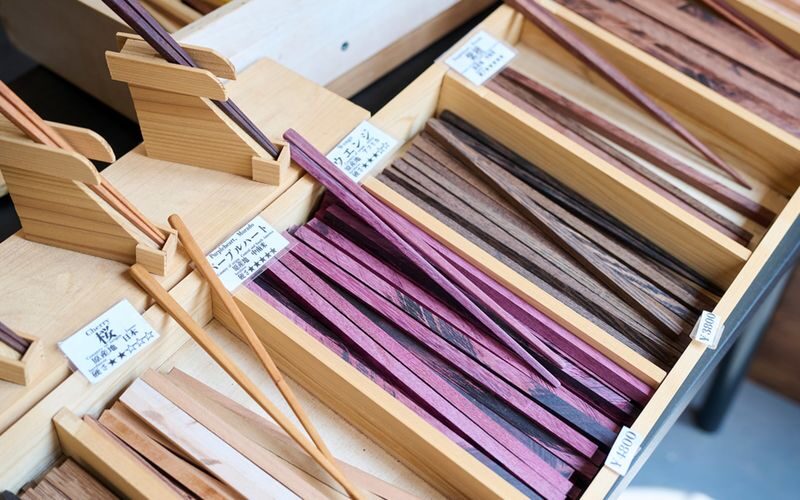
One of the most satisfying choices happens before you pick up a tool. The workshop offers 12 types of wood, selected for qualities such as color, aroma, and hardness. Those differences make the choice more than a cosmetic one: you can compare the pieces and decide which feels right for a practical object you’ll use at home.
The standard workshop includes standard wood. Visitors have described having three wood options included in the basic price, with other selections requiring an upgrade. Since the available choices and package details may differ, ask what is included before deciding on premium wood. Staff are not there to pressure you into add-ons, so you can stick with the standard option if that suits your budget.
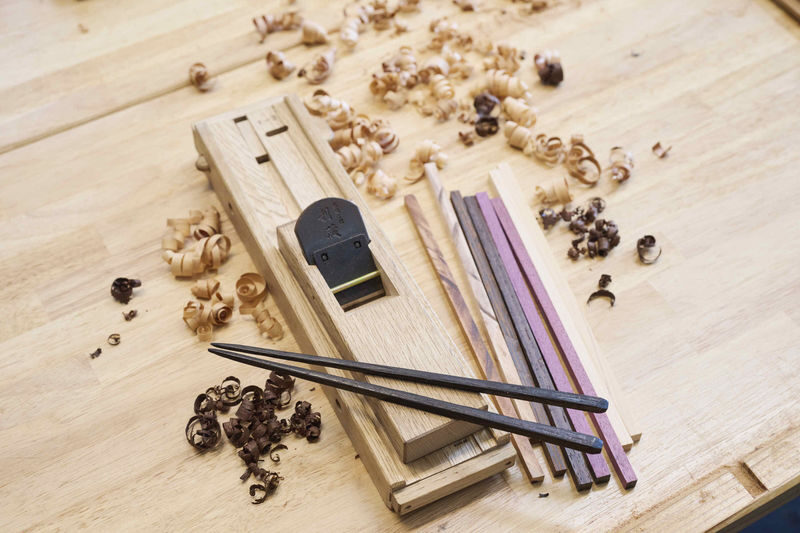
Once you’ve chosen, the instructor walks you through the making process. You shape the wood and smooth it until the pair feels finished. The tools and materials are provided, and the staff demonstrate and assist as needed. This is hands-on work, but you’re not expected to arrive with woodworking skills.
The final feel and finish will depend on how much care you want to put into the task. Some people finish within the hour; others may prefer to take their time. One participant described spending about 90 minutes, so treat the stated one-hour duration as a guide and leave a little flexibility if you have plans immediately afterward.
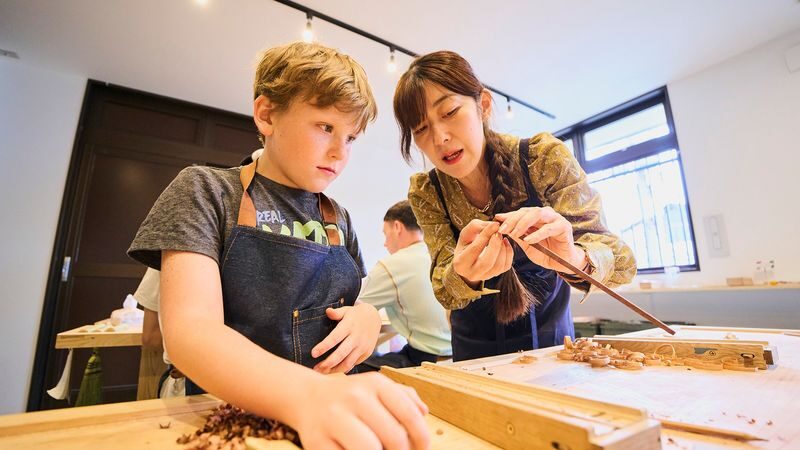
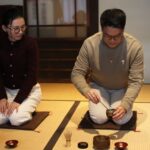
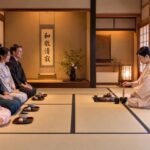
The workshop is about more than sanding wood. Your instructor also introduces the role of chopsticks in Japanese life, giving you a useful bit of cultural context to carry into meals during your stay.
The conversation can go further, depending on your instructor and questions. Mikito, for example, has discussed chopstick styles suited to different eating preferences, the structure of Japanese writing, and how to write names in Kanji and explain their meanings. That kind of exchange is not something to count on as a fixed part of every class, but it shows how the activity can become a friendly cultural conversation as well as a craft lesson.
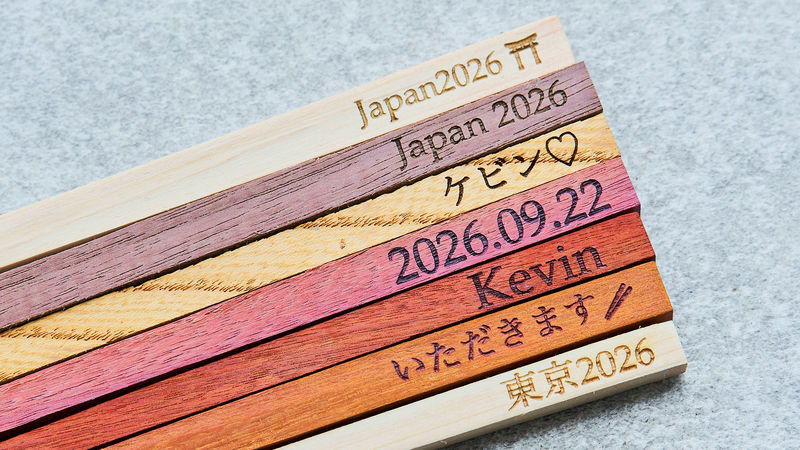
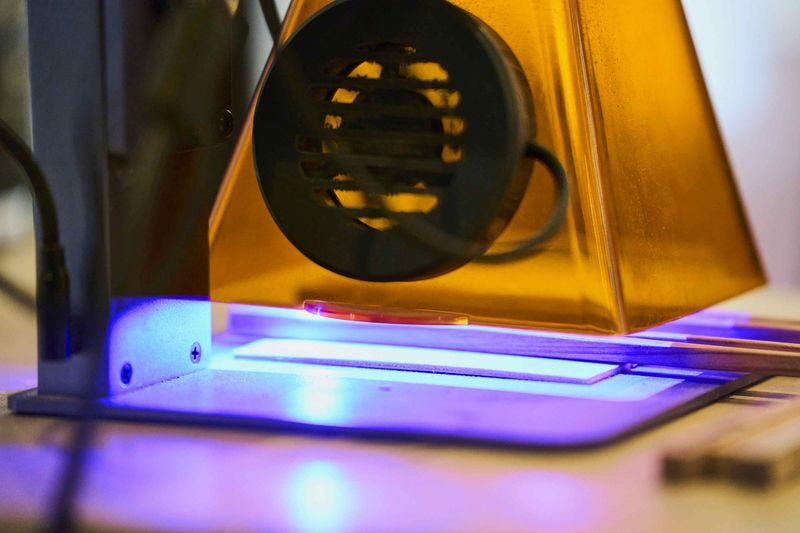
You can also ask about engraving. It is an optional paid extra, not part of the basic package. Some participants have chosen to engrave names or monikers, including Kanji names, which can make a useful souvenir feel more individual. Check the cost and options on the day before adding it.
At the end, your finished chopsticks are ready to take home the same day, beautifully wrapped. That’s a practical plus if you’re traveling with limited luggage space or need a gift that is personal without being bulky.
A short class depends on clear instruction and a welcoming pace. The staff are a big part of what makes this one approachable. Instructors named in class feedback include Cath, Lucia, Mikito, Mayumi, Sena, Sharif, and Tade. Their names are useful to know, though you should not expect to be assigned a particular person.
The qualities to look for are patience and attentive help. Cath has been praised for explaining each stage clearly, while Lucia has been described as especially helpful with couples. Families have appreciated staff who assist children and encourage them through the process. That matters when you’re working with tools and trying to make a neat, matching pair.
The workshop is also a sensible choice if you don’t speak Japanese. English-speaking guidance is included, and multilingual staff are noted. Spanish-language instruction is available through a named package. If you’re booking for a group, the activity is suitable for individuals, families, school groups, and corporate or educational groups.
The meeting point is Chopsticks Studio Kyoto, on the second floor at 3-25 Saga Tenryuji Susukinobabacho, Ukyo Ward. Use the stairs on the left side of the building to reach the studio. It’s a meet-up activity, not a tour with transport, so you’ll need to make your own way there.
You can choose a start time from 9 a.m. to 6 p.m., subject to availability for your booking. Arrive five minutes before your selected time. The end time depends on your start time and the scheduled duration, so leave a buffer before any train, meal reservation, or other fixed plan.
Because the class is in Arashiyama, it can fit neatly into a day spent in the district. It also offers a quieter counterpoint to sightseeing: after walking around, you get a seated activity with a clear beginning and end. Just don’t treat the workshop as a guided tour of the area. The staff can share tips on must-see Arashiyama spots, but the craft session itself lasts about an hour.
The advertised starting price is $6.35, making the standard class unusually accessible for a guided, hands-on activity that includes materials and a take-home item. The value comes from doing the work yourself, getting instruction, and leaving with a souvenir that has a story behind it.
The starting figure does not mean every option is included. Premium woods and engraving are extras, so the final cost can rise if you choose them. If you’re happy with the included wood and a simple finish, the standard package keeps the experience budget-friendly. If you’re set on a particular wood or personalization, confirm the additional cost before you begin.
This is not a class for producing a full set of kitchenware or learning advanced woodworking. It is a brief introduction and a modest craft project. For a low-cost, personal activity in Arashiyama, that is a fair trade. For a long lesson with extensive instruction, you may want a more substantial class.
I’d put this high on the list for families with children aged 6 or older, solo visitors looking for an activity with a local host, and anyone who prefers making a souvenir to shopping for one. The guided steps make it suitable for beginners, and the finished object is practical enough to use after the trip.
It also works for school, corporate, and educational groups, according to the activity details. For a group, the shared task gives everyone something to do without requiring prior experience. If you’re traveling with young children under 6, this activity is not suitable for them.
Craft lovers may appreciate the chance to work wood by hand, but you don’t need to be especially handy to enjoy it. The main requirement is patience: sanding and smoothing take time, and the final result improves when you don’t rush. If you’re short on time, choose a start slot that leaves room before your next commitment.
Book it if you want a short, affordable activity that combines a little Japanese cultural context with a handmade keepsake. The strongest reasons are the range of wood choices, the personal attention from the instructors, and the chance to finish with a useful pair of chopsticks rather than a souvenir that sits on a shelf.
Before booking, decide whether standard wood is enough for you, or whether you’re willing to pay extra for a premium choice or engraving. Pick a time that gives you breathing room, arrive five minutes early, and remember that the activity is for ages 6 and up. If that fits your plans, this is an easy, hands-on way to add something personal to an Arashiyama visit.
“Lucia helped my husband and I, some beautiful chopsticks! strongly recommend! ☺️🤍”
The scheduled duration is one hour. Some participants may take longer to finish to their liking, so avoid making a tight appointment immediately afterward.
Meet at Chopsticks Studio Kyoto, 2F, 3-25 Saga Tenryuji Susukinobabacho, Ukyo-ku, Kyoto. Go up the stairs on the left side of the building.
Available start times run from 9 a.m. to 6 p.m. Your selected booking time is the time you should attend, and you should arrive five minutes early.
Participants must be at least 6 years old. The activity is described as suitable for families, and staff guidance is provided during the process.
No. The standard workshop includes standard wood. Premium wood upgrades and engraving are optional extras.
A full refund is available if you cancel at least 24 hours before the activity date, based on local time. Late arrivals of 15 minutes or more and no-shows are not eligible for refunds.