Physical Address
304 North Cardinal St.
Dorchester Center, MA 02124
Physical Address
304 North Cardinal St.
Dorchester Center, MA 02124

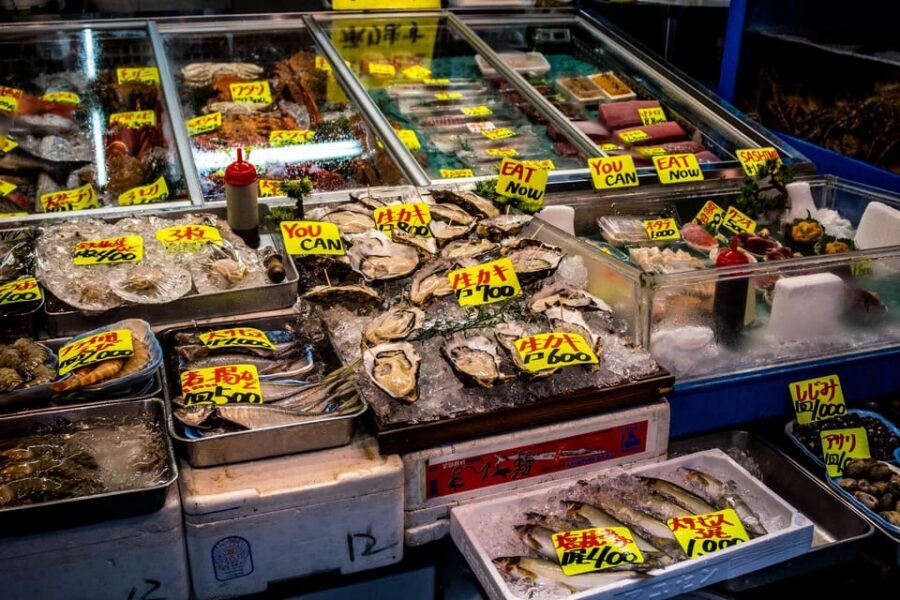
Taste your way through Tsukiji’s food stalls with a small-group guide, from Wagyu skewers and sushi to market history and local food customs.
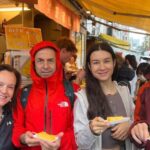
Tsukiji is best approached with an appetite and a guide who can help you make sense of its close-packed stalls. I like that this three-hour food walk pairs tastings such as Wagyu beef and sushi with an introduction to Tokyo’s market culture. I also like the small group size, capped at eight, which makes it easier to ask questions and keep together in the crowd.
One thing to plan around: the fish market and some food stalls close on Wednesdays, Sundays and other market holidays. On those days, the route may still run, but omelet, fish cake and fruit are not available, so check the calendar before you book.
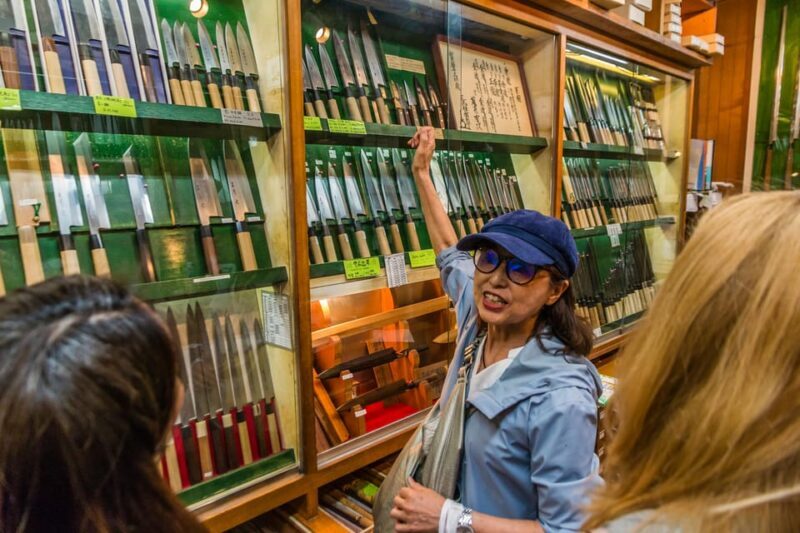
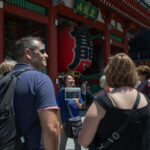
The meeting point is the main gate of Tsukiji Honganji, a useful landmark before you head into a market where the lanes can feel like a puzzle. The temple also gives your guide a natural place to introduce the neighborhood and its past. Some guides add a short explanation of temple or shrine customs, so you may get a bit of cultural context before the first bite.
Be there on time and wear comfortable shoes. The tour involves a moderate amount of walking, and the market’s lanes are busy enough that keeping up with the group matters. The planned route returns to the temple near Tsukiji Station, so you finish where you started.
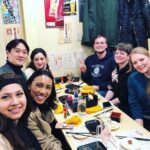
The group limit of eight is one of the tour’s practical strengths. Tsukiji can be crowded, and a smaller group is easier to move through than a large party. It also gives you a better chance to hear the guide and ask about unfamiliar ingredients or how to order at a stall.
If you enjoy exploring Tokyo on foot, these walking tours might also suit your style
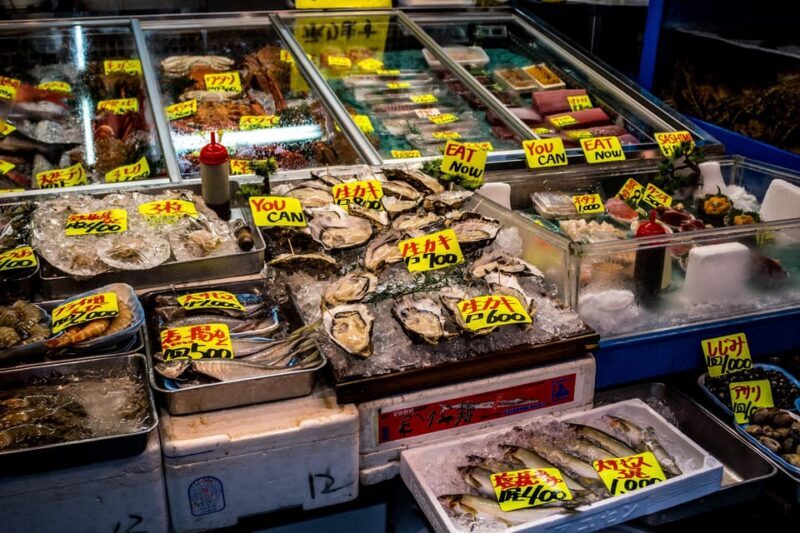
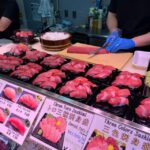
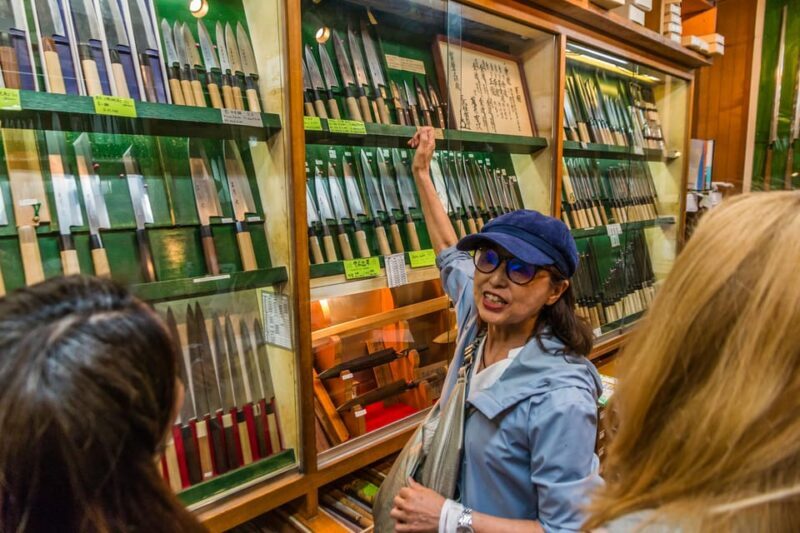
The main part of the tour takes place in Tsukiji Outer Market, a cluster of food shops and vendors selling fish, shellfish, prepared snacks, produce and kitchen goods. The old wholesale fish market has moved to Toyosu, but Tsukiji remains a lively place to see how seafood and other ingredients are sold and used. Top chefs still come to the area for fresh supplies, and your guide can explain what makes the market useful to local cooks.
A guide’s value here is not just knowing which stall to visit. With so many choices close together, it can be hard to tell what is a specialty, what is worth trying and what might suit your taste. Guides such as Shun, Nazu, Robert and Yoshiko have been praised for explaining the market and helping make interactions with vendors easier. The exact guide will depend on your departure, but English-language guiding is included.
The stated plan centers on the outer market. Some routes may include a view or visit connected with the wholesale fish market, but do not assume you will enter areas that are closed to the public or open only on certain days. The Uogashi wholesaler market is closed on Wednesdays, Sundays and other designated closure days, and some outer-market shops also close then.
That makes the day of your visit important. If you want the fullest choice of stalls and included samples, avoid a Wednesday, Sunday or market holiday. Even on an open day, individual businesses may change hours or availability, so the route and food selection can vary.
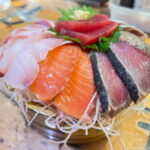
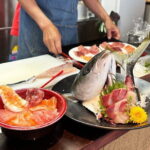
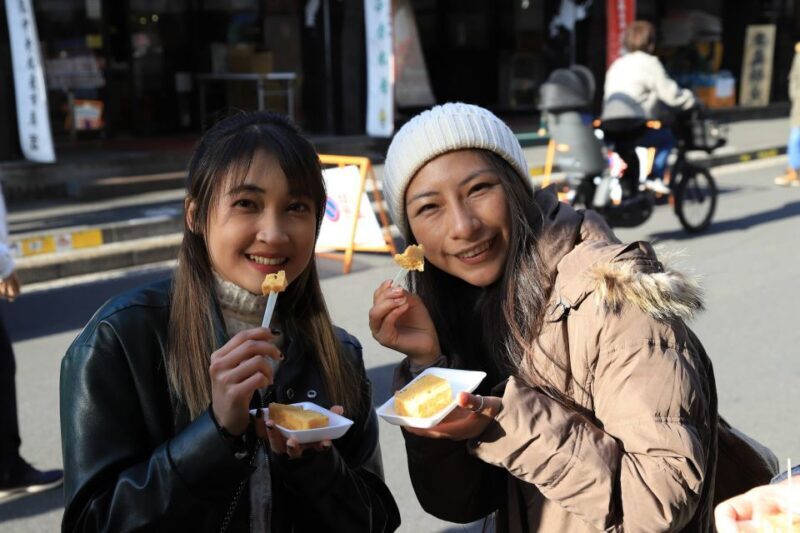
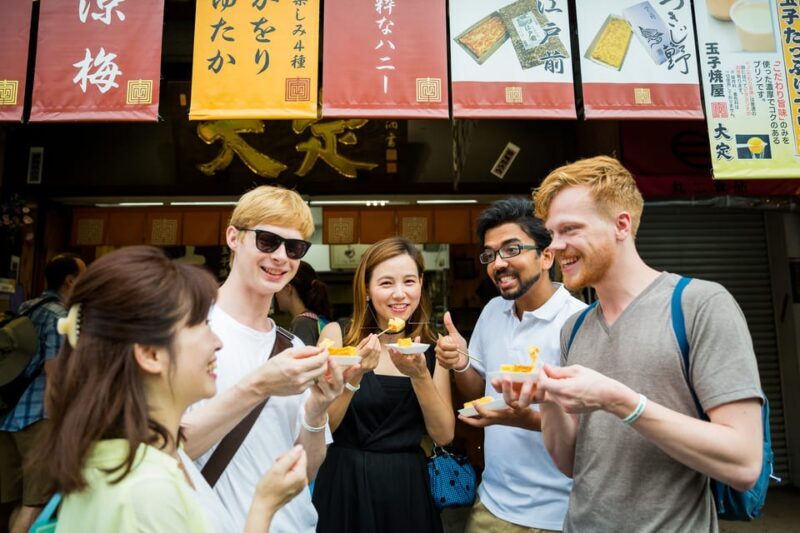
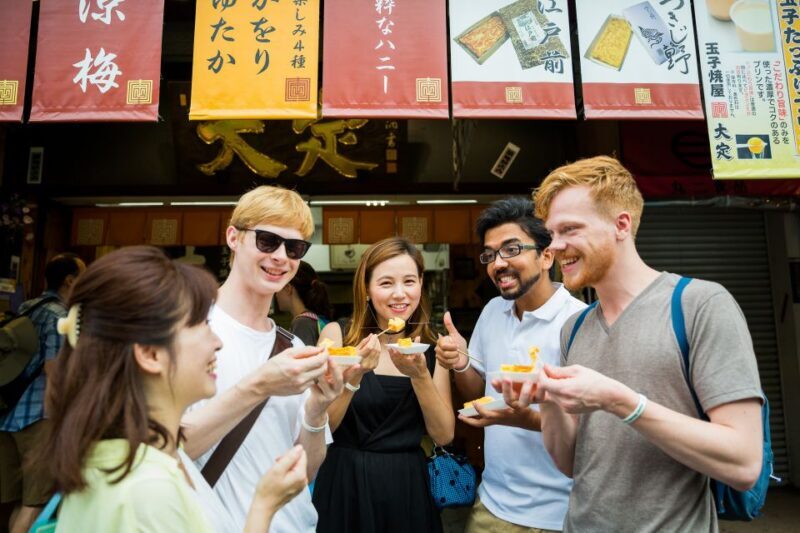
The included food is a key part of the price. The planned menu features a high-grade Wagyu beef skewer, Japanese omelet, fried fish cake, seasonal fruit and a final serving of sushi or a fresh fish bowl. The final dish depends on the day, and the restaurant may offer an alternative if it has to close unexpectedly.
The Wagyu skewer is often a highlight. It gives you a chance to try a prized cut in a simple street-food portion, without committing to a full restaurant meal. The seafood at the end provides a different kind of tasting: a chef may prepare the fish in front of the group, then serve it as sushi or a bowl, depending on what is available.
Between those stops, your guide may offer other tastes or point out foods to buy. The set menu is not a promise of every item you might see in the market, and tastings can vary with the day. If you want to try something beyond the included foods, bring money for extra purchases.
This is more than a few token samples. The snacks build into a substantial morning meal, and some people may be comfortably full by the time the final fish dish arrives. If you have a light appetite, pace yourself and tell the guide early; if you’re keen to sample broadly, arrive hungry.
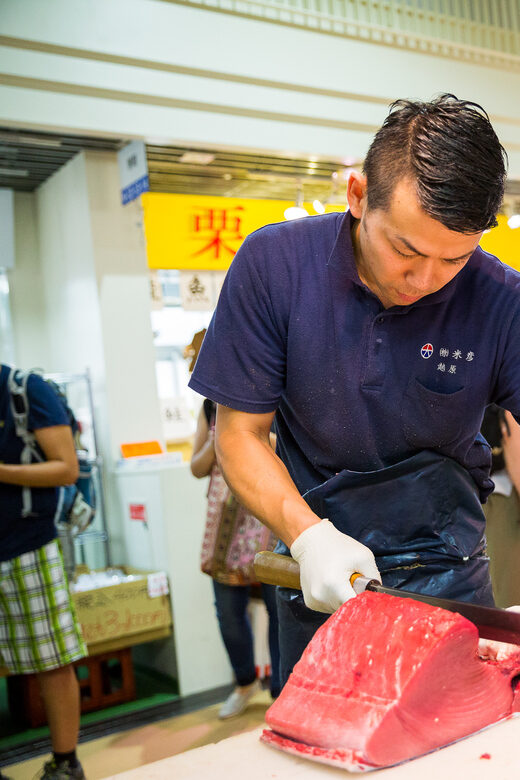
The tastings make more sense when you understand the habits behind them. Your guide can explain what local cooks look for, how the market fits into Tokyo’s food supply and how to approach a stall. That context is especially useful if you are new to Japanese food or uncertain about ordering unfamiliar items.
The tour also gives you a low-pressure way to try foods you might otherwise pass by. A guide can introduce a fish cake or seafood dish, explain what it is and help you decide whether to take a taste. You are not expected to know the names or customs beforehand.
The experience is still primarily a food walk, not a long lecture. The pace leaves room to look around and ask questions, but the amount of historical detail may depend on your guide and the market conditions. If you want a deep study of Tokyo’s fish trade, this is better treated as an accessible introduction than a specialist market tour.
More Great Tours Nearby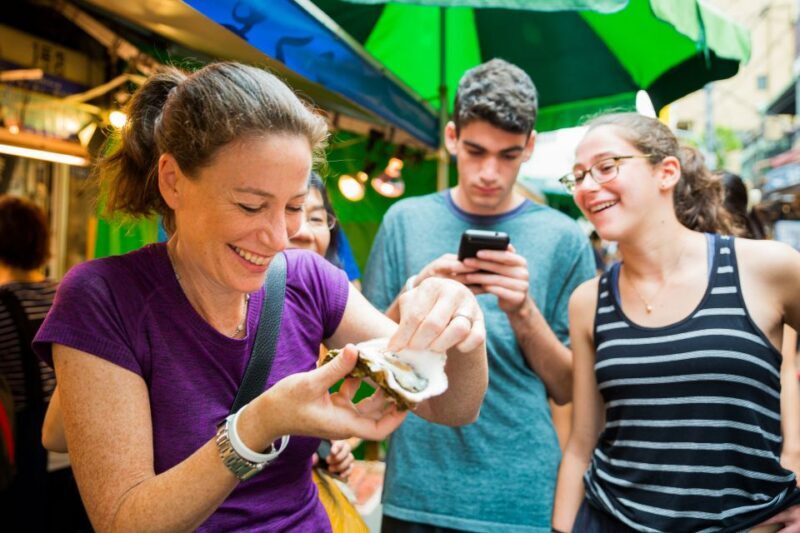
At $96 per person, this is not the cheapest way to eat around Tsukiji. You could buy snacks on your own for less. What you are paying for is a three-hour guided route, a small group, a set of included tastings and help understanding a place that can be crowded and confusing on a first visit.
The value is strongest if you want to sample several foods without spending your time choosing stalls or guessing what to order. The guide adds local context, and the final sushi or seafood bowl makes the tour feel like a proper meal rather than a quick walk with a couple of bites. If you are confident navigating the market and prefer to choose every dish yourself, independent exploring may suit you better.
Budget extra for any additional food or drinks. The listed inclusions do not include alcohol, and drinks such as sake or beer may cost extra. The minimum drinking age is 20.
For more Tokyo culinary adventures, you might enjoy these food and drink experiences
Check the market calendar before choosing a date. On Wednesdays, Sundays and other market closure days, the wholesale market is shut, and the Japanese omelet, fish cake and seasonal fruit cannot be served because their shops are closed. Sushi or a seafood bowl is served depending on the day, and the restaurant may provide an alternative if it closes unexpectedly.
This tour is not suitable for vegans or vegetarians, and the provider cannot accommodate vegetarian, halal or gluten-free requests. The menu is built around seafood and other animal products, so it is not a good fit if you need a restricted diet. If you have an allergy or another food concern, do not assume a substitution will be available.
Wear comfortable clothes and shoes, and bring a camera if you want photos of the market. Expect some walking and crowding. The tour is not suitable for wheelchair users or people with mobility impairments.
I’d choose this tour for a first visit to Tsukiji, especially if you want a guided introduction to Japanese market food and prefer to learn by tasting. It also works well early in a Tokyo stay: you can ask your guide for food suggestions and get a feel for the area before exploring other markets or restaurants on your own.
It suits curious eaters who enjoy seafood, meat and informal food stalls. Families with older children who can manage the walking may appreciate the variety, but the tour is not designed for every diet or mobility need. If your main goal is a quiet stroll, a market this busy may not be your ideal outing.
Leave time after the tour if a particular stall catches your eye. The guided route helps you cover a lot, but you may want to return to a shop or dish that interested you and buy more at your own pace.
Book if you want a compact, guided introduction to Tsukiji, with enough tastings to make a meal and a small group that can move through the market together. For the best chance at the full range of listed foods, choose a day when the market is open. Skip it if you need vegetarian, vegan, halal or gluten-free food, or if moderate walking is a problem. At $96, the tour’s value lies in its guide, tastings and local context, not in getting the lowest possible price per bite.
“Excellent tour! Kenji, our guide, showed us all the best places for authentic delicious street food and was also able to tell some fun facts along …”
Meet your guide at the main gate of Tsukiji Honganji Temple. The tour returns to the same temple.
The walking tour lasts three hours.
The planned menu includes a Wagyu beef skewer, fresh fish bowl or sushi, Japanese omelet, seasonal fruit and fried fish cake. The final seafood dish depends on the day.
The tour may run, but the fish market and some shops are closed on Wednesdays, Sundays and other market closure days. The omelet, fish cake and fruit cannot be served when their shops are closed.
No. Vegetarian, vegan, halal and gluten-free requests cannot be accommodated.
No. The tour involves a moderate amount of walking and is not suitable for wheelchair users or people with mobility impairments.
You can check availability for your dates here: