Physical Address
304 North Cardinal St.
Dorchester Center, MA 02124
Physical Address
304 North Cardinal St.
Dorchester Center, MA 02124

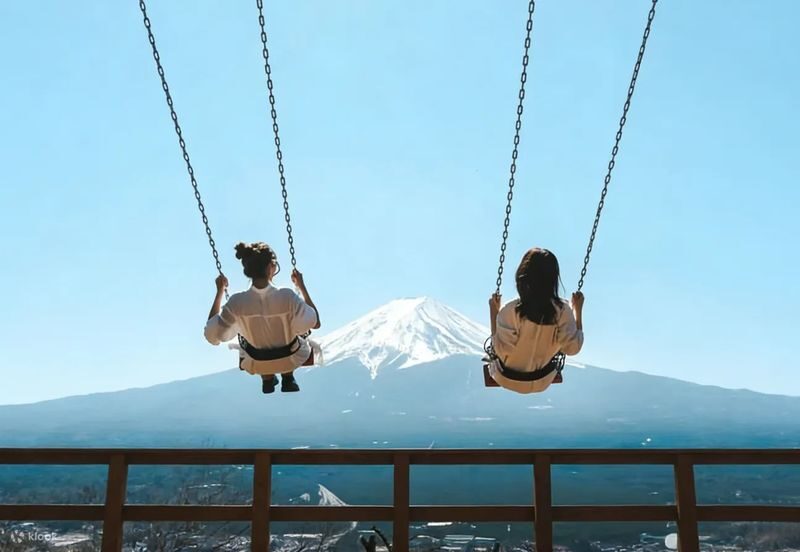
Compare Fuji viewpoints, lakeside parks and photo stops on a budget-friendly Tokyo day trip, with a ropeway ticket and practical advice on timing.
Mount Fuji is the star, but this 10.5-hour trip is really a string of different Fuji angles: from above Lake Kawaguchi, beside the Chureito Pagoda and across a lakeside park. The ropeway ticket is included, so you can reach a broad view without arranging local transport yourself.
I like two things here: the route pairs famous photo spots with the older streets of Fujiyoshida, and the bus carries you between them instead of making you piece together several train and bus connections. Guides such as Aoki, Yuri and Serina have been praised for clear explanations, photo help and keeping the day moving.
The catch is that the timetable is tight and Mount Fuji is not on command. Clouds can hide the peak, traffic can cut into stop times, and the operator may change the route. This is a good-value sampler, not a leisurely visit to the Fuji Five Lakes area.
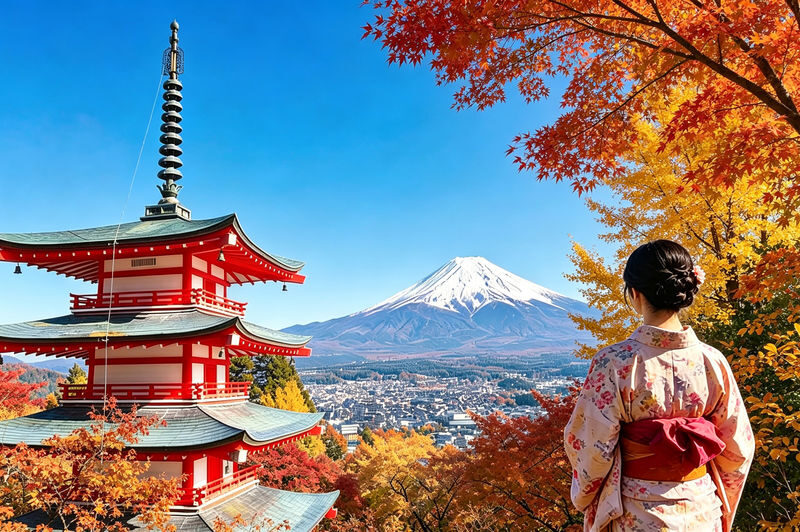
This outing is designed to show you several sides of the Mount Fuji area in one day. The ropeway, lakefront, pagoda viewpoint and Fujiyoshida streets each provide a different frame, and the bus makes the geography manageable from Tokyo.
At the advertised starting price of $49.29, the package can be strong value if you want transport and the ropeway arranged together. The price is a starting point, though, and options differ. Check the exact package, departure point, group size and language before booking. Meals, drinks, personal expenses, tips and insurance are not included.
I would choose this tour if you want variety and a simple way to reach several well-known photo stops. If you want long walks, a quiet lakeside afternoon or time to linger wherever the light is best, the fixed schedule will feel brisk.
You can meet at Tokyo Station’s Marunouchi North Exit at 07:20, for a 07:30 departure, or at the entrance to Mitsui Sumitomo Bank by Shinjuku West Exit at 07:50, for an 08:00 departure. Arrive ten minutes early. Late arrivals and no-shows are not refundable, so treat the meeting time as firm.
The journey to the Fuji area is by shared vehicle. You can rest between stops, but the road trip is a substantial part of the day, and weekend or holiday traffic may add hours. The estimated return is 18:00 at Tokyo Station; do not schedule an evening activity that depends on arriving at that exact time.
Package details matter. The choices include English or Chinese tours, a nine-person small group, a small group with hotel pickup and drop-off, and a private seven-seat Alphard charter. The operator says vehicle size depends on the number of people. For groups under 12, a smaller vehicle may have a driver only, without a separate tour guide; larger groups are assigned a driver and guide. If hearing commentary throughout the ride matters to you, confirm the arrangement for your chosen package.
Looking for more options in Fujiyoshida? Here are some other experiences worth considering.
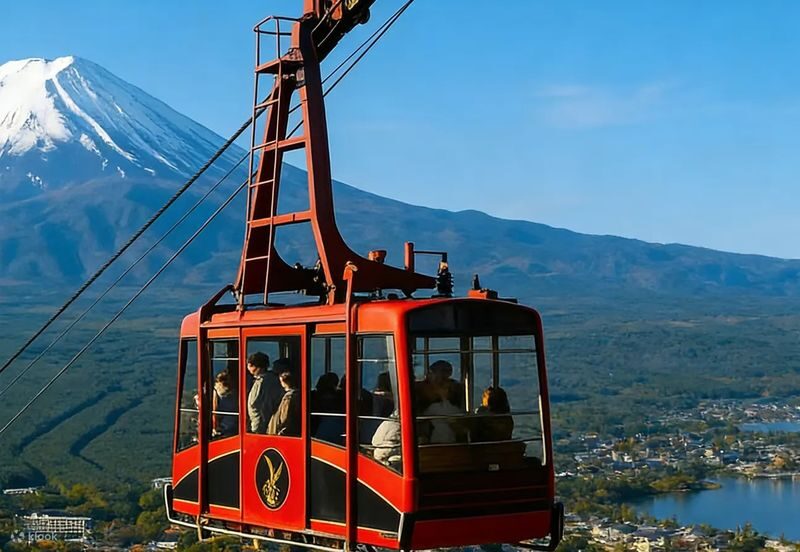
The first major stop is scheduled for around 10:00, with about 90 minutes at the Tenjozan ropeway and observation area. The ride takes you up above Lake Kawaguchi, where the view combines the lake and Mount Fuji in a single sweep. It is a useful early stop: you get the broad geography before moving on to closer viewpoints and town streets.
The ropeway ticket is included. But weather, capacity and operating conditions can affect the visit. If the ropeway is closed, the stated alternatives are a Tenjo-san boat cruise or a refund of 600 yen per person. The attraction is scheduled to be closed from May 11 to July 15, 2026, and December 7 to December 18, 2026. Check the operating plan for your date rather than assuming the ride will run.
Ninety minutes sounds generous until you account for boarding, queues and the return ride. Keep an eye on the meeting time your guide gives you. The view is the point, but you do not want to spend so long arranging a perfect photograph that you miss the next departure.
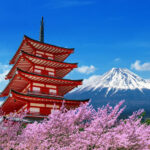
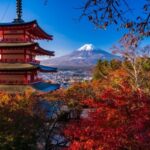
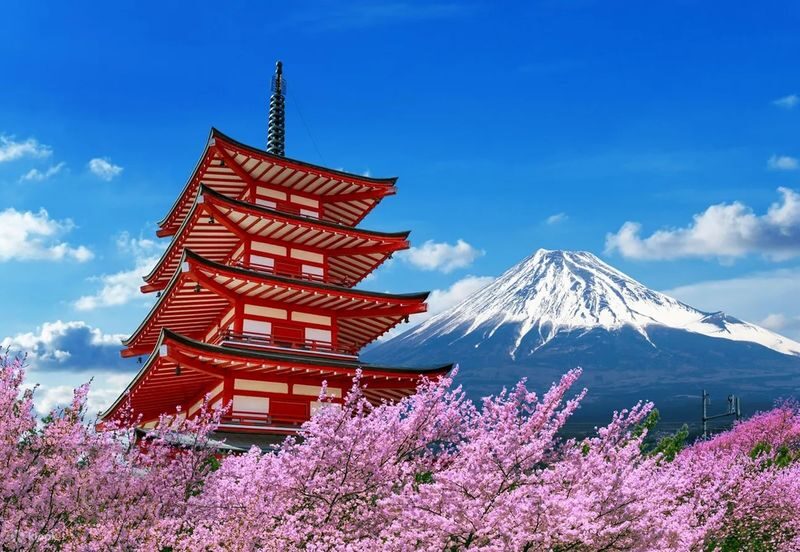
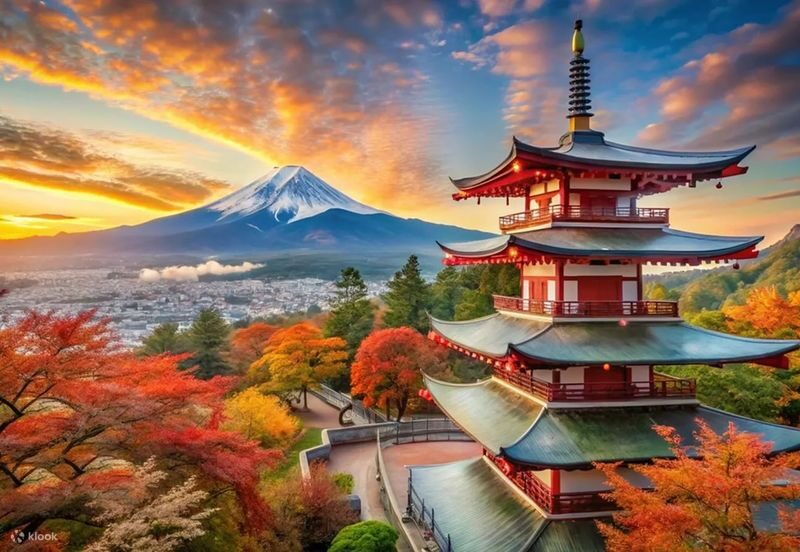
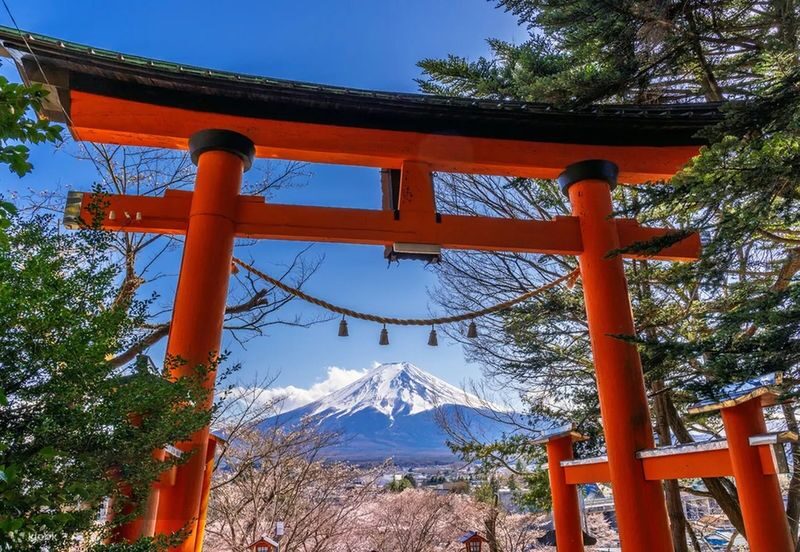
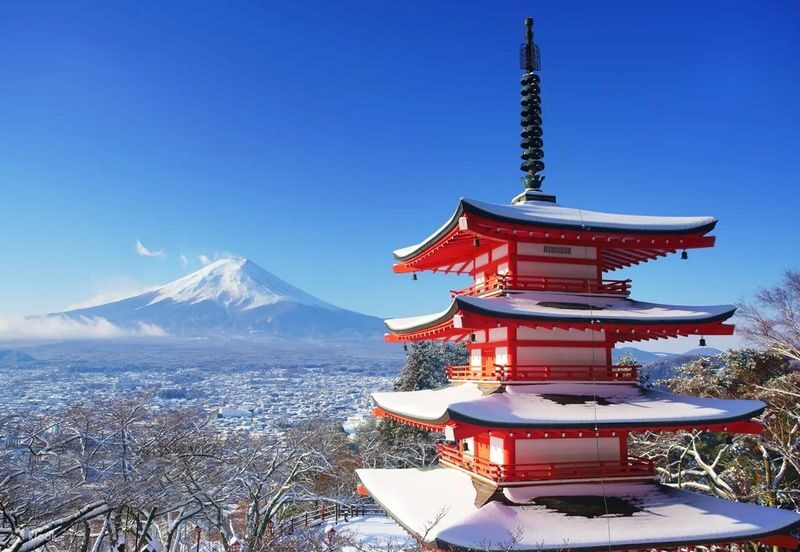
Around 11:45, the bus is scheduled to stop for about 90 minutes at Arakurayama Sengen Park. This is the classic composition many people picture when they think of Fuji: the mountain behind Chureito Pagoda, with the town below. The park also includes Arakura Fuji Sengen Shrine.
Getting to the observation deck means climbing. The effort is part of the visit, so wear shoes you can manage on stairs and allow for a slower pace if hills are difficult for you. The viewpoint can be crowded, especially in popular flower seasons, and your time here is limited. Follow your guide’s instructions about where and when to meet back.
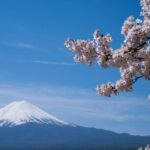
Spring cherry blossoms and autumn leaves can add color, but seasonal timing varies with weather. The route may also be adjusted for crowds, capacity or conditions. If Fuji is clouded over, the pagoda and surrounding town are still there, but the defining mountain view may not be.
Lunch is not included, and there is no guaranteed restaurant stop with a fixed duration. The guide may recommend places, but you are free to choose a convenience-store bento or bring your own food. Meal timing and prices can change, and the stop may be cancelled if most people do not need it or traffic has disrupted the schedule.
I would carry a snack and some cash rather than count on a long sit-down meal. The bus rules say sealed light snacks and unopened drinks may be brought on board, but eating is not allowed inside the vehicle. Keep food packed for the stop, not for the ride.
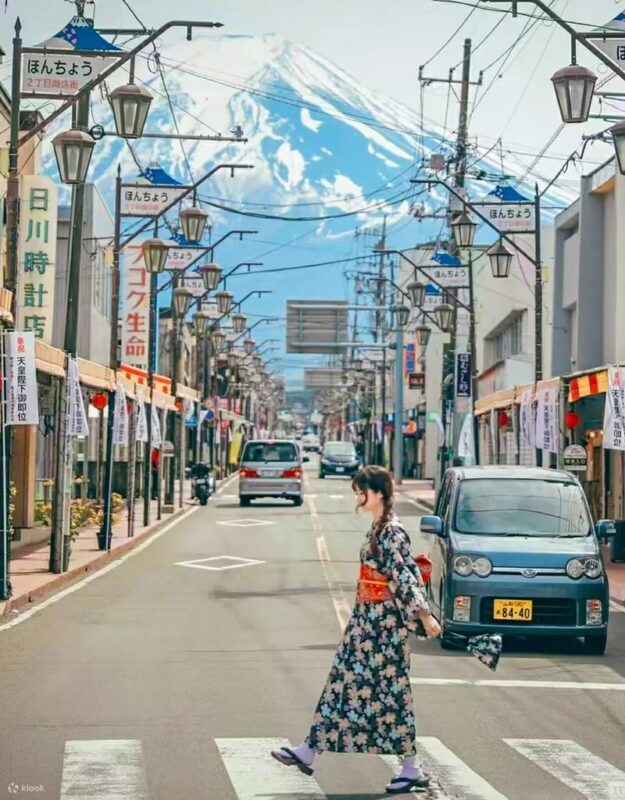
At about 13:30, the itinerary allows 20 minutes near Hikawa Clock Shop. This is a short photo stop on a street that looks toward Mount Fuji, with older shopfronts and a Showa-era feel. It offers a change of pace from formal viewpoints: instead of standing at a lookout, you see the mountain set against an everyday town street.
Twenty minutes is enough for a quick walk and photos, not a leisurely browse. Be considerate while taking pictures, especially near shops and people going about their day. The street is a living part of town, not a set built for cameras.
Shoppers can discover Fujiyoshida's markets and boutiques through these guided experiences
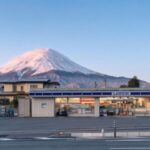
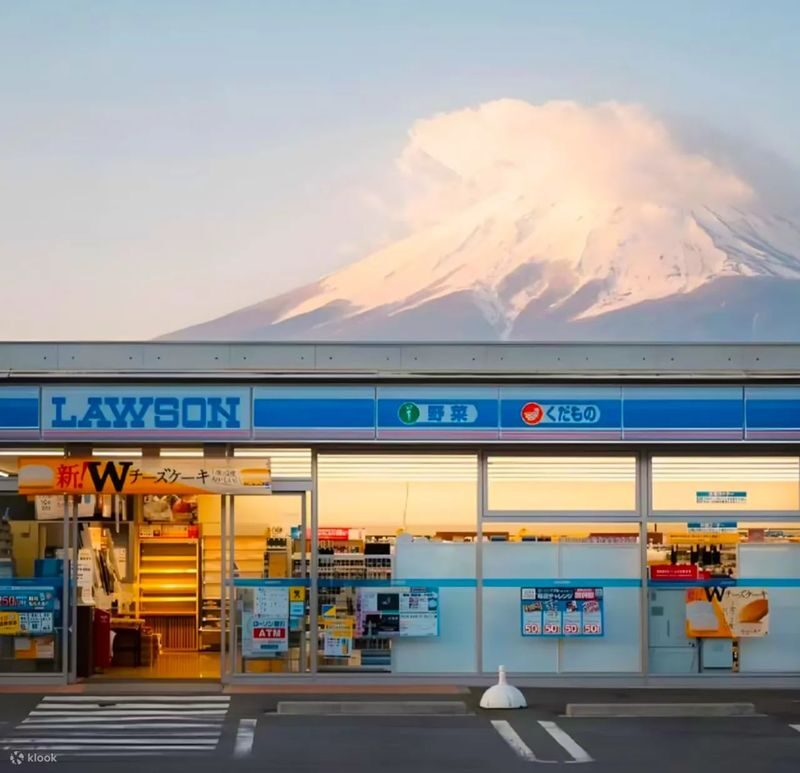
The Lawson Fujikawaguchiko Town Hall stop is scheduled for about 14:10 and lasts 20 minutes. The appeal is the striking contrast of a familiar convenience store against the mountain backdrop. It is a quick photo opportunity, not a major cultural visit.
Keep the stop brief and follow any guidance from your tour leader. Crowds and local conditions can affect access, and the overall day is timed. If Fuji is visible, you may get the shot you came for; if not, the stop is still a short pause rather than a reason to expect a clear view.
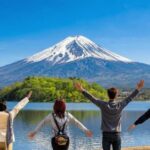
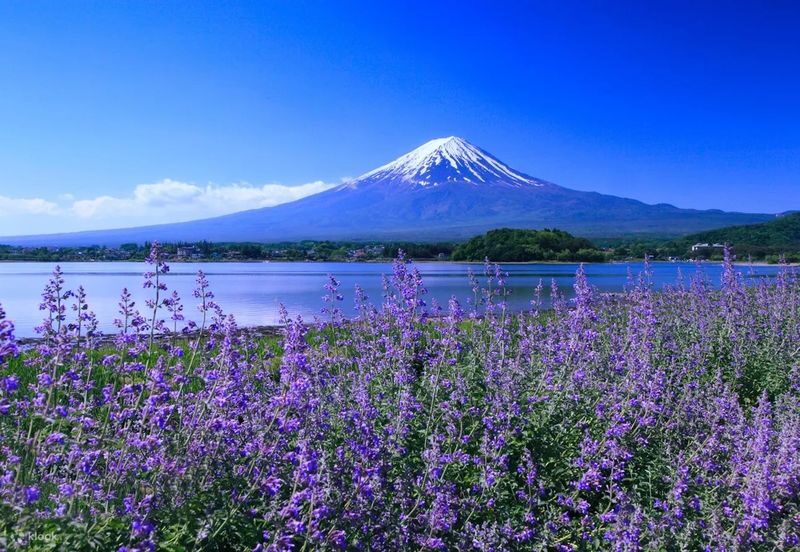
Oishi Park is scheduled for around 14:50, with roughly 40 minutes to walk by Lake Kawaguchi and take in the Fuji view. The park is known for seasonal plantings: lavender in summer, cherry blossoms in spring, autumn foliage and winter scenery. The colors vary by date and weather, so promotional images are best treated as examples of peak conditions, not a guarantee.
The lakeside setting makes this stop feel more relaxed than the street and pagoda photo points, though 40 minutes still limits how far you can wander. The Natural Living Center is associated with this area, but the scheduled visit is to Oishi Park; do not assume the itinerary includes a long visit to every nearby attraction.
From March 28 to April 12, the planned stop changes from Oishi Park to the Lake Kawaguchi Cherry Blossom Festival. From October 20 to November 23, it changes to the Maple Corridor. Seasonal dates are estimates, and the actual display depends on nature.
The strongest practical advantage of a guided outing is having someone manage meeting times, route changes and the handoffs between stops. Guides named in tour accounts include Aoki, Yuri and Serina, but the assigned person will vary. Specific praise has focused on clear explanations, helpful reminders, photo assistance and a calm response when traffic forced changes.
The guide may also recommend local meals and specialties, but consumption is not compulsory. Do not mistake a helpful suggestion for an included meal or a set tasting. The tour’s value comes mainly from transport, the ropeway ticket and the number of stops covered.
One detail to confirm is whether your package has a dedicated guide. As noted, smaller groups may travel with a driver only. The booking options describe English- and Chinese-speaking guide packages, but vehicle staffing can vary by group size, so check the exact terms rather than relying on the general label.
The starting price is appealing for a full day out of Tokyo, particularly because round-trip transfers, tolls, parking, fuel and the ropeway fee are included. You avoid buying separate regional transport and working out how to connect the viewpoints. That convenience matters most if you have limited time in Japan or prefer not to navigate several local transfers.
The trade-off is control. This is a shared, fixed-route tour, not a private day in the countryside. Stop lengths are set, the order may change, and the operator can shorten or skip attractions due to traffic, weather, capacity or vehicle-hour limits. The tour may reach Tokyo two to five hours late on busy days, so protect your evening plans.
And there is no guarantee of a clear Fuji. The mountain can disappear behind clouds, even when the forecast looks promising. A clear day turns the route into a string of excellent viewpoints; a cloudy one leaves you with parks, town scenes and the ropeway ride, but less of the mountain that gives the tour its name.
The trip runs about 10.5 hours, with a stated schedule from roughly 07:20 to 18:00. Actual timing can shift. Check your email the evening before for the meeting time, vehicle details, guide information and contact instructions, including any LINE group link. Keep your phone available on the day.
Lunch and drinks are extra. Insurance is not included, so arrange your own cover if you want it. Bring sunscreen, sunglasses, a hat and cash, and dress for the day’s forecast. Motion-sickness preparation is sensible if long road journeys affect you.
Children aged 3 and older pay the adult rate and must travel with a paying adult if under 18. Children aged 0 to 2 may ride free only if they do not occupy a seat, but participation is not recommended; tell the operator in advance. A seat for a child under two requires a paid ticket. The supplied terms also say seniors aged 70 and older should present a medical certificate, and separately advise those aged 65 and older to be fit for the trip and accompanied by an adult family member or friend. Ask the operator to clarify which rule applies to your party.
Large luggage is not included in the allowance, which is listed as zero standard-sized pieces. Tell the operator before booking if you need to bring it. The terms also exclude participation for certain health conditions, including heart disease, high blood pressure, asthma, epilepsy and acrophobia, and advise against participation during pregnancy. Check the full restrictions before paying.
Book it if you want a convenient, photo-focused introduction to the Fuji area and are comfortable with an early start, shared transport and short stops. The mix of ropeway, pagoda, old-town street and lakefront gives you more variety than a single-viewpoint outing, and the included transport makes the low starting price useful.
Skip it if you want a slow day, guaranteed clear mountain views or freedom to change plans on the spot. For the best chance of seeing Fuji, choose a date with a favorable forecast if your schedule allows, but keep expectations flexible. This tour is most rewarding when you value a full sampler and accept that weather and traffic get a vote.
“It has been a very pleasant experience for a very affordable price ❤️ Yuri has been a super kind person, her English is very easy to understand…”
You can meet at Tokyo Station’s Marunouchi North Exit at 07:20, with departure at 07:30, or at the entrance of Mitsui Sumitomo Bank by Shinjuku West Exit at 07:50, with departure at 08:00. Arrive ten minutes early.
Yes. Admission to Kawaguchiko Tenjozan Park, including the ropeway fee, is included. If the ropeway is closed, the stated alternatives are a Tenjo-san boat cruise or a refund of 600 yen per person.
No. You pay for your own meals and drinks. You can bring food, buy a convenience-store bento or choose a restaurant recommended by the guide. The meal stop may change or be cancelled depending on the day’s arrangements.
The scheduled stops include the Tenjozan ropeway and observation area, Arakurayama Sengen Park and Chureito Pagoda, Hikawa Clock Shop street, Lawson Fujikawaguchiko Town Hall and Oishi Park. Seasonal substitutions may replace Oishi Park with the Lake Kawaguchi Cherry Blossom Festival or Maple Corridor.
No. Visibility depends on weather, and the mountain may be hidden by clouds. The tour may also change its route or shorten stops due to weather, traffic or capacity.
The 18:00 arrival at Tokyo Station is an estimate. Traffic and weather can cause substantial delays, with holiday and weekend journeys sometimes running two to five hours late. Avoid booking evening activities that require a timely return.
The stated luggage allowance is zero standard-sized bags, so contact the operator before booking if you need to bring luggage. Children aged 0 to 2 can ride free only if they do not use a seat, and the operator asks that you notify them in advance. A child who needs a seat must have a paid ticket.