Physical Address
304 North Cardinal St.
Dorchester Center, MA 02124
Physical Address
304 North Cardinal St.
Dorchester Center, MA 02124

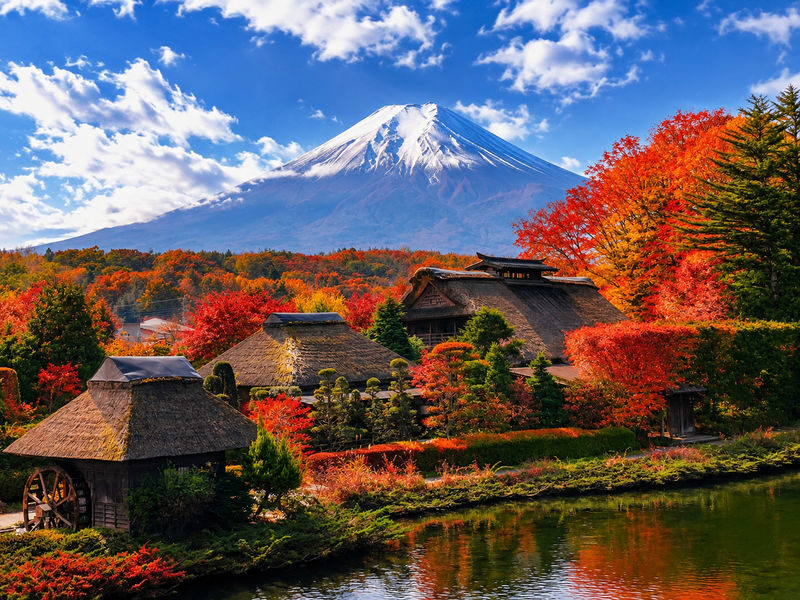
Compare Fuji’s best-known viewpoints on a 10.5-hour Tokyo coach tour, with shrine steps, lake scenery, spring ponds, and optional lunch.
Fuji is the star, but this day trip gives you several different ways to see the mountain: above a lake, behind a red pagoda, and beyond a village of clear spring ponds. You also avoid piecing together a day of train and bus connections from Tokyo.
I like the mix of classic viewpoints and small-town scenery, and the choice to add a regional lunch rather than hunt for food between stops. The main trade-off is time: five stops in one day means brief visits, and traffic or a queue at the pagoda can make the schedule feel especially tight.
This 10.5-hour outing is built for people who want to see several Fuji-area highlights in a single day without managing separate rail and bus legs. The coach departs Tokyo in the morning and is scheduled to return to Shinjuku Station at 18:10. Round-trip transfers, tolls, tax, and an English- or Chinese-speaking guide are included.
That convenience is the tour’s main value. The Fuji region’s sights are spread out, and a day trip by public transport requires planning around connections and local schedules. Here, you get one vehicle and a guide to keep the group moving. The trade-off is less freedom: you follow the day’s route and have a set time at each stop.
The group size can range from one to 49 people. That is a wide range, so the pace and feel of the day may differ depending on the departure. Guides vary, too. Guides named in past trips include Mits or Mitsuko, Omar, Koji, Yuki, and Chen, but you should not count on any particular person.
An optional complimentary Tokyo open-top bus ride is part of the offer, but seats are limited. It can be unavailable because of capacity or operational issues, with no refund or cash equivalent if you cannot use it. Think of it as a possible extra, not a reason to book the Fuji tour.

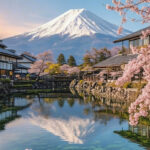
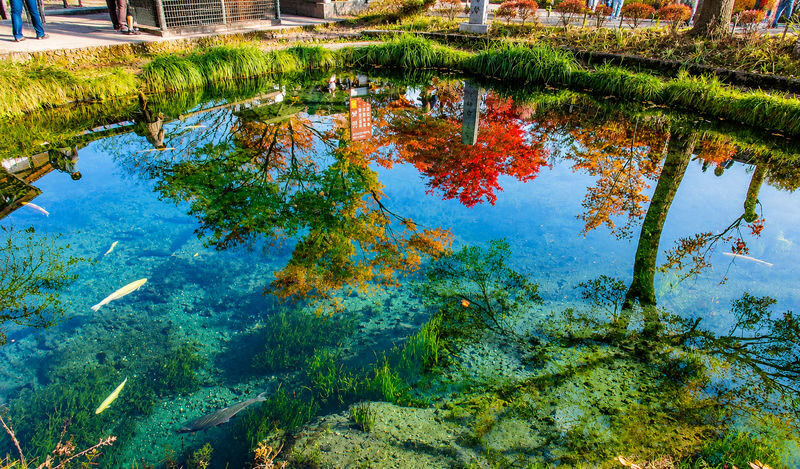
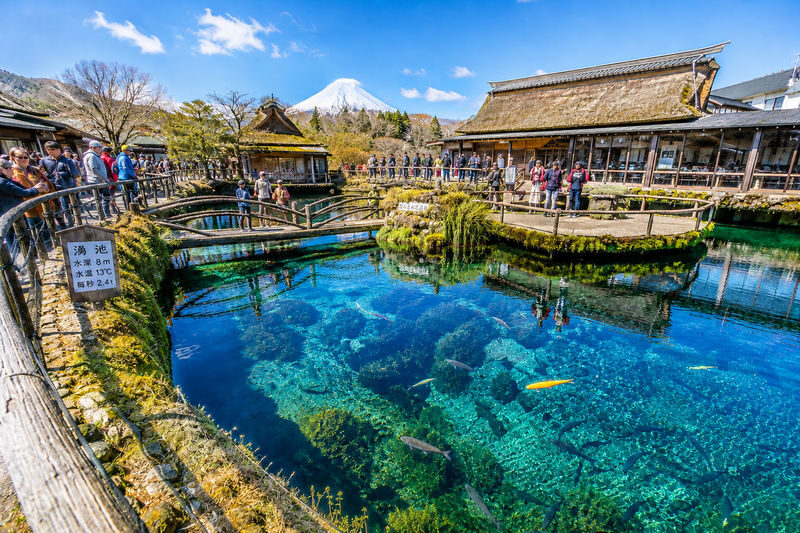
The first scheduled stop is Oshino Hakkai, where you have 50 minutes to explore on your own. Its eight clear ponds are fed by Mount Fuji’s snowmelt, and the traditional village setting gives this stop a different feel from the lakeside parks and photo spots later in the day.
I like that it is more than a quick mountain backdrop. The ponds offer a close look at water that has filtered through Fuji’s volcanic ground, while the surrounding village scenery makes for a pleasant change from Tokyo. But 50 minutes is not a long village visit. Keep an eye on the time, especially if you want to look around several ponds or pause for photos.
Looking for more options in Fujiyoshida? Here are some other experiences worth considering.
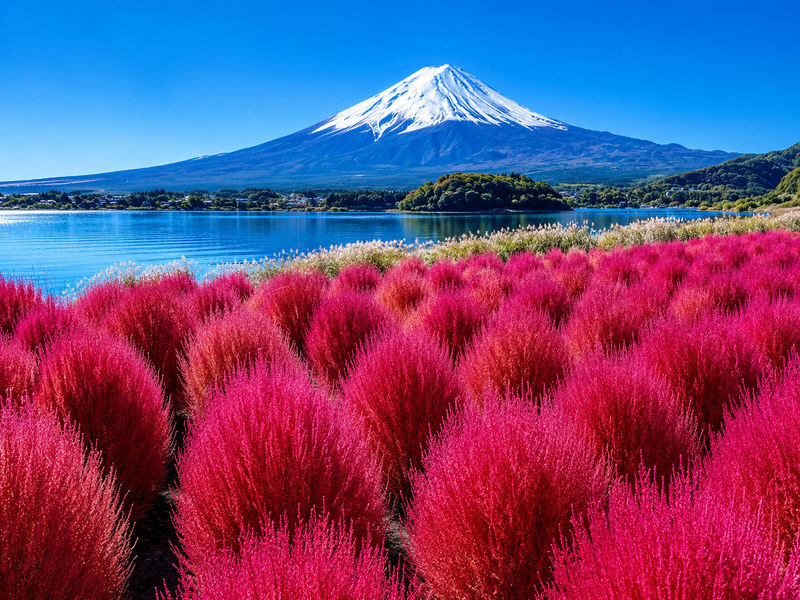
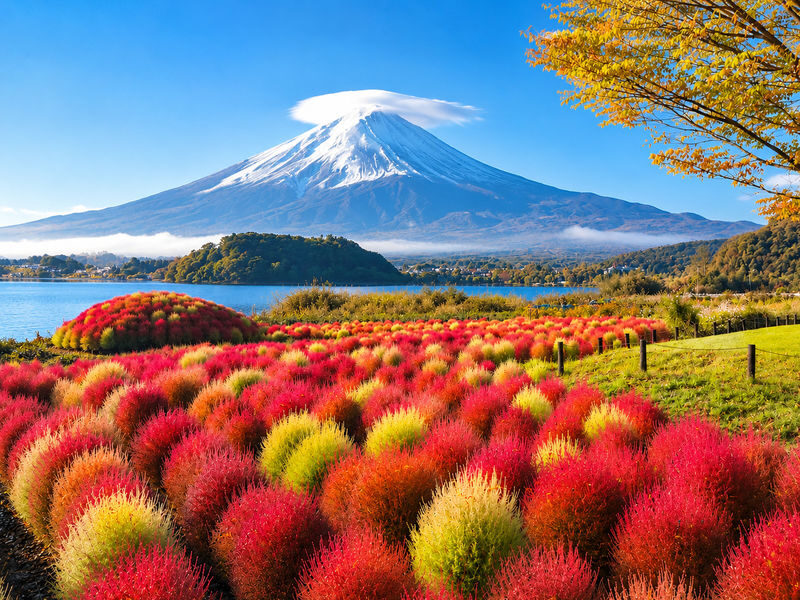
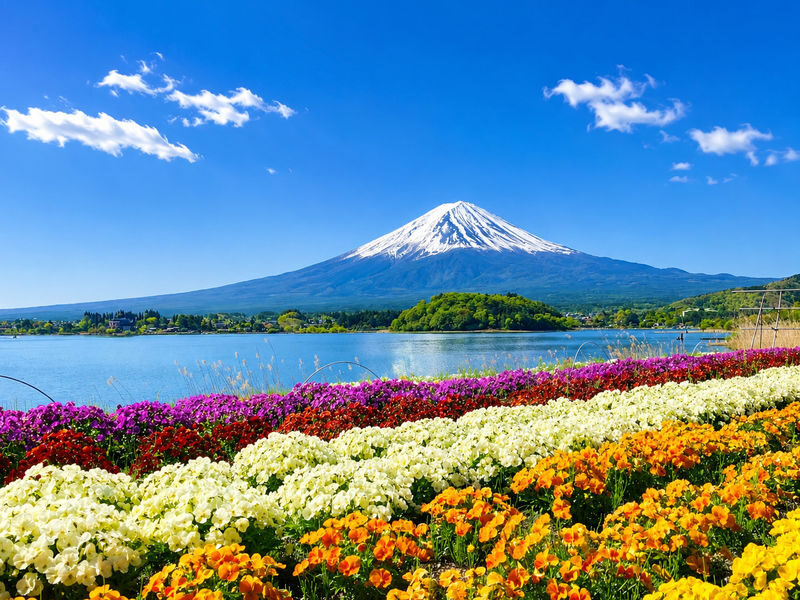
Oishi Park gets 30 minutes. It sits beside Lake Kawaguchi and is known for flower displays that change with the season: nemophila in spring, lavender in summer, and kochia in autumn. When the weather is clear, Mount Fuji and the lake make a striking backdrop for the flower beds.
This is a short, scenic stop, not a long garden visit. You may have time for a walk, photos, and a quick look around, but not a leisurely wander. The flowers also vary by season, so do not book this day solely for a particular display unless you have checked what is likely to be in bloom on your date.
A few people have found the stop too brief to do much beyond take a picture or queue for a treat. If you want a slower visit, this tour’s tight schedule is worth weighing against a day focused on fewer places.
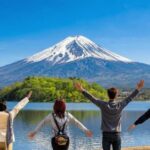
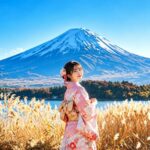
The tour allows 70 minutes at Lake Kawaguchi, the most popular of the Fuji Five Lakes. This is the longest stop, giving you more breathing room than at Oishi Park or Lawson. The lake is known for views of Fuji, and on a calm day the mountain may appear reflected on the water, a scene often called Mirror Fuji.
The view depends on both weather and timing. Cloud can cover the mountain, and a mirror-like reflection is not guaranteed. Even without either, the lake gives you a different perspective from the pagoda and village stops. Use this time to enjoy the shoreline and take in the view rather than trying to fit in a long list of activities.
The tour information also names the Kawaguchiko Natural Living Center, Maple Corridor, and Kawaguchiko Craft Park among the area’s attractions. The schedule does not promise a separate visit to each, so treat them as possible points of interest in the wider area, not guaranteed stops.
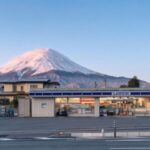
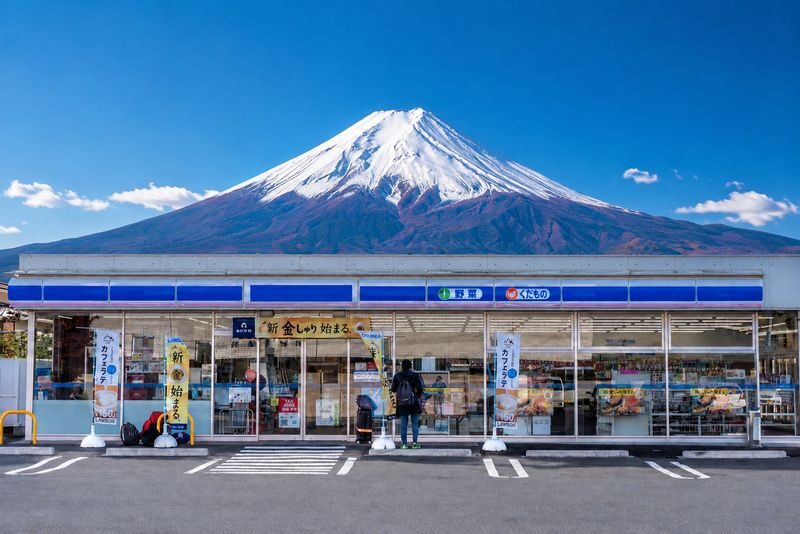
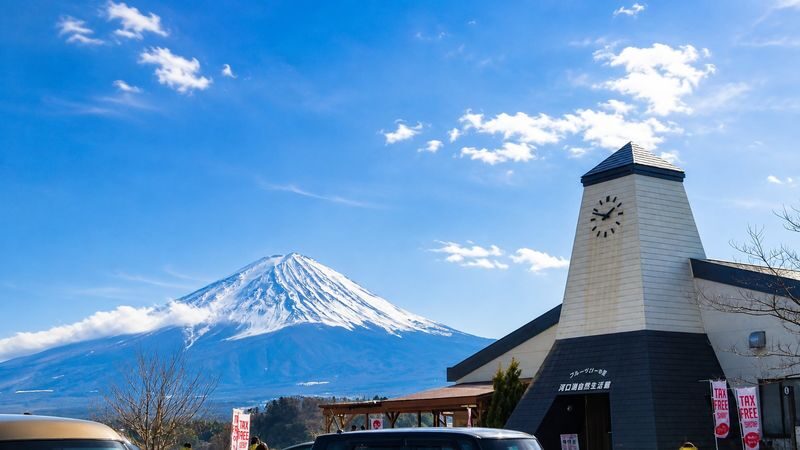
The 20-minute stop at Lawson Kawaguchiko Station is for a familiar Japan travel image: the convenience store with Mount Fuji rising behind it. It is a short pause, mainly suited to a quick photo and a look around.
This is the most commercial and least rural-feeling stop on the route. If you are keen on the famous composition, have your camera ready and follow the guide’s instructions about where to stand. If convenience-store photos do not appeal, you may find this stop less rewarding than the ponds, park, or lake.
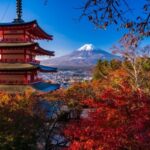
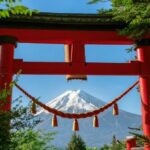
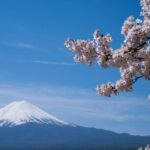
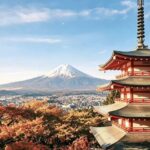
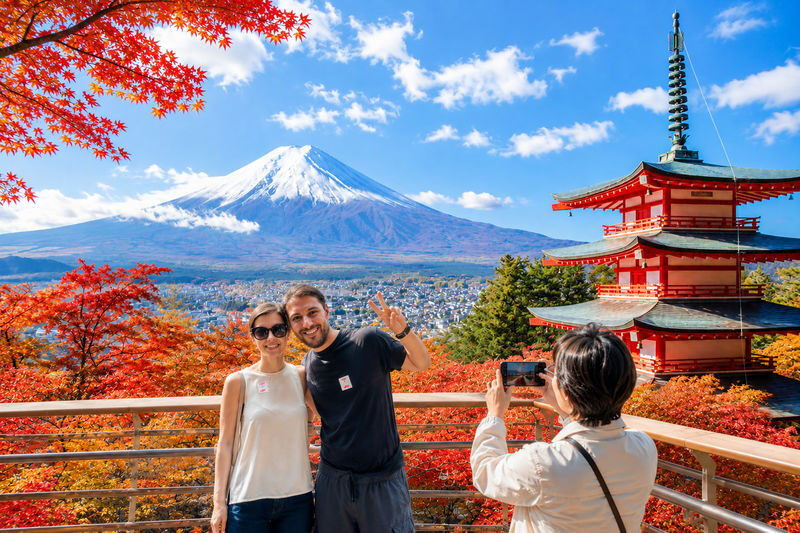
Arakurayama Sengen Park is the final scheduled stop, with 70 minutes for the shrine area and climb toward Chureito Pagoda. The classic view brings together the red pagoda, Mount Fuji, and, in the right season, cherry blossoms or autumn color. It is one of Japan’s most recognizable Fuji scenes for good reason.
The climb is the catch. Visitors need to go up a steep set of steps to reach the lookout, then return down before the coach leaves. One visitor estimated the uphill walk at about 15 minutes without stopping, but your pace, fitness, and photo pauses will change that. The pagoda viewpoint can also draw a queue, and a long line may eat into the time available for the climb and return.
I would not treat this as an easy, flat photo stop. If stairs are difficult for you, or you are travelling with someone who needs a slower pace, consider whether the group schedule will feel comfortable. The tour also lists Arakura Fuji Sengen Shrine as part of the visit, so there is more here than the famous viewpoint, but the pagoda climb is the main draw for many people.
The day is scheduled to start with a morning meet-up, with departure times shown as 07:40 or 08:20 depending on the meeting point. Arrive at least 10 minutes before your selected departure and look for the guide with a blue flag. Check the exact location and time on your booking, since meeting-point details have caused confusion for some people.
The return is listed for 18:10 at Shinjuku Station, but traffic and weather can change the schedule. The drive back has sometimes taken much longer in heavy traffic, so avoid making an important evening reservation soon after the scheduled return. The same traffic can cut into time at the stops, particularly if the day begins behind schedule.
The guided part is useful for keeping the group organized and explaining the places along the route. The amount and clarity of commentary can vary. If hearing every detail matters to you, sit where you can hear the guide and ask questions when there is a chance. Some people have reported poor bus microphone sound or difficulty understanding the commentary.
The starting price is from $49.29, with the final cost depending on the date and package. At that price, the value comes mainly from covering several distant sights in one day with transport and tolls included. It is a practical way to see a broad sampling of the Fuji area, especially if you have limited time in Tokyo or do not want to arrange connections yourself.
You can add Japanese noodle soup or a Koshu wine beef lunch set, or choose the no-meal option. The menu may change with the season and ingredient availability. Lunch can make the day easier, since the stops are timed and you will not need to find a meal independently, though it also takes time that some people would prefer to spend at the sights. The optional meal has drawn praise for its taste and, in some cases, its Fuji views from the restaurant.
The no-meal option leaves you to handle your own food and personal expenses. It may suit you if you want more control over what you eat, but keep the short stop times in mind. The tour includes no other personal expenses.
Clear Fuji views are never assured. The mountain can disappear behind cloud or rain, and the seasonal flowers at Oishi Park change over the year. A guide and a scenic route can still make a worthwhile day when Fuji is hidden, but the main reason to take this trip is to see the mountain. If a clear view is essential, remember that weather is beyond the operator’s control.
The tour has received strong praise for friendly guides, smooth organization, scenic stops, and helpful drivers. Names such as Mits, Omar, Koji, Yuki, and Chen have come up in connection with positive days, though your guide will depend on your departure. There are also practical criticisms: some days feel rushed, bus comfort may vary, meeting points can be confusing, and a missed pickup has been reported. Arrive early, confirm the location carefully, and keep the operator’s contact details handy.
Families and groups may appreciate having one coach and a set plan. Children aged 0 to 3 ride free if they do not need a separate seat. For older relatives or anyone who finds stairs tiring, the climb at Arakurayama deserves special thought. The tour can suit independent visitors who want the convenience of a guided day, but it is not ideal if you want long, unhurried visits at each place.
Book this tour if you want to cover several familiar Fuji-area sights in one day and value transport, guide support, and a simple route over free time. It is especially useful from Tokyo when you want the pagoda, lake, village ponds, and flower park in one outing.
Choose a slower trip with fewer stops if you want time to linger, avoid a brisk pace, or focus on the pagoda view without watching the clock. And if your plans depend on seeing Fuji clearly, keep expectations flexible: the mountain sets the terms. This tour gets you to the viewpoints; it cannot order the clouds away.
“Mitzu was very kind. The tour can feel a bit tight, but otherwise everything was very good.”
The scheduled day runs from a morning departure to an 18:10 return, about 10.5 hours. Traffic and weather can affect the timetable.
The return point is listed as Shinjuku Station.
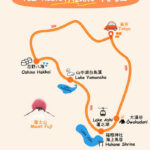
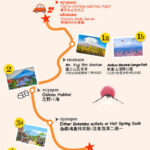
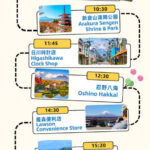
The scheduled stops are Oshino Hakkai, Oishi Park, Lake Kawaguchi, Lawson Kawaguchiko Station, and Arakurayama Sengen Park, including the Chureito Pagoda viewpoint.
You can choose no meal, Japanese noodle soup, or a Koshu wine beef lunch set. The menu may change with the season and ingredient availability.
The included guide speaks English or Chinese. The available language may depend on the package you select.
Reaching the viewpoint involves climbing a steep flight of steps. The time needed varies with your pace and any photo stops.
Children aged 0 to 3 can join free if they do not occupy a separate seat.
Round-trip transfers, toll fees, tax, and an English- or Chinese-speaking guide are included. Personal expenses are not included.
No. Seats are limited, and the bus service may be unavailable due to capacity, suspension, or other operating reasons. If you cannot use it, no refund or cash equivalent is provided.