Physical Address
304 North Cardinal St.
Dorchester Center, MA 02124
Physical Address
304 North Cardinal St.
Dorchester Center, MA 02124

Compare three Tokyo day trips to Mount Fuji, from Hakone’s steaming Owakudani to Kawaguchiko’s lake views, with practical timing and costs.
Mount Fuji is a magnificent destination, but reaching its best-known viewpoints from Tokyo takes planning and patience. This full-day coach trip bundles the mountain’s famous photo stops with a choice of Hakone’s steaming Owakudani, a ropeway above Lake Kawaguchiko, or a gentler circuit of lakes and springs.
I like the choice of three distinct routes, which lets you pick between volcanic scenery, a high viewpoint, and a relaxed series of photo stops. I also like that the fare includes round-trip transport, tolls, parking, fuel, and, on the classic route, the Owakudani Ropeway ticket. Guides such as Serina, Luna, and Yuri have been praised for clear directions, multilingual help, and taking photos.
The trade-off is a long day on the road, with traffic and mountain weather able to change the plan. Even a well-run tour cannot promise a clear view of Fuji, and some stops may be shortened or skipped.
Before booking, check which route you are selecting. The experience is sold as three shared-coach options, and the detailed schedule below describes the classic Hakone route. The advertised names and stop combinations can differ, so use the package you choose as your guide rather than expecting all three routes to visit every stop.
Route A, the classic volcano route, combines Hakone’s Owakudani geothermal valley with Arakurayama Sengen Park and its famous view of Mount Fuji beside the five-storied Chureito Pagoda. It is the broadest mix of cultural and natural sights, but it also covers more ground. The Owakudani Ropeway ticket is included; the pirate ship is not.
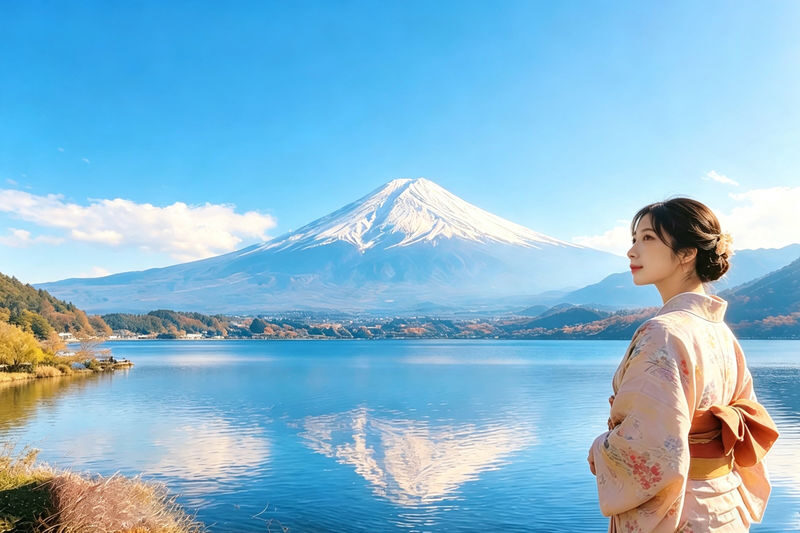
Route B, the panoramic route, centers on Lake Kawaguchiko and the Mt. Kachi Kachi Ropeway. The cable car ride takes you to a viewpoint above the lake, where you can look across the water toward Mount Fuji. Choose this route if the elevated view is your priority. The ropeway ride is included in this package.
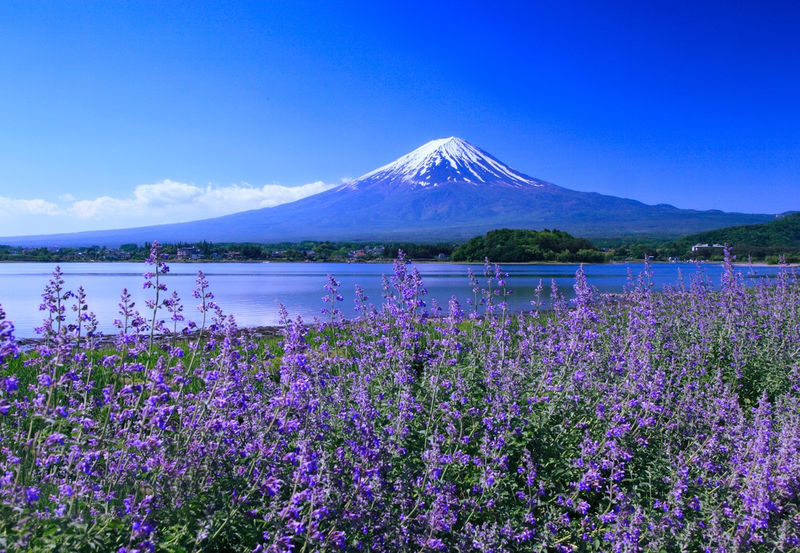
Route C, the photo-stop route, visits areas around Lake Kawaguchiko and Lake Yamanakako, with stops that may include Oishi Park, Oshino Hakkai, and the Lawson convenience store. It skips the cable car, so it suits you if you prefer lakeside views and short walks to a ride up the mountain.
There is also a private charter option for up to six people. It offers more flexibility than the fixed shared itinerary, though the information provided does not specify its exact route or schedule.
The day begins early. You can meet at Tokyo Station’s Marunouchi North Exit at 7:20 a.m., with departure at 7:30, or at Shinjuku MODE Gakuen at 7:50, with departure at 8:00. Arrive ten minutes early. On weekends and holidays, the return may stop only at Tokyo Station, so check your return point when you plan the day.
The trip is advertised as roughly 10.5 hours, with an estimated 6 p.m. return. The drive back is listed as about two hours, but congestion can stretch the ride and alter the order of stops. Do not schedule a timed evening activity in Tokyo. On public holidays and during cherry blossom season, traffic can also mean less time at attractions.
Transport is the main value here. You avoid arranging separate trains, buses, and transfers between Tokyo, Hakone, and the Fuji area. In exchange, you follow the group’s timetable and share the vehicle with other people. Group size can range from four to 48, with the vehicle assigned according to the number booked. When the group is small, the driver may also handle the tour-host duties.
Looking for more options in Fujiyoshida? Here are some other experiences worth considering.
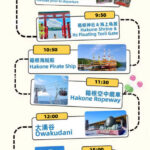
On the classic route, a stop around 10:30 is set aside for Hakone Shrine or the Heiwa no Torii, the lakeside gate associated with the shrine. The plan allows about 30 minutes, and the exact stop can depend on weather, capacity, and the day’s conditions.
The setting is one of the route’s more atmospheric contrasts with the busy photo spots later on. The shrine is associated with old cedar trees and Lake Ashi; the torii stands at the water’s edge. But the short stop is for sightseeing, not a full shrine visit. If you want time for a longer walk or a quiet pause, the fixed schedule may feel tight.
Next comes the Hakone pirate ship, listed as a 25-minute crossing from Motohakone Port to Togendai Port. The ride costs ¥1,700 per person and is paid separately. It is optional: if the boat is full, not operating, or you choose not to take it, the group can go by bus to Togendai Station. Count on this extra cost only if you intend to board.
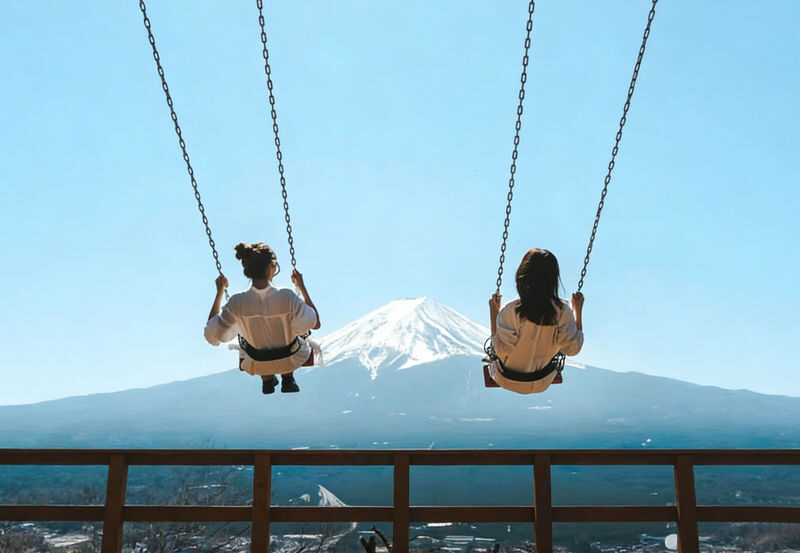
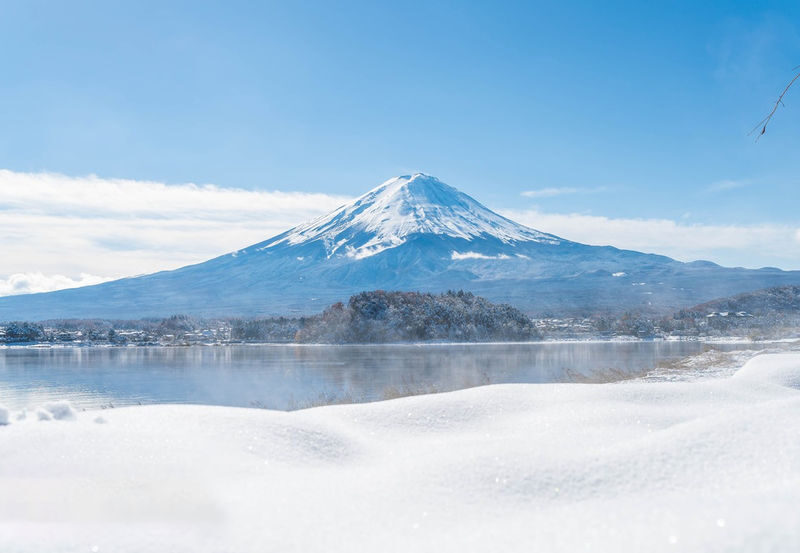
Owakudani is the classic route’s most unusual stop. This geothermal valley, also known as Great Hell Valley, has sulfurous ground and white steam rising from the volcanic area. The scale of the terrain gives the stop a striking, raw quality that feels different from the carefully framed Fuji viewpoints.
The Owakudani Ropeway is included on Route A. Its ride offers views of volcanic fumes, Lake Ashi, and, if the weather cooperates, Mount Fuji. The schedule allows about 25 minutes for the ropeway and 40 minutes at Owakudani, so keep an eye on the meeting time. You may have time to explore the trails or buy the local black eggs and a drink, but this is not an open-ended visit.
The ropeway can be suspended. In that case, each person is promised one black egg instead of the ride. Weather and operating conditions can also change the plan, so consider the ropeway a useful bonus rather than the sole reason to choose Route A.
Lunch is not included. Your guide may suggest a restaurant, but you can also bring food or buy a convenience-store bento. The schedule notes that lunch time may be canceled if most of the group does not need it or traffic has affected the day. Bring a snack if you do not want to depend on a restaurant stop.
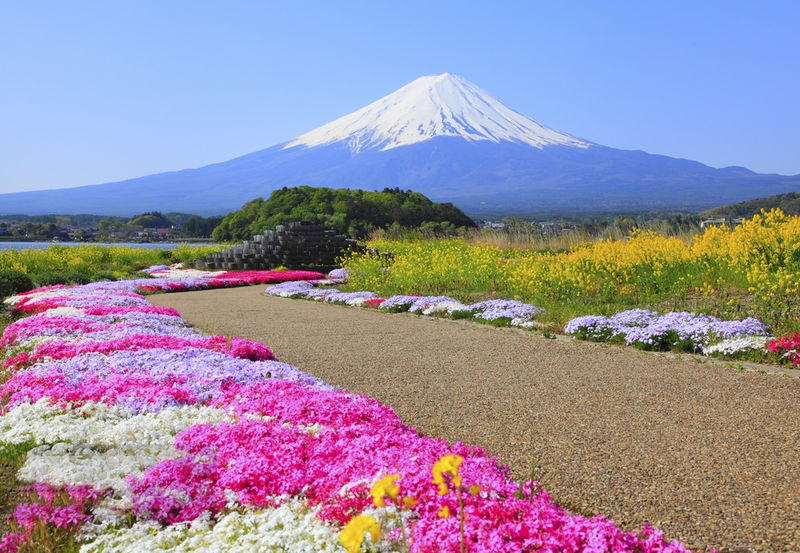
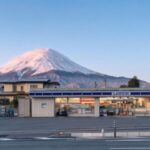
The classic route continues toward the Fuji area, where a convenience store stop may be at Lawson or 7-Eleven. The guide decides which one based on traffic. The Lawson near Fujikawaguchiko Town Hall is known for the striking composition of the store with Mount Fuji behind it. It is a quick photo stop, not a scenic walk, and crowds or weather can affect the experience.
Hikawa Clock Shop is another short stop, listed at about 20 minutes. It sits on Fujiyoshida’s old-style shopping street, where the road points toward Mount Fuji. The appeal is the view down the street, with the mountain at its end when visibility is good. This is a practical place to take a few photographs, but don’t expect a long visit or much time for browsing.
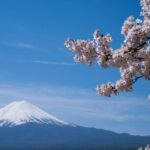
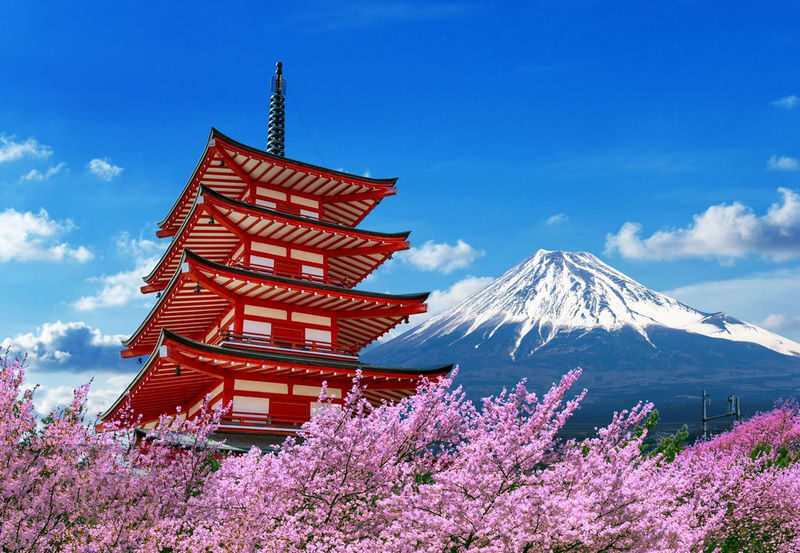
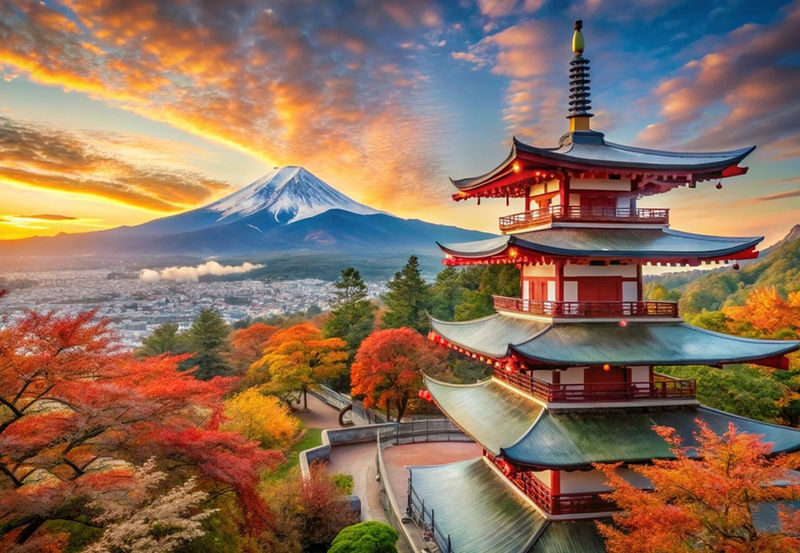
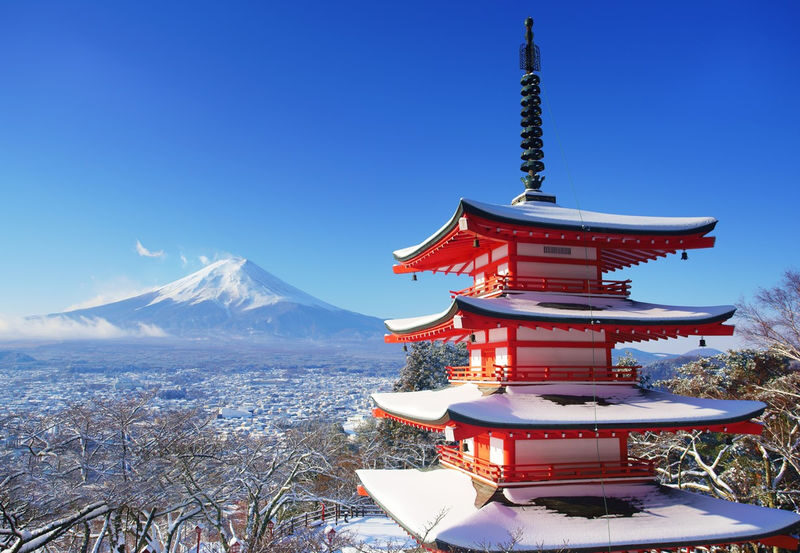
Arakurayama Sengen Park is the main event for many photographers. The park’s Chureito Pagoda and Mount Fuji make one of the region’s best-known compositions. The schedule allows about an hour. You may need to climb to the viewpoint, so wear shoes you can walk in and save some energy for the steps. The stop is especially popular in cherry blossom and autumn foliage seasons, but flowers and colors depend on the actual season and weather.
There is a useful lesson in the day’s timing: clear skies early on do not guarantee a clear view later. The mountain can appear in the morning and disappear behind clouds by the time you reach the pagoda. A clear view from Arakurayama can also make the long drive feel worthwhile, but the tour cannot control the clouds.
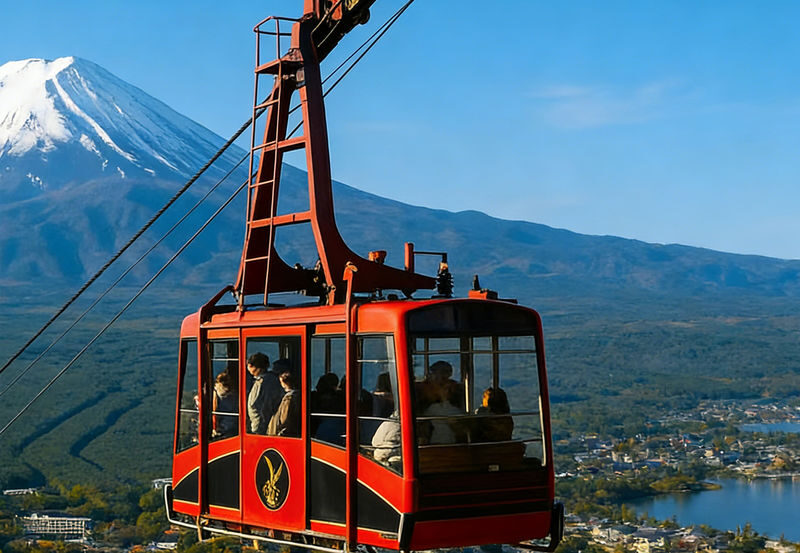
If the ropeway view matters more to you than Hakone, Route B offers a focused day around Lake Kawaguchiko and Mt. Kachi Kachi Ropeway. From above, you get a broad view of the lake and mountain, weather permitting. This option avoids the classic route’s Hakone detour and is a natural fit for anyone whose main aim is a panorama.
Route C takes a slower-looking approach, though it still runs on a fixed day-trip schedule. Lake Kawaguchiko and Lake Yamanakako offer different angles on the mountain, while Oishi Park is known for seasonal flowers and open views. Oshino Hakkai adds clear spring water and a village setting. Lawson is another quick photo stop. The itinerary may also include Fujiyoshida Honcho Street, with its retro shops and a view toward Fuji.
The C route excludes the cable car. That means fewer ride-related costs and no queue for the ropeway, but also no high viewpoint. Choose it for variety at ground level, not as a shortcut to a guaranteed Fuji sighting. The package description calls it a leisurely photo route, yet road delays can still compress the time at each stop.
You might also be interested in these Fujiyoshida experiences
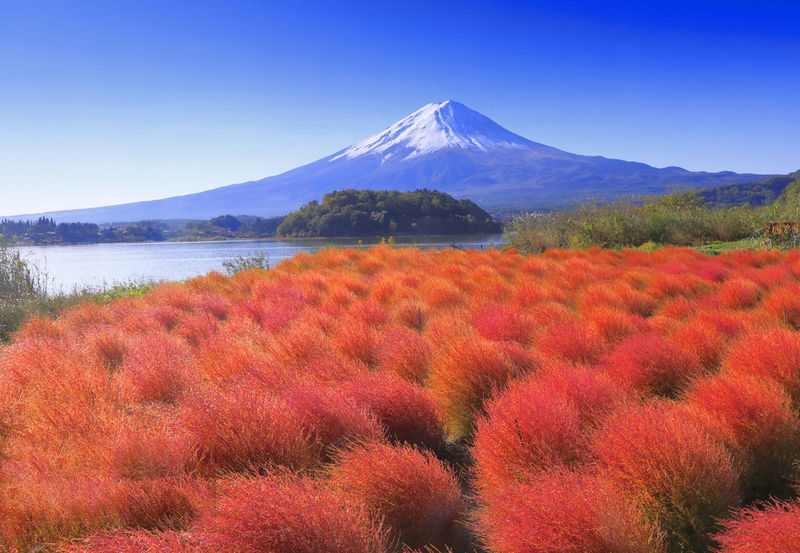
A guide can make a packed day easier to follow. The route is offered with Chinese, English, and Japanese-speaking guide support, though the exact language mix and guide vary by departure. Serina, Luna, Yuri, Zoe, Aoki, and others have been named in connection with past departures. You cannot count on a particular guide when booking.
The strongest guide experiences described include clear instructions, help with photos, and communication across languages. Some guides have explained stops in both English and Mandarin, while others have adjusted the order of the day when traffic or weather changed. That practical help matters when your time at each stop is brief and you need to know where to meet the group.
There is still a firm group rhythm. If you miss the coach or leave the group, you are responsible for getting yourself to the next stop, and the tour does not refund missed time. Keep your phone on and check the email sent the day before for the guide’s name, vehicle details, meeting information, and contact link.
Prices start at $49.29, though the cost may differ by route or date. For a full-day trip from Tokyo, the fare can be good value if you want to see several places without organizing the transport yourself. Round-trip transfers, tolls, parking, and fuel are included. Route A includes the Owakudani Ropeway; Route B includes the Mt. Kachi Kachi Ropeway.
Add money for meals, drinks, personal purchases, and the optional Hakone pirate ship. The coach allows no standard-sized luggage, so this is a day trip rather than a convenient transfer between hotels. Tips are not included. The tour also does not include travel or accident insurance.
The cancellation terms allow a full refund if you cancel at least 24 hours before the activity date. Late arrival or a no-show is not refundable, and once you have used a ticket or visited an attraction, a refund is not available. A minimum of four participants is required; if it is not met, you can request a full refund or choose another date.
I would choose Route A if you want a broad day that combines Hakone’s volcanic activity with the pagoda view at Arakurayama, and you are comfortable with a long drive and a packed schedule. Route B makes more sense if the lake-and-mountain panorama from a ropeway is your main goal. Route C is the better fit if you would rather visit several lakeside and spring-water spots without a cable car.
This trip works well for first-time visitors, couples, friends, and families who value convenience and variety over lingering at one place. It is less suitable if you need an unhurried pace, want to control every stop, or would be disappointed by a cloudy day. Bring sun protection, a hat, cash, suitable clothing, and a motion-sickness remedy if you are prone to car or boat sickness.
Book it for the transport and the chance to see several sides of the Fuji region in one day. Just choose the route carefully, leave your evening open, and remember that the mountain makes its own schedule.
“The overall schedule was delayed due to traffic congestion from the Japanese holidays. However, even in this situation, Luna's proper guidance made…”
The trip is listed as about 10.5 hours, with a planned departure from Tokyo in the morning and an estimated return around 6 p.m. Traffic and weather can change the timing.
You can meet at Tokyo Station’s Marunouchi North Exit at 7:20 a.m., or at Shinjuku MODE Gakuen at 7:50 a.m. Arrive ten minutes before your selected meeting time.
No. The optional crossing from Motohakone Port to Togendai Port costs ¥1,700 per person. If the boat is full or not operating, the group can travel by bus.
Route A, the classic Hakone route, includes the Owakudani Ropeway ticket. If the ropeway is suspended, each person receives one black egg instead.
No. You can bring your own food, buy food at a stop, or consider a restaurant suggested by the guide. Lunch timing may change if traffic affects the schedule.
Children aged 0 to 2 can travel free if they do not need a separate seat, but the operator asks families to notify them in advance. Children aged 3 and older pay the adult rate, and anyone aged 0 to 17 must be accompanied by a paying adult.