Physical Address
304 North Cardinal St.
Dorchester Center, MA 02124
Physical Address
304 North Cardinal St.
Dorchester Center, MA 02124

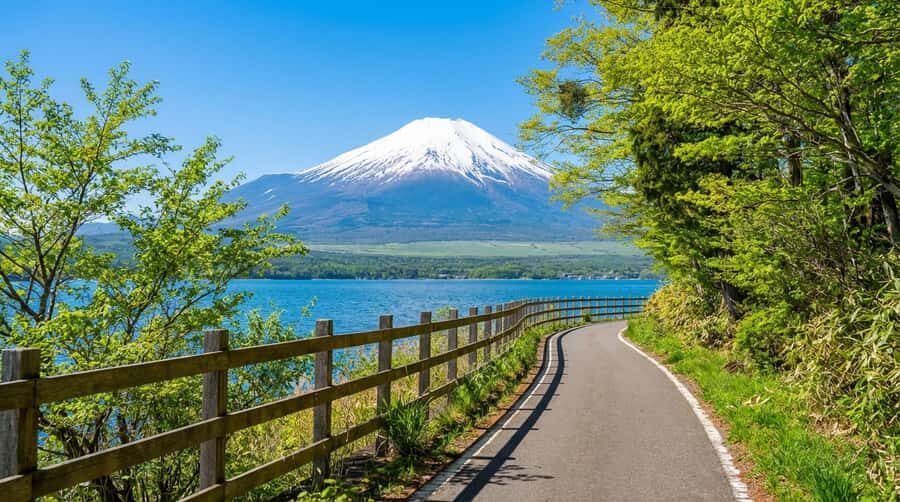
See Fuji from six scenic stops on a Tokyo day tour, from Lake Yamanaka and Oshino Hakkai to the pagoda and Kawaguchi’s flower park.
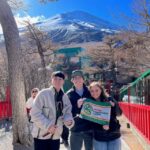
Mount Fuji is the star, but this tour’s real advantage is the range of views: a lakeshore, a spring village, a flower-lined park, a five-story pagoda, and two much-photographed town scenes. In one long day, you get six different chances to see Japan’s most recognizable peak without piecing together regional buses and train connections yourself.
I like the variety of viewpoints and the way an English-speaking guide fills the coach rides with useful stories and practical photo tips. Guides named by people on recent departures include Hathaway, Yang, Sakuragi, Blair, Will, and Vera. The main drawback is the weather: Fuji can disappear behind cloud, and even a sunny day can’t be guaranteed.
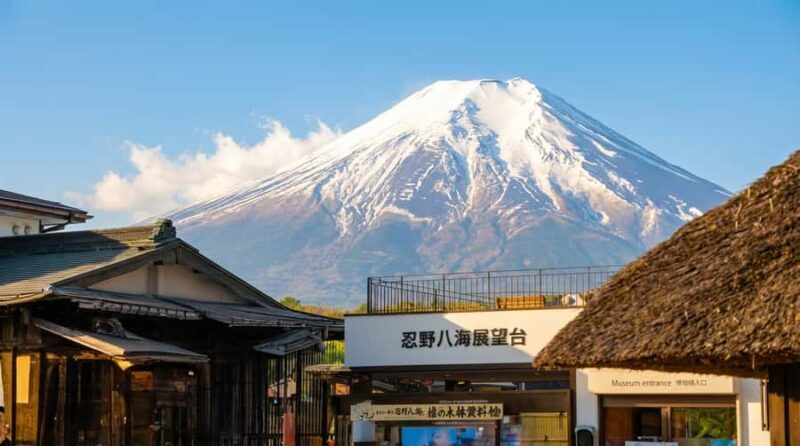
This is not a hike to the summit or a deep visit to one town. It is a broad sampler of the Fuji area, built around short stops and repeated chances to catch the mountain from a new angle. For a first visit, that can be excellent value: a lake reflection feels different from a pagoda view, and both differ from Fuji rising over a shop-lined street.
The schedule runs about 10 hours, including roughly two hours each way between Tokyo and the Fuji area. The day is therefore full, with much of it spent on a coach and a series of 20- to 70-minute stops. That trade-off is worth considering. You gain convenience and variety, but not the time to linger at any one place.
The stop order and timing can change, particularly on weekends and Japanese public holidays when traffic or early closures affect the route. Think of this as a planned circuit, not a promise that every stop will happen at precisely the same hour.
Looking for more options in Tokyo? Here are some other experiences worth considering.
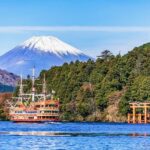
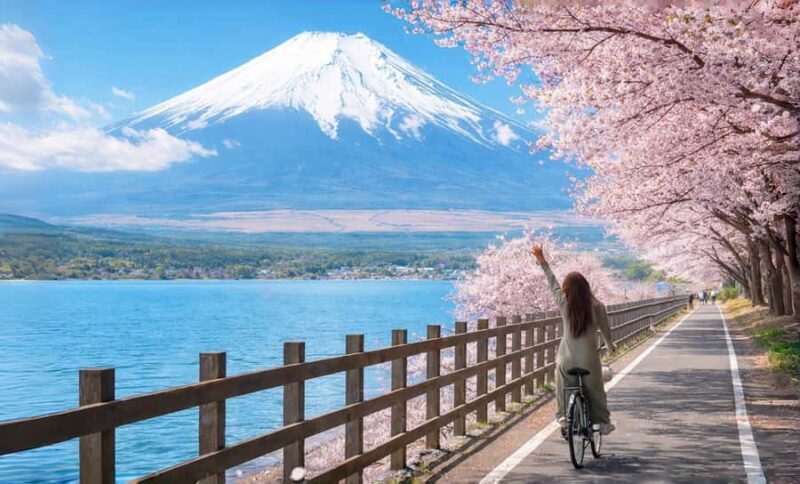
The first stop is Lake Yamanaka, the largest of the Fuji Five Lakes. The plan allows about 40 minutes here, with time for a lakeside walk and photos. Hirano Beach is singled out for morning reflections and swans, so this is the place to have your camera ready early.
A reflection depends on calm water and clear skies, not just the time of day. Fuji is often hidden by cloud, and the tour cannot control the conditions. Still, starting at the lake gives you an early shot at the mirror-like view that makes this stop special.
Wear comfortable shoes and clothes you can manage outdoors. The stop is brief, so avoid spending too long choosing a camera setting while the mountain is in view.
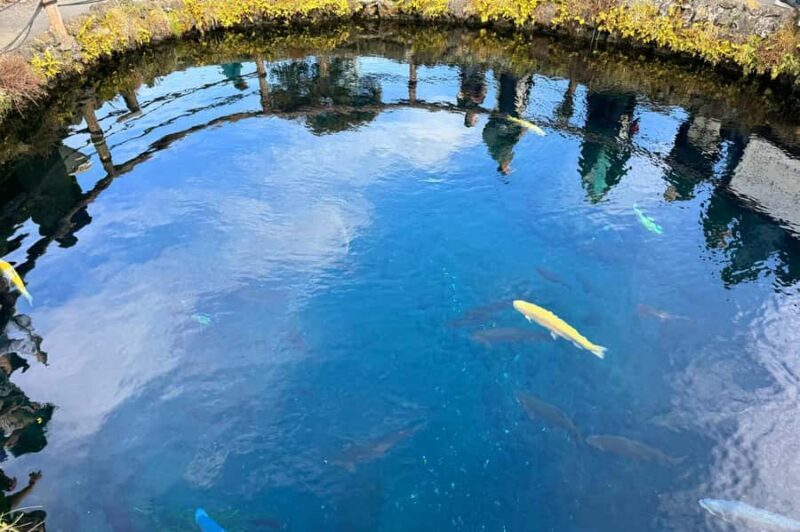
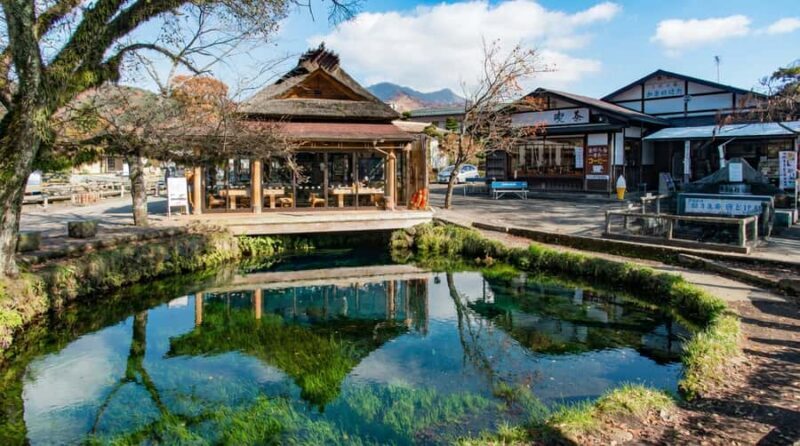
Oshino Hakkai is the longest stop, at about 70 minutes. Its eight spring ponds are fed by water from Mount Fuji that filters underground before emerging here. The water is famously clear, and the old village paths make a welcome change from the open lakeshore and photo stops.
You can stroll the stone lanes, look into the ponds, and browse for food or souvenirs. Lunch is at your own expense, with options described as including grilled mochi, tempura, and Fuji-themed sweets. With only a little over an hour, make lunch decisions promptly if you want time both to eat and to explore.
This is a good stop for more than a Fuji backdrop. The village and springs give the day a human scale, and the water’s clarity is an attraction in its own right. On the other hand, it can be busy, and you should not expect a quiet, extended village visit within the group schedule.

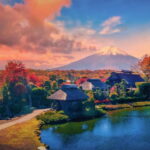
At Oishi Park, you have around 40 minutes to walk beside Lake Kawaguchi and look across toward Fuji. The 350-meter flower path changes with the season. Tulips, lavender, or moss phlox may be in bloom, depending on when you go, so the view varies through the year.
I like this stop because it combines the mountain with color and lakeside space rather than relying on another single-frame photo. There is also time for shopping, though the short visit means you will need to choose between browsing and a longer walk.
Season matters here. The flowers are not a fixed display, and no particular bloom is guaranteed for a given date. If your main goal is a specific flower, check what is typically in season before booking and treat Fuji visibility as a separate bit of luck.
More Great Tours Nearby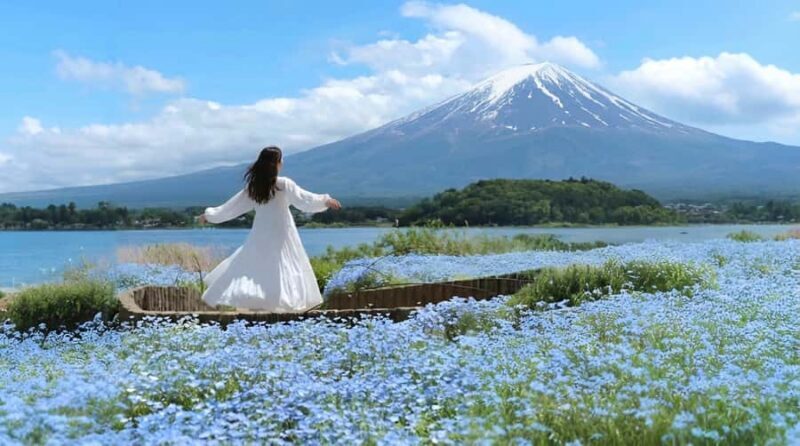
The Kawaguchiko Station Lawson is a brief, 20-minute stop. The convenience store has become a well-known photo location because the sign and Mount Fuji can line up in a striking composition. You can also buy an ice cream or hot snack, though food and drinks are not included in the tour price.
This is an internet-famous spot, not a major cultural visit. It can still be fun to see the familiar image in person, but keep expectations in proportion: you have little time, and the appeal is largely the unusual pairing of an everyday shop and an iconic mountain.
Follow the guide’s instructions about where to stand and how long to take photos. The stop is short, and the group has several more places to reach.
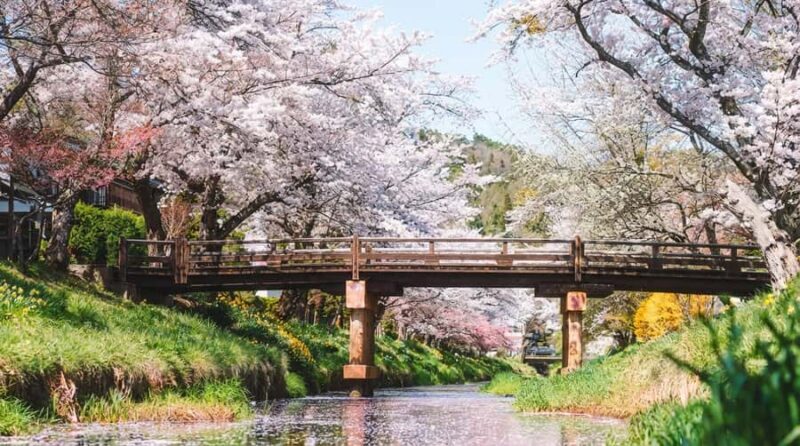
Arakurayama Sengen Park gets about an hour, including time to walk up to the viewing area. The five-story pagoda, Fujiyoshida City, and Mount Fuji make the classic composition that appears in countless Japan photographs. In spring, cherry blossoms can add another layer; autumn leaves offer a different frame later in the year.
The climb is part of the visit, so this stop asks more of your legs than the lakeside parks. Comfortable shoes matter. The effort is rewarded with a high viewpoint and a sense of how the town sits beneath the mountain, but this is not an ideal excursion for everyone: the tour is listed as unsuitable for wheelchair users, pregnant women, people with high blood pressure, and people over 70.
The time here is generous by the standards of the day, but it still includes the walk and photo opportunities. If stairs or hills are difficult for you, consider that carefully before booking.
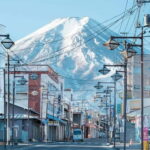
The final sightseeing stop is the Hikawa Clock Shop area, with about 20 minutes for a look and photos. A straight street leads toward Fuji, while old-style signs and street lamps lend the scene a Showa-era feel. It is a striking contrast to the natural views earlier in the day: the mountain becomes part of an ordinary town street.
This stop is short, and the composition depends on visibility and the precise view down the road. It is best treated as a final photo opportunity, rather than a place to shop or spend much time. The attraction is the juxtaposition of daily life and the mountain, not a long list of things to do.
Round-trip transfers from the meeting point are included, and an English-speaking guide accompanies the group. At about $50 per person, the price is appealing for a full-day outing with six stops and transport to places that would take more planning to connect independently. Food, drinks, personal expenses, and hotel pickup or drop-off are not included, so budget for lunch and any snacks or purchases.
The guide can make a real difference on a day with long road stretches. Recent guides named on departures include Hathaway, Yang, Sakuragi, Blair, Will, and Vera. People who joined those trips particularly valued the guides’ humor, explanations about Fuji and Japanese culture, clear instructions, and help finding good photo angles. Some also appreciated guides taking pictures for them and suggesting where to eat.
That is useful, but guide names vary and cannot be guaranteed. Traffic is another variable. The coach ride is about 110 minutes to the first stop and around 2 hours 20 minutes on the return leg, with shorter transfers between sites. Some departures have encountered delays, so bring patience and do not plan a tight commitment for your return to Tokyo.
The meeting point depends on the option booked, and travel details are sent by email before 19:00 on the day before departure. Check your inbox and spam folder. If you plan to bring luggage, tell the operator in advance because extra fees may apply. Food and drinks are not allowed in the vehicle.
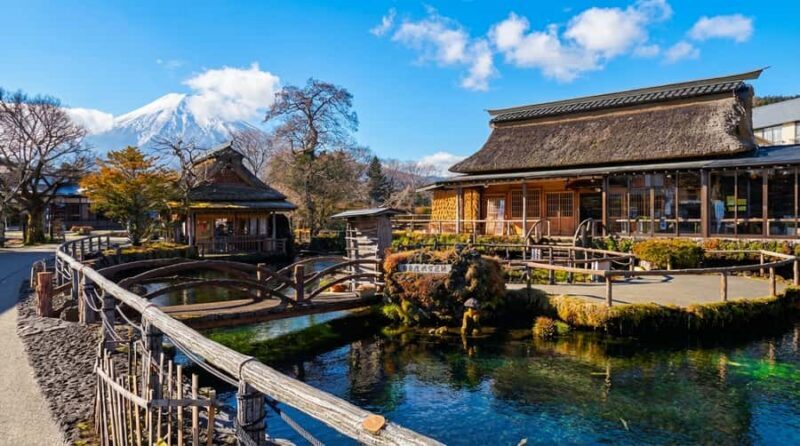
The most important question is not which viewpoint is best. It is whether Fuji will be visible. The mountain is known for being shy, and cloud can hide it at some or all of the stops. A clear day can deliver striking views throughout the circuit; an overcast day can turn a Fuji photo tour into a tour of lakes, villages, and town viewpoints without its main subject.
The schedule tries to give you multiple chances rather than betting everything on one location. That is a sensible approach, but it does not remove the weather risk. If Fuji is the one reason you are making the trip, leave room in your Tokyo plans for another attempt if your schedule permits.
I would choose this tour if you want a practical introduction to the Fuji area, enjoy photography, and prefer having transport and an English-speaking guide arranged for you. It suits first-time visitors who want to cover the famous viewpoints in one day, as well as families whose children can manage the long coach ride and walking stops.
It is less suitable if you want a slow visit, dislike full-day coach trips, or need step-free access. The repeated photo stops can also feel like a lot of the same mountain if you would rather spend several hours in one place. The good news is that each stop offers a different setting, and the guide’s commentary can make the travel time more rewarding.
The price of about $50 per person makes the convenience especially appealing, provided you value the six-stop format and accept that the view depends on the weather. You can cancel up to 24 hours before departure for a full refund, but a same-day cancellation or missed departure for personal reasons is non-refundable. The tour includes only basic travel insurance, so arrange additional cover if you need it.
Book if your priority is to see several of Fuji’s best-known viewpoints without managing regional transport on your own. The strongest reasons are the range of photo settings, the helpful role guides play, and the cost for a full day with transfers. Go in with realistic expectations: the schedule is busy, lunch is extra, and no tour can make Mount Fuji appear through cloud.
“Hathaway was such a great guide. She was cracking jokes the entire trip, which made our trip very pleasant! I learnt a lot about Fuji and Japan. I …”
The tour lasts about 10 hours, though the full duration can vary with traffic and schedule changes.
The stated price is $50 per person. Food, drinks, personal expenses, and hotel pickup or drop-off are not included.
The six stops are Lake Yamanaka, Oshino Hakkai, Oishi Park, Lawson Kawaguchiko Station, Arakurayama Sengen Park, and the Hikawa Clock Shop area.
No. Lunch is at your own expense. Oshino Hakkai has food options, including Japanese dishes and snacks.
The live guide speaks English. Guide names vary by departure.
No. Round-trip transfers from the meeting point are included, but hotel pickup and drop-off are not.
The meeting point may vary depending on the option booked. Check the travel details sent by email before departure.
Tell the operator in advance if you plan to bring luggage. Additional fees may apply.
Bring comfortable shoes and comfortable clothes. The day includes walking at several outdoor stops.
You can cancel up to 24 hours in advance for a full refund. If you cancel or cannot join on the day of travel for personal reasons, the booking is non-refundable.
You can check availability for your dates here: