Physical Address
304 North Cardinal St.
Dorchester Center, MA 02124
Physical Address
304 North Cardinal St.
Dorchester Center, MA 02124

See former sumo wrestlers face off in Asakusa, learn the rules in English, and enjoy all-you-can-eat chanko hot pot.
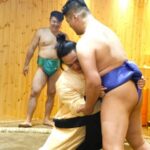
The main attraction is sumo at arm’s length: former wrestlers demonstrate the sport, explain its rules and face off in a small ring set inside a restaurant. You get a cultural show with dinner, not a tournament featuring active competitors.
I like two things in particular: the bilingual explanations make the rituals easier to follow, and the chicken hot pot plus Japanese dishes turn the performance into a full meal. The chance to step onto the ring, followed by a photo with the wrestlers, gives the evening a personal finish.
One thing to know: this is theatrical entertainment, not a traditional practice session. The actual bouts are brief, the sumo challenge is limited, and some of the humor can feel broad or too cheeky for some families.
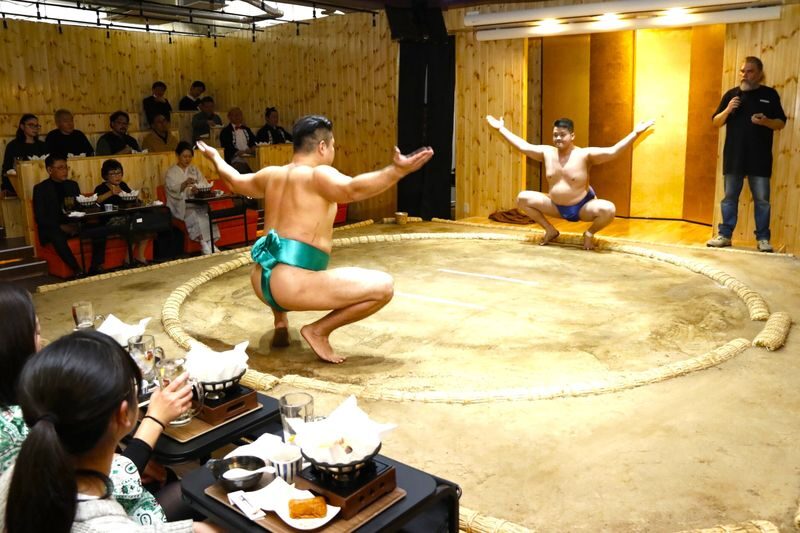
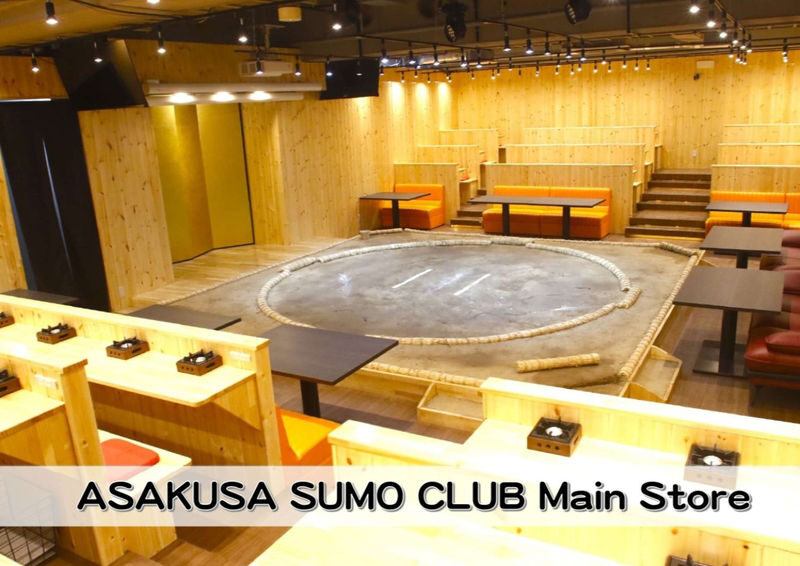
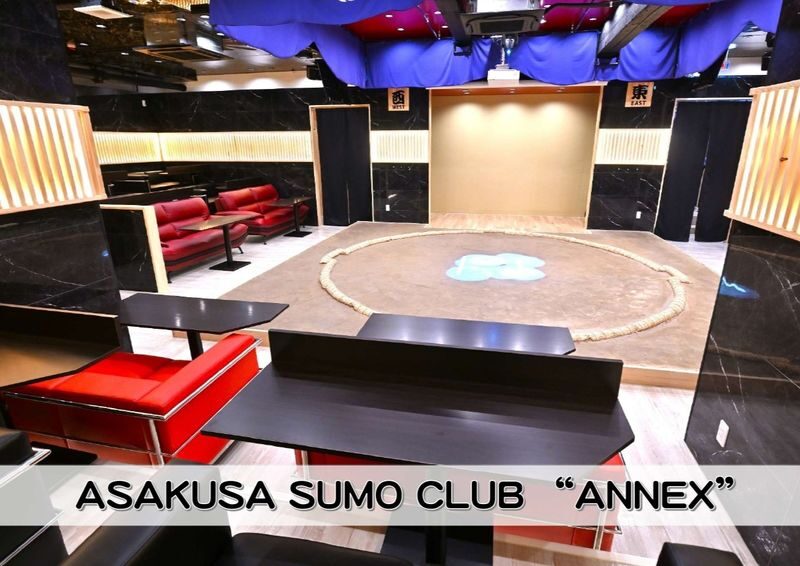
Asakusa Sumo Club gives you a compact introduction to sumo in the middle of Tokyo’s historic Asakusa district. An authentic sumo ring, called a dohyo, occupies the center of the venue. Instead of watching from a distant arena, you see former wrestlers demonstrate techniques and rituals at close range.
That setting makes the sport easier to read. Sumo can look like a brief collision if you do not know what to watch for. The show’s bilingual commentary explains the rules, winning moves and prohibited techniques, giving you useful context before the wrestlers face off.
Keep your expectations in the right place. The performers are former sumo wrestlers, not active competitors, and the event is designed as entertainment. If your main goal is to observe current wrestlers training at a stable, this is not the right experience. If you want a lively introduction that combines sport, food and audience participation, it fits the bill.
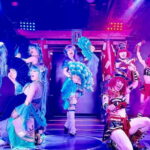
The experience begins with a short geisha dance and a photo session. It adds a formal cultural note before the more playful sumo presentation. Treat it as an opening performance rather than a long lesson in geisha arts.
Next comes the sumo introduction. The presenter explains the sport’s background, rituals and rules in Japanese and English, then the wrestlers show training scenes and traditional techniques. This part is especially useful if you have never watched sumo before. You learn what the wrestlers are doing and why a match can be decided so quickly.
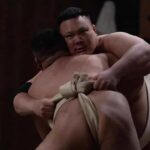
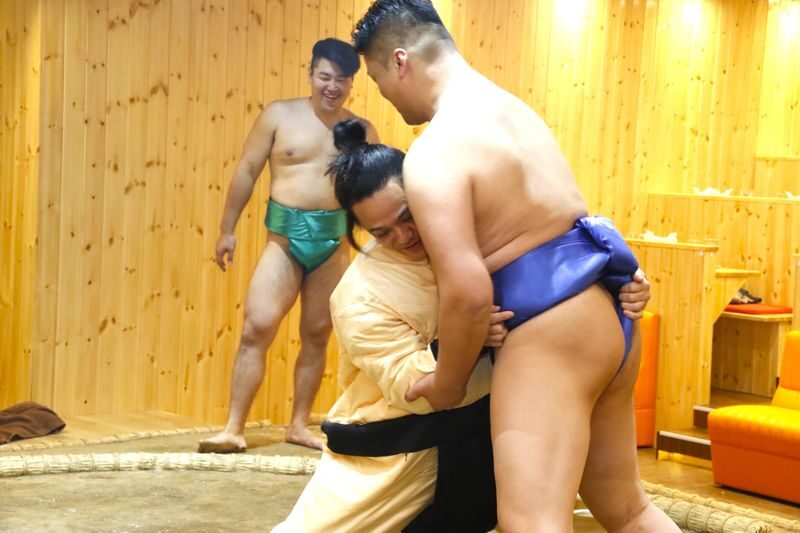
The main event is a three-bout contest between former wrestlers, with the winner named Champion of the Day. Expect short matches rather than an extended tournament. Each clash can last only a few seconds, so much of the value lies in seeing the wrestlers’ strength and balance up close, then hearing the commentary explain what happened.
The show’s tone is playful. The host keeps the room involved, and the wrestlers lean into the comic side of the performance. That energy is a plus if you like audience interaction and a few laughs. It may feel overdone if you prefer a quiet, formal presentation, and some jokes may not suit every child.
You might also be interested in these Tokyo experiences
After the demonstrations and bouts, audience members may get a chance to take on a wrestler in the ring. It is an amusing way to understand the scale and force of sumo, and a memorable moment if you are selected.
Places are limited. If too many people want to participate, the club uses a lottery, so do not book on the assumption that you or your child will get a turn. You can still watch the challenge from your seat, but the uncertainty is worth knowing before you promise the kids a match.
Front-row VIP Orange seats may make the interaction feel more immediate, and one family with young children found the front row especially engaging. But the listed information does not promise a challenge spot with any seat type. Choose a VIP seat for its position, not as a guarantee of getting into the ring.
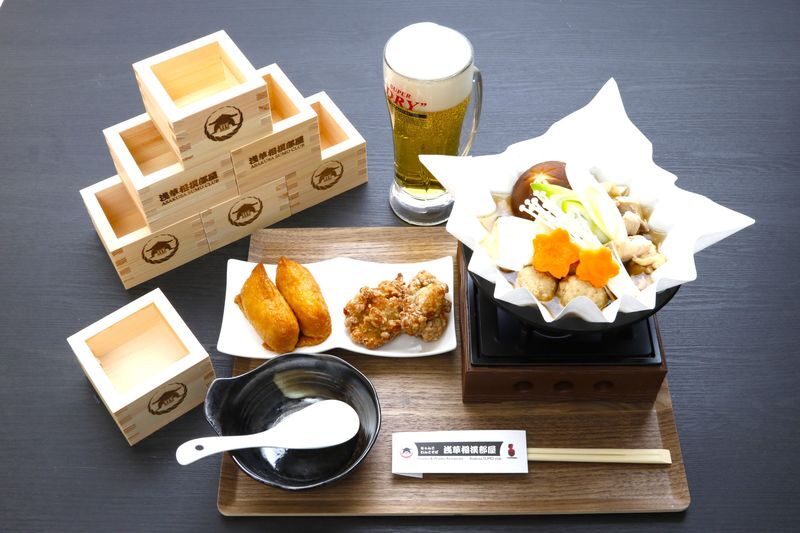
The meal is a meaningful part of the ticket, not an afterthought. The standard experience includes chicken chanko nabe, a traditional hot pot associated with sumo, plus a Japanese set meal. The food is all-you-can-eat, and one drink is included.
Chanko nabe is a hearty stew, so it suits the show’s relaxed dinner setting. The combination of food and performance also makes the evening easy to plan: you can settle in, eat and watch without arranging a separate dinner afterward. Some package options add all-you-can-drink service at the main store or annex, while the standard ticket includes one drink and charges extra for additional drinks.
The food selection may include additional Japanese dishes and snacks. Items such as inari, karaage chicken, fries and corn dogs have been available for refills, but the exact spread is not specified as a fixed menu. Think of the ticket as a filling meal with a variety of choices, rather than a carefully paced restaurant tasting.
Dietary planning needs care. Vegetarian and vegan meals are available if you reserve at least two days ahead by emailing [email protected]. Gluten-free and Halal meals are not offered. If you have other dietary restrictions, you may bring your own food.
You can book standard seating at the main store or the annex, or choose front-row VIP Orange seats. The venue choice matters: the main store and annex are separate locations close to each other, so check your voucher and head to the correct one.
The Klook-exclusive packages add all-you-can-drink service at either the main store or the annex. Standard tickets include one drink, with additional drinks available at extra cost. If a drinks package matters to you, compare the exact package name and location before booking.
Front-row seating is a good choice if you value proximity and hope for more interaction with the performers. Standard seating still gives you access to the show, meal, photo opportunity and souvenir set. I would choose based on your budget and interest in sitting near the ring, rather than assuming a higher-priced seat changes the show itself.
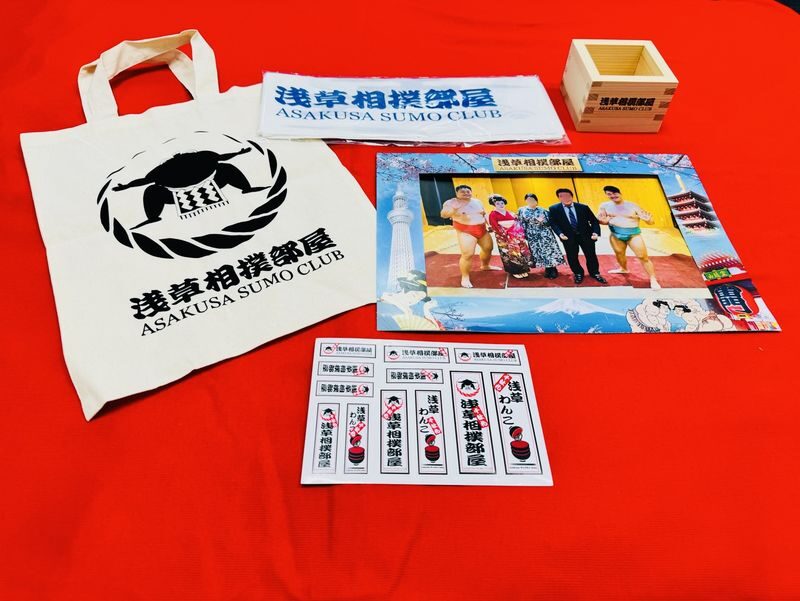
Prices start at $101.09, with the final amount depending on the package and seat. The standard main-store ticket includes the sumo show, bilingual commentary, all-you-can-eat chicken hot pot and Japanese meal, one drink, a photo opportunity and a souvenir set. That is a substantial bundle for an evening activity in Tokyo.
The ticket makes most sense if you want both dinner and a cultural performance. Add the cost of a full meal elsewhere and the value looks stronger, particularly if you enjoy the food and make use of the unlimited serving. The all-you-can-drink option could suit you if you expect to have several drinks, but compare its price with what you would otherwise order.
The value is less convincing if you are paying mainly to watch serious sumo matches. The three bouts are brief, and the show is intentionally comic and audience-friendly. Someone seeking the feel of a tournament or a working sumo stable should spend their money elsewhere.
The overall rating is 4.8 out of 5 from 1,669 ratings, a strong signal of broad appeal, though it cannot tell you whether the theatrical style will suit your taste. The most useful question is simple: do you want an entertaining, meal-centered introduction to sumo, or a more formal sporting experience?
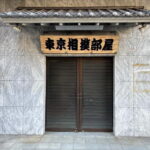
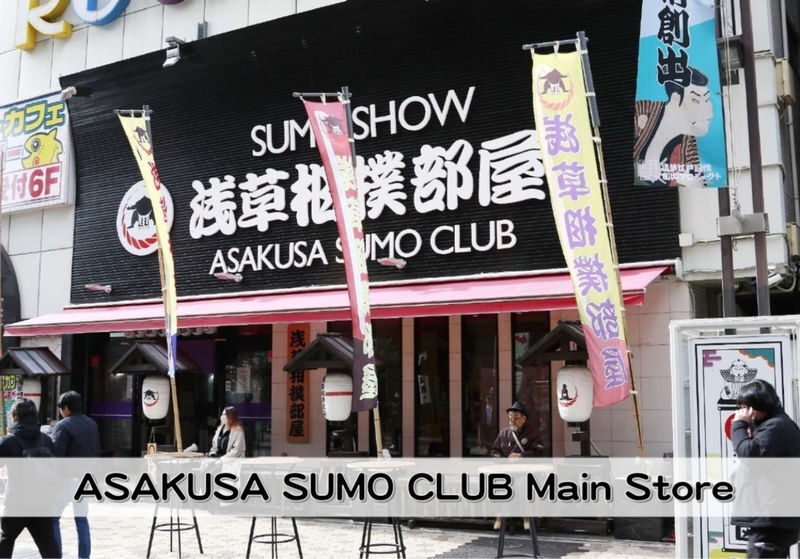
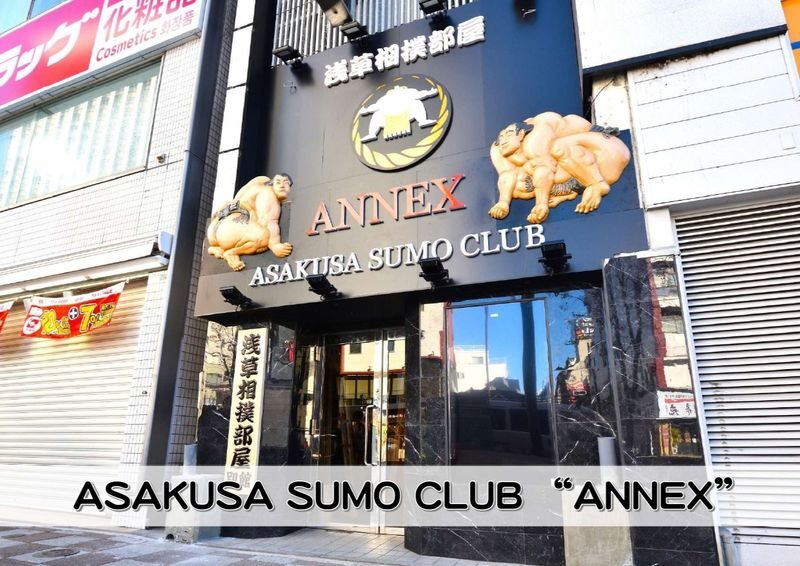
The club is at 1F, 2-10-12 Asakusa, Taito-ku, Tokyo 111-0032. It is a two-minute walk from Tsukuba Express Asakusa Station, or about six minutes from Asakusa Station on the Ginza or Asakusa lines and from Tawaramachi Station on the Ginza Line.
The address puts the show in Asakusa, where you can pair it with time in the surrounding district. One practical tip: arrive early enough to find the right venue and get settled before the performance. The main store and annex are close together, but they are not the same place.
The club is open daily from 12:00 to 22:30, though the exact show schedule is not provided here. Your mobile voucher is valid only on the date and time specified for your booking, and re-entry is not allowed once you leave.
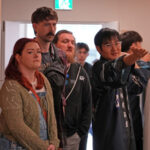
Families can find plenty to like: the explanations are accessible, the performers interact with the crowd, and the meal gives children something to enjoy between bouts. The format has appealed to families with children of different ages. Still, the humor can be broad, and some jokes may make younger children or more sensitive viewers uncomfortable.
It also works well for a first evening in Tokyo. You get food, an introduction to a national sport and a lively performance in one booking. It can be a good fit if you want a relaxed start after a day of travel, though you may be tired if you have just arrived.
Sumo fans should view it as an introduction, not a substitute for a live tournament. You will learn about rules and see techniques demonstrated, but the show features former wrestlers and only a short run of bouts. For a more traditional look at active wrestlers, seek out a sumo stable experience instead.
The activity is wheelchair-accessible, but wheelchair seating is limited. Contact the venue when reserving if you need that seating. For vegetarian or vegan food, contact the club at least two days in advance.
Book it if you want a cheerful, interactive evening with sumo demonstrations, dinner and a chance to learn the basic rules without needing prior knowledge. The bilingual commentary, hot pot, photo and souvenir give the experience more substance than a short stage performance.
Skip it if authenticity means watching active wrestlers train or compete, or if you want a long stretch of serious bouts. For most first-time visitors who enjoy a little theater with their dinner, it is a practical way to spend an evening in Asakusa. Just treat the sumo challenge as a lucky extra, not part of the guarantee.
“great experience.easy to redeem. friendly staff. nice show.”
No. The show is performed by former sumo wrestlers. If you want to watch active wrestlers train, consider a sumo stable experience in Tokyo.
Yes. Live commentary is provided in both Japanese and English.
The standard experience includes all-you-can-eat chicken chanko hot pot and a Japanese set meal. One drink is included, and additional drinks cost extra unless you choose an all-you-can-drink package.
Yes, if you make a reservation at least two days in advance. Contact [email protected].
No. The venue does not offer Halal or gluten-free meals. You may bring your own food if you have dietary restrictions.
You can apply to participate in the sumo challenge. Places are limited, and if there are too many applicants, participants are selected by lottery.
Children are welcome. Child rates apply to ages 0 to 11, while children aged 12 and older pay the adult rate. The show is playful, but some of the humor may not suit every child.
The address is 1F, 2-10-12 Asakusa, Taito-ku, Tokyo 111-0032. It is a two-minute walk from Tsukuba Express Asakusa Station and a six-minute walk from Asakusa Station or Tawaramachi Station.
The activity is wheelchair-accessible, but wheelchair seating is limited. Contact the venue when you book if you need it.
No. Re-entry is not allowed after you leave the venue.