Physical Address
304 North Cardinal St.
Dorchester Center, MA 02124
Physical Address
304 North Cardinal St.
Dorchester Center, MA 02124

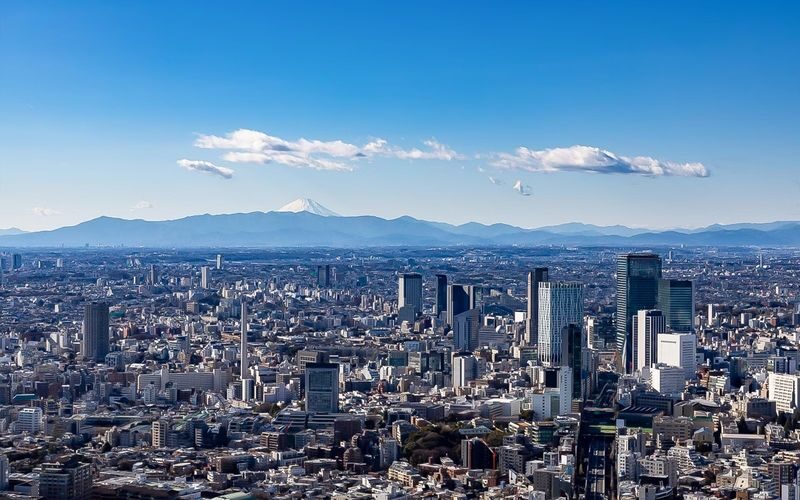
See Tokyo from the 52nd floor of Mori Tower, with views of Tokyo Tower, Skytree and Odaiba. What to know about timing, tickets and value.
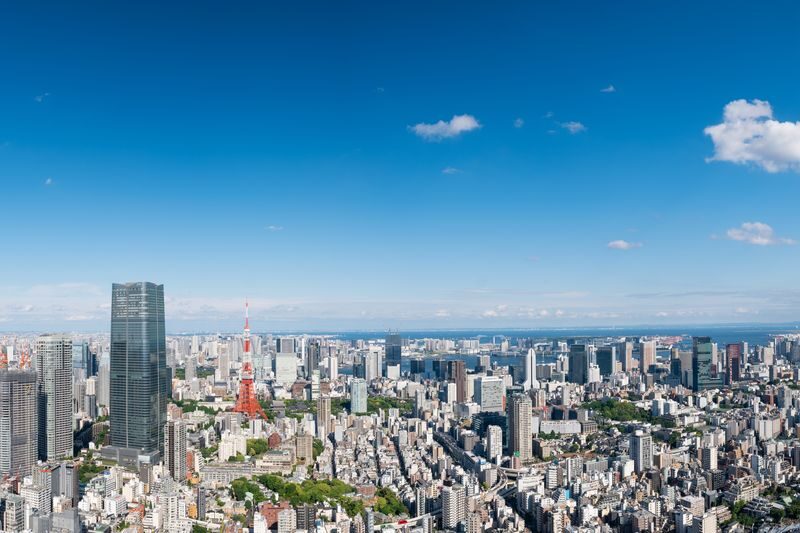
Tokyo City View gives you a high, wide look at Tokyo, with the city stretching out from the 52nd floor of Mori Tower and landmarks such as Tokyo Tower, Skytree and Odaiba in view. I like two things in particular: the near-360-degree indoor viewing area, which lets you seek out your own favorite angle, and the reasonable starting price, especially if you book at a discount.
The main catch is that this ticket covers the indoor observatory only. The rooftop Sky Deck costs extra, and the Mori Art Museum is not included. Night photos can also pick up reflections from glass or exhibition screens, so a clear view is no guarantee of a perfect camera shot.
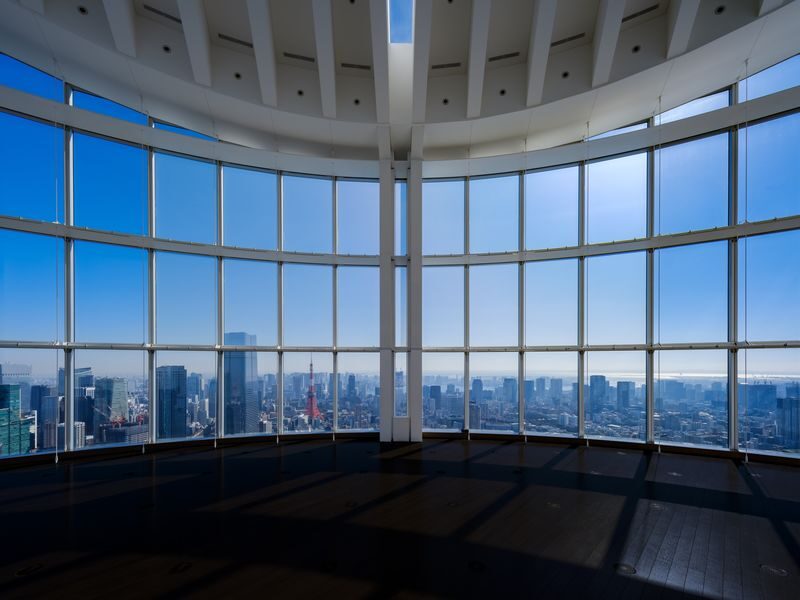
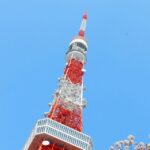
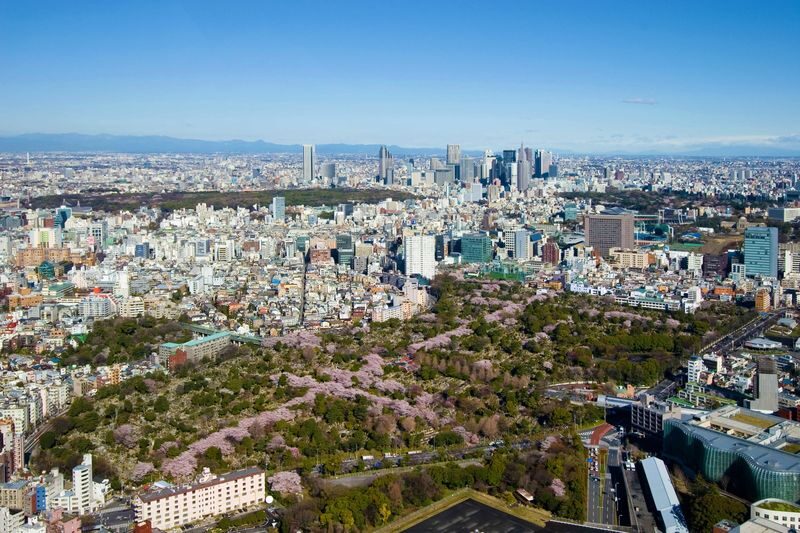
Tokyo City View is less about gawking at one famous building than getting a sense of how far Tokyo reaches. From high above Roppongi, you can scan a broad sweep of the capital and pick out landmarks you may already have visited from street level. Tokyo Tower is a particularly satisfying reference point: it gives the view a familiar shape and helps you orient yourself among the city’s many neighborhoods.
The observation floor is indoors, on the 52nd floor of Roppongi Hills Mori Tower. Its wide viewing area lets you walk around and take in different directions, rather than being limited to one fixed outlook. The view is close to 360 degrees, though the precise sightlines may change if areas are restricted for an event or construction.
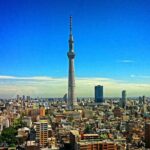
This is a useful stop near the end of a Tokyo visit. From above, districts you have crossed by train or on foot become part of one vast pattern. You may spot Tokyo Skytree, Odaiba and Ebisu Gardens, then look for places you recognize from your own days in the city. On a clear day, visibility can reach far beyond the central landmarks, but weather matters. Clouds can hide distant views such as Mount Fuji.
You might also be interested in these Tokyo experiences
Your timing shapes the experience more than the ticket price does. In the morning, the city is easier to study in daylight, and the viewing area may feel calm. One useful benefit: fewer reflections and less competition for photo spots can make it easier to take pictures without waiting for a gap.
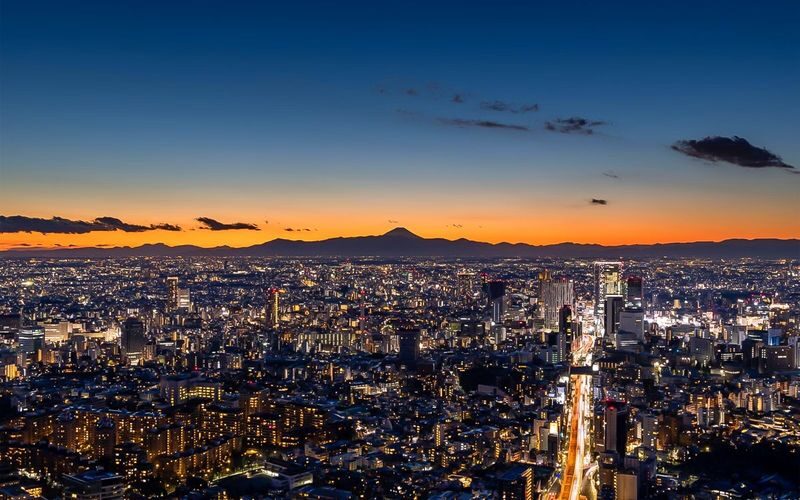
Sunset gives you the best of both moods, if the weather cooperates. You can watch daylight fade and the city lights come on, with Tokyo Tower becoming a bright focal point. That transition is a good reason to linger rather than treat the observatory as a quick photo stop. If you choose this window, allow enough time to arrive, redeem your ticket and settle in before the light changes.
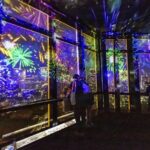
After dark, Tokyo becomes a broad field of lights, and the illuminated tower is a popular subject. The trade-off is photography through glass. Reflections from indoor lights, screens or temporary exhibition displays may show up in your photos. Try pressing your phone or camera close to the window and adjusting your angle; avoid pointing it toward bright screens. Even with careful framing, reflections may remain.
Crowd levels can vary. Some visits are quiet, particularly in the morning or later in the evening, while busy periods may mean lines to exchange tickets or enter. If you have a fixed schedule, leave a little breathing room instead of arriving at the last minute.
The address is 6-10-1 Roppongi, Minato-ku, inside Roppongi Hills Mori Tower. The ticket instructions direct you to the Museum & Observatory Tickets / Information counter on the third floor, even though the observatory itself is on the 52nd floor. Keep that distinction in mind when you arrive in the building.
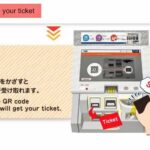
To redeem the ticket, open the link in your mobile voucher, press the Use button and show the screen to staff. Your phone needs an internet connection to load the voucher. Student ticket holders must show a valid student ID before entry; eligible student tickets are for university, vocational-school and high-school students. Children aged 0 to 3 enter free.
It is a simple process once your voucher is open, but a dead battery or weak connection can turn a quick stop into an irritating errand. I would save the voucher link in advance, make sure your phone is charged and keep the booking date handy. Staff can direct you through the building, but the ticket instructions do require you to present the mobile screen.
The admission ticket is date-specific and cannot be canceled or refunded. That matters if your plans are weather-dependent. Check the forecast and the official Tokyo City View site before booking, especially if you are counting on a distant view or have only one free evening.
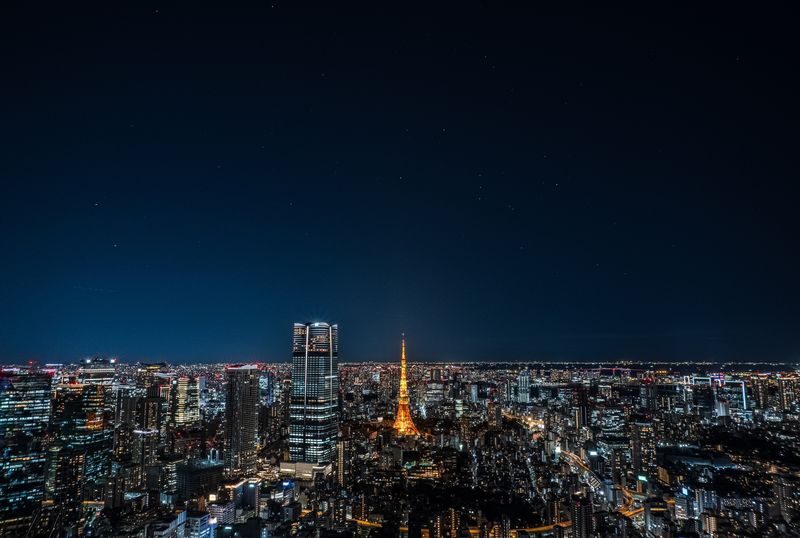
The advertised starting price is $8.55 for one Tokyo City View admission ticket. The actual price may change with the date, package or promotion, so compare the final cost before paying. The main value is straightforward: you get access to a major indoor viewpoint without paying for extras you may not want.
The rooftop Sky Deck is not included. If you want to step outside, you can buy an additional ticket at the ticket counter after showing your Klook voucher. Its stated hours are 9:00 to 21:00, with last admission one hour before closing, but hours and closure dates can change. Check current details before you go.
The Mori Art Museum is also excluded. Temporary displays or exhibition spaces may be present at Tokyo City View, but do not assume every special exhibition is included or available on your date. The observatory itself is the reliably included part.
This separation makes it easier to tailor the visit. If you mainly want the view, the indoor ticket may be enough. If you want the outdoor roof or a museum visit, check the current admission terms and add those costs to your budget rather than assuming they come with the base ticket.
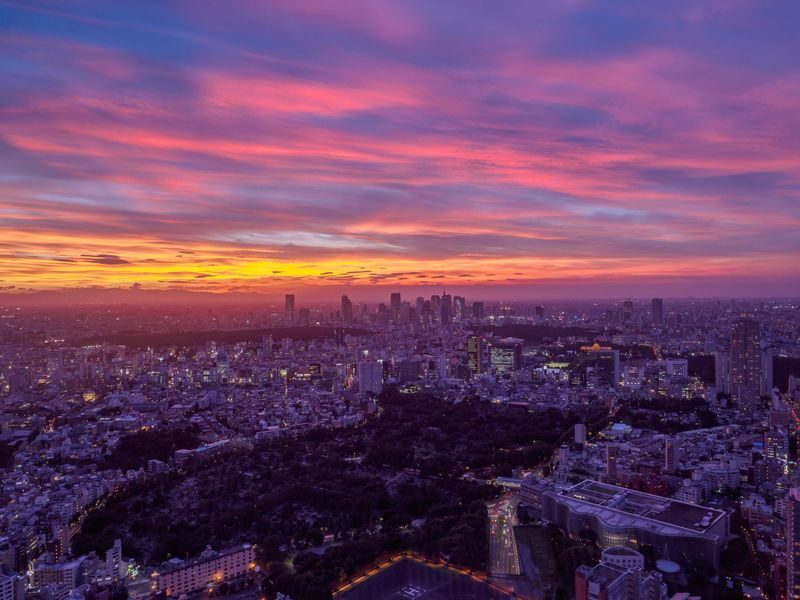
The suggested visit lasts 1 to 2 hours. That is sensible if you want to walk the viewing area, take photos, sit for a while and browse the Tokyo City View Shop. A quicker circuit may take 30 to 60 minutes, especially if your main goal is to see Tokyo Tower and get a few pictures.
Give yourself extra time if you arrive near sunset, if the observatory is busy, or if a temporary display catches your interest. Exhibitions can change the feel of the room. A display with video screens may add something to the visit, but those screens can also create glare in night photographs. Treat them as a bonus, not a guaranteed part of your ticket.
The shop sells observatory goods and other items connected with Roppongi and Tokyo. It can be a convenient place to pick up a small souvenir after the view, though shopping is optional and personal purchases are not included.
There are no restaurants or meal costs included with admission. Some dining options are in the wider Roppongi Hills complex, but there is no need to plan a special meal around the observatory ticket itself. If you have time before a timed booking, the complex gives you a place to pause; one practical option mentioned by a visitor was getting coffee nearby and charging a phone before going up.
Looking to discover more of Tokyo? Consider these other city tour options
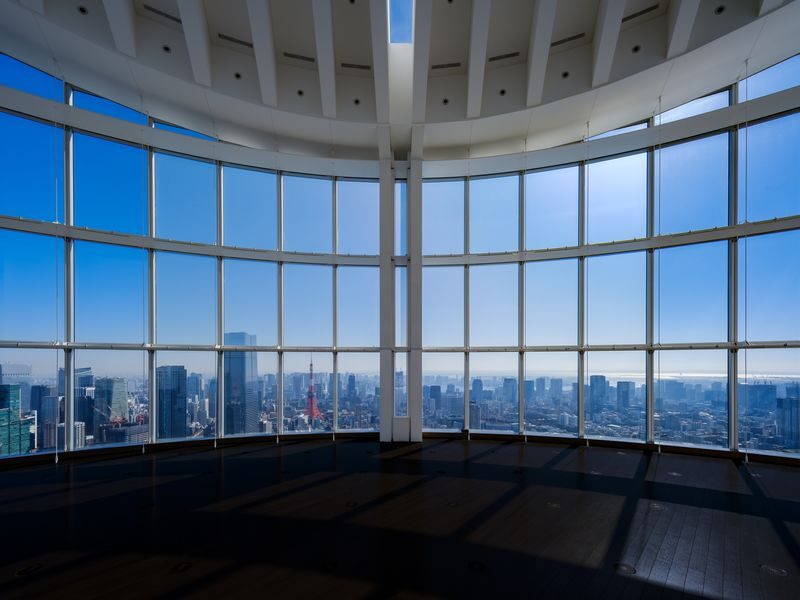
Tokyo has several high-up ways to see the city, including Shibuya Sky, Tokyo Skytree and Tokyo Tower. Each gives you a different position and feel, so there is no single best choice for everyone. Tokyo City View’s particular advantage is its view of Tokyo Tower within the wider city panorama. If you want to see the tower from a distance rather than stand on it, this is a useful vantage point.
The price can make the decision easier. At the listed starting rate, this is a relatively low-cost way to add a high viewpoint to a day in Tokyo. Discounted prices may be lower than buying at the counter, but deals change, so compare the price and rules when you book. The value is strongest if you enjoy city views, want a flexible-length visit and do not need the rooftop or museum included.
It is not automatically worth it for every itinerary. If you have already visited several observatories, or if clouds are likely to block the views you care about, you may prefer to spend the time elsewhere. And if you expect an outdoor rooftop experience, this indoor ticket alone will disappoint. Know which part you are paying for.
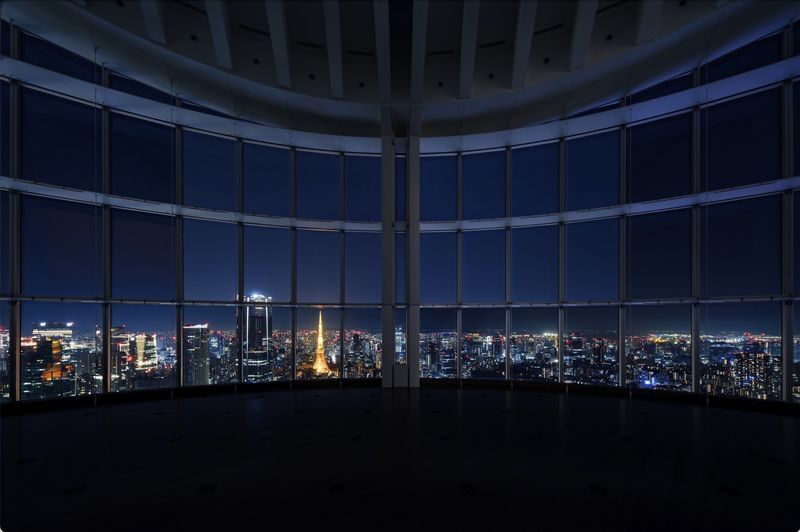
Tokyo City View’s indoor observatory is listed as open daily from 10:00 to 22:00, with last admission shown as 21:30. However, the visit information also says last admission is one hour before closing. Since those details do not match, check the official site for the current closing and admission times before you set out. Opening hours can change without notice, and no entry is allowed after the stated last-admission time.
Some areas may be closed or restricted because of events or construction. Check current notices before purchasing, since a restriction may affect part of the viewing area and does not guarantee a refund. The facility is non-smoking; designated smoking areas are elsewhere inside Roppongi Hills.
Be realistic about the weather and the ticket’s no-refund rule. A cloudy day may still offer city views, but distant landmarks can disappear. If the view is the main reason for your visit, keep an eye on conditions before you commit.
Book it if you want an affordable indoor viewpoint, especially if seeing Tokyo Tower from above appeals to you. It works well as a 30-minute stop or a slower sunset visit, and the broad outlook gives you more than a single landmark photo. The morning is a good bet for calmer viewing and easier photography; sunset is worth considering if you want to see the city change into night.
Skip it, or wait for better conditions, if you need rooftop access included, want to visit the Mori Art Museum on the same ticket, or are booking around a distant view on a cloudy day. Check the current hours and restrictions, then decide whether the indoor panorama is enough for your plans. At the starting price, it is a sensible addition to a Tokyo itinerary, provided you know exactly what your ticket covers.
“Much better than expectation.”
It is on the 52nd floor of Roppongi Hills Mori Tower, at 6-10-1 Roppongi, Minato-ku, Tokyo. Ticket redemption is at the Museum & Observatory Tickets / Information counter on the third floor.
It includes one admission ticket to the Tokyo City View indoor observation deck. It does not include the Mori Art Museum or the Sky Deck rooftop observation deck.
The listed starting price is $8.55. Prices may vary, so check the price for your selected date before booking.
The stated hours are daily from 10:00 to 22:00. The supplied information gives different last-admission guidance, so check the official website for the current time before your visit.
Not with the indoor ticket alone. You may buy an additional Sky Deck ticket at the counter after showing your Klook voucher.
Open the link in the voucher, press the Use button and show the screen to staff. Your smartphone needs an internet connection to open the voucher.
No. The ticket cannot be canceled or refunded, and it is valid only for the date and time specified when booking.
Children aged 0 to 3 enter free. Student ticket holders must show a valid student ID; student tickets are available to university, vocational-school and high-school students.