Physical Address
304 North Cardinal St.
Dorchester Center, MA 02124
Physical Address
304 North Cardinal St.
Dorchester Center, MA 02124

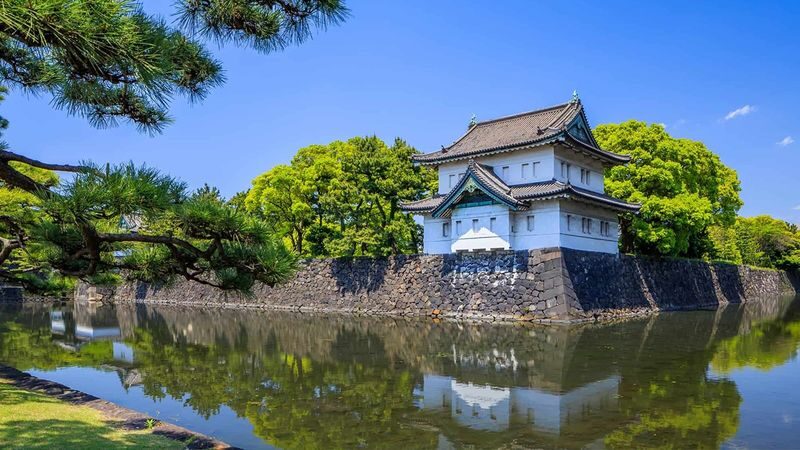
Walk Edo Castle’s gates, guardhouses, ruins, and gardens on a small-group Imperial Palace tour, with a local guide to explain samurai Tokyo.
Edo Castle was built to keep enemies out, and its gates, guardhouses, and broad stone walls still make that strategy visible in central Tokyo. On this small-group walk, a guide links the shogun’s fortress to the Imperial Palace and the modern city just beyond its grounds.
I like two things in particular: the group is capped at 10, so there is room to ask questions, and the route puts striking old defenses beside present-day Tokyo. The East Gardens also bring welcome green and seasonal color to an outing centered on history.
The trade-off is that this is a walking tour of castle grounds, not a visit inside the Emperor’s residence. Some original structures are gone, and summer heat, rain, or the route’s uphill stretches can make the walk more demanding than its relaxed tone suggests.
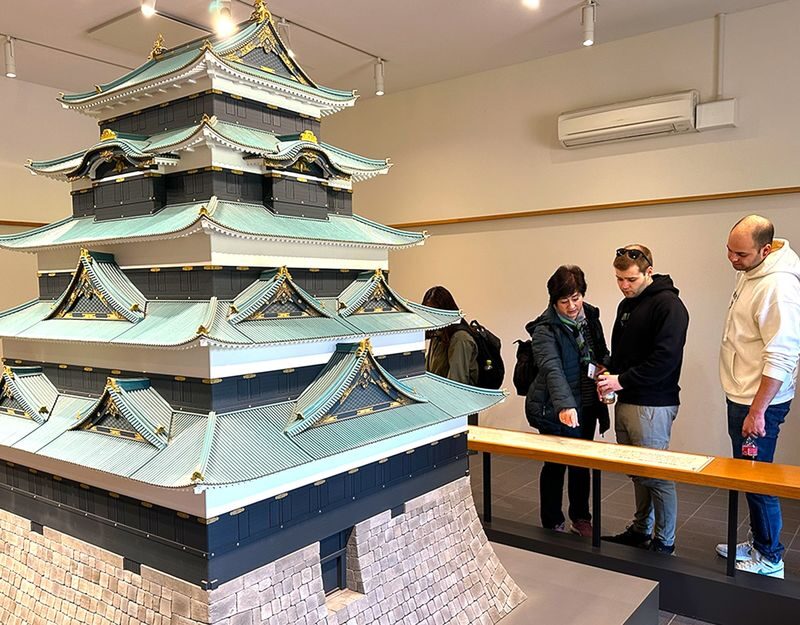
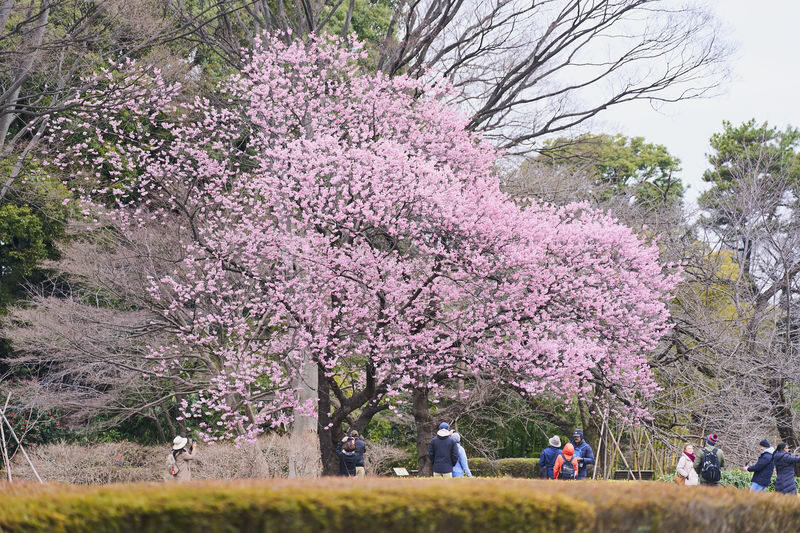
The name Tokyo Castle & Imperial Palace can suggest grand interiors and a palace visit. The actual focus is Edo Castle, the shogun’s former stronghold, and the grounds that now form part of the Imperial Palace area. You see the remains and layout of a major fortress, rather than entering the Emperor’s private residence, which is not open to the public.
That distinction is useful when deciding what to book. The tour’s interest lies in understanding the site: why a gate was placed where it was, how guards watched approaching visitors, and how a castle designed for military rule became part of the modern imperial center.
The walk also places those older defenses in a city that has changed around them. You may pass from a quiet stretch of garden to a view of Tokyo’s newer buildings, with stone walls connecting the two. I like that contrast because it gives the history a real setting, rather than turning the visit into a string of dates.
If you enjoy exploring Tokyo on foot, these walking tours might also suit your style
The route begins at Honmaru Rest House, where the guide introduces the shift from samurai government to the modern Imperial family. The tour’s broader theme is Japan’s long imperial tradition, described in the experience as a 2,600-year legacy. Treat that figure as the framing for a discussion of continuity and change, rather than a promise that every detail of the institution remained unchanged through all those centuries.
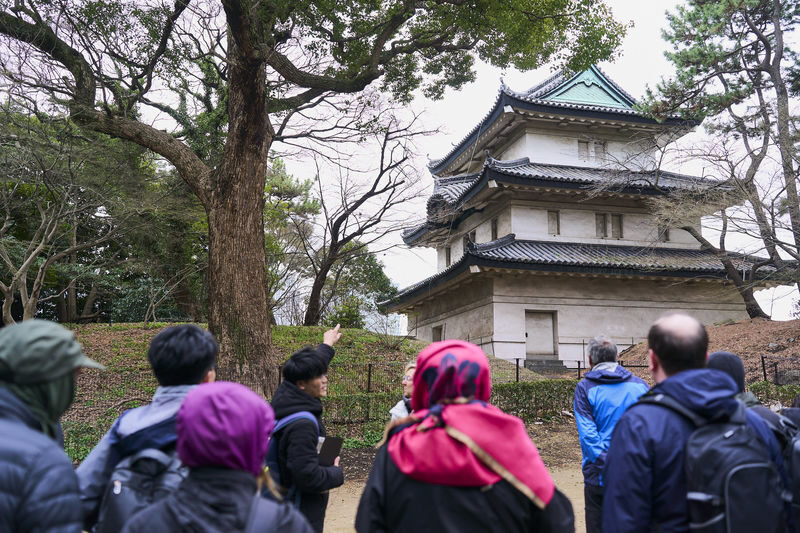
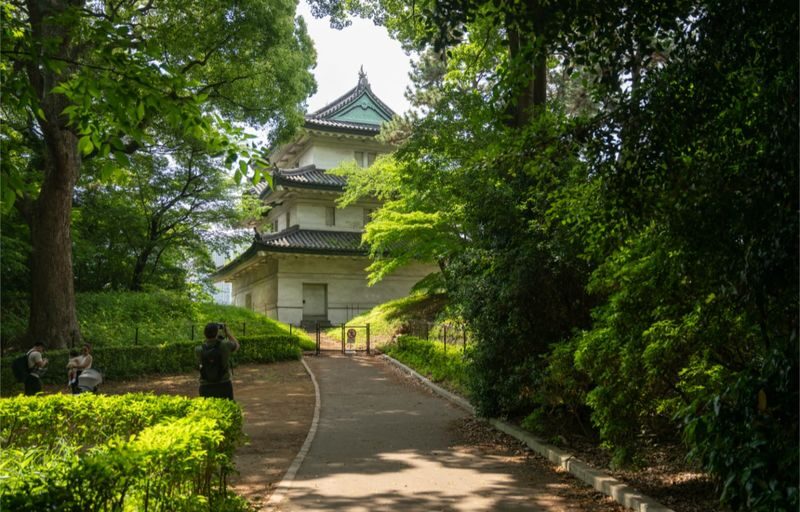
Next comes the site of Tenshukaku, the castle’s main tower. The tower itself is not presented as an intact building to tour, so this is a stop where a guide’s explanation matters. You’ll hear about the shogun and the castle’s role in his rule, while the remains help you picture the scale of the original stronghold.
That kind of interpretation is one of the tour’s strongest practical advantages. Some original structures no longer exist, but guides can connect the surviving traces to the larger story. Recent guides named in tour comments include Kodai, Koo, Kazuki, and Ichiro. The guide varies, so take those names as examples, not a guarantee; the shared strength described across tours is clear explanations and patient answers.
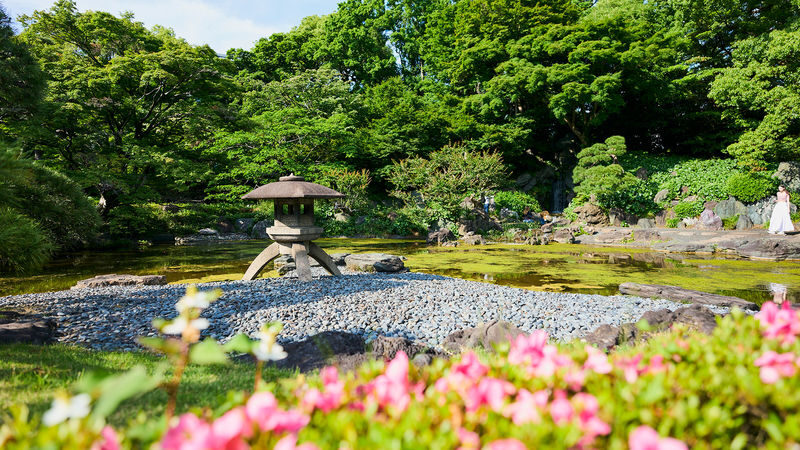
The Imperial Palace East National Gardens offer a change of pace from gates and military history. The garden is one of the route’s main attractions, with seasonal plantings and a calm setting that shows another use of the former castle grounds. It is described as a garden admired by the Emperor, though the tour does not include access to the Emperor’s residence.
I’d give this stop room in your expectations. It is not simply a pause between historical sites: the gardens help you see how the center of political power has been reshaped over time. They also offer a more peaceful setting for photographs and a breather from the city streets.
The grounds can involve uphill walking, and one family reported that the guide adjusted the pace and took breaks during hot weather. That is a useful reminder to bring water and sun protection, especially in warm months. The schedule can change with weather conditions, so don’t plan your day around a precise stop-by-stop timetable.
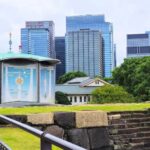
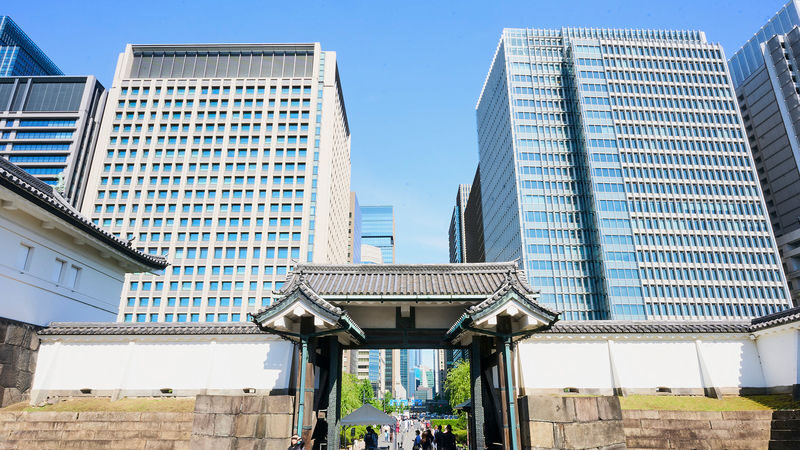
At Sakuradatsumiyagura, a watchtower from the samurai era faces a very different Tokyo. The juxtaposition is part of the appeal: you can look at a defensive structure and then take in the city that grew beyond it. It’s a compact way to understand how much the capital has changed without losing every trace of its earlier form.
Otemon, the main gate on the route, is presented as more than an entrance. Its layout reflects the defensive thinking behind a samurai castle, where controlling movement and slowing an attacker mattered. The guide can help you notice details you might otherwise pass without a second look.
The Bansho guardhouses add another layer. The route names the first, second, and third guardhouses and highlights the people who protected the shogun’s castle. The promotional description uses the phrase Ninja blood, but the useful point for you is the role of guards and controlled access in the castle’s defenses, not a promise of a theatrical ninja show.
The walk also visits Fujimi-yagura, another tower linked to the shoguns and the events of their era. Taken together, these stops help explain why Edo Castle is described as a fortress never breached. The value is in seeing how gates, guards, and watchpoints worked as a system, rather than treating each structure as an isolated photo stop.
With no more than 10 people, this tour is well suited to questions. That matters on a site where much of the original castle is gone: you may want to ask what a structure once did, how the shogun’s authority related to the Emperor’s, or what details you should look for in a wall or gate.
The guides named most often in the supplied comments include Kodai and Koo, with Tatsuya, Kazuki, Ichiro, Miho, and others also mentioned. Several descriptions focus on friendly delivery, clear explanations, and patience with questions. A guide’s style always varies, but the small group makes conversation a central part of the format rather than an afterthought.
Families with children can consider the tour too. One family with children aged 10 and 11 found the historical explanations engaging, and a family of four appreciated having a group of six in total. Children aged 0 to 6 are listed as free. Still, the activity is a walking tour through outdoor grounds, so think about your children’s comfort with walking and the day’s weather.

The experience is advertised from US$13.29, while the Imperial Palace package is also shown from US$18.99. Those figures do not match, so check the package and selected departure time at booking rather than assuming the lower price applies to every option. At either price, the main value is the guide’s context and the small group, not admission to a palace interior.
Departure times listed are 09:00, 10:30, 12:00, 13:30, and 14:30, with return times that depend on the selected departure and itinerary duration. The meeting point is in front of Starbucks Coffee at Wadakura Fountain Park in the Imperial Palace Outer Gardens, at 3-1 Kokyo Gaien. Arrive 15 minutes early and look for a guide holding a Local Guide Stars sign.
The listed return point is Tokyo Station, at 1 Chome-9 Marunouchi. The schedule may change due to weather, and the walk can take longer when the group needs breaks. The tour is described as relaxed, but allow some flexibility before making a tight onward plan.
Bring walking shoes and either sunscreen or a raincoat or poncho. There is a security check to enter the Imperial Palace area, and knives and alcohol are not allowed. Luggage storage is not provided, so bring only what you are comfortable carrying. Tips are not included.
Book it if you want a clear introduction to samurai rule, Edo Castle’s defenses, and the Imperial Palace grounds without arranging a private guide. It is especially useful early in a Tokyo visit, when a local guide can also answer broader questions about the city and Japan. The small group and outdoor route suit couples, solo visitors, and families who enjoy learning while walking.
Skip it if your priority is going inside the Emperor’s residence, seeing a fully preserved castle tower, or avoiding a fair amount of walking. The original structures are incomplete, and the experience depends in part on your guide’s ability to bring the remains to life.
For most visitors curious about Japanese history, the balance is good: a modest-cost walk, a manageable group, and a route that makes the old capital’s defenses legible in present-day Tokyo. Check the package price, choose a departure that leaves room in your day, and dress for the weather.
“Great tour. Knowledgeable and kind guide.”
The group is limited to 10 people.
Yes. English-speaking staff are included.
Meet in front of Starbucks Coffee at Wadakura Fountain Park, in the Imperial Palace Outer Gardens, at 3-1 Kokyo Gaien, Chiyoda City.
Arrive 15 minutes before your selected departure time.
The listed return point is Tokyo Station, at 1 Chome-9 Marunouchi, Chiyoda City.
No. The Emperor’s residence is not open to the public.
Wear walking shoes. Bring sunscreen or a raincoat or poncho, depending on the weather.
Yes. Children aged 0 to 6 are listed as free.
There is a security check to enter the Imperial Palace area. Knives and alcohol are not allowed.
No. Luggage storage services are not provided.