Physical Address
304 North Cardinal St.
Dorchester Center, MA 02124
Physical Address
304 North Cardinal St.
Dorchester Center, MA 02124

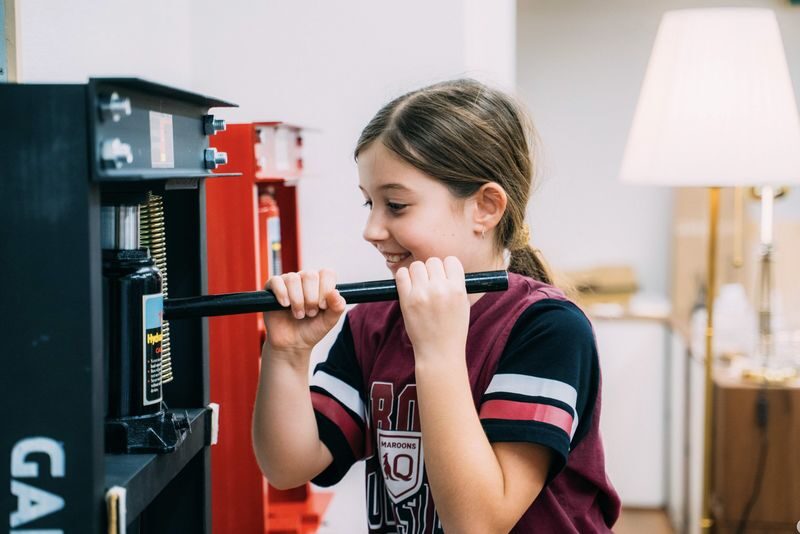
Make a vintage-coin ring in central Kyoto with English-speaking guidance, hands-on instruction, and a wearable souvenir in about 40 minutes.
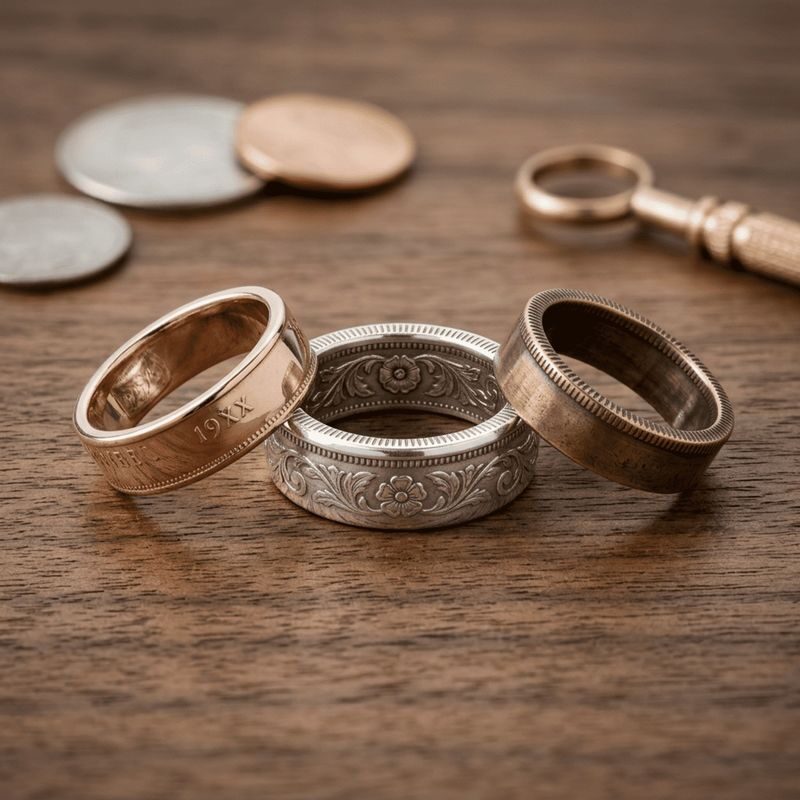
A coin becomes a keepsake you can wear: at Musubi’s Kyoto workshop, you choose a vintage Japanese or international coin and help shape it into a ring. You can take the finished piece with you, so this is a hands-on souvenir rather than another small object destined for a drawer.
I like two things in particular: you make the ring yourself, with an instructor there to guide you, and you can pick from coins with designs from Japan and other countries. One consideration: the advertised price starts at $12.65, but rare coins and engraving cost extra, so check the options before you settle on a budget.
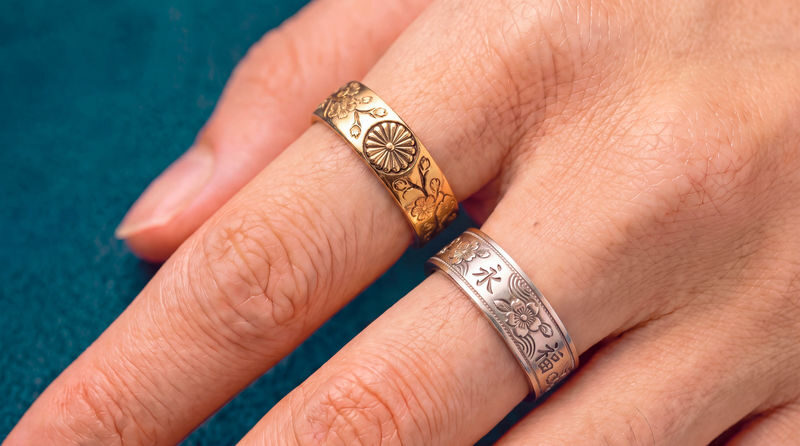
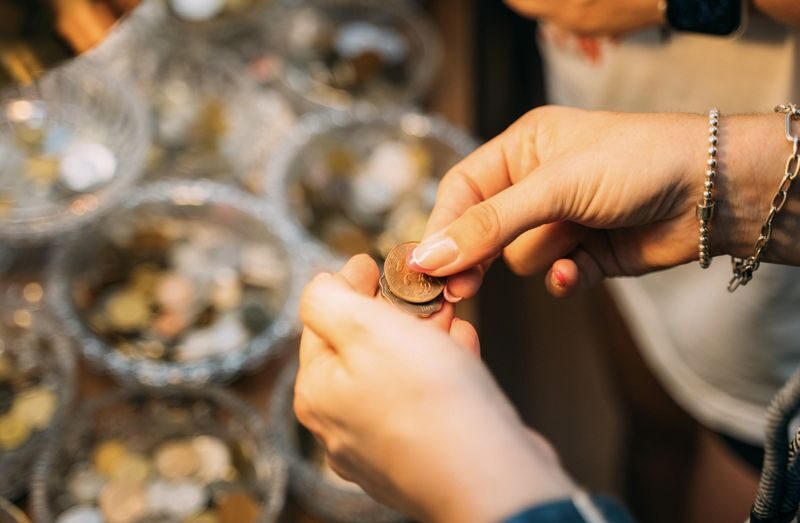
The workshop begins at Musubi Coin Ring Making Workshop, on the second floor of Kawaramachi Eight Building. Instead of buying a ready-made souvenir, you choose a vintage coin and work with an instructor to turn it into a ring. The choice of coin is a big part of the appeal: you can look for a Japanese design or pick from international coins, then make a wearable reminder of your time in Kyoto.
This is a short, guided craft session, not a long jewelry-making course. You use the workshop’s tools and equipment, and staff walk you through the work and show you how to handle the tools safely. That support matters if, like many people, you have never made a ring before. You still take part in each step, but you are not expected to figure out unfamiliar equipment on your own.
The session includes a basic textured finish and polishing. Engraving is available for an extra fee, as are rare and premium Japanese vintage coins. The basic option is enough to make the activity feel personal, so I would treat add-ons as choices rather than necessities. If a particular coin or finish matters to you, ask about the cost before committing.
Looking for more options in Kyoto? Here are some other experiences worth considering.
The experience takes place at one address: Kawaramachi Eight Building, second floor, at 410-2 Nambacho in Kyoto’s Shimogyo Ward. You meet there, make your ring during a guided session of about 40 minutes, and finish back at the same building. There is no transport between sights or walking route through Kyoto to factor into your plans.
That compact format is useful if you want a creative break between other activities. It is also worth being clear about what you are booking: the focus is the coin and the making process, not a broader introduction to Kyoto or a tour of the neighborhood. If you are looking for a craft activity that gives you something to take home, the time is well spent. If you want a full afternoon of cultural programming, this alone will feel brief.
Appointment times are offered throughout the day, from 10:00 in the morning into the evening. Your selected time matters, so arrive promptly at the second-floor meeting point. The return time depends on the departure time you choose and the session length.
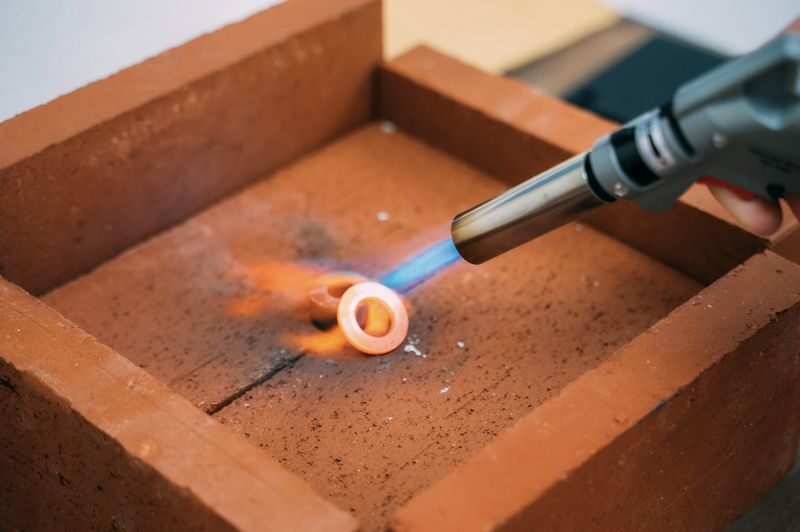
A ready-made souvenir can be lovely, but it rarely carries much of your own story. Here, you make decisions from the start, beginning with the coin and continuing through the work itself. The result is a ring with a specific link to your Kyoto trip: you chose the design and helped make the object.
That hands-on element also makes the activity more than a shopping stop. The equipment gives you a chance to try something new, while the instructor keeps the process manageable. You do not need previous craft experience. The point is not to become a jeweler in 40 minutes, but to leave with a ring you helped create and a better sense of how it came together.
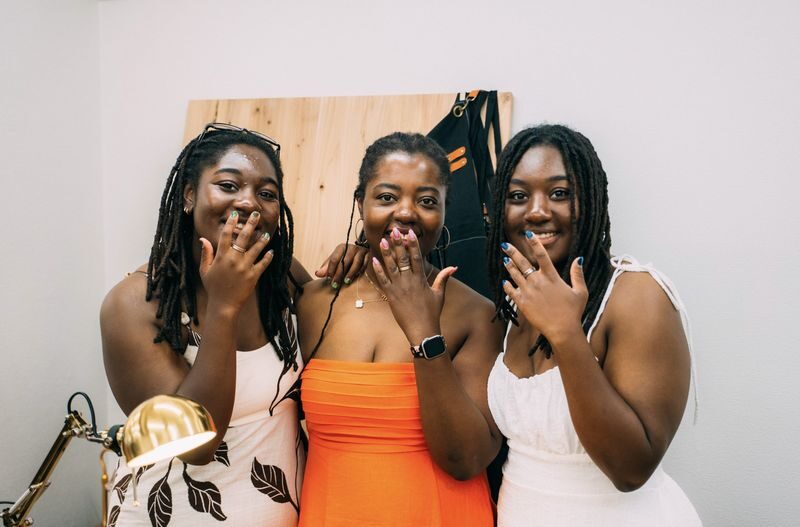
People have made rings as couples, with friends, alone, and as a family activity. The workshop has also been used to make rings for partners and children, and baby rings have been possible. Children and infants must be included in the passenger headcount when booking. Because the activity involves tools and equipment, follow the instructor’s directions closely.
The starting price is $12.65, which makes the basic session appealing if you want a memorable activity without spending heavily. The included package covers admission to the workshop, the instructor, tools and equipment, and a basic textured and polished finish. That is the core experience, not a bare entry fee that leaves you to supply your own materials.
The final cost can rise if you choose a rare or premium Japanese coin or add engraving. Those options may be worthwhile if you have a specific design in mind, but you do not need an upgrade for the activity to make sense. A basic coin and finish can still produce a personal souvenir. Before you begin, ask what is included and what any preferred upgrade will add to the price. That simple check helps keep the experience enjoyable rather than turning the coin choice into a sales decision.
The value here is not only the finished ring. You are paying for a short, guided activity and the chance to make the object yourself. For a visitor who values doing something over simply buying something, that can be a fair trade. For someone mainly seeking an inexpensive piece of jewelry, compare the complete price, including any extras, with what you would pay for a ready-made ring.
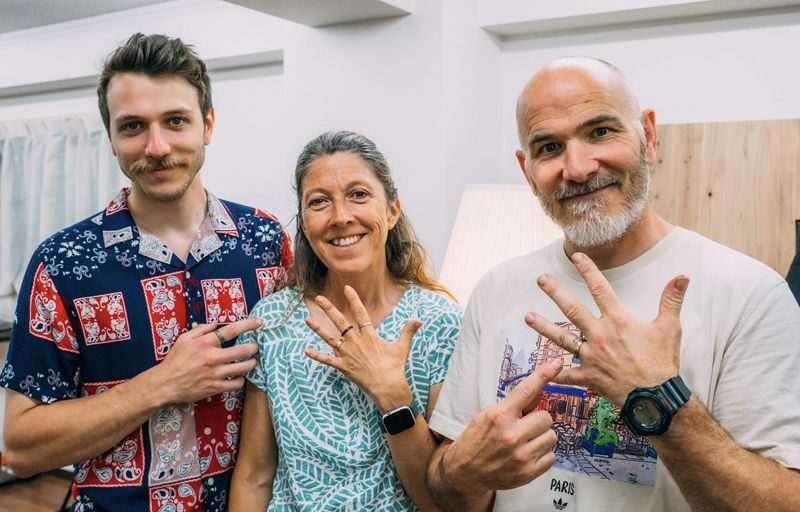
English-speaking guidance is included, and the instructor explains the process step by step. The names of staff mentioned by participants include Taro, Sofia, Ren, Mayumi, and Nau. Staff support is one of the main reasons this activity can work for first-timers: you can ask for help as you go, rather than being left alone with tools and a coin.
A useful practical tip is to take your time with polishing. Some people prefer to keep more of the coin’s original relief, while others may want a brighter finish. Since polishing changes how the design looks, it is sensible to ask the instructor about the result before you spend too much time buffing. The basic finish is included; other polishing options may cost extra, so clarify those details as well.
Most of the feedback about the activity is strongly positive, particularly about patient instruction, friendly staff, and the satisfaction of making a ring. But no hands-on workshop is guaranteed to run perfectly every time. One participant described problems with equipment and felt the staff were not helpful, along with concern about upselling. That is a useful reminder to ask questions early, especially about coin sizing, available options, and extra costs. The overall picture is encouraging, but the experience does depend in part on clear instruction and working equipment on the day.
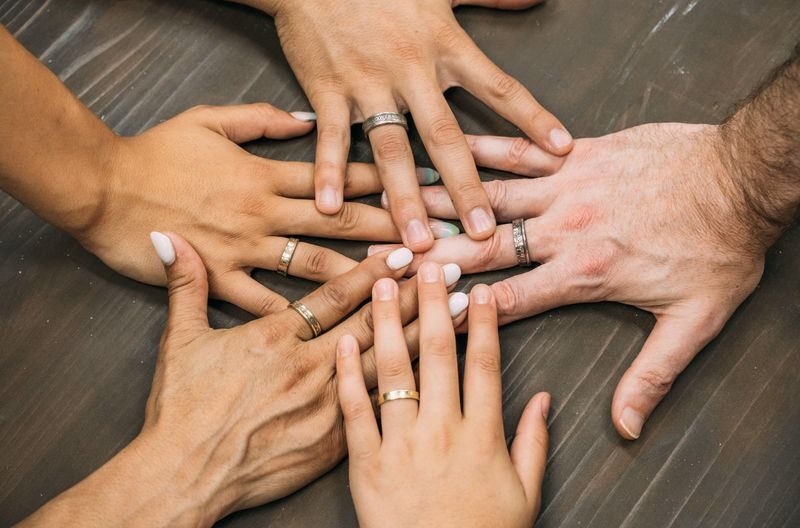
I’d put this high on the list for couples, friends, and solo visitors who want a small, personal souvenir and enjoy trying a craft. It works well as a shared activity because each person can choose a different coin and make a separate ring. It can also be a sweet way to mark a honeymoon, birthday, or other special trip, without taking up half a day.
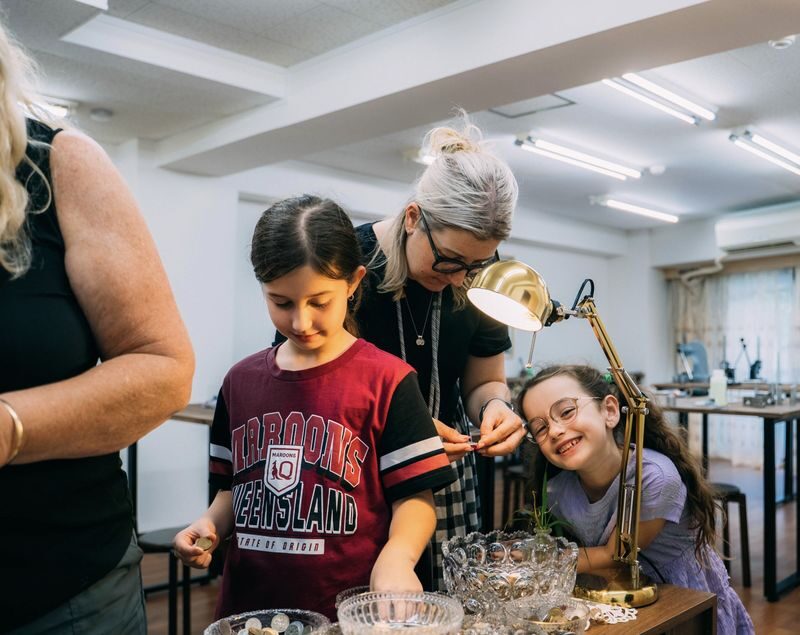
Families may find it appealing too. Children have taken part, including a five-year-old, and baby rings have been made. Still, the booking rules require infants and children to be counted, and an adult should be ready to help a young child follow the instructor’s directions. The workshop prohibits pets.
This is less suitable if you want a quiet, self-guided activity or need a long, in-depth jewelry class. The session is brief and instructor-led, and the aim is a finished souvenir rather than a full course in metalwork. It is also not the best pick if your main goal is a guaranteed low final price and you are likely to want premium materials or engraving.
The meeting point is on the second floor of Kawaramachi Eight Building, at 410-2 Nambacho, Shimogyo Ward, Kyoto, postal code 600-8027. Check your map and appointment details before setting out, since the building entrance and the workshop floor are easy details to overlook when you are moving through an unfamiliar area.
You can present a mobile voucher. Confirmation is usually immediate, and the activity is valid only on the date and, where applicable, the time selected. Changes are allowed until 24 hours before the activity starts, subject to stated booking exceptions. You can cancel for a full refund at least 24 hours before the activity date in local time. Pets are not permitted.
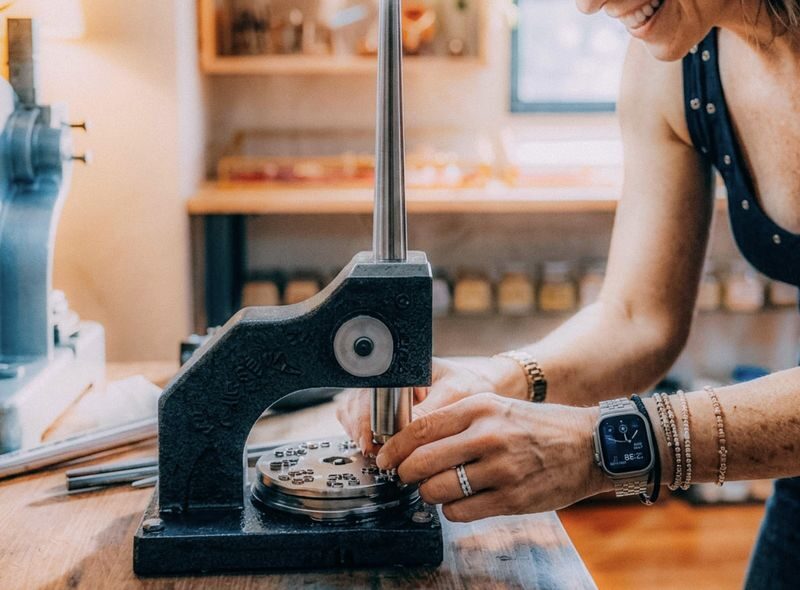
Book it if you want a short, hands-on Kyoto activity with a useful keepsake at the end. The strong points are the freedom to choose a coin, one-to-one guidance through the making process, and a finished ring you can wear home. At a starting price of $12.65, the basic version offers good value for anyone who enjoys making rather than merely buying a souvenir.
Before booking, decide how much you are willing to spend on upgrades and ask about any coin or finish you have in mind. If you are happy with the basic option and want a memorable 40-minute break, this is an easy activity to fit into a Kyoto day. If you expect a long craft class or a no-add-ons premium finish at the base price, look elsewhere.
“such a great experience and one of a kind souvenir! you get to do each step yourself with wonderful guidance. 10/10!!”
The guided workshop lasts about 40 minutes.
Meet on the second floor of Kawaramachi Eight Building, at 410-2 Nambacho in Kyoto’s Shimogyo Ward.
Yes. You can choose from Japanese and international vintage coins. Rare and premium Japanese vintage coins cost extra.
Yes. An instructor guides you through the process, and the activity includes the use of tools and equipment. English-speaking guidance is included.
No. The basic finish includes texture and polishing. Engraving is available for an additional fee.
Children and infants must be included in the passenger headcount when booking. Pets are prohibited.