Physical Address
304 North Cardinal St.
Dorchester Center, MA 02124
Physical Address
304 North Cardinal St.
Dorchester Center, MA 02124

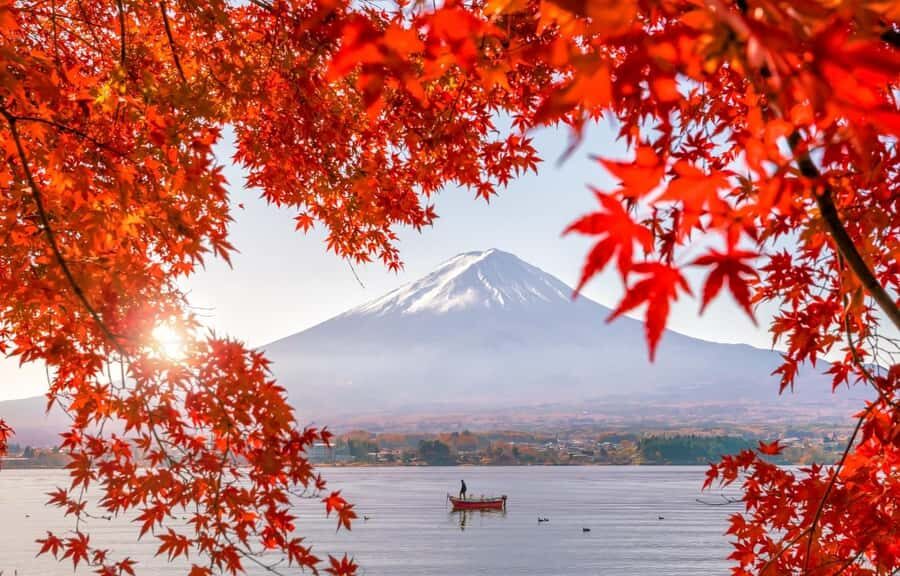
See Mt. Fuji from shrines, spring-fed ponds, Lake Kawaguchi and a famous Lawson on a guided day trip from Tokyo for $53.
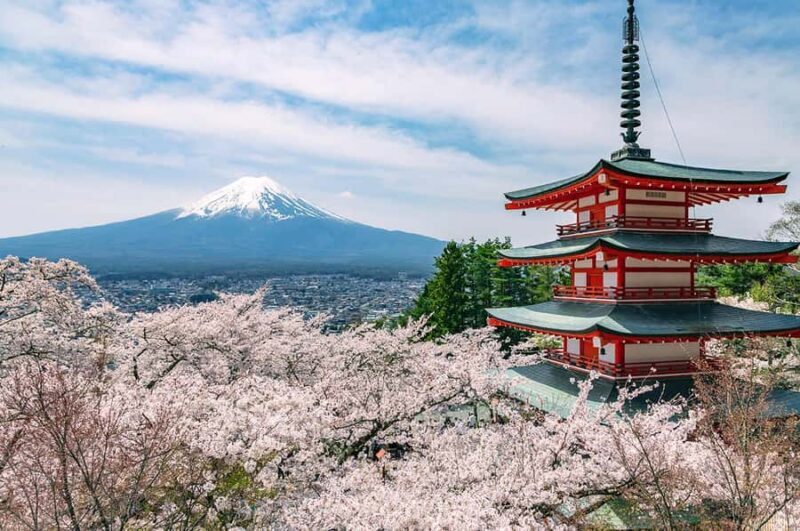
Mt. Fuji gets its grand entrance at Arakurayama Sengen Park, where a five-story pagoda, Fujiyoshida and Japan’s highest peak can share one frame. I like this tour for two reasons: it pairs that famous view with the clear springs of Oshino Hakkai, and it takes you between far-flung sights by coach instead of asking you to puzzle out rural buses.
The trade-off is a full day on a fixed schedule, with traffic and crowds able to change the plan. Fuji may also hide behind clouds, so book for the broader mix of places, not for a guaranteed mountain portrait.
At a glance
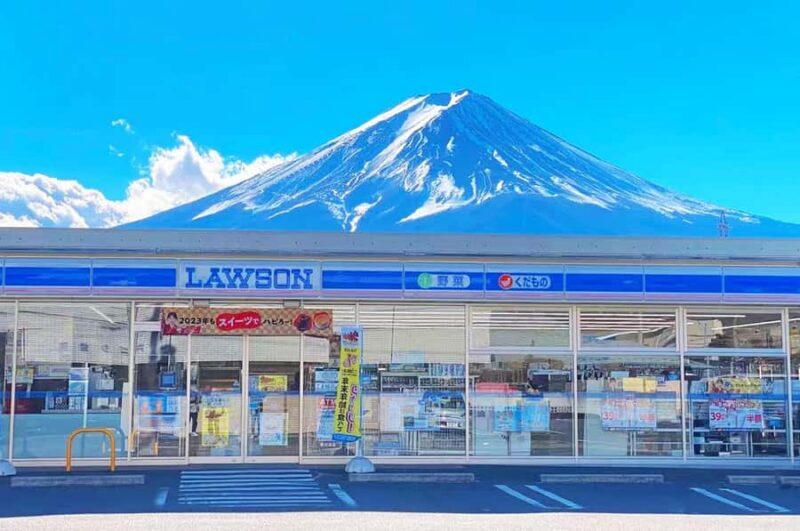
The route brings you to several of the Fuji area’s best-known sights in one day, from a sacred shrine and a pagoda above town to spring-fed ponds and a lakeside park. That variety matters: you get more than a succession of roadside photo stops, even if the day’s pace is brisk.
I especially like the contrast between Oshino Hakkai’s quiet, clear water and the broad Fuji view at Lake Kawaguchi. The tour also takes in Honcho Street, where a clock shop and traditional shopfronts give the mountain a more everyday backdrop than the grand shrine-and-pagoda shot.
You can check availability for your dates here: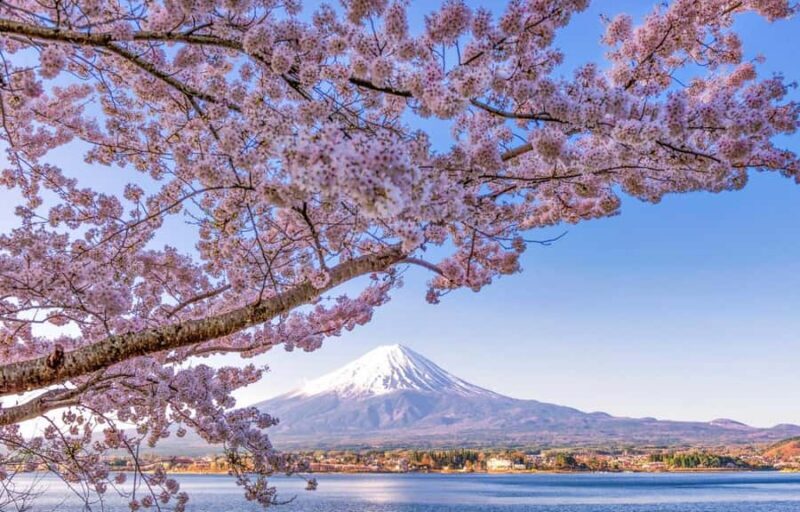
The tour costs $53 per person and lasts about 10 hours, with Tokyo pickup and drop-off by coach. For that price, transportation between several rural sights and admission to attractions are included. It’s a useful deal if you want to see a lot without arranging each connection yourself.
But you should not treat the schedule as a promise of exact timings. Congestion, crowds and weather can alter the route or time at each stop. The mountain’s visibility is never guaranteed, and the tour does not include food or drinks.
Looking for more options in Tokyo? Here are some other experiences worth considering.
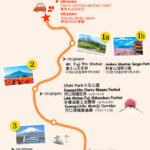
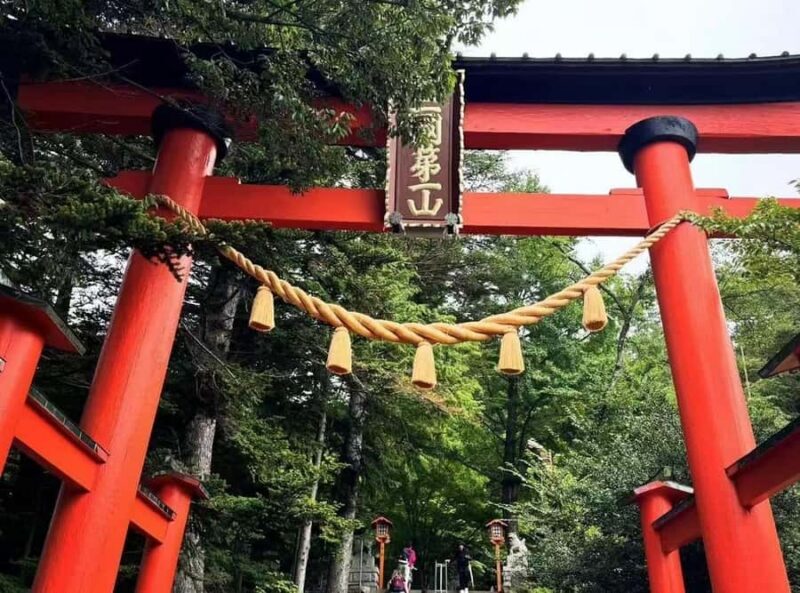
The day begins with a coach ride of about two hours from Tokyo. The first major stop is Arakurayama Sengen Park, home to Arakura Fuji Sengen Shrine and the well-known Chureito Pagoda viewpoint. The walk up includes 398 steps, so wear comfortable shoes and allow for the climb when deciding if this tour suits you.
The reward is a layered view of Mt. Fuji, the red pagoda and Fujiyoshida below. In spring, cherry blossoms can frame the scene; autumn brings foliage, while winter can put snow on the peak and surrounding slopes. These are seasonal possibilities, not set dressing that appears on demand.
The park and shrine area receive about an hour in the schedule, with sightseeing and photos at the pagoda and shrine. If the view is clear, you may find yourself wanting more time. If clouds cover Fuji, the pagoda and town still give the stop interest, but the famous composition loses its main subject.
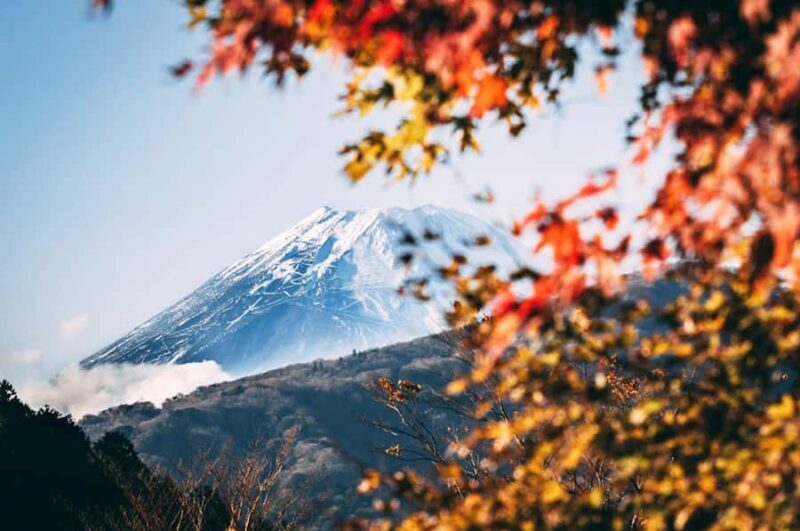
Next comes Hikawa Clock Shop and Honcho Street, sometimes described as Fuji’s Sky Ladder Town. The street’s traditional shopfronts and view toward the mountain offer a different sort of photograph: less formal than the pagoda, with local town life in the foreground.
The stop is brief, about 20 minutes, so think of it as a stroll and a chance to look around rather than a long visit to shops. The appeal lies in the contrast between an ordinary street and the mountain that seems to sit at its far end. It’s a useful pause between the shrine steps and the day’s next major stop.
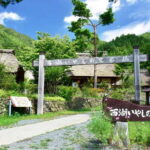
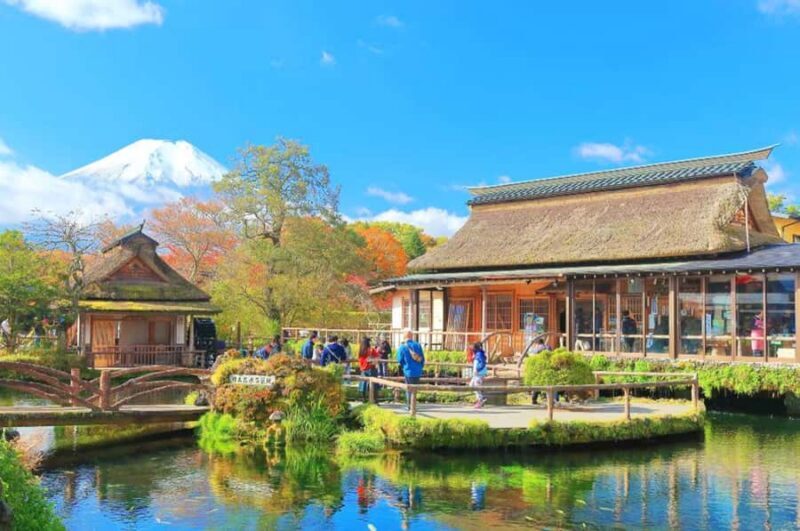
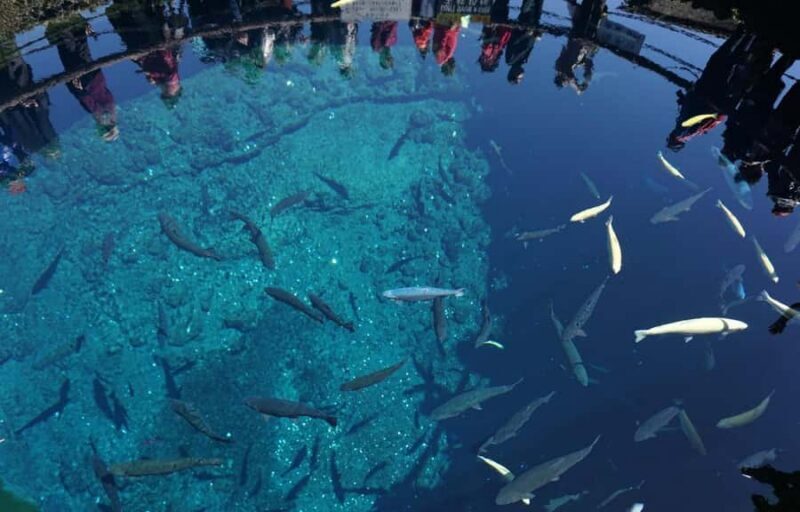
At Oshino Hakkai, Mt. Fuji’s snowmelt filters through the ground over many years before emerging in eight clear springs. The village is recognized as a Natural Monument and is part of the Mt. Fuji UNESCO World Heritage area. Its ponds, rural setting and traditional character make this a welcome change from the elevated viewpoints.
You get about an hour for the guided visit and sightseeing. Look for the water itself, not just the photo opportunities: its clarity is the point, and the springs help explain how Fuji’s snow and volcanic terrain shape the region. Cash is worth carrying, since some places may not accept cards.
Lunch is not included. The schedule also allows a 40-minute break at a local restaurant, and you can bring food, buy something at the attractions or follow the guide’s suggestion. Since food is not allowed on the vehicle, plan to eat during the stop rather than on the ride. If you need a sit-down meal, keep the limited break time in mind.
More Great Tours NearbyLake Kawaguchi gives you another angle on Fuji, this time across open water. At Oishi Park, on the lake’s northern shore, seasonal flowers add color to the mountain view. Cherry blossoms can coincide with a festival on the northern shore; in autumn, the Maple Corridor offers red foliage against the peak.
The roughly 40-minute Lake Kawaguchi stop is a short visit, so you may need to choose between lingering over the view and seeking out particular photo angles. Seasonal displays depend on when you go, and the advertised blossoms or leaves are not guaranteed to be at their best on a particular day.
The Mt. Fuji Assembly Memorial Monument, made from rocks sourced across Japan, adds a symbolic note to the park. Still, the main draw is the setting: lake, flowers and Fuji in one view, when the weather cooperates.
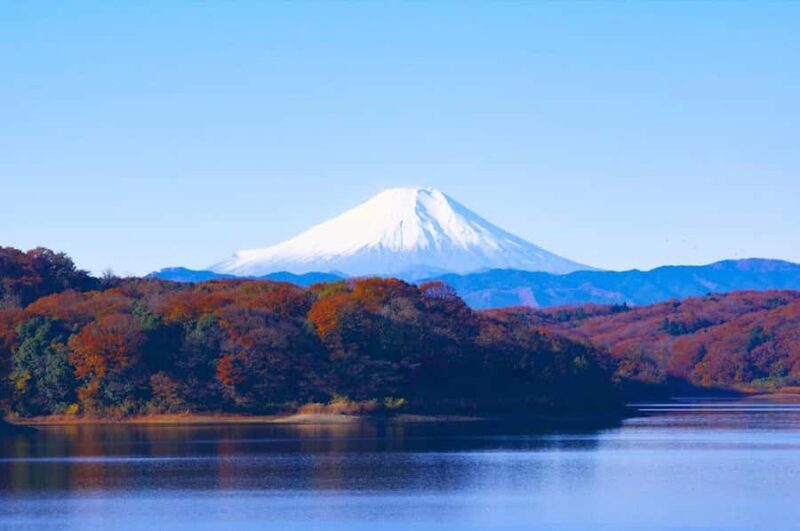
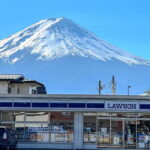
The final photo stop is a Lawson convenience store in Fujikawaguchiko, where the familiar shop and Mt. Fuji make an unusual pairing. The tour gives you around 20 minutes here to rest and take photos from the area around the store.
It’s a modern, slightly playful end to a day built around shrines, old streets and natural springs. The stop is brief, and it is not a separate attraction in the usual sense. If you enjoy seeing how contemporary Japan and its most famous mountain share the same frame, it earns its place. If you prefer only historic or natural sights, this may be the easiest stop to treat as a quick break.
The coach is a practical part of the experience, not just a ride between photo stops. It links places that would take more planning to visit independently, and the two-hour journeys each way give you a chance to rest between walks. The vehicle is air-conditioned, with a professional driver.
The tour runs with groups from different countries, and guides may explain things in multiple languages. English, Chinese, Japanese and Korean are listed. Guide names vary by departure; guides on recent tours have included Anna, Yuma, Sawaki, Sia, Peter and Erina. Communication and pacing matter on a day with several stops, and the guide also helps keep the group on schedule. You’ll receive the guide, bus and driver details by 9:00 PM the evening before departure.
This is a group outing, so you won’t set the pace or linger wherever you like. The benefit is that the guide handles the route and timekeeping; the cost is less flexibility. If traffic or other conditions intervene, the order of stops or time spent at them may change.
Spring brings the prospect of cherry blossoms around Fuji and Lake Kawaguchi. Autumn offers changing leaves, including the Maple Corridor, while winter can give you a snow-covered summit that photographs well against clear skies. Summer is the stated season for trekking, but this tour is a sightseeing day trip, not a climb up Mt. Fuji.
The weather matters in every season. Fuji can be obscured even when other parts of the day go smoothly. A clear view at the first stop does not guarantee a clear view later, either. If seeing the mountain is your only reason to book, consider that uncertainty carefully. If you also value the springs, shrine, town street and lakeside stops, the day has more to offer when clouds roll in.
At $53, the tour includes coach transportation, a professional driver, a guide and admission to attractions. The price is attractive for a day that covers several places outside Tokyo, especially if you would otherwise need to arrange transport between them. The most valuable feature may be the convenience of reaching all these stops in one outing.
The price does not include meals, drinks or personal expenses. Bring water and some cash, and budget for lunch or snacks. This is not a slow, specialist visit to one site; it is a broad introduction to Fuji’s surroundings. You trade depth and free time for range and simple transport.
I’d choose it if you have one day for the Fuji area, want a mix of natural and cultural stops, and are happy to follow a group schedule. It suits first-time visitors, photographers who want several familiar views, and anyone who would rather ride between sights than work out local connections.
It is less suitable if you need an unhurried day, want to hike Mt. Fuji, or have dinner plans that depend on getting back to Tokyo at an exact time. The tour warns of possible traffic delays, so leave your evening open. The experience is also marked not suitable for people over 95. Although the activity information describes it as wheelchair accessible, it also lists wheelchair users as unsuitable, so confirm directly before booking if access is essential.
Book this tour if you want a practical, affordable way to visit the Fuji area’s major viewpoints and don’t mind a packed day. Chureito Pagoda, Oshino Hakkai and Lake Kawaguchi give the route real variety, while the guide and coach take care of the logistics.
Skip it if you need guaranteed Fuji views, a flexible schedule or a long meal break. For a first visit from Tokyo, though, the mix of sacred sites, spring water, town streets and lakeside scenery makes a persuasive day out, provided you bring comfortable shoes, water, cash and realistic expectations about the weather.
“Sato is Good guide, it was cool and fun, we appreciate, good trip tokay !”
The tour lasts about 10 hours. The listed schedule runs from an 8:00 AM departure in Tokyo to an expected 6:00 PM return, though traffic can affect the timing.
The price includes attraction admission, an air-conditioned coach, a professional driver, pickup and drop-off at the meeting point, and a guide. Meals, drinks and personal expenses are not included.
No. You can bring food, buy lunch during the day or visit a restaurant recommended by the guide. The schedule includes a 40-minute lunch break, and food is not allowed on the vehicle.
Guides are listed as speaking Chinese, English, Japanese and Korean. The guide may explain the tour in more than one language.
No. Visibility depends on the weather, and the mountain may not be visible on the day of your tour.
The activity information is inconsistent: it describes the tour as wheelchair accessible but also lists wheelchair users as unsuitable. Contact the provider to confirm whether the tour can meet your access needs before booking.
You can check availability for your dates here: