Physical Address
304 North Cardinal St.
Dorchester Center, MA 02124
Physical Address
304 North Cardinal St.
Dorchester Center, MA 02124

Compare Lake Biwa views, lakeside shrines, temples, and La Collina on this guided day trip, with practical advice on extra costs, weather, and route changes.
Lake Biwa is Japan’s largest lake, and this day trip trades Osaka’s city streets for a mix of lakeside scenery, shrine visits, temple grounds, and La Collina’s distinctive buildings and sweets. The appeal is variety: you can see several places in one day without having to piece together less convenient transport connections yourself.
I like two things in particular: the coach makes far-flung stops easier to combine, and a good guide can make the long ride feel useful, with clear directions and context. Guides named Effy, Yuki, Richard, and Carina have been praised for being attentive, organized, and helpful with photos and local tips.
The catch is that the route and included costs need careful checking. Some outings have missed a listed stop, weather can obscure the lake, and rides at Biwako Valley may cost extra. The torii at Shirahige Shrine is also viewed from a designated area across the road, not from right beside the water.
The tour is best understood as a transport-and-sightseeing package. It links places around Lake Biwa that can be awkward to combine by public transit, then returns you to the departure area. That convenience matters: instead of working out several transfers and watching the clock, you can spend the day moving between scenic stops with a guide and driver.
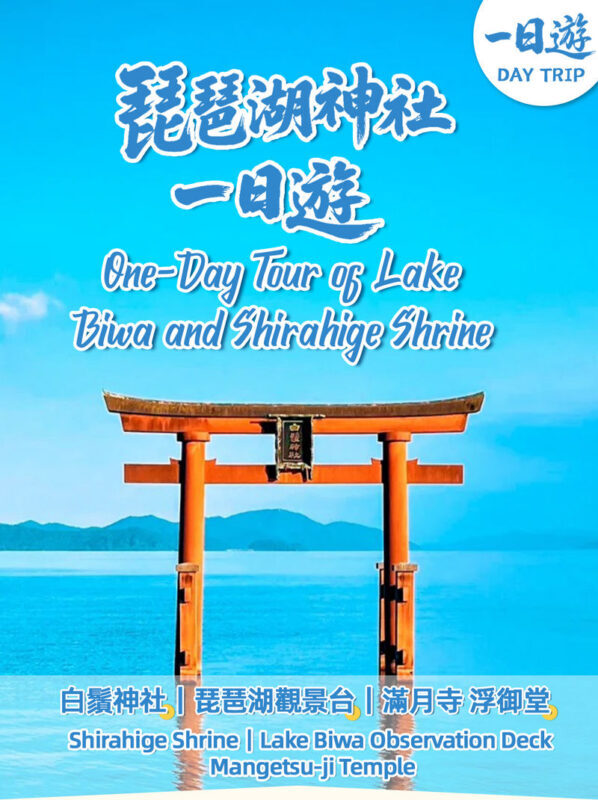
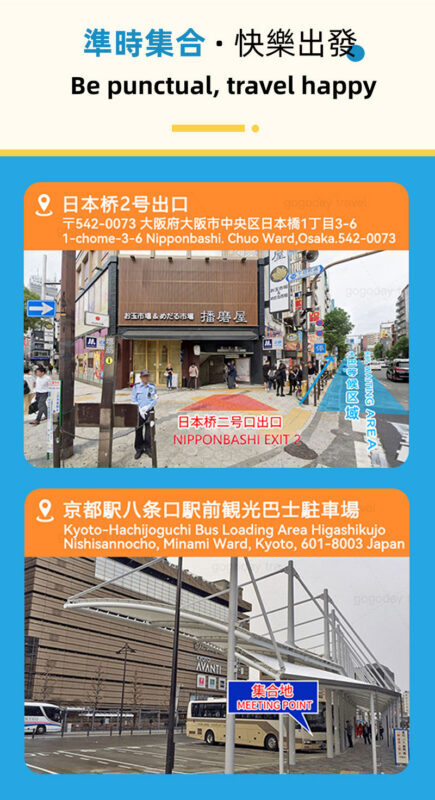
The trip is sold as a full-day outing, with Osaka or Kyoto departure options. The exact schedule and order of stops can vary. Some departures have included Shirahige Shrine, Sanzen-in Temple, Mangetsu-dera Temple Ukimido, Lake Biwa or Biwako Valley, and La Collina, but reports of missed or changed stops make it important to confirm the current route before paying.
Expect a fairly structured day. The coach keeps the itinerary moving, but time at each stop is finite. One account found about an hour at Omihachiman, enough for a walk and photos but not a leisurely visit. Traffic, including a Kyoto pickup on some trips, can add substantial time to the ride home.
You might also be interested in these Kyoto experiences
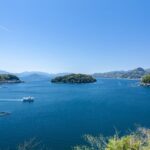
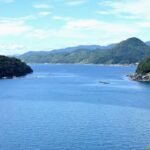
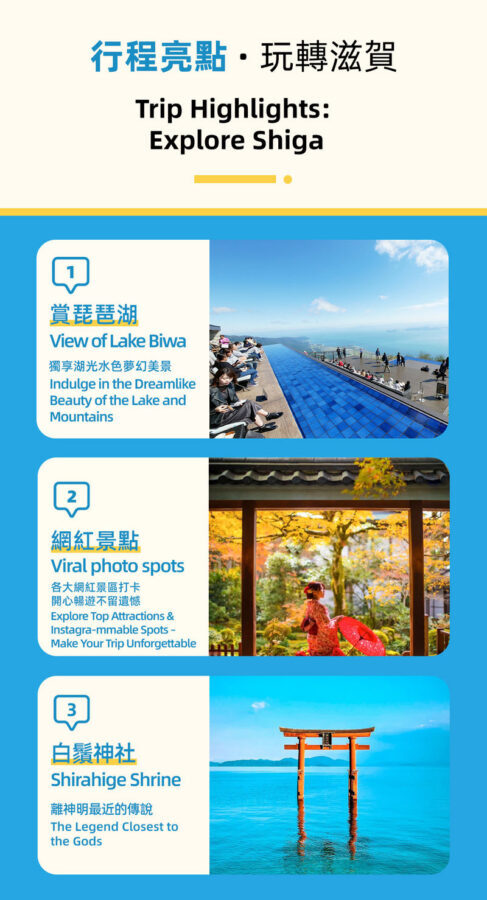
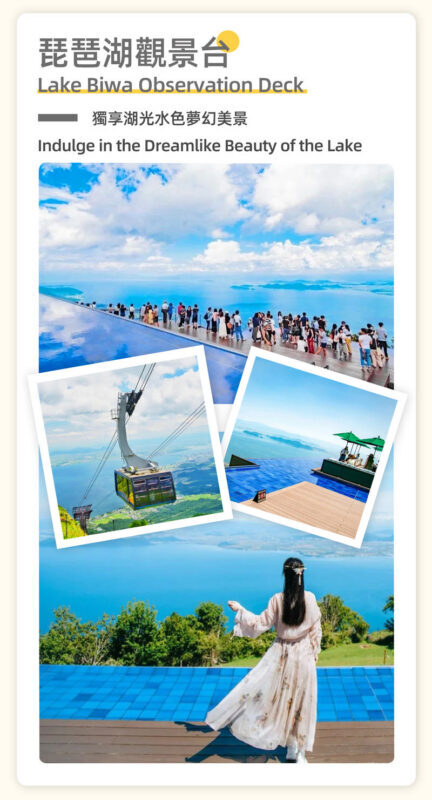
Lake Biwa is the day’s scenic anchor. At the lakeshore, the appeal is open water and a change of pace from the city. If the route includes Biwako Valley, the mountain setting adds a higher viewpoint over the lake, and the cable-car ride takes you up to the resort area. The view can be striking on a clear day, but clouds and fog can hide much of it.
That uncertainty is worth taking seriously. Several accounts describe poor visibility or weather that spoiled the lake view, while others still found the day worthwhile despite cloud or rain. A typhoon has even led to a change that kept the group from reaching Lake Biwa. The coach tour helps with logistics, not with the weather.
Pack a light jacket, even in warm months. The mountain can feel much colder and windier than the base, and one visitor specifically warned about the cold air at the terrace. If you plan to go up to the viewing area, check whether the cable-car fare is included. Extra charges are a recurring point of confusion, and the low advertised starting price may not represent the full cost of the day.
There is a practical choice here: pay for the ride and spend time at the top, or remain below while the group is up there. One account described a long wait for those who did not take the cable car. Ask the operator what the current package includes and how much time is allocated to the mountain stop before booking.
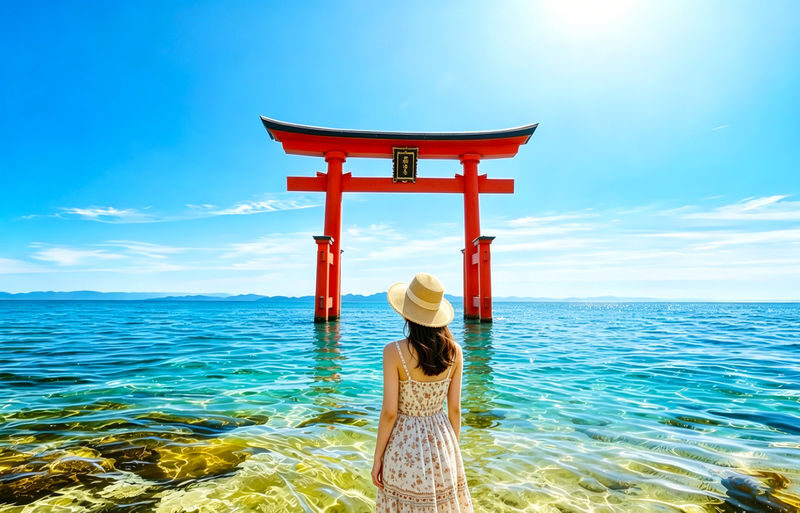
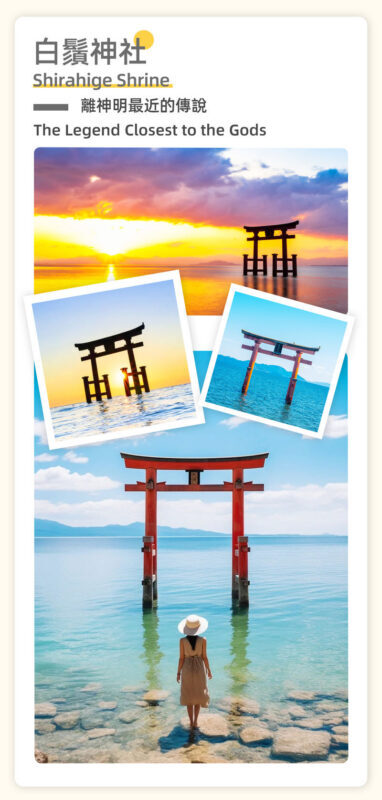
Shirahige Shrine is known for its torii gate in Lake Biwa, a memorable sight that gives the stop its photographic pull. But set your expectations correctly: you may not be able to walk up to the gate. Visitors have been directed to a viewing area and prevented from crossing the road, so the photo can be more distant than promotional images suggest.
That restriction is not a small detail if getting close to the torii is your main reason for choosing the trip. Treat the stop as a brief viewpoint and shrine visit, not a chance to stroll out to the water gate. The safe, designated viewing point is the sensible place to take pictures.
Some visitors have also wanted more time to explore the other side of the road or shoreline. The schedule may not allow it. If you are content with a quick look, the stop adds a distinctive lakeside image to the day. If you want a slow, close-up visit, this coach itinerary may feel rushed.
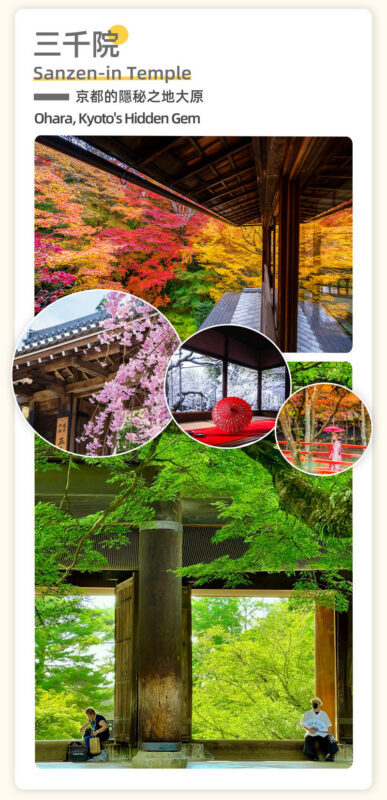
Sanzen-in Temple and Mangetsu-dera Temple Ukimido appear in the experience description, but the actual route has not been consistent. Some groups have missed Ukimido, and other accounts describe itinerary changes without a clear explanation. Do not assume every named temple is guaranteed on every departure; check the operator’s current schedule for your date.
The temple stops offer a different mood from the open lake views. They break up the coach journey with a quieter cultural visit, and the guide can help explain what you are seeing. That guidance is especially useful if you are new to Japanese temples, though the amount of explanation depends on the guide and language.
Language delivery deserves a quick check. Some guides have been praised for explaining attractions in both Mandarin and English, while one English-speaking visitor felt the English commentary was brief after longer explanations in Chinese. If detailed English narration is important to you, ask before booking rather than assuming every group receives the same level of commentary.
Among the named guides, Effy, Yuki, Richard, and Carina have earned praise for being friendly, organized, and helpful. Some have shared route updates, taken photos, and offered dining or travel suggestions. Those are useful extras, but guide assignments are not guaranteed, so book for the route and transport rather than for a particular person.
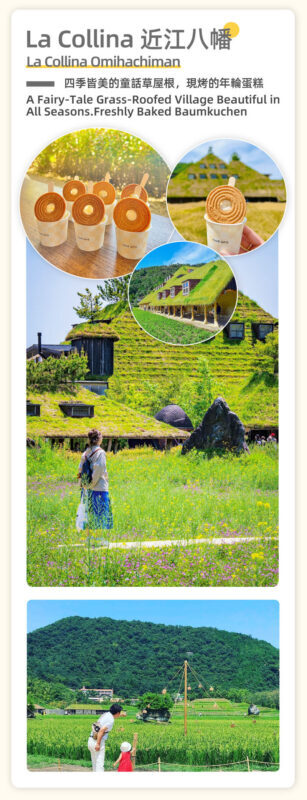
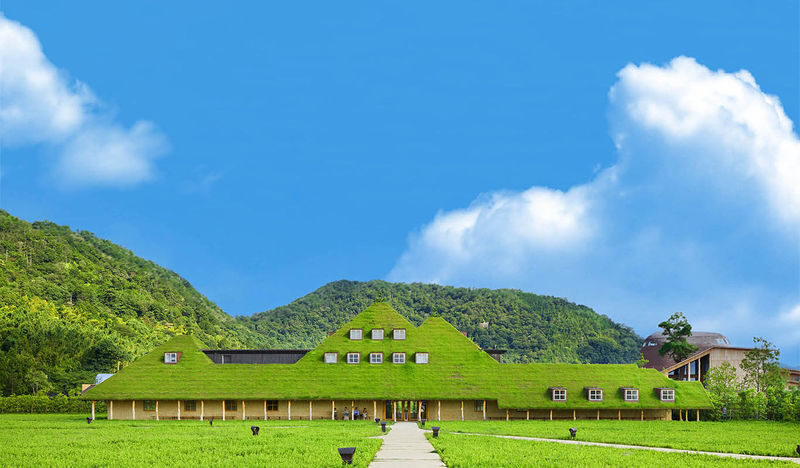
La Collina is often a highlight because it adds something beyond temples and lake views. Its unusual architecture makes it a good place to wander with a camera, and the stop is also associated with cakes and drinks. Castella cakes and matcha drinks have been singled out, making this a natural place to take a breather and buy a treat.
It is also a useful contrast to the day’s outdoor sights. After a string of scheduled stops, you can browse, take photos, or sit down with something sweet. Still, the visit is time-limited. If you are keen to shop or sample several things, keep an eye on the departure time and do not assume you can linger.
La Collina is not a substitute for a long food-focused visit. It works best as a pleasant stop within a packed day, especially if the architecture and sweets appeal to you. Bring cash if you hope to buy small souvenirs at shrines or local shops, as one visitor found it useful.
The main value is convenience. The tour can connect sights that are less straightforward to reach by public transit, and several people found the bus clean, comfortable, punctual, and well managed. A dedicated driver and guide also remove the strain of navigating between rural stops, which can be particularly welcome during summer heat.
The trade-off is time on the road. The Osaka-to-lake region journey, possible Kyoto pickups, traffic, and return drive can make for a long day. One account described a return that was much later than expected, so keep your evening plans flexible rather than booking a tight dinner reservation or onward connection.
The guide can make a real difference to the feel of the ride. Helpful leaders have kept people updated on the schedule and made instructions clear. But the experience is still a group tour: commentary may be uneven across languages, and other passengers’ noise can affect your comfort. If you value silence or complete control over your pace, a private or self-guided option may suit you better.
At from $51.79, the headline price is attractive for a full day of coach transport and multiple stops. It can be good value if the route operates as expected, you want to visit several places, and the main transport burden is what you are paying to avoid.
The catch is the extra cost of optional rides. The cable car to Biwako Valley may require a separate payment, and the trip’s actual value changes considerably if you intend to ride up. Add any other costs the operator lists, then compare the total with what you would pay to arrange transport and admission yourself. The starting figure is not enough to judge the final bill.
There are also non-financial costs to weigh: a long coach day, fixed stop times, possible itinerary changes, and weather risk. In return, you get a guided outing that reduces planning and connects places that are not especially convenient to visit together. For many people, that is the point. For a visitor who wants an unhurried temple visit or a guaranteed lake panorama, the package may disappoint.
Booking allows instant confirmation, and next-day bookings are offered. Free cancellation is available up to 24 hours before the activity date, in local time, under the stated terms. If extreme weather or another unforeseen event leads the operator to cancel, you can reschedule or request a full refund. Once you have used part of the activity, a refund is not available under the supplied policy.
I would choose this tour if I were based in Osaka or Kyoto, wanted to see the Lake Biwa area without planning several connections, and was happy to accept a group schedule. It is also a sensible fit for solo visitors who want organized transport and for people who enjoy mixing scenery, shrine or temple stops, and a relaxed food-and-shopping break.
I would hesitate if I needed every advertised stop to be certain, wanted to reach Shirahige’s torii up close, or could not tolerate a long coach day. It is also a less appealing choice if you expect the cable car to be included in the low starting fare. Confirm the route, extra charges, and language arrangements first.
Book it for the convenience and range of stops, not for a guaranteed perfect view or a slow, in-depth visit. If the current route suits you and you budget for any optional ride, it can be a rewarding change from city sightseeing. If those conditions do not fit, pick a more focused Lake Biwa or temple outing instead.
“The tour guide still has a lot of room for improvement 😉”
The experience is described as offering Osaka and Kyoto departure options. Check the booking details for the available departure point on your chosen date.
The experience description names Lake Biwa, Shirahige Shrine, Sanzen-in Temple, and Mangetsu-dera Temple Ukimido. La Collina and Biwako Valley are also discussed as stops, but the route can change, so confirm the current itinerary.
The supplied information does not confirm that it is included. Some visitors paid extra for the cable car, so check the package details before booking.
The available information indicates that visitors may be limited to a viewing area across the road. Do not count on being able to cross to the torii.
No. Fog, rain, wind, and other weather conditions can reduce visibility or affect the route.
A light jacket is a sensible choice, especially if the tour includes Biwako Valley. The mountain area can be colder and windier than the base.
Some guides have provided explanations in English and Mandarin, but the amount of English commentary may vary. If English narration is important to you, confirm the arrangements before booking.
It is described as a day tour, but the supplied details do not give a fixed duration. Traffic and pickups can affect the return time.
Next-day booking is offered, subject to availability, and the activity has instant confirmation.
You can receive a full refund if you cancel at least 24 hours before the activity date, based on local time. If you have already used part of the activity, refunds are not available under the stated terms.