Physical Address
304 North Cardinal St.
Dorchester Center, MA 02124
Physical Address
304 North Cardinal St.
Dorchester Center, MA 02124

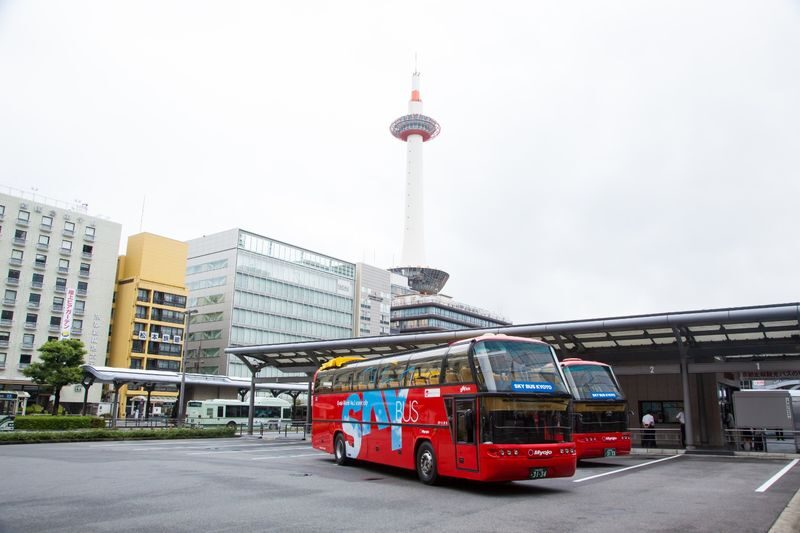
Kyoto Skyhop Bus review: compare 1-day and 2-day passes, route stops, wait times, open-air comfort, and whether the ride is worth the fare.
The best thing about Skyhop Bus is the way it turns Kyoto’s scattered sights into one easy-to-follow overview. Ride above street level, spot landmarks as you go, then hop off for places such as Nijo Castle and Heian Shrine without having to puzzle out every connection first.
I like the freedom to linger at a temple or shrine instead of following a group’s clock, and I like that the bus can give first-time visitors a quick sense of how Kyoto fits together. The trade-off is the timetable: buses are listed every 35 or 45 minutes, and a missed connection can leave you waiting much longer than you’d like.
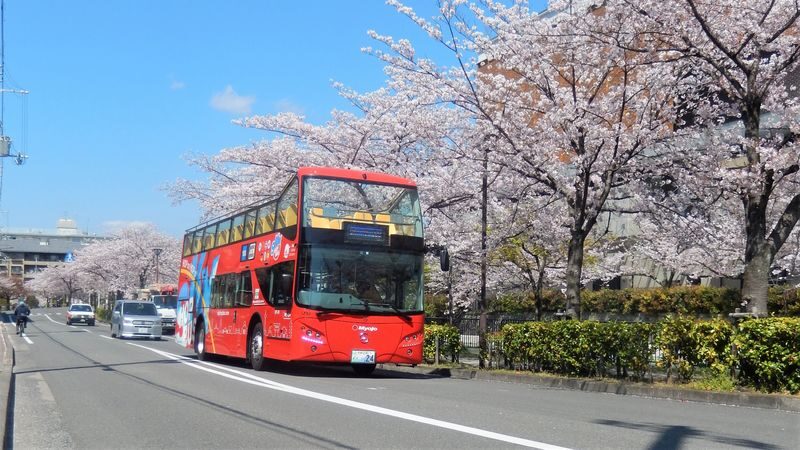
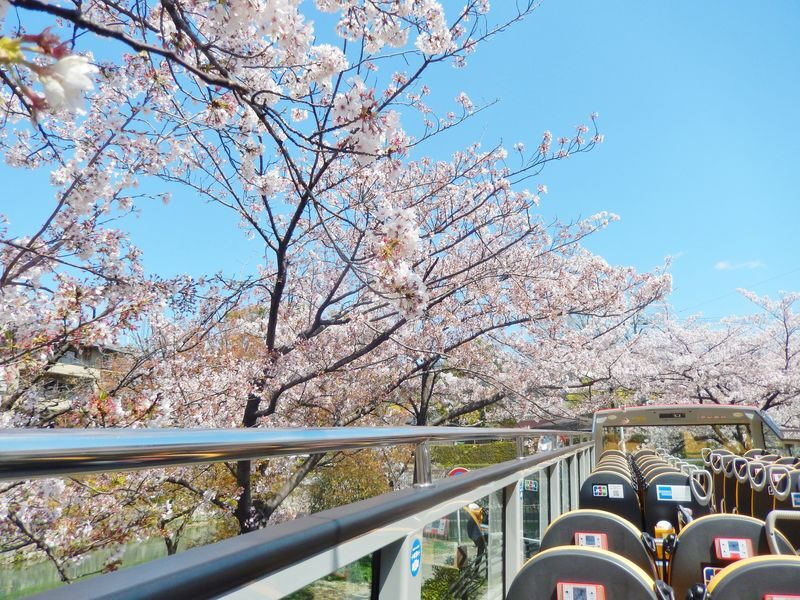
Kyoto is known for its temples, shrines, imperial architecture, and old Japanese cuisine. Its major sights are spread around the city, so the practical question is not just what you want to see, but how you want to get between places. Skyhop gives you a sightseeing route and the option to step off when something catches your eye.
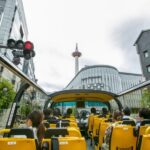
That overview is the main value here. From the upper deck, you can watch the city pass by and get a sense of where its landmarks sit in relation to one another. Then you can use the ride to choose what deserves more of your time. If you have only a short visit, that first look can help you make a more deliberate plan.
The bus is not a guided walking tour, and it does not promise a long, detailed account of every building along the way. Commentary is pre-recorded, delivered through an audio guide you download to your phone, and available in seven languages. Treat it as a little orientation, not a substitute for a specialist guide or a museum visit. Some riders find the information thin or the audio unreliable, so bring your own curiosity and check signs or other information at the sights.
You might also be interested in these Kyoto experiences
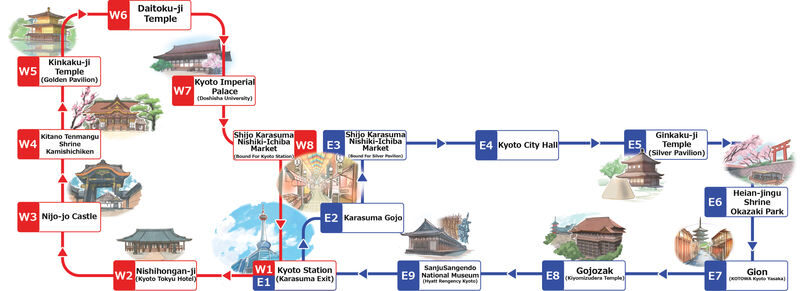
Nijo Castle and Heian Shrine are named among the major landmarks served by the bus. They make useful anchors for a day: you can get off, explore, and then return to the route rather than planning separate journeys between every attraction. The bus also aims to cover a broader spread of Kyoto, which is useful when you want a general overview rather than a day spent in just one neighborhood.
Ginkakuji, the Silver Pavilion, is given as the activity’s location, but the address alone does not tell you exactly where to board. The redemption information also names the Sky Hop Bus Kyoto Station stop. Those details do not amount to a complete route map, so check the current digital map and timetable before setting out. Do not assume that the listed attraction address is your boarding point.
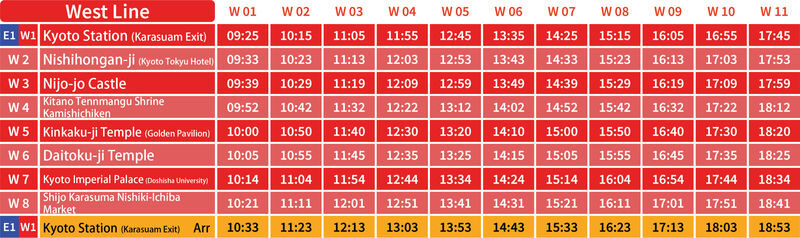
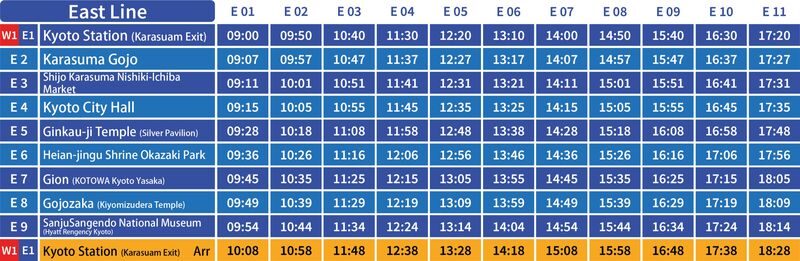
The route includes red and blue lines, according to the operating information described for the service, but which sights each line serves and how the lines connect can change. Use the current official map to choose a route that matches your plans. One common mistake is to treat the bus as if it will stop at the gate of every landmark. Stops may require a walk, so check the map and allow time for the walk as well as the visit.
Lake Biwa is also named among the places to check out, but the supplied details do not specify its stop or how it fits into the route. Check the live route information before building your day around it. That simple bit of homework can save you from reaching a stop only to discover it is not the one you expected.
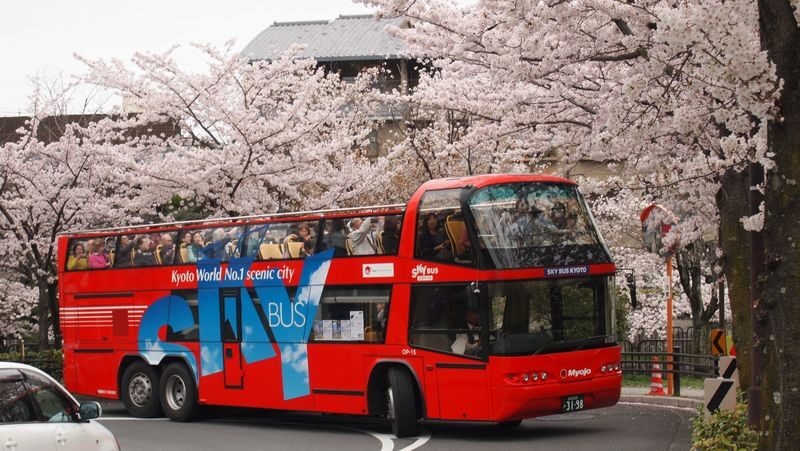
The posted frequency is every 35 or 45 minutes, and the first and last departure times depend on the current timetable. In practice, a wait can feel longer when you have just finished a visit, and some connections may be closer to an hour apart. Check each line’s schedule before hopping off, and give yourself room for a late bus or a longer-than-planned stop.
This is not a service for sprinting from one attraction to the next. A short visit may be easy to fit between buses; a longer temple or shrine visit can mean a substantial wait. If you want to see several sights, plan them in groups and check the next departure before you leave the bus. If you miss one, local buses, trains, or a taxi may be more practical than waiting for the next sightseeing bus.
The stated activity duration is 4 to 6 hours, but your day can run longer if you use the pass to hop off at several stops. The bus service itself also has operating hours that may change. Check the current timetable, especially if you plan to stay out late. A pass is only useful while the buses are running.
The open top is part of the appeal. You can see more of the city than you would through a conventional bus window, and the ride itself can be a pleasant break from walking. But this is also the biggest comfort risk. The operator notes that some buses have no air conditioning, and the usual vehicle is open-top. Do not count on a cool, sheltered seat being available.
In Kyoto’s summer heat, an exposed upper deck can become uncomfortable fast. In cold weather, wind can make the ride chilly; rain can leave you wet even when the operator supplies a raincoat. Dress for the forecast, bring water in a capped bottle, and take heat or cold seriously. Food and drink are not allowed on board, and open umbrellas are prohibited for safety.
Bus layouts and seating can vary. Some riders have found covered seats, but you should not plan on getting one, or assume that air conditioning will be available. If you are travelling with young children or older family members, decide whether an open-air ride suits them before booking. A scenic view is a poor bargain if everyone is counting the minutes until they can get off.
The 1-day pass starts from $27.19. What you get for that fare is a day of hop-on, hop-off access, a digital audio guide, and a ready-made route around major sights. The strongest value is convenience: you can avoid planning every connection in advance and use the bus to get your bearings. If that saves you stress and helps you visit places you might otherwise skip, the price can make sense.
The value drops if you expect rapid service, detailed live narration, or a consistently comfortable ride. Long waits eat into sightseeing time, and the brief recorded commentary may not answer much beyond where you are. Kyoto’s local buses and trains may suit you better if you are comfortable navigating them and want more flexibility around departure times.
The 2-day pass is worth considering if you want a slower pace or expect to spread visits across two days. But more time does not automatically make the bus a better deal. Check both days’ timetables and make sure the routes reach the places you want to see. If one day is enough for your planned stops, the extra day may not add much.
Children aged 0 to 5 can ride free if they do not need their own seat. The package details provided describe an adult 1-day pass, so check directly with the booking provider or ticket counter for child-fare options. A ticket bought online may not offer the same choices as one bought at the counter.
You might also be interested in these Kyoto experiences
To board, present your mobile voucher to the bus attendant and exchange it for a physical ticket. Keep that ticket safe, particularly if you have a 2-day pass, since the same ticket is used for both days. The booking information gives Kyoto Station as a place to redeem, while the activity location lists Ginkakuji. Confirm the exact boarding stop on the current map rather than relying on either address by itself.
The buses are described as wheelchair- and stroller-friendly, but wheelchairs and strollers must fold. Luggage is allowed but not recommended because there is no luggage trunk. Pets are not allowed. These are small details worth sorting out before you reach the stop, particularly if you are carrying bags or travelling with a stroller.
I would use Skyhop as an easy introduction to Kyoto, not as the only way to get around. It fits first-time visitors who want a broad view of the city, people who prefer a simple route to independent transit planning, and anyone who values sitting down between walks. It can also work well as a way to scout sights for a return visit.
It is a weaker fit if you dislike waiting, want in-depth historical narration, or are visiting during very hot or rainy weather and need dependable shelter. Independent explorers who are happy to use Kyoto’s public transport may find it easier to set their own pace that way. Either way, check the timetable and route map before you commit your day.
“it's worth the tour! you can ride, hop out, and hop in back again for 1 day pass to every city.”
The stated duration is 4 to 6 hours. Your total sightseeing time depends on how often you hop off and how long you stay at each stop.
The listed frequency is every 35 or 45 minutes. Check the current timetable, as schedules and operating information can change.
Not always. Some sightseeing buses do not have air conditioning, and the service is basically operated with open-top vehicles. Dress for the weather and do not count on a covered seat.
The recorded commentary is available in Chinese, English, Spanish, Japanese, German, Korean, and French. It is a digital audio guide downloaded to your phone.
Present it to the bus attendant and exchange it for a physical ticket. Keep the physical ticket safe, especially when using a 2-day pass.
Children aged 0 to 5 can travel free if they do not occupy a separate seat. Check ticket options for older children before booking.
Foldable wheelchairs and strollers are allowed. Luggage is allowed but not recommended because the bus has no luggage trunk.