Physical Address
304 North Cardinal St.
Dorchester Center, MA 02124
Physical Address
304 North Cardinal St.
Dorchester Center, MA 02124

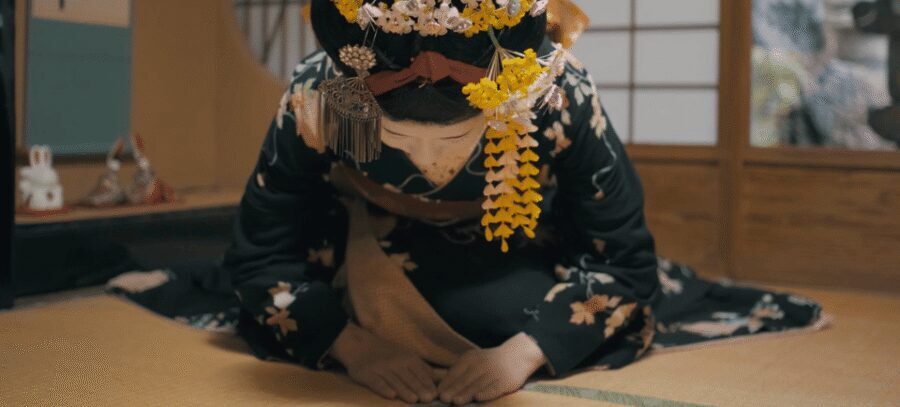
Walk Gion with an English-speaking guide, learn about geiko and maiko traditions, then meet an apprentice for a dance, questions and a meal or tea.
A walk through Gion can show you the lantern-lit streets, but it cannot explain the traditions behind them. This three-hour tour pairs a guided walk with a meeting with a maiko, a young apprentice geiko, where you can ask questions and watch her dance.
I like two things especially: the small group, capped at eight, gives you room to ask questions, and the guide puts geiko and maiko culture in its historical and present-day context. Guides Kenta and Akari are often praised for clear explanations, warmth and care in correcting familiar misconceptions.
One consideration: the experience is a cultural introduction, not a private visit to a working geiko house. The walk is on foot, the meeting takes place at a performance venue, and the meal or tea depends on the option you book. It is also not suitable for people with mobility impairments.
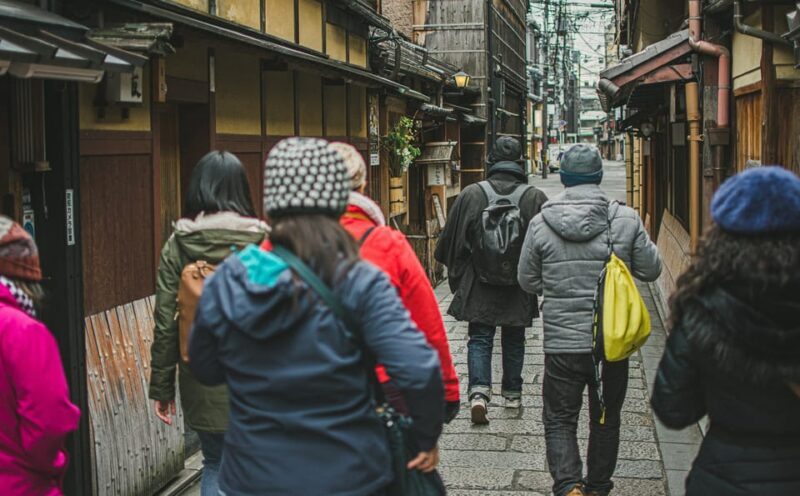
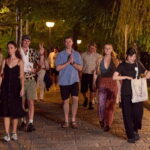
The tour begins near the statue of Izumo no Okuni, close to exit 4 of Keihan Gion Shijo Station. From there, you head into Gion with an English-speaking guide. The walk is the first half of the outing and is listed as roughly 1.5 to 2 hours, though the full tour lasts about three hours.
Gion is often reduced to a backdrop of wooden facades and glimpses of women in kimono. A guided walk helps you look past the postcard view. Guides such as Kenta and Akari explain how geiko and maiko fit into Kyoto’s traditional arts, what their roles involve, and how the culture functions today.
That context matters. The words geisha, geiko and maiko are often used loosely outside Japan, and pop culture has encouraged some persistent misunderstandings. In Kyoto, geiko is the local term for a geisha, while a maiko is an apprentice geiko. The guide’s explanation gives you a clearer basis for understanding the performance later.
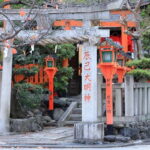
The route may include parts of Gion and Miyagawasuji, another traditional entertainment district. You might pass temples, a shrine and the school where geiko and maiko study. These are not just scenic stops: they help place the arts in the wider life of the district and show that this is a living tradition, not simply a set of costumes and dances for visitors.
Expect a walk rather than a long series of formal indoor visits. The guide leads the group through the streets and explains what you are seeing along the way. Several guides are praised for making the walk conversational, answering questions and adjusting to the group’s needs. In hot weather, Kenta has even brought cold drinks for participants, but that should not be treated as a standard inclusion.
A moderate walking pace has been described, but the route is still on foot. This tour is not suitable for people with mobility impairments, and the operator asks you not to bring luggage or large bags. Wear shoes you are comfortable walking in, and keep your day bag compact.
If you enjoy exploring Kyoto on foot, these walking tours might also suit your style
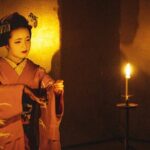
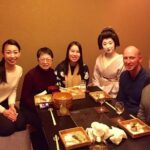
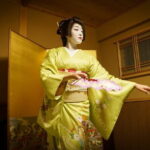
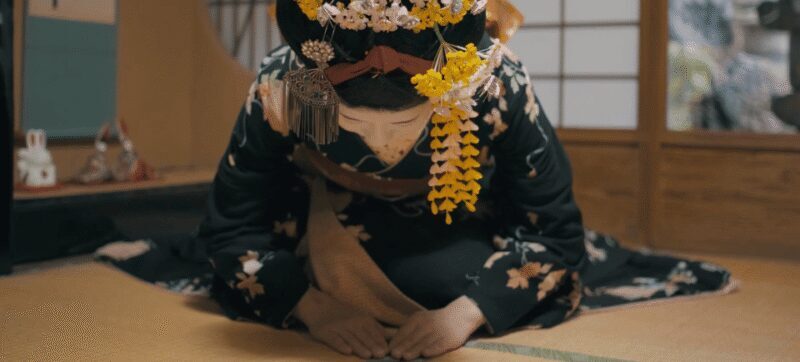
In the second half, the group goes to a venue in Miyagawasuji for a meeting with a maiko. The session lasts about 50 minutes and includes a question-and-answer period and a dance performance of one or two songs. This is the part that makes the tour more than a neighborhood walk: you get a chance to hear from a person training in the tradition, not only about it.
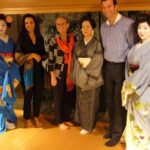
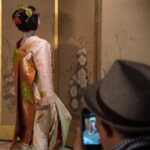
The meeting is designed for conversation. You can ask about the maiko’s life and training, and the group has time to look closely at her kimono, hair and makeup. The setting is small, with no more than eight participants on the tour, so the session is less like watching a distant stage and more like an introduction with time to listen.
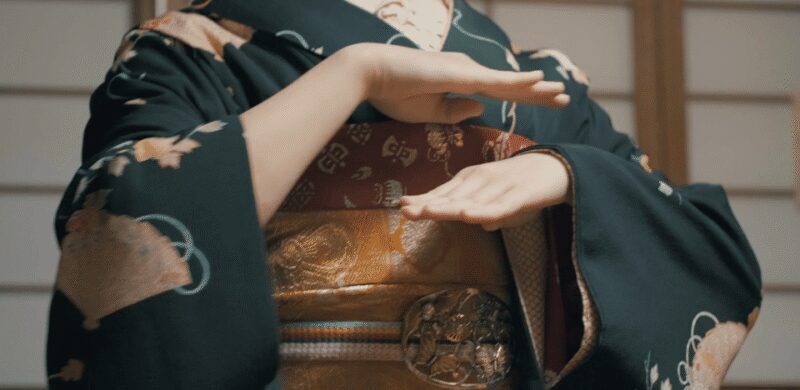
The dance is brief, but it is a central part of the experience. The movements, clothing and presentation make more sense after the guide has explained the art form and its place in Kyoto. Think of the performance as a focused demonstration, not a full evening of entertainment.
There may also be a game or informal exchange, depending on the session. The supplied tour details promise the performance and Q&A, so treat anything beyond those as a possible extra rather than a guarantee. The most useful approach is to arrive curious and respectful, with a few questions ready.
Photography deserves care. One account of the experience describes a permitted final photo, while another person chose not to share pictures online out of respect. Follow the guide’s instructions and any direction given at the venue. The point of the meeting is to engage with the maiko, not to turn the encounter into a photo session.
The guides are an important part of this exchange. Kenta and Akari are repeatedly praised for explaining the culture clearly, keeping the group comfortable and treating the subject with respect. That matters here: the tour deals with a tradition that is often misunderstood, and a thoughtful guide can help you ask better questions and avoid treating the people you meet as curiosities.
The booking options give the experience three different shapes. The morning option, listed as starting at 10:30, includes a Japanese lunch plate. The afternoon option, at 14:30, includes a cup of tea. The evening option, at 18:30, includes dinner with eight shared dishes.
The meal is part of the cultural meeting, rather than a separate restaurant recommendation. You have time to eat or drink while asking questions, which makes the conversation feel less formal. The exact food is not specified for lunch or tea, so choose those options for the format and access to the maiko, not for a promised menu.
Dinner is the most substantial food option on paper, but it is served as eight shared dishes. The portions may feel modest if you arrive very hungry. One dinner has been described as kaiseki-style, with a range of carefully presented dishes, but the stated inclusion is eight shared plates, not a fixed kaiseki menu.
The tea option is the lightest and shortest-feeling way to round out the meeting. It suits you if you want the cultural encounter without making the tour a meal out. The afternoon start can also fit neatly between other Kyoto plans, though the walk and meeting still take about three hours in total.
Lunch is a practical middle ground. It makes the tour feel like a daytime cultural outing and gives the group time to talk over a meal. If you are choosing among the options, base the decision on your schedule and appetite, and check the specific start time and inclusion before booking.
At $108 per person, this is more expensive than a simple walking tour, but the comparison is incomplete. The price covers a guided walk lasting about 1.5 to 2 hours, a roughly 50-minute meeting with a maiko, a dance and Q&A, plus the meal or tea attached to the option you select.
The small group adds real value. With a maximum of eight participants, you have a better chance to ask a question and hear the answer than you would in a large tour group. You are also paying for access to a performance and conversation that would be difficult to arrange independently.
The value is strongest if you want to understand the culture, not just see Gion’s streets. The guide’s background and interpretation are central to the outing, and the meeting gives the walk a memorable focal point. If you are chiefly looking for a substantial dinner, a long performance or a private encounter, this may not be the right use of your budget.
The dinner option is not necessarily a full replacement for a large meal. Eight shared dishes can be varied and beautifully presented, but portions may be modest. If you have a hearty appetite, plan your expectations accordingly rather than assuming the food alone justifies the cost.
More Great Tours Nearby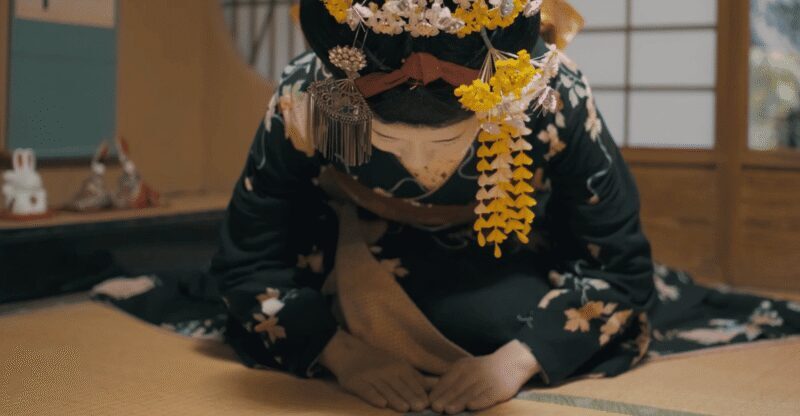
I would recommend this tour to anyone curious about Kyoto’s traditional arts, especially if you want context before seeing a maiko performance. It is also a good fit for visitors who enjoy asking questions and prefer a small group to a large, scripted tour. Families with older children may find the conversation and live dance especially engaging; one family described it as a highlight for their children, though the tour does not specify an age range.
You do not need to arrive as an expert. In fact, the guide’s explanations are useful precisely because common ideas about geiko and maiko can be misleading. Come willing to listen, and you will leave with a more grounded understanding of the difference between the roles, their training and the work involved.
The tour may be less satisfying if you prefer to explore independently or avoid walking. It is also not a way to enter a private geiko house or observe daily life without mediation. The access here is a structured, respectful meeting and performance, with a guide to explain the setting.
Practical details are straightforward: the guide speaks English, the group is capped at eight, and the meeting point is in front of the Izumo no Okuni statue near exit 4 of Keihan Gion Shijo Station. The activity lasts 210 minutes, or about three and a half hours according to the stated duration, though it is also described as a three-hour experience. Check the exact start time when choosing a date, and allow a little breathing room around the outing.
You can cancel up to 24 hours in advance for a full refund, and a reserve-now, pay-later option is available. Those flexible terms are useful if your Kyoto schedule is still shifting, but the main decision is simpler: choose the meal format you want and make sure the walking suits you.
You might also be interested in these Kyoto experiences
Book it if you want more than a quick look at Gion and would value a direct, guided introduction to geiko and maiko culture. The combination of a district walk, a maiko’s performance and time for questions is unusually personal for a short group tour, and the English-speaking guides help make the subject accessible without flattening it into folklore.
Skip it if you need step-free access, want a long dance show or expect a large dinner. For most culturally curious visitors, though, the small group and close conversation make the $108 price reasonable. Choose lunch, tea or dinner based on your schedule, bring questions, and leave the large bag at your accommodation.
“Kenta was very engaging and personable! He has a great respect for his community and the Geiko, Meiko history. The food and event was wonderful! I …”
Meet in front of the statue of Izumo no Okuni near exit 4 of Keihan Gion Shijo Station.
The stated duration is 210 minutes, or about three and a half hours. It is also described as a three-hour experience.
The live tour guide speaks English.
The tour is limited to eight participants.
The guide takes you through Gion and nearby geisha districts, explaining their history and the traditions, roles and training of geiko and maiko.
The walk is described as lasting 1.5 to 2 hours. The itinerary also gives a 1.5-hour estimate.
The meeting lasts about 50 minutes and includes a question-and-answer session and a performance of one or two songs.
The options include a Japanese lunch plate, a cup of tea or dinner with eight shared dishes. Each is tied to a different start time.
No. The tour is listed as not suitable for people with mobility impairments.
No. Luggage and large bags are not allowed.
You can check availability for your dates here: