Physical Address
304 North Cardinal St.
Dorchester Center, MA 02124
Physical Address
304 North Cardinal St.
Dorchester Center, MA 02124

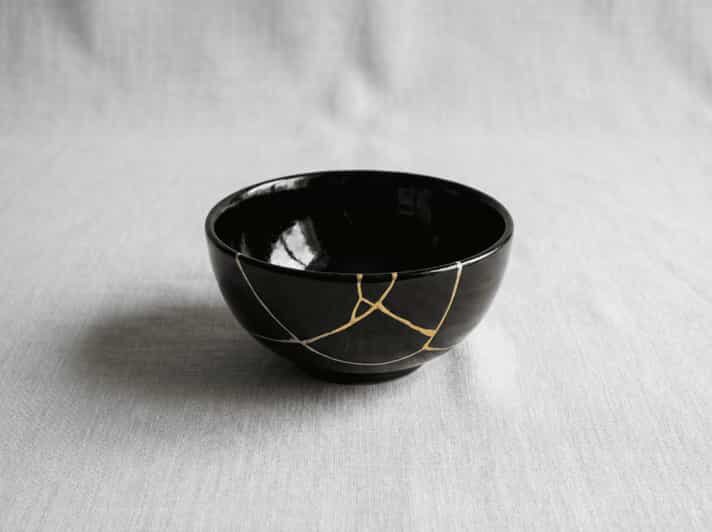
Make a gold-finished Kintsugi plate in Kyoto, learn how the craft connects to Wabi-Sabi, and take home a personal souvenir after 90 minutes.
Kintsugi turns a break into part of a ceramic piece’s story. In this Kyoto workshop, you’ll work through the process yourself, then leave with a finished plate that recalls both the craft and your time in Japan.
I like two things here: the clear, step-by-step instruction makes the activity approachable for beginners, and the finished piece gives you a more personal souvenir than something picked up in a shop. Instructors including Sunday, Jenny, Ken, Luna, and Lucas have been singled out for patient, helpful teaching.
One consideration: the advertised price covers one standard plate, while different designs and a second piece cost extra. The studio also runs other activities in the same space, so it may feel lively rather than hushed.
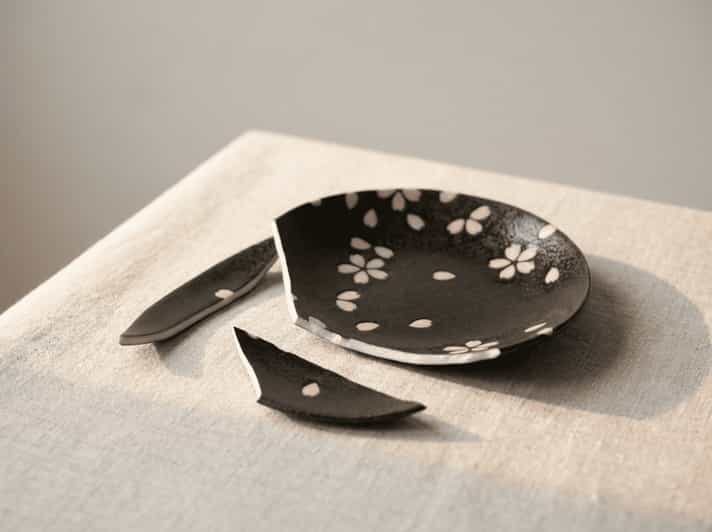
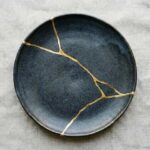
Kintsugi is often described as the art of repairing broken pottery with visible seams, rather than pretending the break never happened. In this workshop, you make a Kintsugi-style plate and finish it with a gold-colored line. The result is both a hands-on craft and a reminder of the Japanese idea that wear, damage, and age can add meaning to an object.
That distinction matters. You are not simply painting a souvenir: you follow a guided process to mend and decorate a ceramic piece. The workshop presents the craft through the lens of Wabi-Sabi, an aesthetic that values imperfection and the marks of time. If you enjoy learning the idea behind an art form as well as trying it, this gives the activity more purpose than a quick make-and-take.
The session lasts 90 minutes, long enough to work through several steps without taking over your day. The experience is described as beginner-friendly, and you do not need to bring tools or supplies. An English-speaking instructor guides the group, demonstrates the process, and offers help along the way.
You can check availability for your dates here: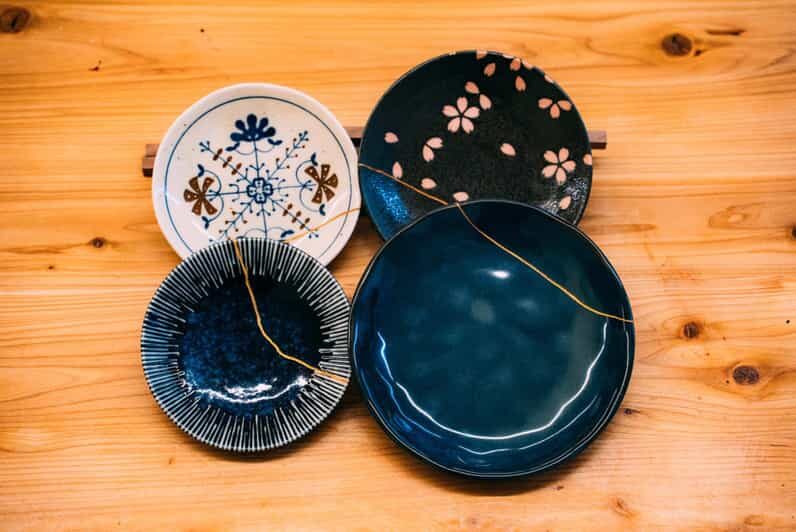
The experience begins with an introduction to Kintsugi and its connection to Wabi-Sabi. The cultural explanation is part of the value: it helps you understand why a visible repair is treated as a feature, not a flaw. How much background you hear may depend on the instructor and the session. If the history is important to you, ask questions as you go rather than waiting until the end.
Next, you choose the standard ceramic plate included with your booking, unless you have paid for an optional upgrade. Different designs are available for purchase, including plates that cost ¥3,000 and up. If you are attached to a particular look, allow time to see the available choices and check the price before deciding. The standard plate is enough to take part, so there is no need to spend more to get the core experience.
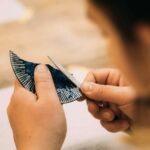
Then comes the practical work. Your instructor explains each stage and helps you mend and decorate the ceramic piece. The pace is guided but not described as rushed; you will work through the steps yourself, with support if you need it. The process can take the full session, so think of this as a proper workshop, not a brief demonstration.
At the end, you take home the completed plate as a souvenir. That makes the activity especially appealing if you like bringing back something you made yourself. It is also a useful choice for a rainy afternoon or a break from sightseeing, though the room may have several other activities underway at the same time.
You might also be interested in these Kyoto experiences
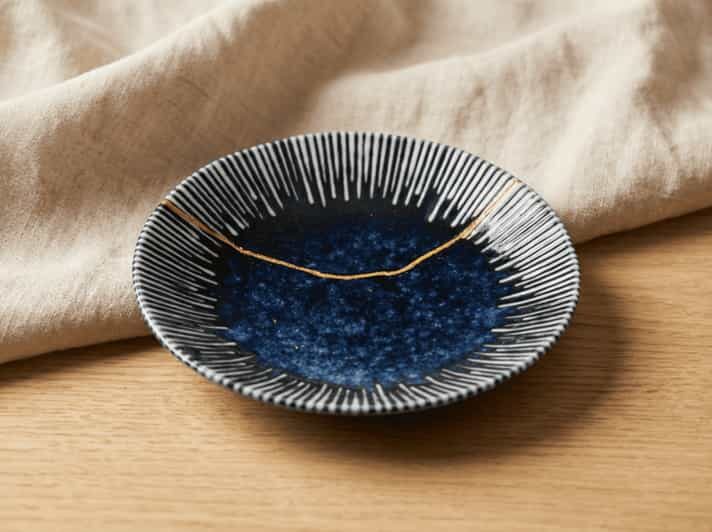
Kintsugi is commonly associated with repairing ceramics while leaving the joins visible. Rather than hiding a crack, the repair draws attention to the object’s history. The workshop frames this idea alongside Wabi-Sabi, a way of seeing beauty in imperfection, change, and age.
You do not need to arrive with a background in Japanese art to follow the session. The instructor explains the idea as you work, and the hands-on process gives the philosophy a concrete form. A plate with a visible seam is easier to remember than an abstract explanation of imperfection.
Keep expectations clear about the finish. The activity promises a gold-colored result and describes the finished piece as Kintsugi-style artwork. The supplied details do not specify the materials or establish that the workshop uses the same materials and methods as a full traditional restoration. If you are seeking a specialist conservation lesson or a repair for a valuable heirloom, ask the provider about the technique before booking.
For most people, the appeal is different: you learn the central idea, try a craft with close guidance, and leave with a handmade keepsake. It is a modest but engaging way to connect an afternoon activity with a Japanese aesthetic.
You do not need prior experience. The instructor leads the steps, demonstrates the technique, and helps when a join or finish needs attention. That support is important because the pleasure of the activity depends on being able to focus on making your piece, not worrying that you have missed a crucial step.
Several instructors have been praised for being patient and easy to follow. Sunday, Jenny, Ken, Luna, Lucas, Mert, and others are among the names associated with positive teaching experiences. You cannot choose a particular instructor based on the information provided, but the consistent emphasis on clear guidance is reassuring for first-timers.
The activity can suit families as well as adults. A six-year-old was supported through the workshop, and families have used it as a shared activity on a rainy day. That is encouraging, though it does not establish a formal minimum age or guarantee that every child will find the task easy. If you are booking for a young child, consider whether they enjoy careful, hands-on work and confirm any age guidance with the provider.
English is the stated language of instruction. One participant was guided in Italian, but that does not mean an Italian-language session is routinely available. If you need a language other than English, check with the provider before booking.
The listed price is $10 per person, and one standard plate is included. For that price, you get a 1.5-hour guided activity, materials and tools, and a completed piece to take away. That is good value if you want a cultural activity that is both participatory and compact.
The final cost can rise if you choose an upgrade. A second ceramic plate is not included in the standard booking, and optional designed plates are available for ¥3,000 and up. Those are separate choices, so check what is included before agreeing to an additional purchase. The extra can make sense if you particularly like a larger or more distinctive piece, but the basic plate is enough to enjoy the workshop and leave with a souvenir.
One participant brought personal pottery and was allowed to use it for an additional ¥2,200. That was an individual arrangement, not a standard inclusion. If you hope to repair your own object, ask first about whether it is suitable and what extra charge applies. Do not assume you can substitute it for the included plate at no cost.
The activity also offers reserve-now-and-pay-later booking and free cancellation up to 24 hours in advance. These terms help if your Kyoto plans are still shifting, but check the current booking conditions when you reserve.
More Great Tours Nearby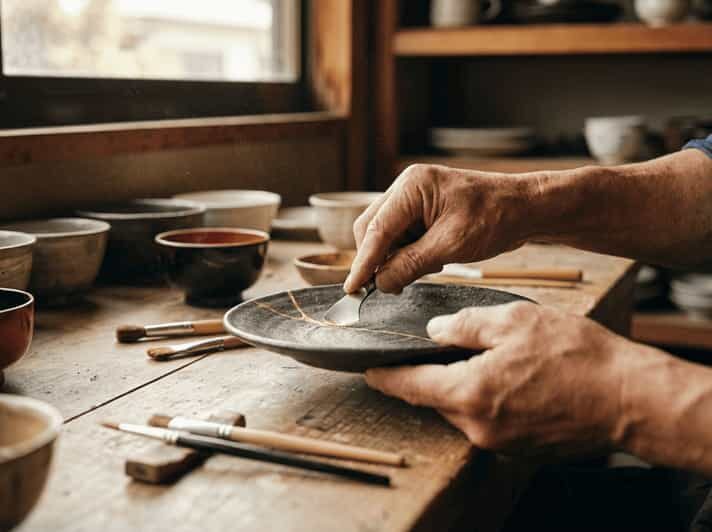
The studio hosts other activities in the same space. That can make the room feel a little chaotic when several groups are working at once, although separate instructors lead the activities. If you picture a quiet, private lesson, this may not be the right setting. If you are happy to share a creative room, the activity still offers personal guidance at each stage.
The atmosphere appears to be one of the practical strengths: instructors are described as supportive, and the format allows them to help individual participants. The experience is not presented as a large lecture or a formal art class. You spend most of your time making, with the teacher available to explain and assist.
One small planning note: directions to the studio could be clearer. Check the location details before setting out, and give yourself a little extra time to find the entrance. That is especially useful if you are fitting the workshop between other Kyoto plans.
I’d choose this if you want a short, hands-on activity that connects a simple craft to Japanese culture. It works well for beginners, couples, friends, and families who like making things together. It is also a good rainy-day option, and the 90-minute duration leaves room for other plans.
It may be less satisfying if you want an advanced course in traditional restoration, an extensive history lecture, or a quiet studio with no other activities. The experience is guided and accessible, but the exact level of historical detail can vary. Ask questions if you want more context, and check what technique is being used if technical authenticity is central to your decision.
I also like the souvenir angle. A handmade object is easy to connect with a place and a moment, especially when its visible seam reflects the idea you have just learned about. The standard plate gives you that without requiring an upgrade. Choose an additional piece only if the extra cost feels worthwhile to you.
Book this workshop if you want to try a Japanese craft, learn the basic meaning of Kintsugi and Wabi-Sabi, and take home something you made yourself. The strongest reasons to go are the patient step-by-step teaching, the manageable 90-minute length, and the combination of cultural context with practical work.
Skip it if you are looking for a specialist restoration class or need a guaranteed quiet setting. For most curious beginners, though, the included plate is enough to make the session worthwhile. Check the design options and any upgrade charges before you start, then settle in and enjoy the slow work of turning a break into part of the finished piece.
“We had an amazing experience! Our guide Sunday was great, easy to follow instructions and helped to make our experience fun! Lorenzo and Zoe”
The workshop lasts 1.5 hours.
Yes. No previous experience is required, and the instructor provides guidance through the process.
English is the stated language of instruction.
Yes. One standard plate is included, along with the workshop materials and tools.
An additional ceramic plate is available as an optional paid upgrade. It is not included in the standard booking.
Yes. Optional crafted-design plates are available to purchase for ¥3,000 and up.
Yes. You can take home your completed Kintsugi-style plate as a souvenir.
You can cancel up to 24 hours in advance for a full refund.
You can check availability for your dates here: