Physical Address
304 North Cardinal St.
Dorchester Center, MA 02124
Physical Address
304 North Cardinal St.
Dorchester Center, MA 02124

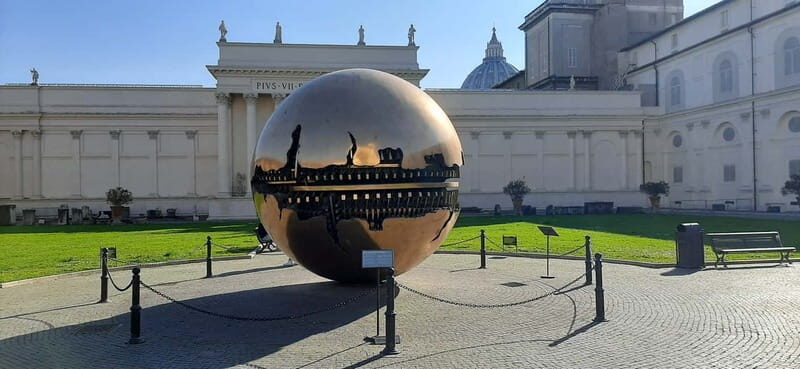
Skip the Vatican Museums’ entrance queue on a two-hour guided visit through major galleries and the Sistine Chapel, with small-group or private options.
The Vatican’s collections can feel like a city of art with no clear route through it. This two-hour tour gives you a guide to steer you toward major works, explain what you’re looking at, and get you through the entrance queue using priority access.
I like two things here: the small-group format, which gives you room to hear the guide and ask questions, and the focus on key works rather than trying to cover every gallery. One consideration: two hours is a brisk introduction, and the Vatican’s security check still takes time.
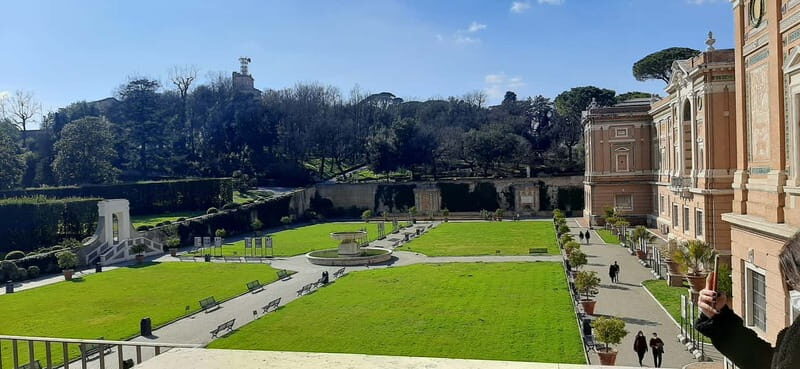
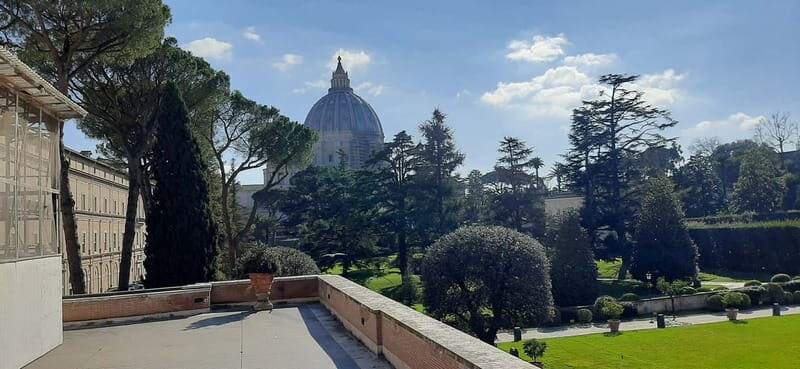
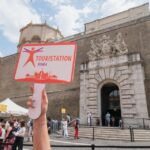
The time-saving feature is priority access to the Vatican Museums. It helps you avoid the regular entrance line, which can be a major advantage when queues are long, but it does not mean you walk straight inside without checks. Every visitor still passes through security, and the stated guidance is to allow at least 20 minutes for that process.
That distinction matters when you plan your day. Treat the two-hour tour as the guided portion, not a guarantee that you will be back on the street two hours after meeting your guide. Arrive on time, keep your group together, and follow the meeting instructions for the option you booked. The meeting point can vary; one listed location is Via Germanico, 67.
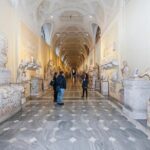
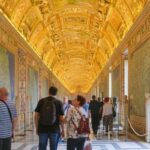
Once through security, your guide leads you into the galleries. The benefit is more than saving time in a queue. In a vast museum, an expert route helps you spend your limited attention on objects and rooms with a story, instead of trying to work out where to go next while the crowds move around you.
For a more personal experience, these private Rome tours deliver individual attention
The museum portion takes about an hour and a half. That is enough time for a guided introduction to important collections, not a complete survey of everything the Vatican holds. The collections were built up by popes over centuries, and the range of art and historical objects can be hard to take in without some direction.
A good guide does more than name a painting or sculpture. They can give you a visual clue to follow, explain why a detail matters, and connect what you see with the people who commissioned or made it. Guides on this tour have been described as balancing serious history with jokes and conversation. That mix can make a long gallery visit easier to follow, especially if you are with children or teenagers.
The group format is a useful middle ground. You get a guide’s interpretation without having to plan every stop yourself, and a smaller group can make it easier to hear and ask a question. Some groups have been around six to eight people, though the exact number is not guaranteed. Ear pieces and radios have been used to help people hear the guide in crowded rooms, but background noise and interference can still be an issue at busy times.
Expect to keep moving. The collections are extensive, and the guide has to choose what fits into the time available. One past participant wished for more time to explore independently, a fair point if you like lingering over individual works. The upside is that this route gives you a usable framework for a first visit, instead of leaving you to navigate an enormous museum alone.
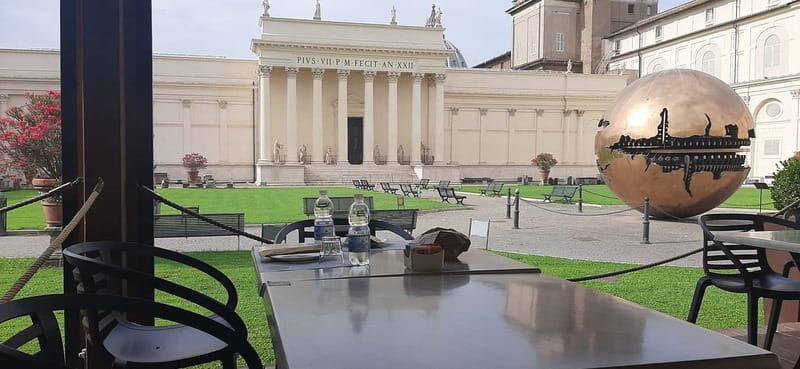
The final 30 minutes are set aside for the Sistine Chapel. Michelangelo’s frescoes are the headline, but the room also has a major role in the Catholic Church: it is where the papal election, or Conclave, takes place.
The guide helps you look with purpose. The chapel’s painted scenes and details can be overwhelming at first, and knowing where to direct your attention can make the visit more meaningful. You will have less time here than a dedicated art lover might want, but a clear introduction can help you notice more than the famous ceiling alone.
The chapel is a place for quiet reflection as well as close looking. Follow the guide’s instructions and any rules in force during your visit. This is still a crowded, high-demand space, so expect to share it with many other people rather than enjoy a private moment with the art.
The tour is scheduled to finish at the Sistine Chapel or St. Peter’s Basilica, depending on the route and conditions. Do not build your plans around guaranteed basilica access: the basilica may close to the public at short notice. If it is closed, the tour ends at the chapel and does not provide access to St. Peter’s.
The strongest reason to choose a guided visit is the guide’s ability to make a huge collection understandable. Past guides named by visitors include Slobodan, Luigi, Janet, and Jeanette. Their approaches have ranged from lively storytelling and humor to clear art-history explanations and thoughtful pacing.
The names are useful as examples of the kind of guide people have encountered, not as a promise that you can request a particular person. The guide assigned to your tour may be someone else. What matters most is the format: an English-speaking guide takes the lead, points out significant details, and answers questions along the way.
Families may find this helpful. One guide adjusted the pace for children aged four and six, including breaks and time to sit when needed. Another group appreciated that the guide made the material accessible to adults and teenagers alike. That does not make the tour a dedicated children’s program, but it suggests that a flexible guide can help mixed-age groups stay engaged.
The style is not meant to be a lecture packed with dates. Several guides have been praised for mixing facts with humor and keeping the information from becoming too heavy. If you prefer quiet, unstructured time, a guide-led route may feel like a constraint. If you want the art explained without doing extensive preparation beforehand, it is a practical trade.
More Great Tours Nearby
Two hours is a useful introduction, but the Vatican Museums are too large for a complete visit in that time. The guided route concentrates on key attractions, and that means some galleries will receive only a quick look or may not feature in the tour at all. The focus is on orientation and interpretation, not exhaustive coverage.
This is good value if your priority is understanding the main works and avoiding the regular entrance line. It is less suitable if you want to spend a long time studying particular rooms, wander at your own pace, or see every collection. If the museum becomes a major interest, you may want to leave room in your schedule for a separate, slower visit.
The tour is also a substantial walk through busy indoor spaces. It is not recommended for people with walking difficulties or wheelchair users. If you are unsure whether the pace will work for you, consider that you will be moving through galleries and standing for explanations, rather than sitting through most of the visit.
You might also be interested in these Rome experiences
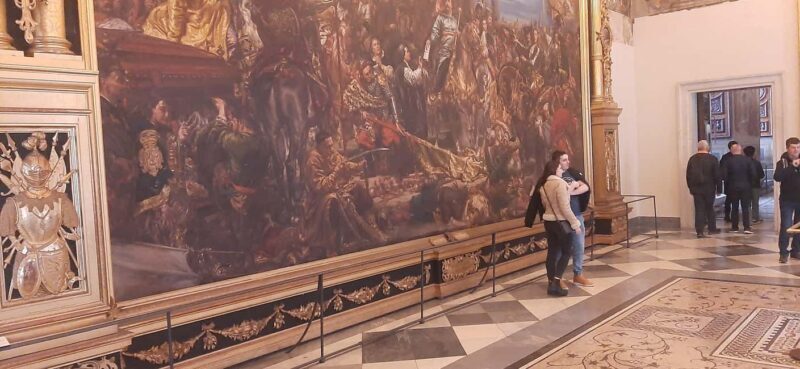
The experience is led in English and lasts two hours: about 90 minutes in the Vatican Museums and 30 minutes in the Sistine Chapel. You can book a shared small-group experience or a private tour. The meeting point depends on the option selected, so check your booking details rather than assuming every departure starts at the same address.
Dress modestly for entry. Shoulders and knees must be covered; shorts that reach the knees are permitted. Sandals and flip-flops are allowed. Bring a bottle of water, especially in hot weather, and plan for the security check even with priority access.
The tour has a strong overall rating of 4.8 from 508 bookings. That is an encouraging sign, but it does not guarantee the exact guide, group size, pace, or access conditions you will get on your date. The tour is operated by Gaudium Travel, and the shared or private option will shape how much personal interaction you can expect.
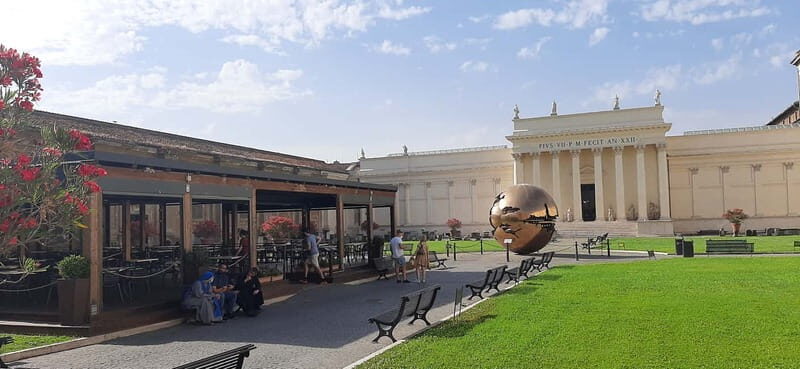
I would choose this tour if you want a clear, efficient introduction to the Vatican Museums and Sistine Chapel, especially if you would rather have an expert point out the important details than tackle the route alone. The small-group option offers a good balance of guidance and room to ask questions, while the private option is the better fit if you value a more personal pace.
I would look elsewhere if you want hours to browse, need a wheelchair-accessible route, or are counting on guaranteed access to St. Peter’s Basilica. For a first visit, though, priority entrance, a focused route, and a guide who can make the art easier to understand are a sensible use of two hours.
“Excellent! Guide was very knowledgeable and made it enjoyable for both the adults and kids. With a 4 and 6 year old, not easy to manage all the tim…”
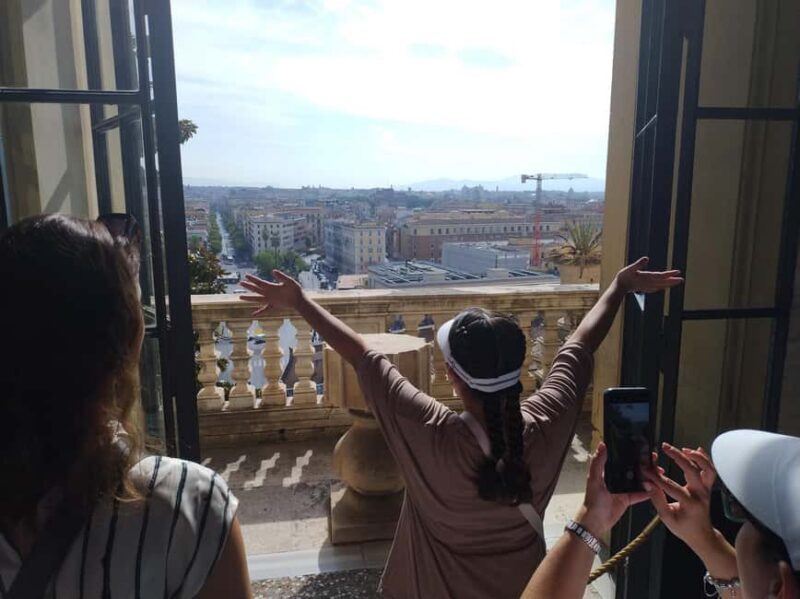
The tour lasts two hours. About 90 minutes are spent in the Vatican Museums and 30 minutes in the Sistine Chapel.
Yes. The live tour guide speaks English.
No. Priority access helps you avoid the regular entrance line, but everyone must pass through security. Allow at least 20 minutes for the security check.
Yes. You can select a shared small-group experience or a private guided experience.
The tour may end at St. Peter’s Basilica, but access is not guaranteed. The basilica can close to the public at short notice; in that case, the tour ends at the Sistine Chapel and does not provide basilica access.
Cover your shoulders and knees. Shorts that reach the knees are allowed, as are sandals and flip-flops.
No. The tour is not recommended for wheelchair users or people with mobility impairments.
Yes. The tour guidance strongly advises bringing a bottle of water.
You can check availability for your dates here: