Physical Address
304 North Cardinal St.
Dorchester Center, MA 02124
Physical Address
304 North Cardinal St.
Dorchester Center, MA 02124

Visit Amanohashidate, Ine’s boat houses and Miyama’s thatched village on a long, scenic day trip from Osaka or Kyoto.
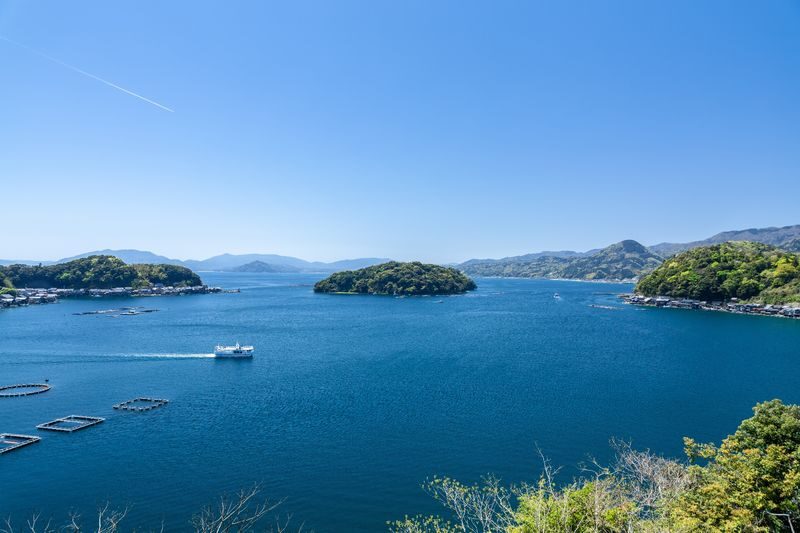
A line of boathouses facing a calm bay, a pine-covered sandbar seen from above, and an old mountain village under thatched roofs: this day trip takes you through three very different corners of northern Kyoto. The sights are far apart, so a coach makes it possible to see them all in one day without working out rural transport connections yourself.
I like that you get both Amanohashidate’s grand views and the everyday character of Ine, rather than spending the whole day at one famous lookout. I also like the mix of free time and guided logistics: you can explore the temple, beach and villages at your own pace while your guide keeps the group moving.
The trade-off is the distance. From Osaka especially, expect a lot of time on the road and short visits at each stop. This works best if you value variety and convenience over lingering, and if you are prepared for a full, active day.
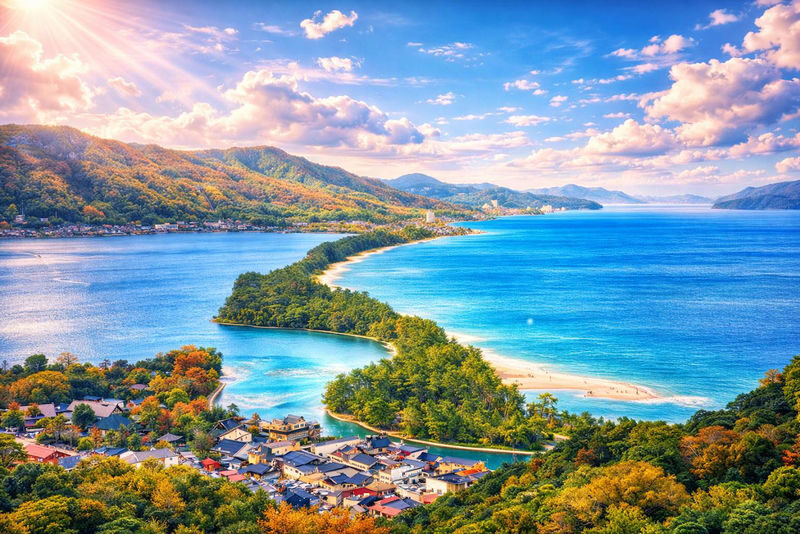
This is a sightseeing sampler, not a slow village stay. The route joins Amanohashidate, Ine and Miyama, places that show very different sides of the region: a celebrated coastal view, a working fishing town, and a mountain settlement known for its thatched roofs.
The coach is the key to the experience. These stops are spread across northern Kyoto, and arranging all the connections independently can take effort. On the tour, you can leave the route planning and driving to others, then spend your attention on the places themselves.
That convenience comes with a clear cost in time. The day starts at 7:30 and is scheduled to return around 18:00, though traffic can push the end as late as 19:30. The visits are brief by design: about two hours at Amanohashidate, 20 minutes for the boat, and around 45 minutes each in Ine and Miyama. You will get a taste of each, not a thorough visit.
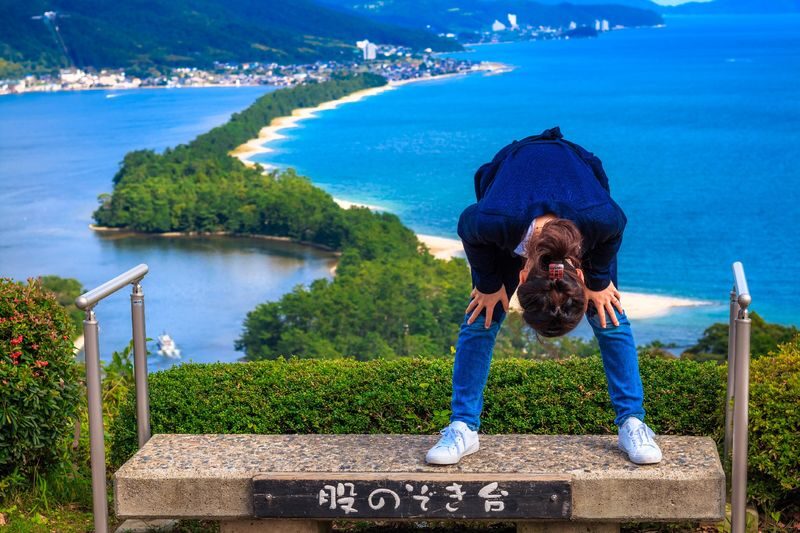
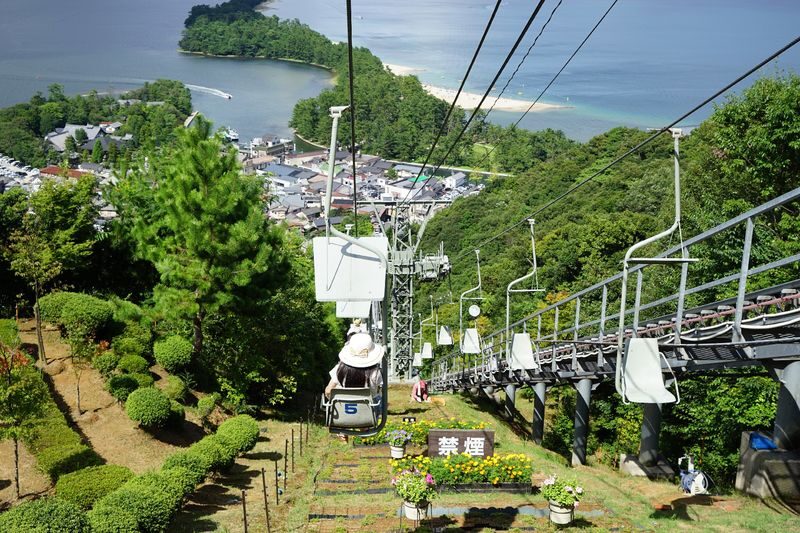
Amanohashidate is one of Japan’s Three Scenic Views, and its appeal is easy to understand from above. A long sandbar, lined with pine trees, cuts across the bay. From the Kasamatsu Park viewpoint, the traditional matanozoki pose asks you to bend forward and look between your legs. The view then appears upside down, with the sandbar said to resemble a dragon rising into the sky.
The tour description refers to a single-seat chairlift as well as a cable car option. The lift is a memorable part of the visit in its own right, but if you are uneasy with heights, check the available ride before booking and ask your guide about the choices on the day. One visitor described the chairlift as safe and fun, though the experience will naturally depend on your comfort level.
Back at ground level, you can visit Chion-ji Temple, dedicated to Monju Bosatsu, the Bodhisattva associated with wisdom. The temple’s fan-shaped fortune slips offer a small, distinctive souvenir, and the grounds provide a quieter pause between the viewpoint and the waterfront.
There is also time to cross the rotating bridge and walk beside the sandbar’s beach. The bridge turns to let boats pass, an unusual detail that gives the stop a local touch beyond the famous panorama. The beach and clear water make a pleasant contrast to the elevated viewpoint, but with only about two hours for the area, you will need to choose your priorities. If the chairlift queue is long, a temple visit and beach stroll may need to be shorter.
You might also be interested in these Kyoto experiences
The sightseeing boat is scheduled for about 20 minutes. It is a quick outing, but it changes your perspective: instead of looking down on Amanohashidate, you see the sandbar and surrounding water from the bay.
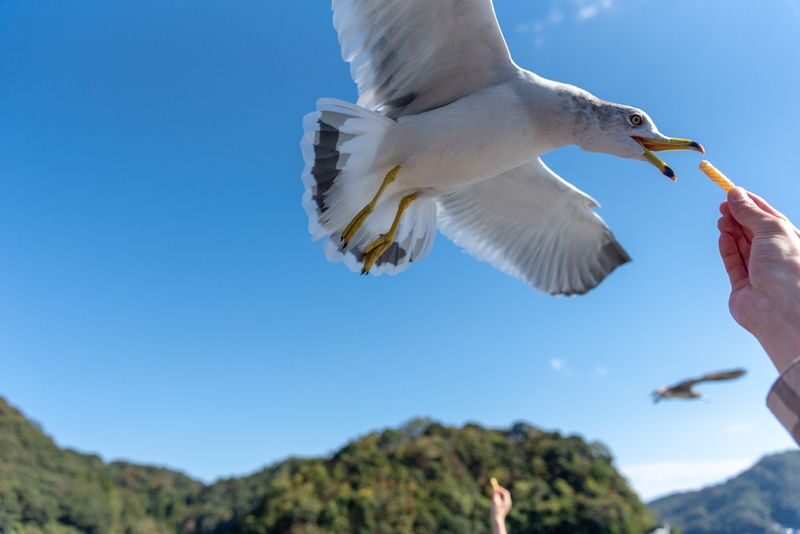
Gulls often fly alongside the boat and come close to passengers. Some people enjoy feeding them, but follow the crew’s instructions and do not assume food will be provided. Treat the ride as a short scenic break, not a long cruise.
The boat ticket is listed at 800 yen when it is not included in your selected package. The guide can help arrange tickets on site, and advance online purchase is discouraged because it can lead to booking the wrong option. Check your package details before departure so you know whether this cost is already covered.
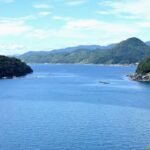
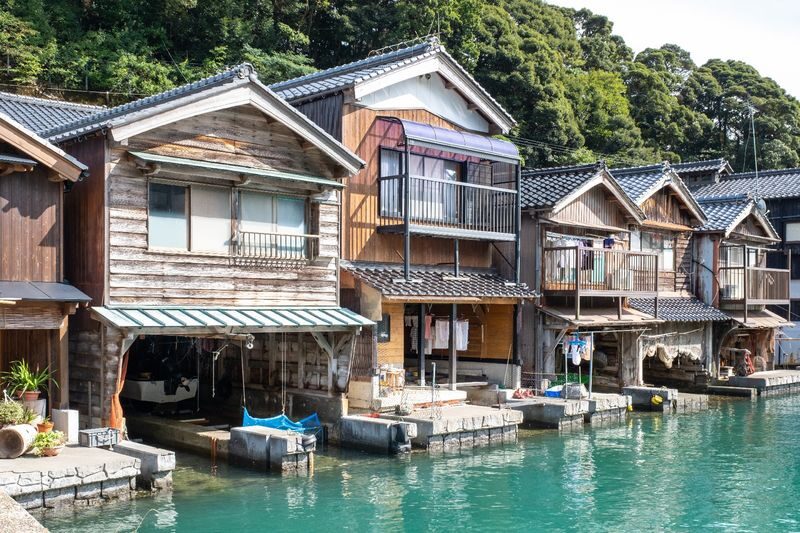
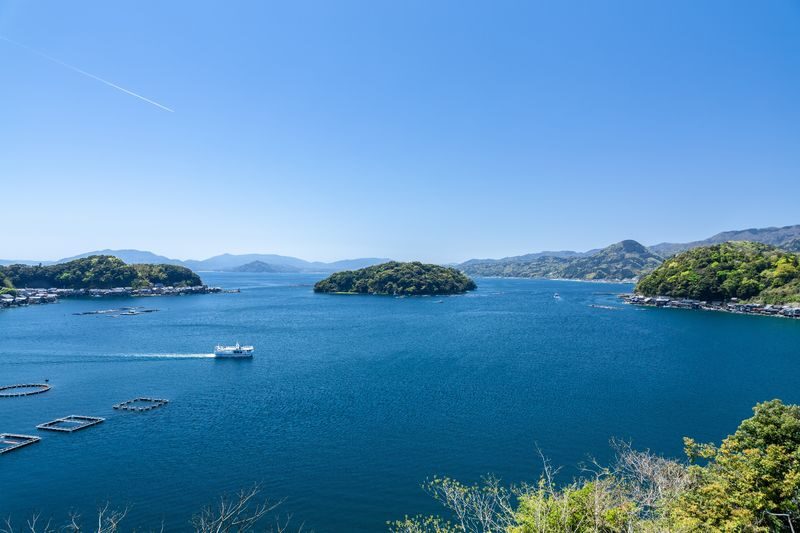
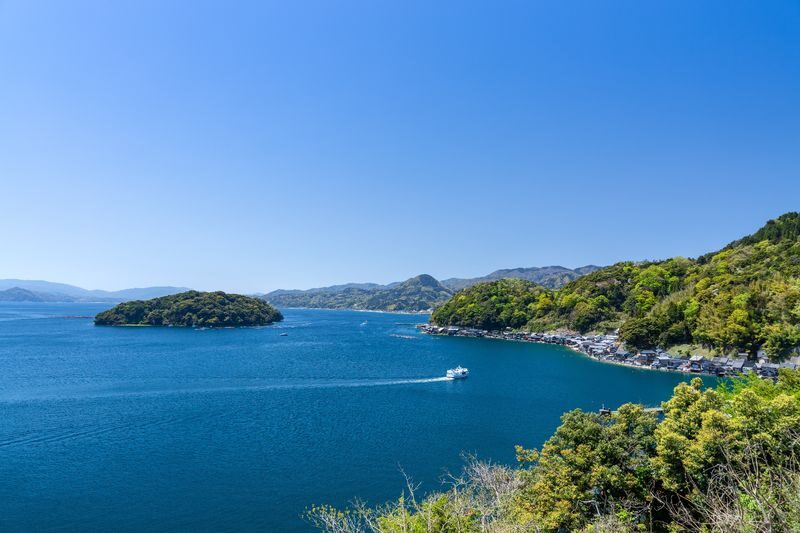
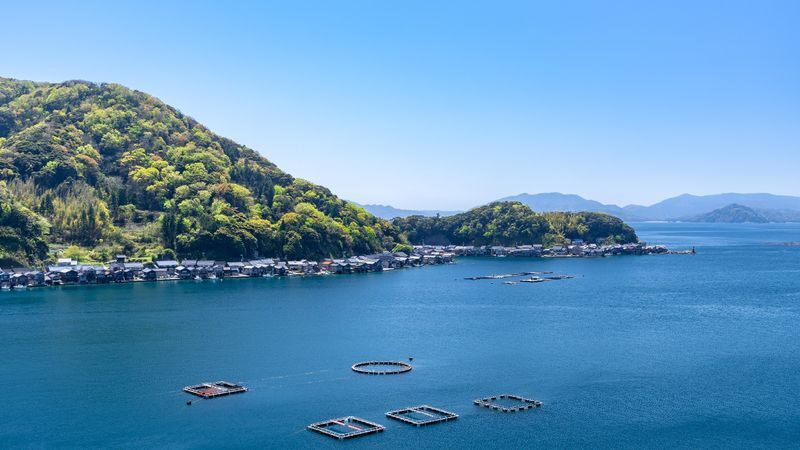
Ine is known for its funaya, boathouses built directly along the edge of the bay. Their unusual design makes the waterfront feel closely tied to fishing and boat life: boats can be brought into the lower level, while the upper floors serve as living space.
The tour allows about 45 minutes here. That is enough for a walk along the waterfront and a close look at the architecture, but not a leisurely exploration of the whole town. The clear water and rows of houses are the main draw, and the setting is especially photogenic. On a sunny day, bring a hat or sunscreen; there is limited time to seek shade while taking in the bay.
Respect that Ine is a lived-in community, not a set built for visitors. Keep your voice down, avoid entering private areas, and take care near the water. The tour includes time around Ineura Park, where you can get a close view of the boathouse style without treating residents’ homes as public attractions.
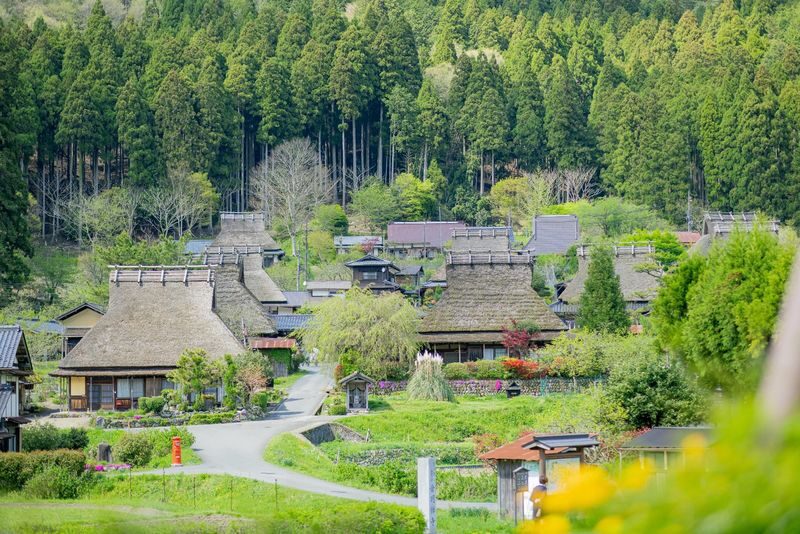
The final major stop is Kayabuki no Sato in Miyama, a mountain village with dozens of traditional thatched-roof houses. The setting is different from Ine: instead of boats and sea air, you get streams, old homes and a quieter rural feel. The houses are described as centuries old, and the village offers a glimpse of traditional mountain life.
You have about 45 minutes to walk around. That is enough to see the village and take in its calm atmosphere, but not enough for a deep visit to every site. Admission to the Miyama Folk Museum is not included, so decide on arrival whether you would rather spend the short stop inside the museum or outdoors among the houses.
There are small food stops in the area, and one visitor singled out the local milk ice cream. You may also find snacks or a café, but do not count on a long meal break. The schedule is tight, and it is wise to arrive with something to eat or bring a small snack for the bus.
The day begins at 7:30, with a return to Kyoto Station or Osaka’s Kintetsu-Nippombashi Station. You are asked to arrive 15 minutes early, and late arrivals cannot be refunded. The exact meeting point and guide details are sent by email around 18:00 on the day before departure, so check your inbox and spam folder.
Expect several hours of driving, especially on the Osaka departure. One participant estimated that the bus time took up much of the day, leaving only a few hours to enjoy the stops. That is the central compromise: the coach makes the route feasible, but the ride can feel long and the visits compressed.
The schedule can shift with road and weather conditions. A guide can help protect the timing, but traffic or late group members may still affect how long you have at each place. Guides named in recent tour experiences include Oscar, Sarah, Amy, Zoya and CC; guide assignments vary, so do not book on the assumption that you will have a particular person. The tour is offered with an English or Chinese-speaking guide, and some guides have also used additional languages to help the group.
The vehicle and comfort details are not fully specified. One participant wished for more legroom and charging ports, so bring a power bank if you rely on your phone for photos or maps. Luggage allowance is two standard-sized pieces, but packing light will make a long coach ride easier.
Prices start at $51.19, a low entry point for a day that links three distant areas and includes round-trip transport, tolls, parking, fuel and a guide. The value is strongest if you would otherwise find the rural route difficult to arrange or would rather avoid coordinating multiple connections.
But the starting price does not necessarily include the main paid activities. The cable car is listed at 1,000 yen and the sightseeing boat at 800 yen, unless you choose a package that includes both. The Miyama Folk Museum, meals, drinks and personal purchases are also extra. Check the exact package name before paying: options vary by departure city and whether the cable car and boat tickets are included.
From Osaka, you can choose a route that goes directly to Ine rather than detouring through Kyoto. Kyoto departures also have a direct option. These distinctions matter because the tour is already a long day; confirm your selected route rather than assuming all departures follow the same path.
This tour suits you if you want to see several celebrated northern Kyoto sights in one day and are happy with a brisk pace. It is especially useful for a short stay in Osaka or Kyoto, when devoting a night or more to each rural destination may not fit your plans.
It is less suited to anyone who wants long walks, extended meals, or time to explore every village in depth. The activity is not recommended for people with impaired mobility, pregnant women, or people with certain medical conditions such as high blood pressure or epilepsy. It is not wheelchair or stroller accessible, and child seats are not available. Infants and children must be included in the passenger count.
Wear comfortable walking shoes and dress for the forecast. Bring rain gear and sun protection as needed, plus water and a snack if you prefer not to rely on a short meal window. The operator advises carrying valid identification, such as a passport or ID card.
Book it if your priority is seeing a broad range of northern Kyoto in one day without managing the transport yourself. Amanohashidate’s elevated view, Ine’s waterfront houses and Miyama’s thatched homes make a varied combination, and the guide can take care of meeting points and timing.
Skip it if you want to linger, have a relaxed lunch, or spend half a day in one place. The bus hours are real, and the brief stops ask you to make choices quickly. For the best value, compare the package options carefully, confirm whether the boat and cable car are included, and arrive ready for a full day on the road.
“Friendly tour guide, beautiful location, clear direction and guide. Would definitely recommend”
The experience is listed as 10.5 hours. It departs at 7:30, with return around 18:00 in normal conditions. Traffic can delay the return until about 19:30.
Departure options are available from Osaka or Kyoto. The listed meeting locations include Osaka-Kintetsu-Nippombashi Station and Kyoto Station. Check your booking details for the meeting point that applies to your selected package.
Arrive 15 minutes before departure. Late arrivals or no-shows are not eligible for a refund.
Not in every package. The listed prices are 1,000 yen for the Amanohashidate cable car and 800 yen for the sightseeing boat. Some package options include both, so check the specific option you are booking.
No. Meals and drinks are not included. The Miyama Folk Museum and personal expenses are also extra.
The listed visits are about two hours around Amanohashidate, 20 minutes for the sightseeing boat, and about 45 minutes each in Ine and Miyama. The schedule may change due to traffic or weather.
The tour includes an English- or Chinese-speaking guide. Specific guides and language combinations vary by departure.
No. The activity is listed as not wheelchair or stroller accessible, and it is not recommended for people with impaired physical mobility.
The listed allowance is two pieces of standard-sized luggage. Packing light may make the long coach ride more comfortable.
A full refund is available if you cancel at least 24 hours before the activity date, based on local time. Changes are allowed until 24 hours before the activity, subject to the stated booking restrictions.