Physical Address
304 North Cardinal St.
Dorchester Center, MA 02124
Physical Address
304 North Cardinal St.
Dorchester Center, MA 02124

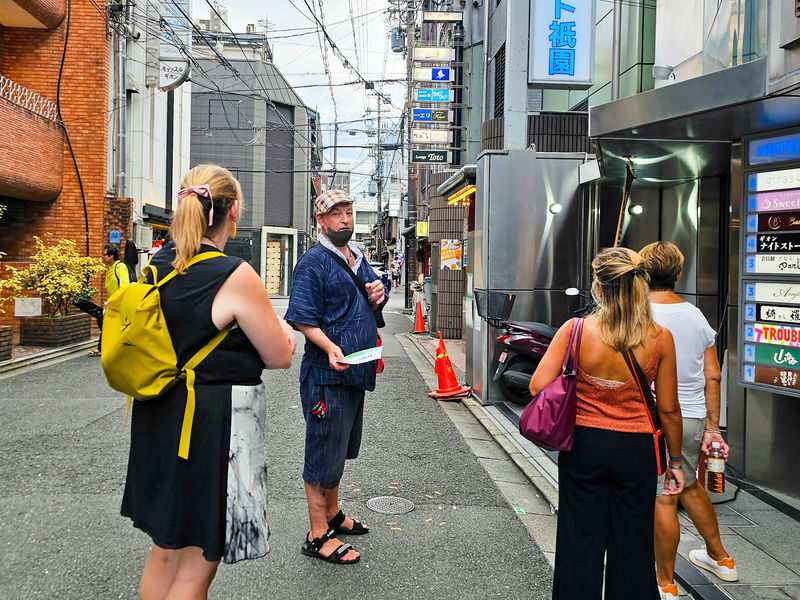
Walk Gion after dark with an English-speaking guide, visiting Hanamikoji Street, Yasaka Shrine and quiet lanes, with a chance of seeing a maiko.
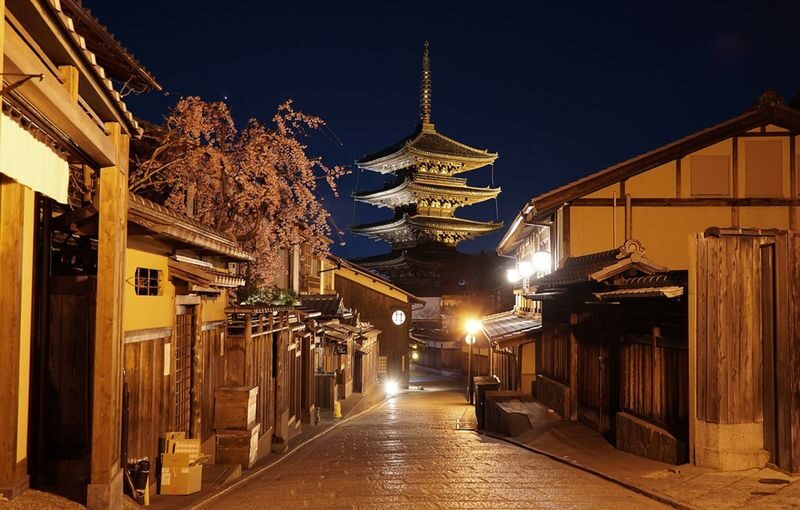
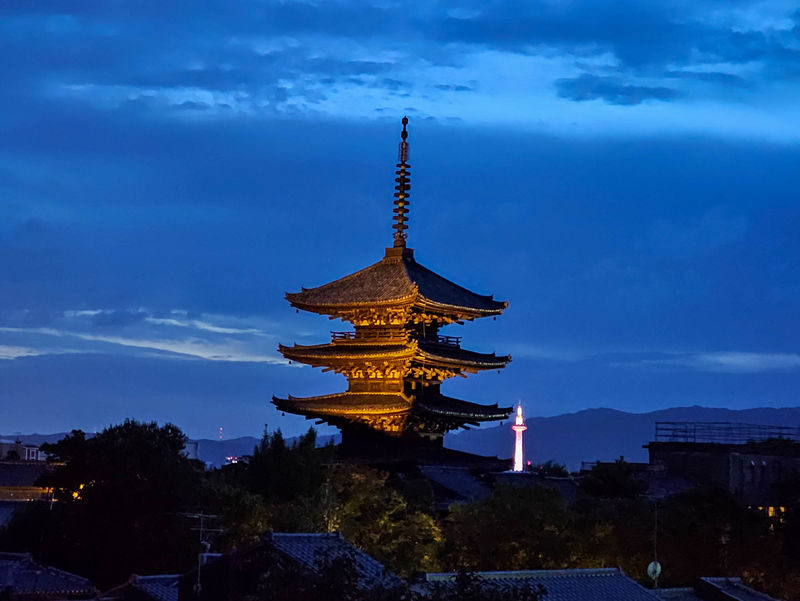
Gion changes character after sunset. Lantern light picks out wooden facades and narrow lanes, while the evening gives you a calmer way to see Kyoto’s historic geisha district than a daytime walk. A geiko or maiko may appear, but there’s no guarantee, and the tour is about the neighborhood as much as that possibility.
I like that a guide can explain the customs and religious sites you might otherwise pass without understanding, and I like the mix of familiar sights and tucked-away lanes. The main consideration is the walking: three hours on foot calls for comfortable shoes, and a group can include as many as 25 people.
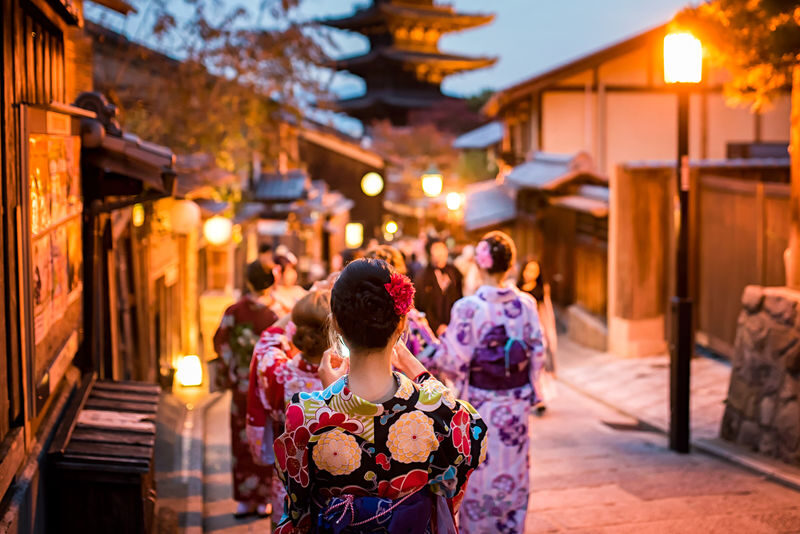
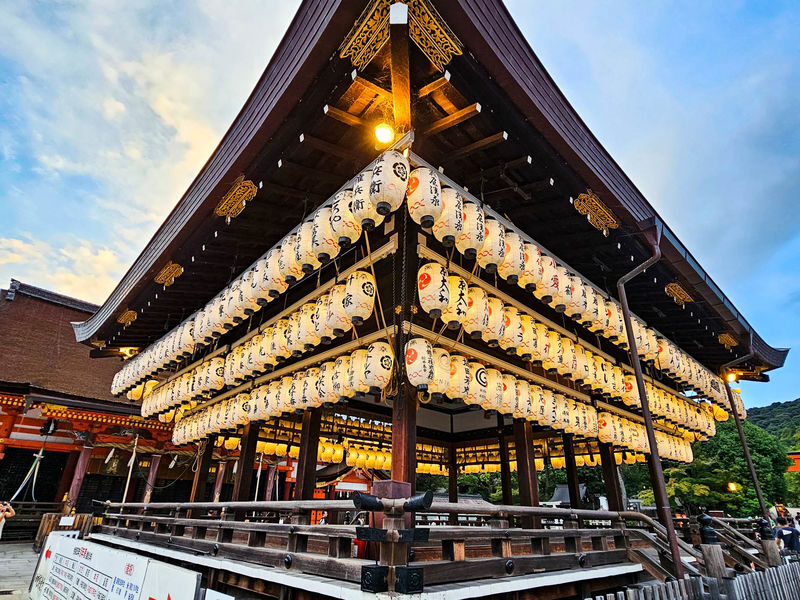
Gion is one of Kyoto’s best-known historic districts, but its appeal isn’t limited to the chance of spotting a geiko. In the evening, lanterns glow along old streets, and the contrast between traditional facades and the city around them becomes easier to notice. Restaurants, bars and teahouses add signs of daily life to the scene.
A guide helps you read what you’re seeing. The tour is designed to explain the history and customs of the area, along with the differences between geiko and maiko and the role of shrines and temples in Japanese life. Those details turn a pleasant walk into something more useful: you leave with a better sense of how the neighborhood works, not just a camera roll of attractive streets.
The group also walks through backstreets and quieter spots that can be easy to miss if you stick to the main roads. That doesn’t mean every lane will be empty, especially in a popular district, but a local guide can help you get beyond the most obvious route and answer questions as you go.
Looking for more options in Ono District? Here are some other experiences worth considering.
The tour meets at 17:20 and finishes at about 20:20. It is a walking tour, not a drive between sights, so expect to spend the full three hours on your feet. The schedule may change with weather and traffic conditions.
The route lists Gion, Hanamikoji Street, Yasaka Shrine, Shirakawa-dori and Pontocho Park. The precise order and time spent at each can vary, but the combination gives you a useful mix of well-known sights and quieter corners.
Hanamikoji Street is one of the district’s signature walks, with traditional buildings and teahouses that help set the tone for the evening. It’s a good place to begin noticing architectural details and to hear how Gion’s entertainment traditions developed.
It is also a popular street, so don’t expect to have every view to yourself. A guide can add context and help the group move through the area without treating it as a parade route. Keep your camera ready, but remember that the buildings and people here are part of a living neighborhood, not a set built for visitors.
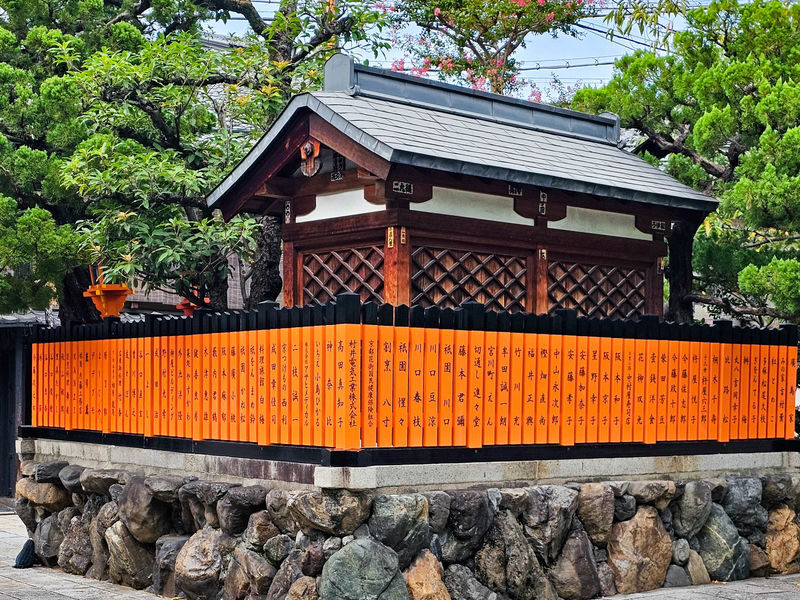
Yasaka Shrine adds a different layer to the walk. Rather than focusing only on Gion’s geiko culture, the guide explains aspects of Japanese religion and the history of shrines. Some guides also compare Shinto shrines with Buddhist temples, an especially useful distinction if you’re new to Japan.
The value here is in the explanation. A shrine visit can be brief on its own, but learning what you’re looking at gives it more meaning. Bring questions: visitors have found the guides willing to discuss local history, daily life and traditions as the walk unfolds.
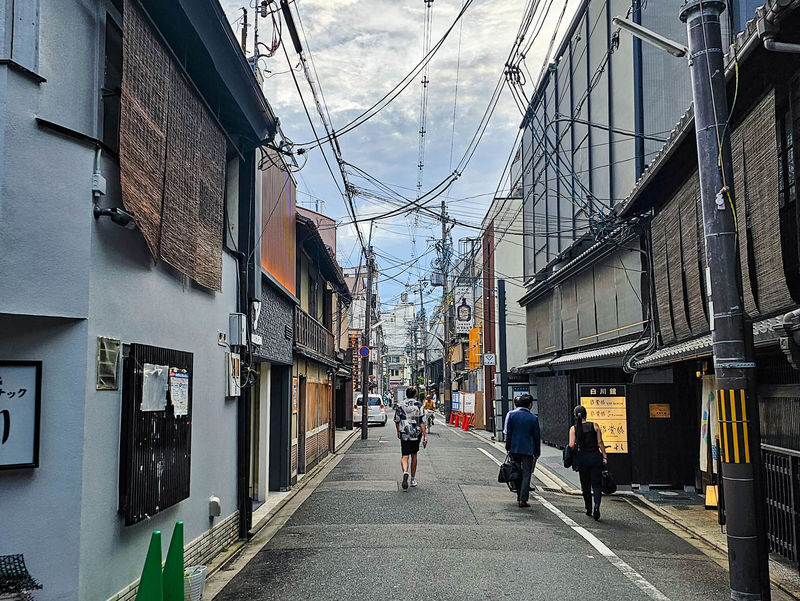
The route also includes Shirakawa-dori and traditional backstreets. These quieter stretches offer a change of pace from the better-known streets and can make the neighborhood feel more intimate. You may find attractive spots for photos, but the emphasis is on walking through and understanding Gion rather than stopping for a long photo session at every turn.
Some guides take the group to less obvious places that can be difficult to find independently. That’s one of the clearest reasons to choose a guided walk: you get a route and local commentary without having to navigate every narrow lane yourself.
Pontocho Park is among the areas named on the tour, and the route finishes around 20:20 near Saenjo Ohashi Bridge and Hanamikoji Street. The listed return details mention both, so check the precise end point with your guide before setting off if you need to make a dinner booking or connect with another activity.
Guides sometimes offer restaurant suggestions at the end, and some have helped with reservations. Treat that as a welcome possibility, not a promised part of the package. Meals and drinks are not included, so plan to pay for dinner separately.
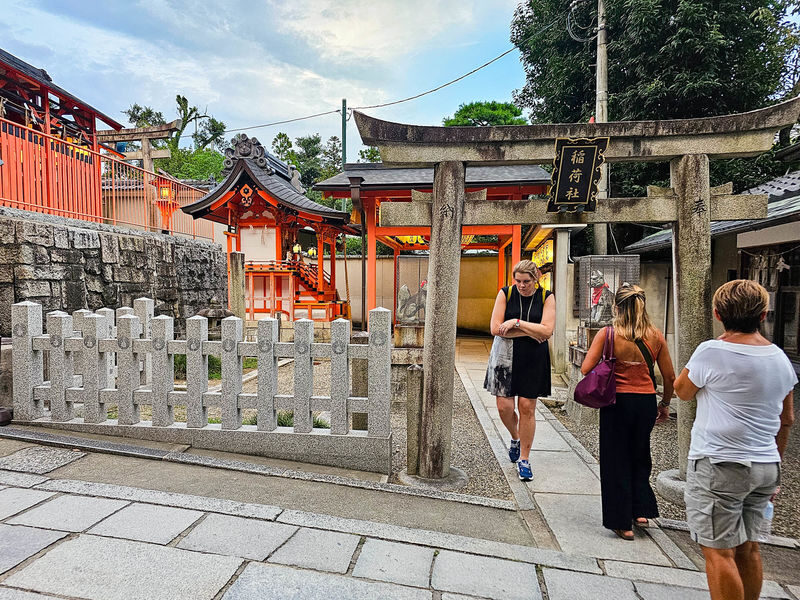
The guide is central to this experience. A strong one can make a three-hour walk feel like a conversation about Kyoto rather than a sequence of photo stops. Guides named on past tours include Jasmine, Taku, Naoki, Miyake, Kenzo and Marielle, but you can’t choose a particular guide or count on a specific person being assigned.
The most useful commentary connects the visible details to the wider culture: the history of the district, the distinction between geiko and maiko, shrine customs and everyday life in Japan. Visitors have also appreciated practical touches such as a steady pace, time for photos and restroom stops, check-ins on the group, and suggestions for dinner afterward.
Experiences can vary, of course. One account described poor group coordination and little added value from a premium option, which is a fair reminder that the quality of a walking tour depends heavily on the guide and how well the group is managed. If staying together is a concern, pay attention at crossings and keep the guide in sight, particularly when the group stops for photos.
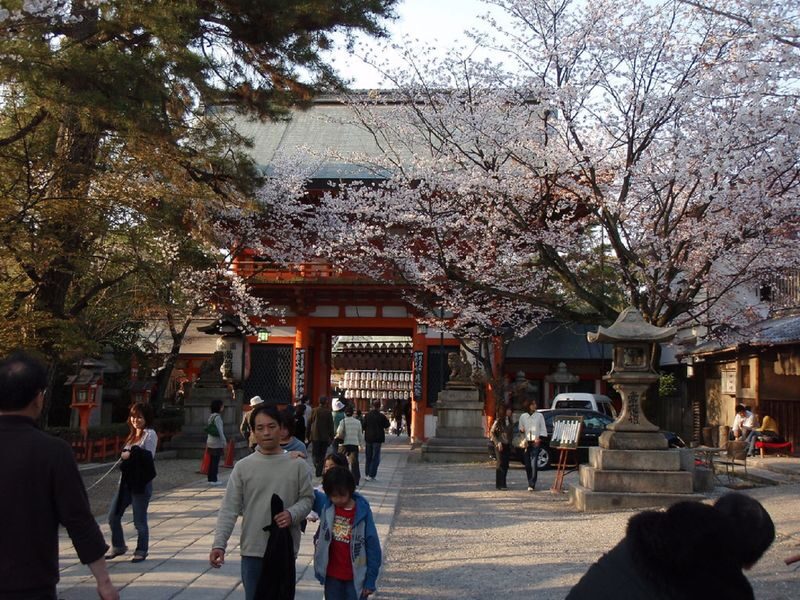
The possibility of seeing a geiko or maiko is part of the tour’s appeal, but it is not guaranteed. It’s best to book for the guided walk and cultural background, not as a way to secure a sighting.
If you do encounter one, be respectful. Keep your distance, don’t interrupt her journey, and avoid blocking her path. The tour guidance recommends using a longer camera lens rather than moving in close. If she comes near, step aside, offer a quick bow or smile, and let her continue. These are people going about their work and lives, not performers waiting to be photographed.
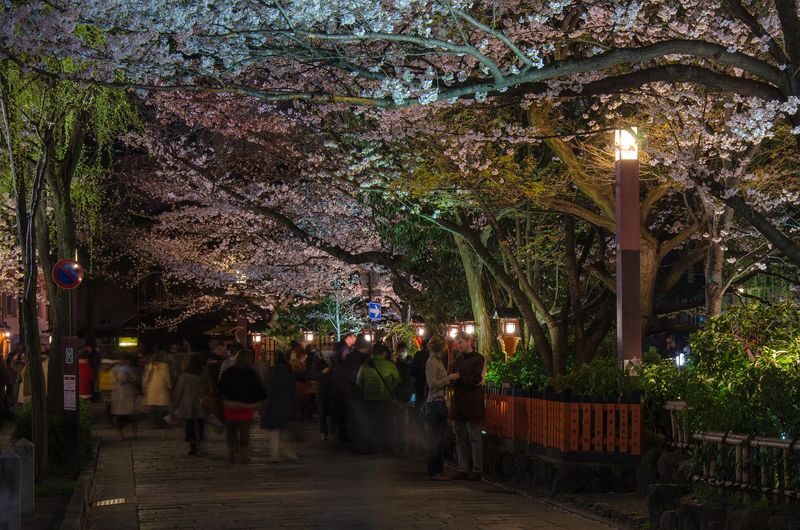
The group can have 1 to 25 participants. The English Group Tour is the standard option described here, but choices include English Premium Group, English Private, Chinese Small Group, Chinese Private, Spanish Small Group, French Private and Spanish Private tours. Package details and prices can differ, so check the option you select rather than assuming every format has the same group size or inclusions.
A maximum of 25 is not the same as a tiny group. Some walks may feel comfortably small, but you should be prepared for a larger group and for the guide to pause so everyone can hear. One participant suggested headphones would help in a group setting; none are listed as included. A private tour is the option to consider if you want a more personal format, though you should check its precise terms and price before booking.
The pace has been described as easy by some, but three hours is still a substantial walk. You’ll want comfortable shoes and enough energy to stay on your feet. Children aged 2 and older pay the adult rate; children aged 0 to 1 go free. Child seats are not available, and the tour does not provide luggage storage or delivery.
Prices start at $25.15. At that entry price, the tour can be a sound way to spend an evening if you want a guide to connect the sights and traditions, and to lead you through streets you might not find on your own. You’re paying for the guide and a three-hour walking route, not transport, food or drinks.
The strongest value comes from the explanation. You can walk around Gion independently, but it’s harder to get the same context about local customs, religious sites and geiko culture without a guide. Restaurant advice and help finding photo spots can add to the evening, though they are not guaranteed services.
Check the package carefully before paying more for a premium, private or small-group format. A higher price makes sense if its specific format suits you, but don’t assume the word premium guarantees a better guide or a dramatically different route. The standard English group tour is a reasonable choice if you mainly want an informative walk at the listed starting price.
The meeting point is at 17:20 at the corner of Kyoto Kawaramachi Garden, in front of the large black world map. The supplied address is 68 Shincho, Shimogyo Ward, Kyoto, 600-8001. Look for a guide wearing a TripGuru shirt or holding a TripGuru sign, and arrive at least 10 minutes early. Guides wait a maximum of 10 minutes before moving on, and late arrivals or no-shows are not refundable.
There is a location-data mismatch in the supplied details: the tour’s location summary names Ono District in Gifu Prefecture and Shirakawa-go, while the meeting point, route and named sights are in Kyoto. Use the Kyoto meeting details to plan this Gion walk, and verify the map pin and address before travelling.
Bring a camera and cash for personal expenses. Meals, beverages, hotel pickup and drop-off are not included. Same-day booking is accepted, departures are guaranteed, and the voucher is valid only for the date and time booked. Cancellation for a full refund is available with at least 24 hours’ notice in destination local time.
Book this tour if you have one evening in Kyoto and want a guide to explain what you’re seeing while leading you through Gion and nearby streets. It suits first-time visitors, culture-minded walkers and anyone who would rather hear about shrines, local customs and geiko traditions than simply follow a map.
Skip it if you’re looking for a guaranteed geiko or maiko sighting, a seated activity, or a fully private experience at the lowest listed price. You can explore Gion on your own, but the guided version earns its place when you value local context and a ready-made route. Wear comfortable shoes, arrive early, and treat any geiko encounter as a privilege rather than the main event.
“My husband and I had a fun time with this walking tour. Our guide was very professional and informative. She gave a good history of each spot and m…”
It lasts three hours, with a scheduled start at 17:20 and return around 20:20. The schedule may change depending on weather and traffic conditions.
Meet at the corner of Kyoto Kawaramachi Garden, in front of the large black world map, at 68 Shincho, Shimogyo Ward, Kyoto. Look for a guide in a TripGuru shirt or with a TripGuru sign.
Arrive at least 10 minutes before the 17:20 departure. The guide waits a maximum of 10 minutes before continuing, and late arrivals or no-shows cannot be refunded.
The named places are Gion, Hanamikoji Street, Yasaka Shrine, Shirakawa-dori and Pontocho Park. The route order may vary.
No. You might catch a glimpse, but a sighting is not guaranteed. If you do see one, keep your distance and avoid interrupting her.
The package described includes an English-speaking guide and a walking tour with up to 25 participants. Hotel transfers, meals, drinks and personal expenses are not included.
Bring comfortable shoes, a camera and cash for personal expenses.
Yes. Children aged 0 to 1 can join free, while children aged 2 and older pay the same rate as adults. Child seats are not available.
A full refund is available if you cancel at least 24 hours before the activity date, using destination local time.