Physical Address
304 North Cardinal St.
Dorchester Center, MA 02124
Physical Address
304 North Cardinal St.
Dorchester Center, MA 02124

See Atami’s seaside fireworks on an 11-hour Tokyo day tour, with a choice of Kamakura, Mount Omuro or Hakone stops.
Atami’s fireworks are the grand finale: a short, bright show over the sea, with the bay giving the display a wider frame than a city street can. This is not a quiet evening outing, though. It is an 11-hour shared bus tour from Tokyo, with several stops before the show and the usual risk of summer traffic.
I like the choice of routes, which lets you pair the fireworks with either Kamakura and Enoshima, Mount Omuro, or Hakone. I also like the noon departure: you can start after breakfast rather than racing out at dawn, and the Kamakura option includes an Enoden tram ticket.
The trade-off is time. The tour packs far-apart sights into one day, so traffic or queues can cut into your stops. Atami time is especially precious before the fireworks, and you should expect a full day with plenty of sitting and brisk regrouping.
The experience is sold in different versions. The Kamakura option pairs the fireworks with the Enoden tram, Kamakurakoko-Mae Station and Enoshima. Another version goes to Mount Omuro and includes the lift ride. A Hakone option includes a boat ticket for Lake Ashi. There are also small-group versions, including one Kamakura route with hotel pickup.
That distinction matters because the general tour description mentions all three areas, but the day is not designed to visit Kamakura, Omuroyama and Hakone in sequence. Check the exact package name before booking, then plan around the stops that package includes. The detailed schedule provided for the Kamakura route should not be assumed to apply to the other versions.
The listed starting price is from $56.85, but the final value depends on your chosen route and what it includes. Transport, tolls, parking and fuel are covered, as is the Enoden ticket on the Kamakura itinerary. The Omuro version includes its lift, and the Hakone version includes a boat ticket. Food, personal spending and gratuities are extra.
Looking for more options in Fujisawa? Here are some other experiences worth considering.
The Kamakura option departs at noon from either Tokyo Station’s Marunouchi North Exit or the SMBC Bank entrance at Shinjuku West Exit. The listed assembly times are 11:50 and 12:20, respectively, with departures at 12:00 and 12:30. Arrive ten minutes early. The bus does not wait for latecomers, and missed departures are not refundable.
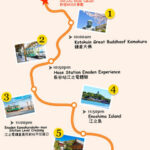
The first listed stop is the Enoden tram experience, scheduled for about 14:30 and lasting roughly ten minutes. This old coastal railway is part of the pleasure of the route: rather than simply driving between photo stops, you get a short ride with views of the Shonan coast. It is a small taste, not a long rail outing, but the ticket is included and the setting gives the journey a local feel.
Next comes Kamakurakoko-Mae Station, known for its Slam Dunk connection. The crossing near the school gate is a popular spot for photographing the railway and coast together. The stop is about 20 minutes, so have your camera ready and expect to share the frame. On crowded days, a quick photo may be more realistic than lingering to wait for a completely clear view.
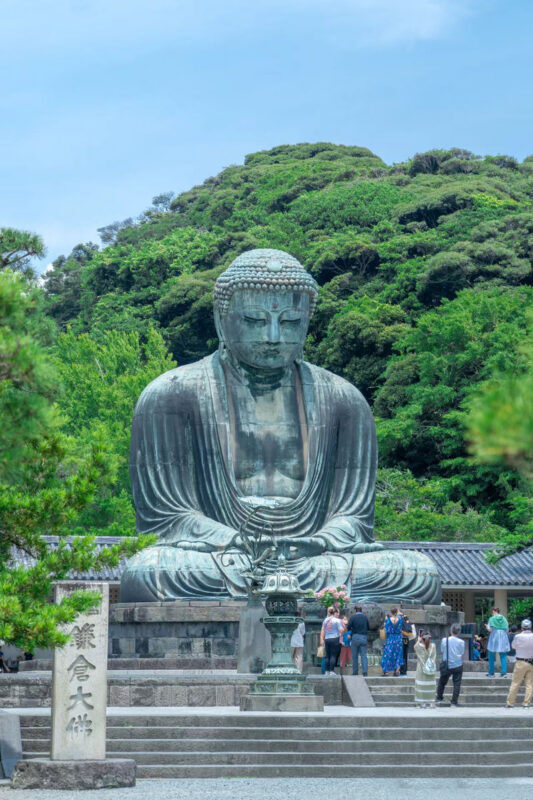
Kamakura is an old coastal city, but this particular stop is focused on the familiar anime location, not a broad historical tour. The Great Buddha is not included, and the schedule does not list a visit to it. If that is a priority, this outing may not give you the time or access you want.
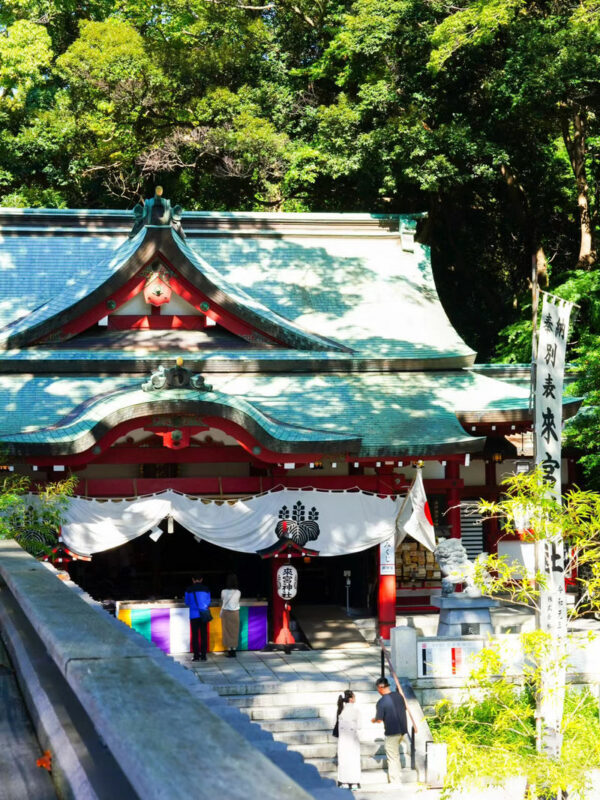
The Kamakura route continues to Enoshima for about an hour. Walking trails, shrines, observation decks and seafood snack shops give you a choice: take a stroll, pause for a view, or sample something local. It is a useful change of pace after the station photo stop, though an hour is enough for a sampler, not a thorough visit.
Be prepared to walk. One route review described a long walk between the Enoshima parking area and the tram station, and another noted that keeping up with the group can feel demanding in hot weather. The tour is not a way to avoid walking altogether. Wear comfortable shoes, carry water, and do not plan to see every corner of the island in the allotted time.
The day does not include lunch. You can bring food, buy it at a stop, or follow a guide’s restaurant suggestion. Sealed light snacks and unopened drinks are allowed on the bus, but eating inside the vehicle is prohibited. A simple lunch plan helps prevent the afternoon from turning into a hungry race to the next meeting point.
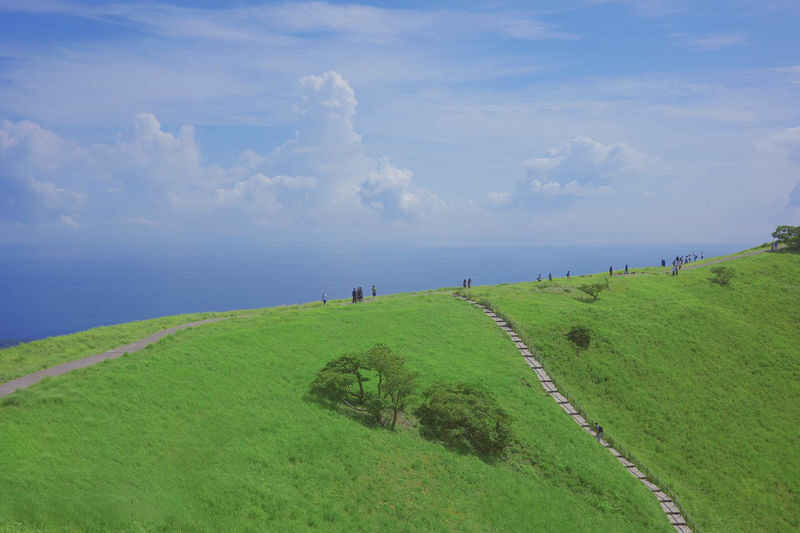
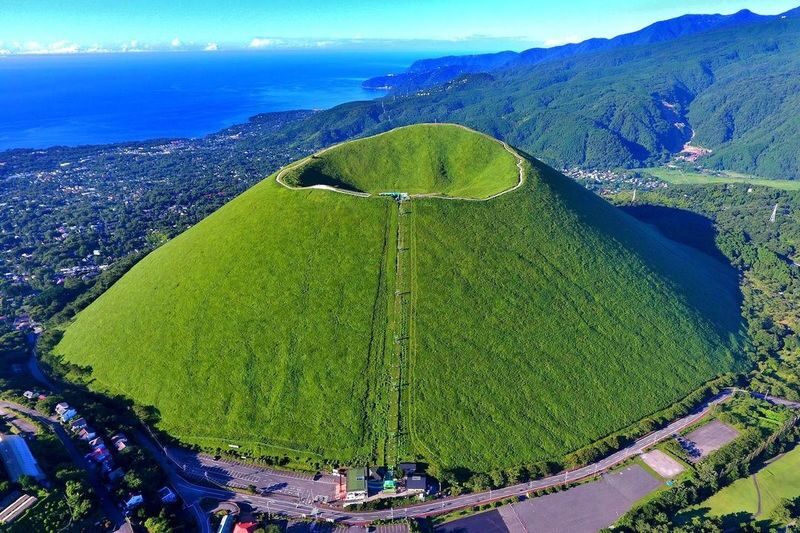
Choose the Omuro route if the volcanic cone is your priority. Mount Omuro rises 580 metres above the Izu Plateau and was formed from material thrown out by a volcanic eruption. The rounded crater shape is its calling card, and the summit offers views across the Izu area when the weather cooperates. The tour description also links the mountain to the crater in the animation Your Name.
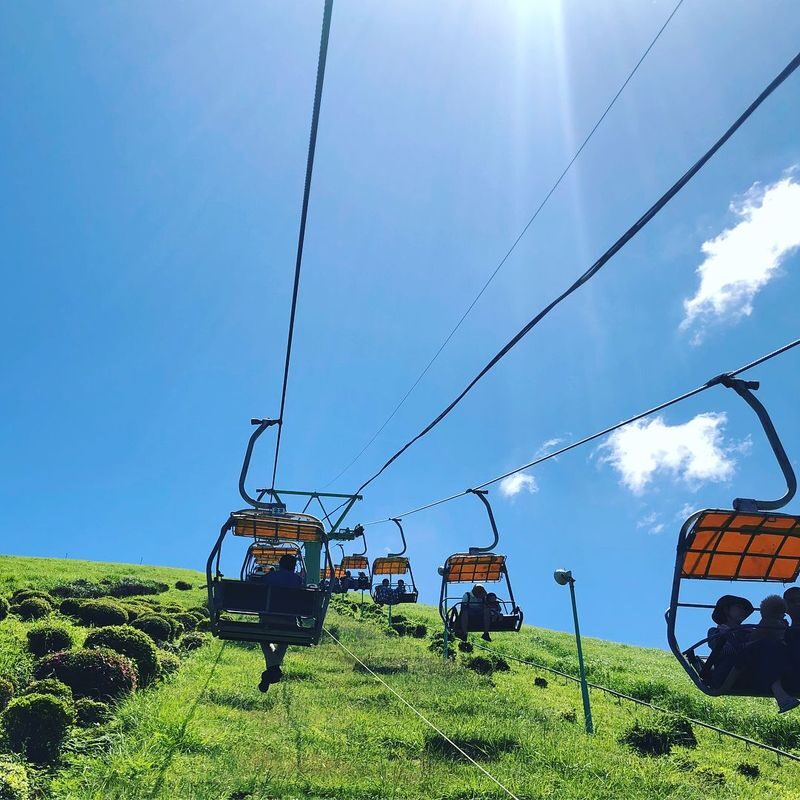
This package includes the lift to the top. It is a practical way to reach the summit, but queues can eat into the stop: one visitor reported waiting nearly an hour during a crowded period, then having little time at the top. Use the restroom before joining the line, and be ready to follow the guide’s return time closely.
The high point of this route is the contrast between the open mountain and the evening fireworks by the sea. Its weakness is the same as the other options: the long distance from Tokyo and the fixed schedule leave limited room for a slow, unplanned visit. If you most want to walk the crater rim at your own pace, independent travel gives you more freedom.
The Hakone route includes Lake Ashi and a boat ticket. The lake setting offers a different mood from the other two routes, with mountain views and the possibility of seeing Mount Fuji when conditions allow. The general tour description presents a lake cruise as part of this option, but weather and visibility are not guaranteed.
This route is a good fit if a boat ride and Hakone scenery appeal more than the Kamakura photo stop or Omuro’s volcanic summit. It still ends with Atami’s fireworks, and it still depends on traffic and the group schedule. Do not book it expecting to add the other destinations too.
The Kamakura schedule places arrival at Atami Shopping Street around 19:00, with about an hour to eat and browse before the fireworks. The street has old shops and a retro Showa-era feel, while the surrounding area has restaurants and places to shop. You are on your own for dinner, so choose something manageable and keep an eye on the meeting time.
This is the part of the day most exposed to delays. Restaurants can have long lines, and the fireworks draw crowds and traffic. Keep your meal simple, or buy a snack earlier and treat Atami as a chance to look around rather than sit down for a long dinner. Some people have had less time in town than planned when earlier stops or traffic ran late.
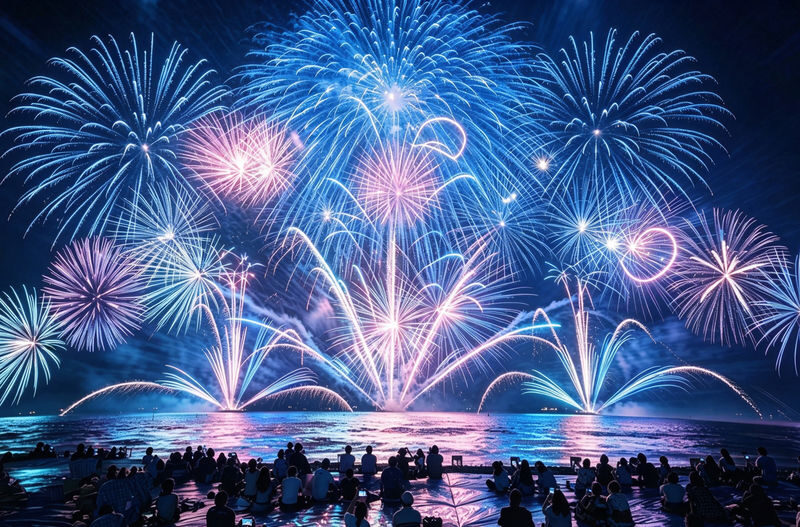
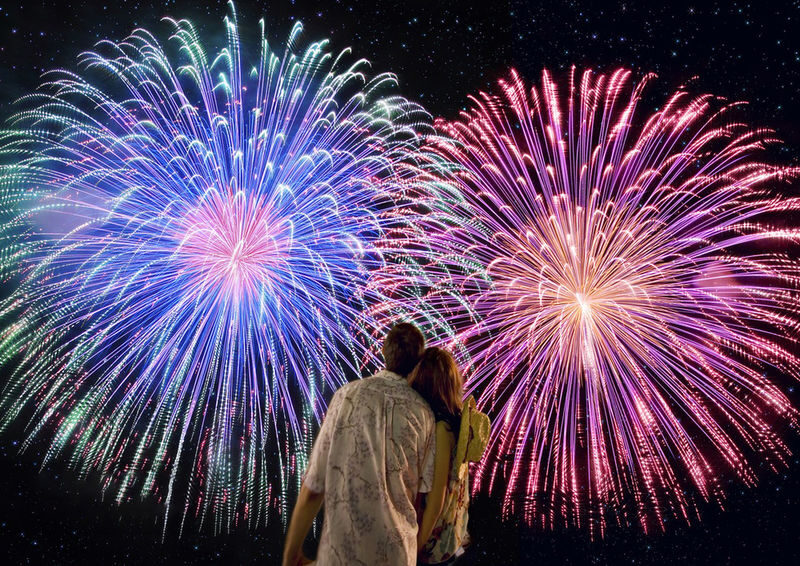
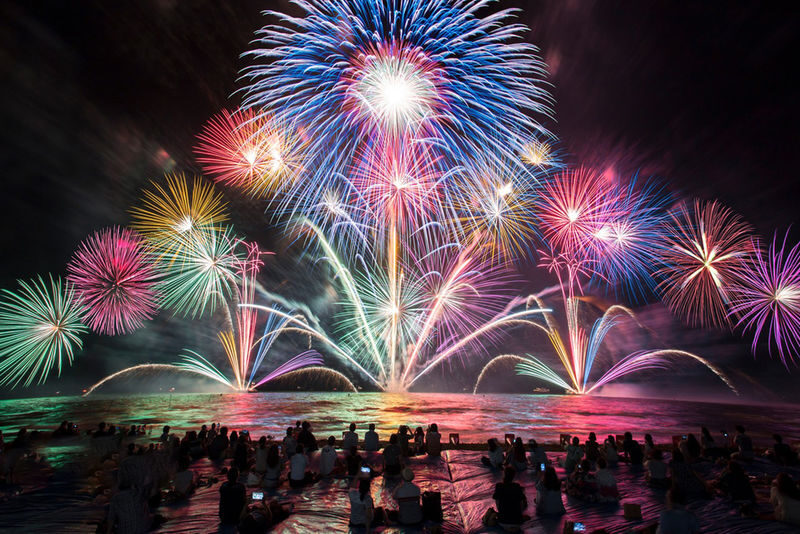
The advertised fireworks slot is around 20:20 and lasts about 20 minutes. Atami’s display is held offshore, so the sea becomes part of the show: fireworks flare above the water and reflect the town’s summer-night mood. The short duration makes the earlier wait worthwhile for fireworks fans, but do not expect a full evening festival program from this schedule.
The exact viewing position can vary with the day’s arrangements. Some feedback describes watching from the beach, while another account warns that delays left the group viewing from beside the road. A guide may suggest a good photo spot, but a fixed carpool tour cannot promise a particular patch of sand or a long, relaxed beach evening. Stay flexible and keep your expectations focused on seeing the display.
The return drive is listed at about two hours, with arrival in Tokyo around 23:00. That is a best-case outline, not a promise. Holiday, weekend and fireworks traffic can push the return later, and the operator warns that delays of two to five hours are possible. Keep the following morning light if you can.
The vehicle is shared with other participants. If fewer than 12 people join, the operator says a smaller vehicle with a driver only may be used. With more than 12, a driver and guide are arranged. In practice, you may not have a dedicated guide on a smaller departure, so read the meeting instructions carefully and keep your phone available.
Guides named in feedback include Serina, Max, Andy and Tommy. The strongest praise focuses on clear instructions, care with timing and help managing queues or meeting points. That matters on a tour with frequent regrouping. Still, guide names are not guaranteed, and traffic or crowd levels remain beyond a guide’s control.
Pack for a late return and a warm outdoor evening: comfortable walking shoes, a phone charger, water, and some cash for food and personal purchases are sensible. If you are prone to motion sickness, the operator advises preparing for it. The company does not provide travel or accident insurance, so arrange your own coverage if you want it.
The tour is not recommended for people with heart conditions, high blood pressure, asthma, epilepsy, acrophobia, serious medical conditions or pregnancy. Seniors aged 65 and over must be fit to travel and accompanied by a family member or friend aged 22 or older. Children aged two and above pay the adult rate; children under three can travel free only if they do not need a separate seat, and the operator asks families to notify it in advance.
The day is a fixed carpool schedule. Be ready at each meeting point and follow the guide’s timing. The stated wait for a late participant is no more than five minutes, and there is no refund for arriving late, missing the tour or leaving partway through. Large luggage should be declared when you book.
The day-before email is important. It is expected in the late afternoon or evening and contains meeting details, vehicle information and guide contact instructions. Check your spam folder and keep your phone accessible. The supplied information gives slightly different email windows, so if nothing has arrived by 21:00, contact the operator.
Book it if you want a convenient way to pair Atami’s seaside fireworks with one other destination and you are comfortable trading free time for transport and coordination. The Kamakura route suits anime fans and anyone keen on the Enoden and Enoshima; the Omuro option is for volcanic views; the Hakone version adds the lake boat ride. The fireworks are the shared reward at the end.
Skip it if you want a leisurely visit to every stop, dislike long bus rides, or need a firm return time. Traffic can compress the schedule, and Atami dinner time may be brief. For most people, the best choice is the route whose daytime stop matters most to them, with the fireworks treated as a spectacular bonus rather than a guarantee of a perfect evening plan.
“It's quite convenient to get to Mount Omuro and see the fireworks. I recommend using the restroom before getting in line for Mount Omuro, as you mi…”
You can meet at Tokyo Station’s Marunouchi North Exit or at the SMBC Bank entrance at Shinjuku West Exit. The listed departures are 12:00 from Tokyo Station and 12:30 from Shinjuku.
The day is scheduled for about 11 hours, from around noon until 23:00. Traffic may make the return later.
No. These are separate route choices. Select the Kamakura and Enoshima, Mount Omuro, or Hakone version.
Yes, the Enoden ticket is included on the Kamakura route.
The Mount Omuro package is described as including the lift. Check that you are booking that specific option.
The Hakone package includes a boat ticket for the Lake Ashi option.
No. Lunch is not included, and dinner in Atami is at your own expense.
The scheduled Atami fireworks viewing time is about 20 minutes.
The tour requires prompt arrival and says latecomers or no-shows cannot receive a refund. The group wait at attraction meeting points is limited to five minutes.
Children aged two and over are charged the adult rate. Children under three may travel free if they do not occupy a separate seat, but the operator asks families to notify it in advance.